

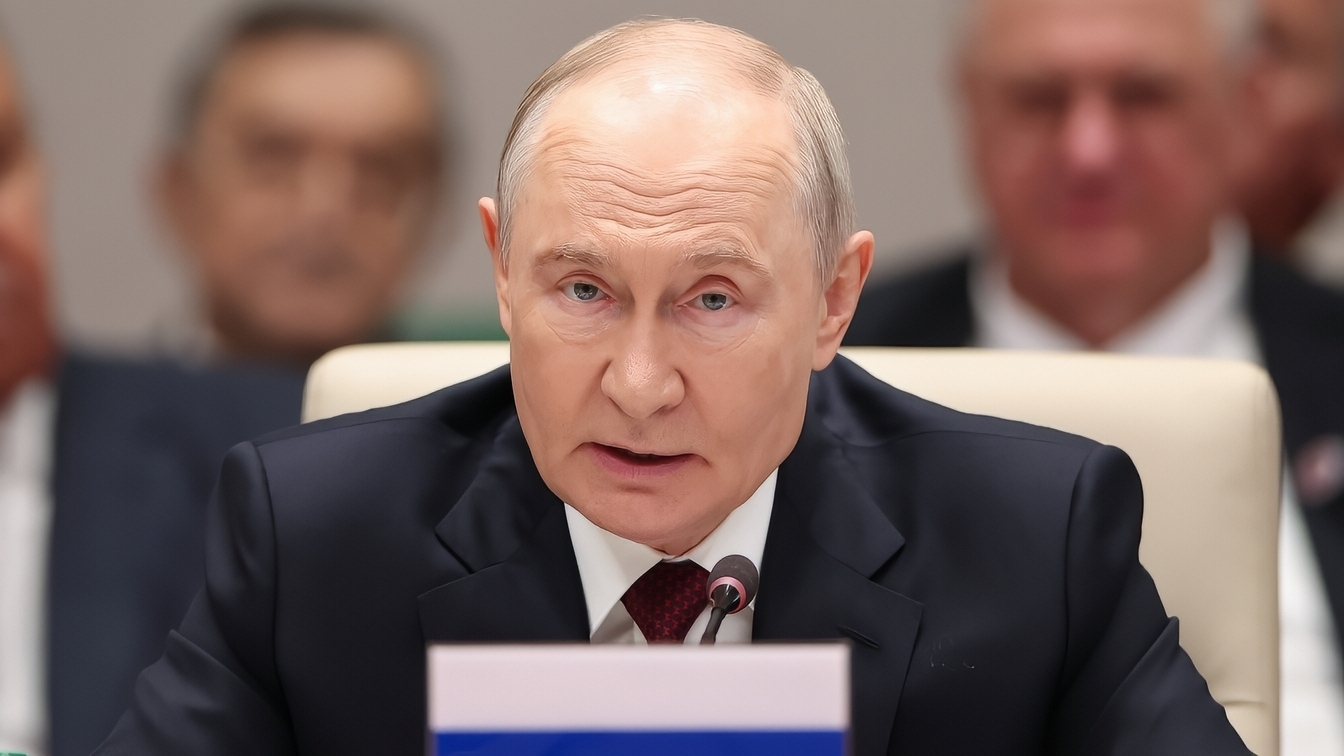
President Donald Trump reportedly reached an agreement with Russian President Vladimir Putin on October 9, 2026, designed to increase global diesel supplies.
The arrangement reportedly involves temporarily relaxing certain US restrictions on Russian energy exports, with initial shipments totaling 300,000 metric tons of diesel.
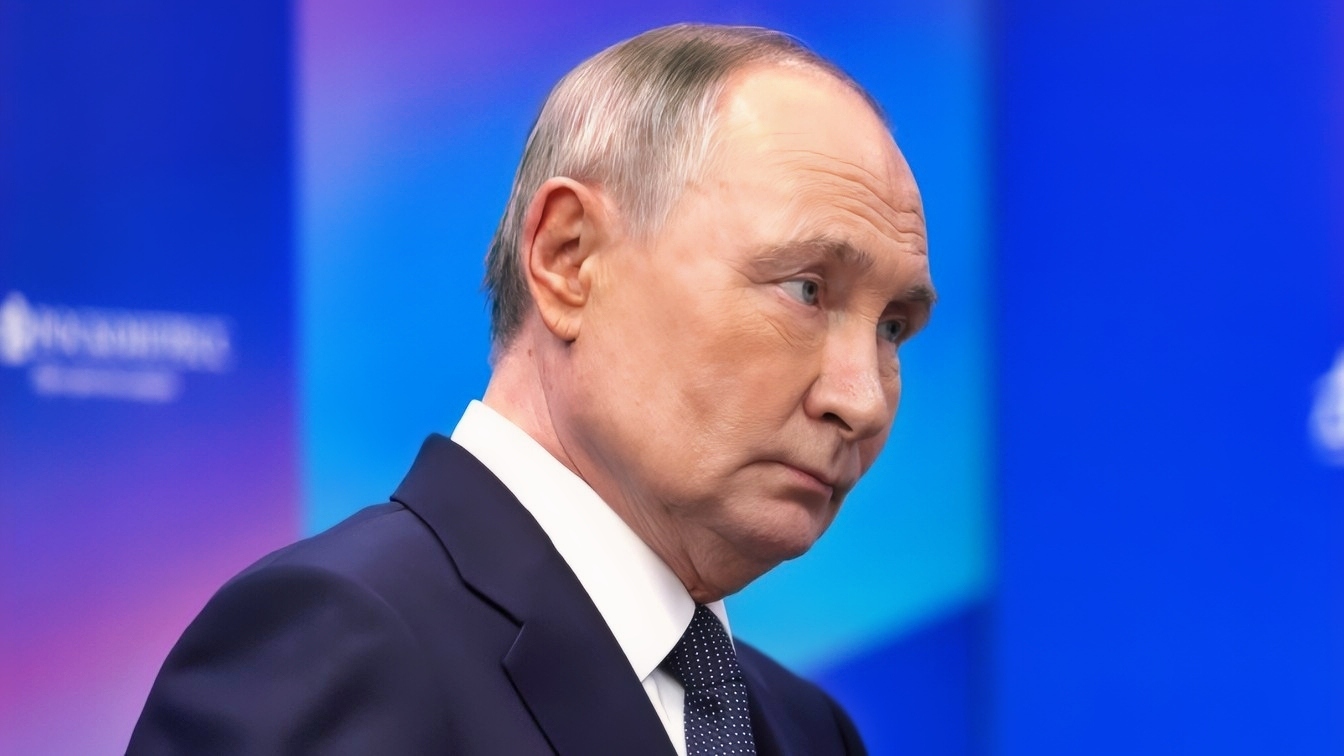
Putin in March of 2025 Russian Federation Photo

MSTA-S Russian Artillery. Image Credit: Creative Commons.
The larger goal here is to release 4.8 million metric tons by winter.
While the real objective may be to lower high fuel prices ahead of the midterm elections in November, the arrangement has already earned criticism from Ukraine, Europe, and American lawmakers for prospectively easing economic pressure on Russia while Moscow continues its war against Ukraine.
Coveting Russian Diesel
The conflict in Iran has severely disrupted global energy markets, as shipping through the Strait of Hormuz remains constrained.
Historically, the strait carries roughly one-fifth of global petroleum liquids consumption, and disruptions affect international markets and refined petroleum products.
Diesel is especially important to the American economy, which depends largely on trucking and freight transportation, agriculture, construction, manufacturing, and supply chain logistics.
Higher diesel prices increase transportation and production costs, and those expenses can ultimately affect consumer prices, which, of course, has a politically deleterious effect.
The Trump administration therefore hopes additional Russian supply will moderate fuel costs, which would have the added benefit of addressing one of the administration’s greatest political vulnerabilities in the weeks leading up to the midterm elections.
Sanctions Controversy
After Russia invaded Ukraine in February 2022, Western governments imposed extensive sanctions.
The restrictions were intended to limit Moscow’s access to revenue, technology, and financial markets.
Energy exports remain economically important to the Russian government, and the reported diesel agreement would ease some restrictions and facilitate additional fuel shipments.
The deal has drawn substantial criticism, of course, with critics arguing it undermines years of coordinated sanctions policy and could increase revenue for Russian exporters, reduce economic pressure on Moscow, weaken American negotiating leverage, and create disagreement between Washington and European allies.
Some lawmakers argue the diesel deal conflicts with congressional sanctions legislation.
Ukraine Concerned
Ukraine has been using long-range drones to attack Russian energy infrastructure, like refineries and fuel facilities, for the sake of disrupting fuel production, imposing repair expenses, complicating logistics, and creating economic and political pressure on Moscow.
Some reports suggest that the Trump administration wants to suspend strikes against Russian refineries. Of course, if true, this would create significant tension.
Kyiv would be abandoning one of its primary battlefield objectives without a reciprocal concession.
Ukrainian officials have reportedly condemned the agreement as economically benefiting Russia.
This aligns with long-standing Ukrainian and European strategy, which has held that economic pressure is vital to limiting Russia’s war-making capacity.
Lowering Prices?
Would the influx of Russian diesel meaningfully affect global prices?
The reported release of 300,000 metric tons equates to about 2.2 million barrels of diesel.
For perspective, global oil consumers exceed 100 million barrels daily, though that includes all petroleum products, not just diesel.
So the initial shipment is relatively small compared with the overall petroleum market.
But diesel prices depend on the specific refined-product market, regional shortages, inventories, and shipping availability. A modest supply increase could affect regions differently.
Strategic Contradiction
The US faces two overlapping international crises.
The first is Russia’s ongoing invasion of Ukraine.
The second is energy disruptions stemming from Operation Epic Fury.
Measures intended to address the fallout of the second may undermine the policies pursued in the first.
Lowering fuel prices could indeed provide some domestic economic relief.
But facilitating Russian exports could reduce pressure on Moscow.
So the Trump administration faces competing priorities here: energy affordability, sanctions enforcement, Ukrainian military leverage, relations with European allies, domestic political considerations, etc.
Balancing economic pressure against foreign policy commitment won’t be easy.
Additional Russian diesel might help ease supply constraints, yes, but if sanctions relief weakens pressure on Moscow without lowering prices, Washington’s plan may backfire.
About the Author: Harrison Kass
Harrison Kass is a writer and attorney focused on national security, technology, and political culture. His work has appeared in Tablet, City Journal, The Hill, The Spectator, and The Cipher Brief. He holds a JD from the University of Oregon and a master’s in Global & Joint Program Studies from NYU—more at harrisonkass.com.


