

On Monday, NATO fighter jets shot down an errant drone that wandered into Latvian airspace presumably as a result of electronic warfare interference, though the origin of the drone was not explained. In a statement, the Latvian Ministry of Defense said that a “foreign unmanned aerial vehicle (drone)… entered Latvia as a result of Russian electromagnetic warfare.”
The Ministry of Defense statement explained that “fighter jets from the NATO Baltic Air Policing mission were scrambled in response to the threat in Latvian airspace.” It also added that “as long as Russia’s aggression in Ukraine continues, the recurrence of incidents where a foreign unmanned aerial vehicle enters or approaches Latvian airspace remains possible.”
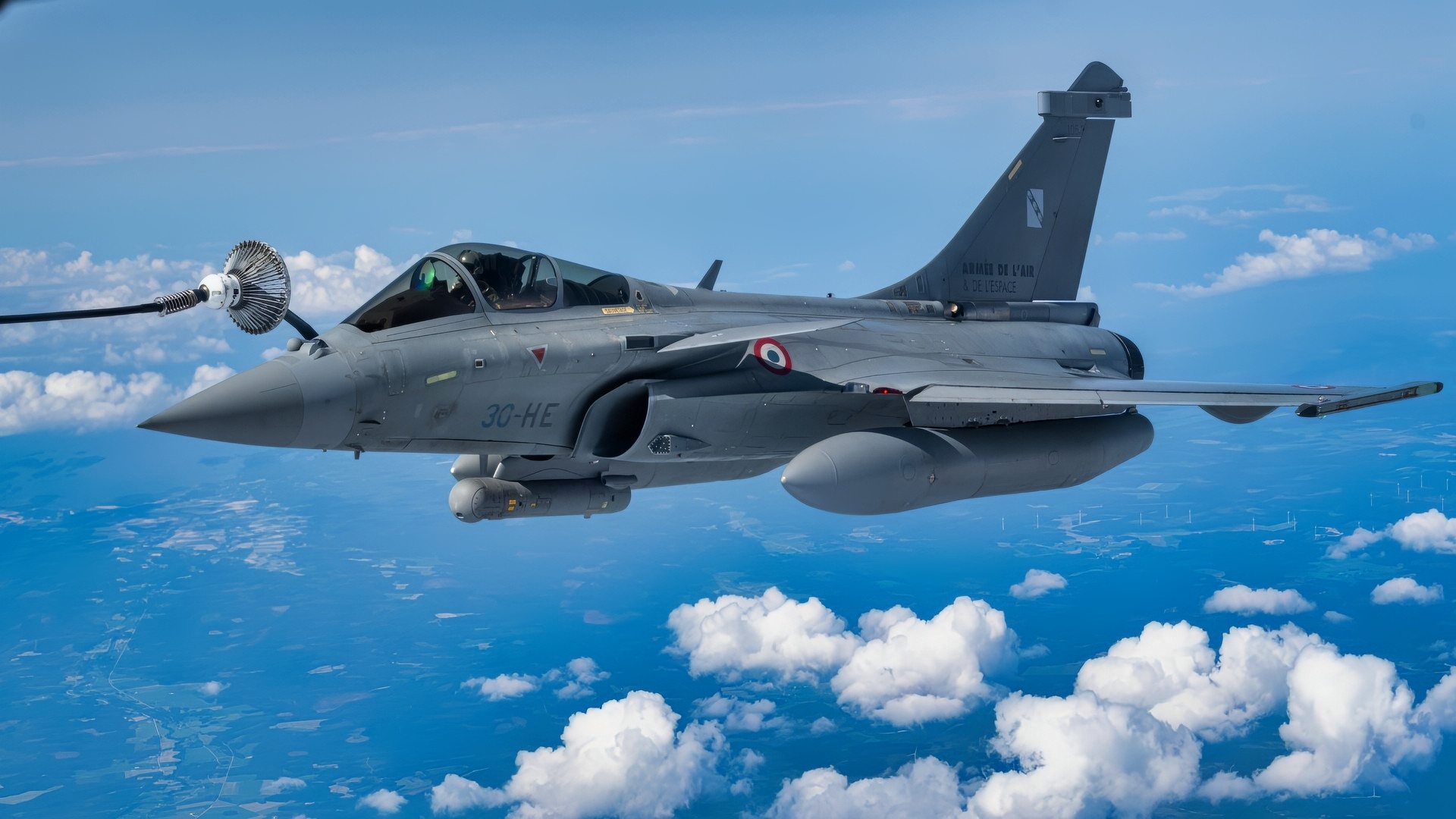
A French Air and Space Force Rafale C from Mont-de-Marsan, Fighter Regiment 2/30, Normandie-Niémen, receives fuel from a U.S. Air Force KC-135 Stratotanker from the 100th Air Refueling Wing, RAF Mildenhall, England, during exercise Atlantic Trident 25 over Finland, June 26, 2025. Atlantic Trident 25 is a recurring multinational training exercise between the U.S., U.K. and France to train in an interoperable environment, refining operational integration and ensuring Allied forces can seamlessly secure the Euro-Atlantic region. Finland hosted this iteration of the training series for the first time. (U.S. Air Force photo by Senior Airman Christopher Campbell)
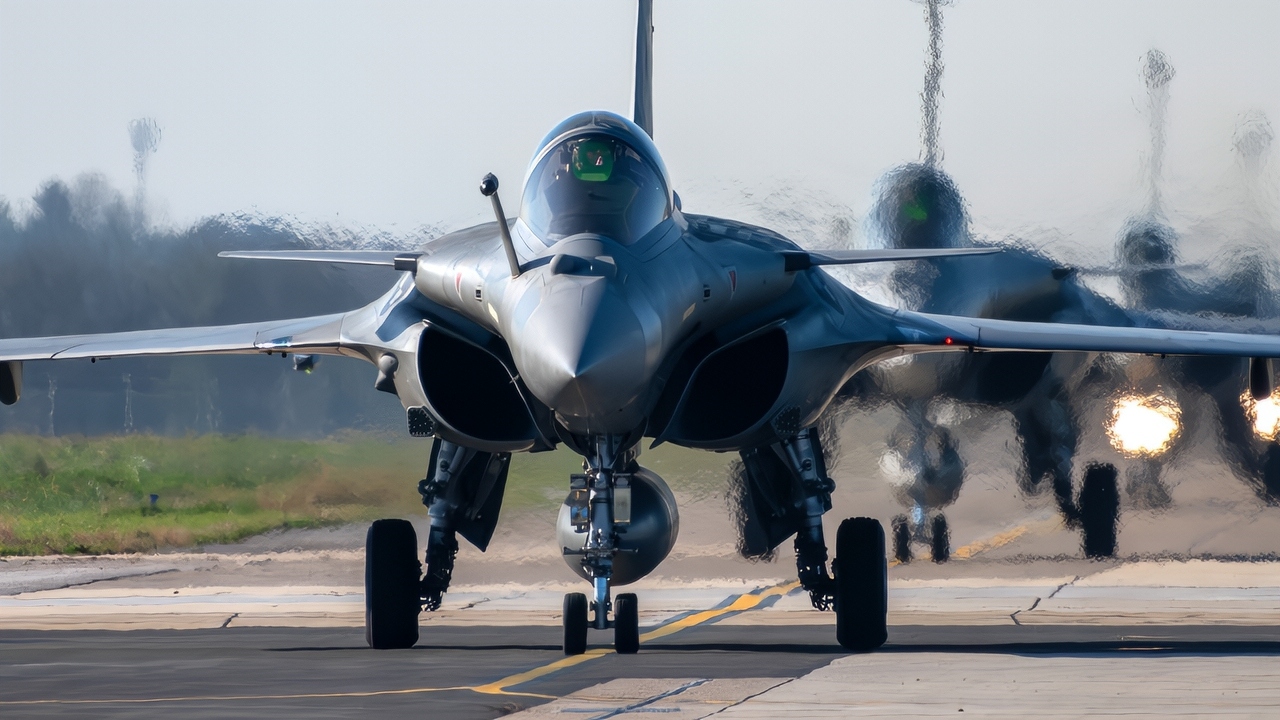
A French Dassault Rafale fighter jet, part of the NATO Baltic Air Police mission, shot down the drone.
Fighters from several NATO countries have patrolled the airspace of the three Baltic countries since the countries joined the alliance in 2004.
A Series of Drone Incidents on NATO’s Eastern Flank
The drone incursion into Latvia was not the first of such incidents. Multiple drones have strayed into NATO airspace since the war in Ukraine erupted in 2022 with Russia’s full-scale invasion, stoking fears of a spillover of the war into neighboring countries and even into NATO itself.
Late last month, a Ukrainian drone mistakenly flew into Estonian airspace and was promptly shot down by a Romanian fighter jet. Just a day later, another drone flying towards Vilnius, the capital of Lithuania, prompted authorities there to activate an air raid siren and urge people to take shelter.
On the same day NATO downed the drone over Latvia, a Ukrainian drone crossed into Moldova, where it crashed into a field near Lopatna, a village in the country’s east not far from the border with Ukraine. Although the drone was Ukrainian, the Moldovan Foreign Ministry laid the blame squarely on Russia.
“Regardless of the drone’s origin, Russia – which launched an illegal war in the neighboring country – bears responsibility for any unmanned aerial vehicle that enters Moldovan territory,” the ministry reportedly stated.

Dassault Rafale Fighter Special. Image Credit: Creative Commons.
At the end of May, a Russian drone hit an apartment building in Galati, close to the southwest of Ukraine. Two people were reportedly wounded in the explosion.
Russian Accusations of Perfidy
Russia has previously accused NATO members of allowing Ukraine to launch drones at Russia from their territory, a claim that NATO has strongly denied. In a statement last month, the Nordic and Baltic countries jointly disavowed the Russian claims, characterizing them as part of a disinformation campaign.
“The Nordic-Baltic countries have never allowed their territory or airspace to be used for these attacks against targets in Russia,” the joint statement affirmed. “Russia seeks to divert attention from its illegal war and to intimidate NATO Allies. This will not succeed and must stop immediately.”
An Energy Squeeze in Russia
Energy availability in Russia is under pressure due to a concerted Ukrainian strike campaign targeting Russian oil and gas infrastructure.
One-way drone strikes launched from inside Ukraine — part of what Ukrainian President Volodymyr Zelensky dubbed Ukraine’s “long-range sanctions” — have disrupted fuel availability in Russia’s south, including in occupied Crimea.
Ukrainian strikes have disrupted fuel supplies within Russia for both civilian and military purposes and struck at the heart of Russia’s main source of financing, throwing budgetary planning into disarray. Combined with Ukraine’s mid-range strike drone campaign on the battlefield, well behind Russian lines, Ukrainian troops have managed to slowly but deliberately claw back territory for the first time since the 2023 counteroffensive that culminated with Russian forces thrown back out of Kherson.
The Kremlin’s spokesman, Dimitri Peskov, admitted there is difficulty obtaining fuel in Crimea and sought to downplay Ukraine’s role in the shortage, blaming it on panicked residents.
Low Economic Growth for Russia
Contrary to initial expectations, the Russian economy experienced a remarkable rebound following the full-scale invasion of Ukraine in 2022.
Buoyed by an economy redirected toward supporting Moscow’s war and an influx of rubles for defense as well as handsome army signup bonuses, the economy did not contract as significantly as anticipated.
But as the war approaches its fifth year, economists at the World Bank, the International Monetary Fund, and the Russian central bank predict only very modest growth.
Forecasts predict growth of 0.5 percent to 1.5 percent for 2026.
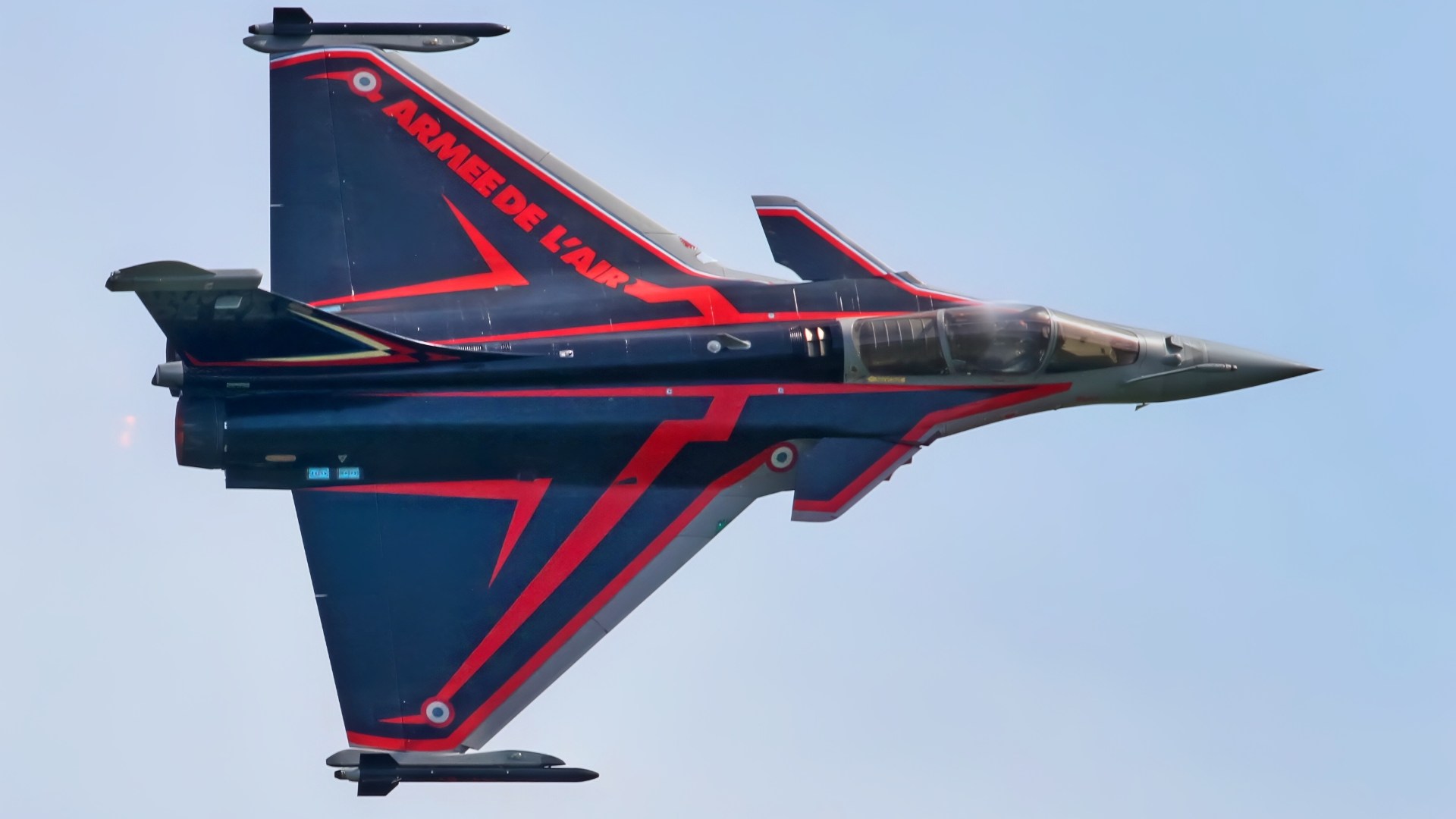
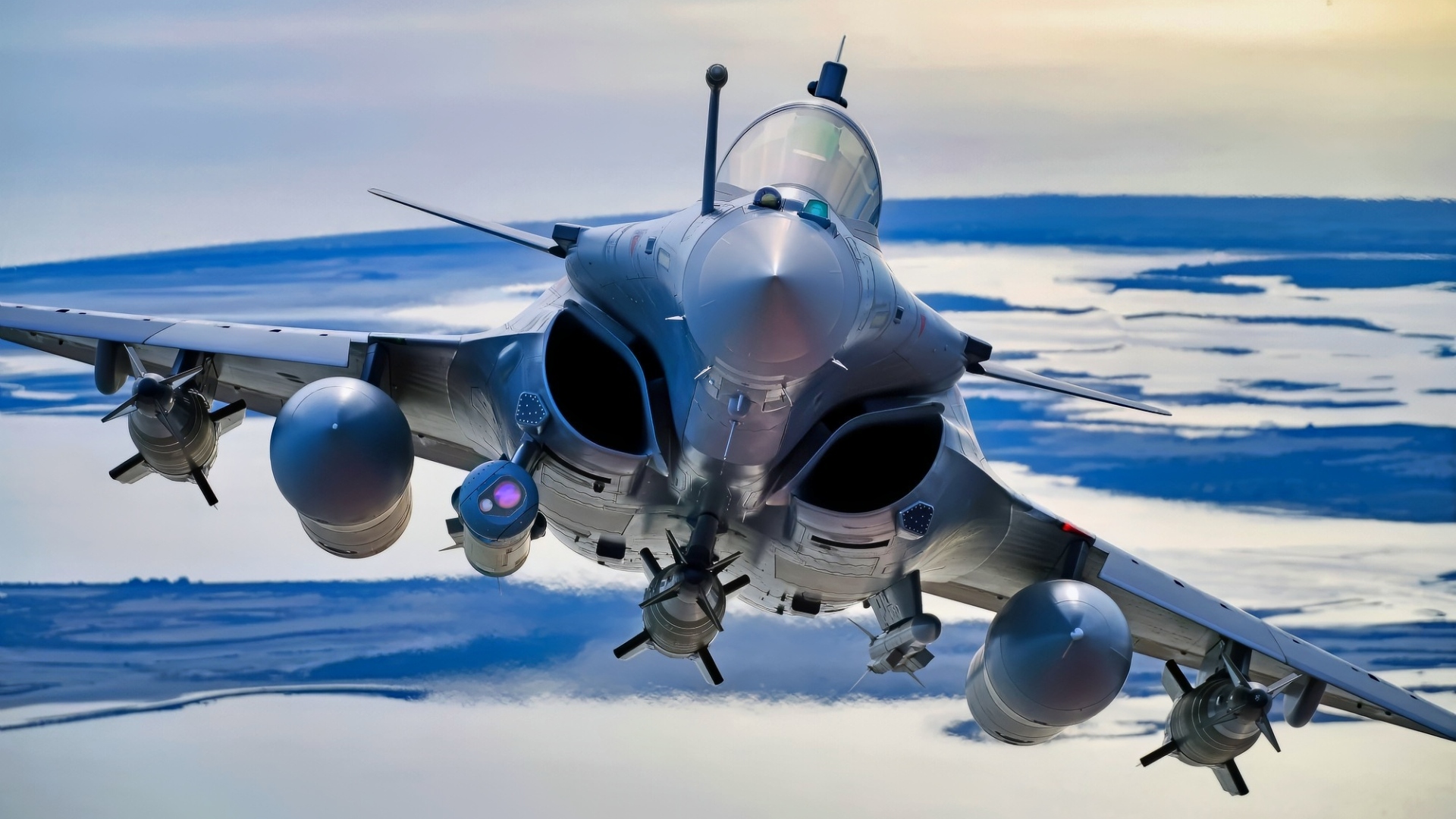
Dassault Rafale Fighter Photo Essay: The Plane That Can Destroy Drones
Dassault Rafale Fighter. Image Credit: Creative Commons.
Dassault Rafale Fighter. Image Credit: Dassault.
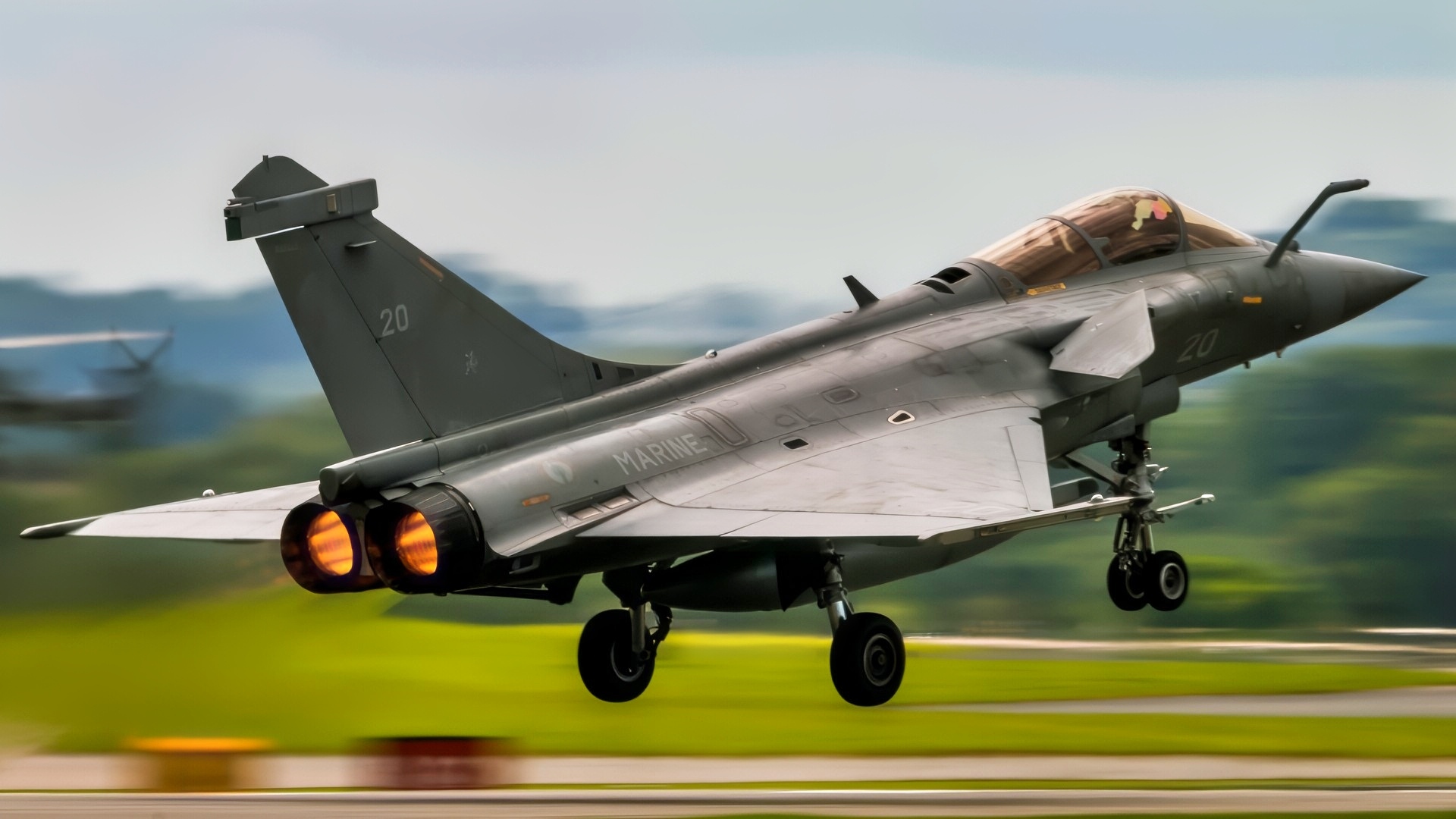
Dassault Rafale. Image Credit: Creative Commons.
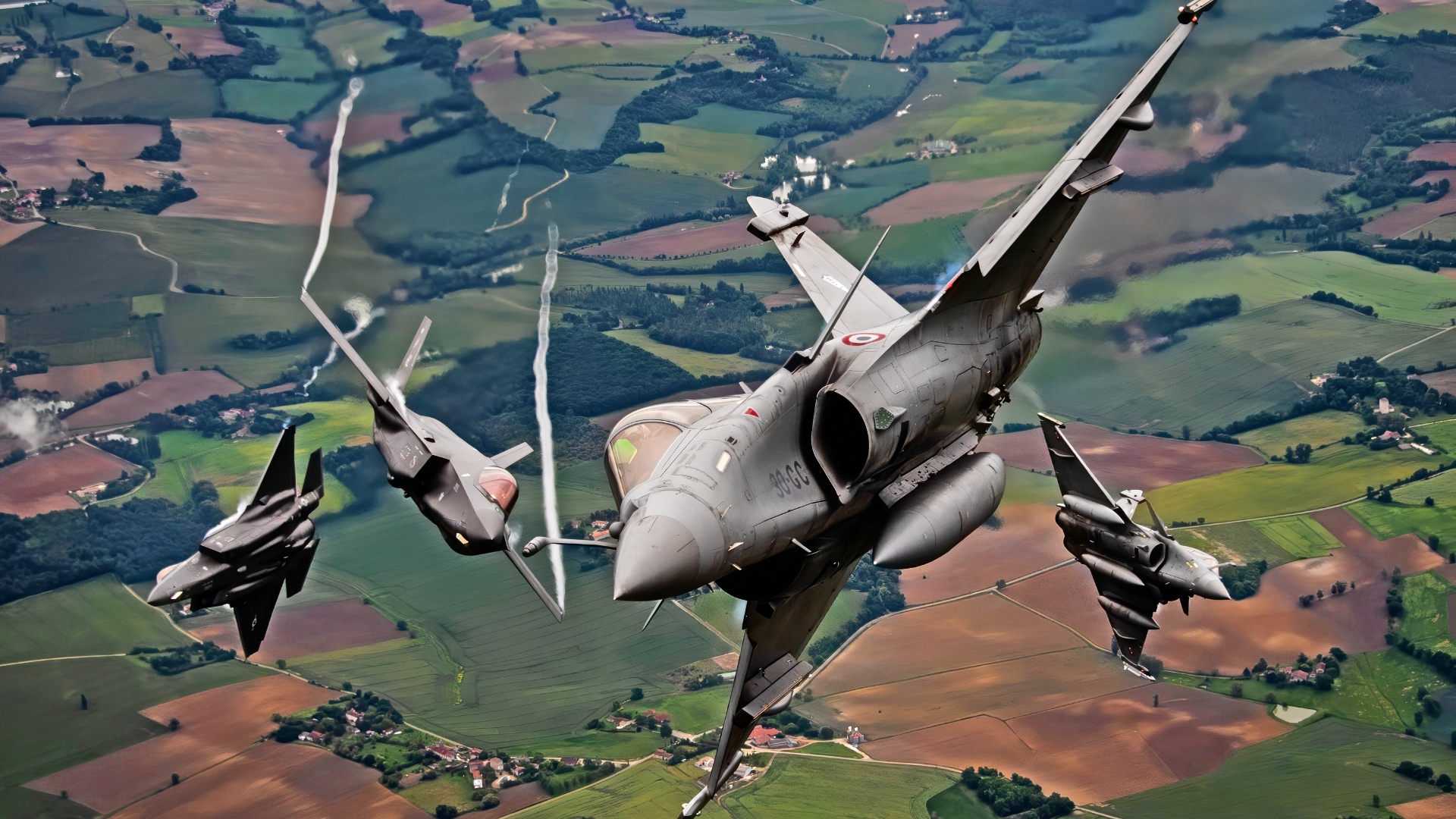
Two U.S. Air Force F-35A Lightning IIs assigned to the 4th Fighter Squadron, Hill Air Force Base, Utah, and two Dassault Rafales assigned to the 1/4 Gascogne Fighter Squadron, 113 Saint-Dizier-Robinson air base, France, break formation during flight May 18, 2021 over France. The flight was apart of the Atlantic Trident 21 exercise which is a joint, multinational exercise involving service members from the U.S., France and the U.K., and is aimed at enhancing fourth and fifth generation integration, combat readiness and fighting capabilities, through conducting complex air operations in a contested multinational joint force environment. (U.S. Air Force photo by Staff Sgt. Alexander Cook)

A joint test team including the Flight Test Division of the French Directorate General of Armaments (DGA/EV), the French Naval Aeronautics Experimentation Center (CEPA/10S), and the U.S. Navy’s Air Test and Evaluation Squadron (VX) 23 are leading flight tests that will enable the French fighter jet Dassault Rafale to aerial refuel with naval aviation’s F/A-18 Hornet and Super Hornet and EA-18G Growler. The tanker qualification partnership paves the way for an extended reach and enhanced interoperability for allied airpower. (U.S. Navy photo by Erik Hildebrandt) Erik_Hildebrandt
About the Author: Caleb Larson
Caleb Larson is an American multiformat journalist based in Berlin, Germany. His work covers the intersection of conflict and society, focusing on American foreign policy and European security. He has reported from Germany, Russia, and the United States. Most recently, he covered the war in Ukraine, reporting extensively on the war’s shifting battle lines in the Donbas and writing about its civilian and humanitarian toll. Previously, he worked as a Defense Reporter for POLITICO Europe. You can follow his latest work on X.


