

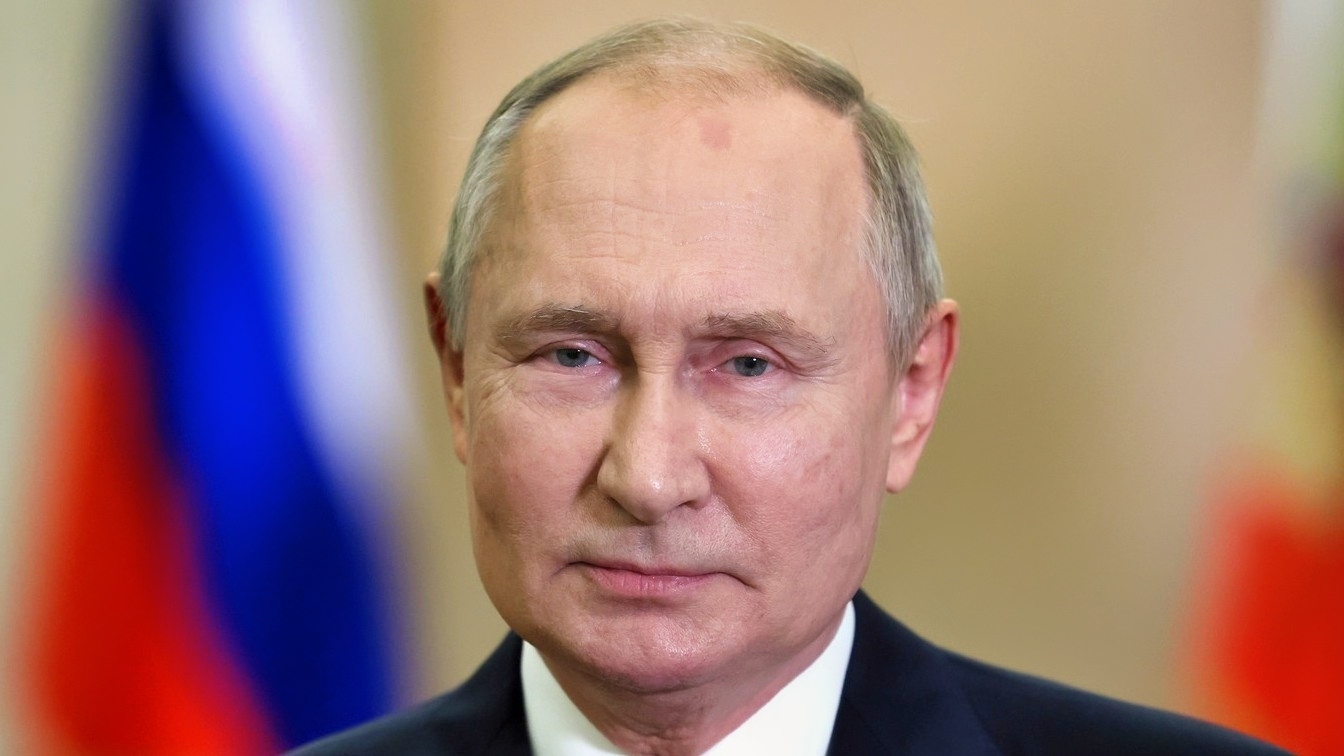
It may be premature to speak of Ukraine’s victory in the ongoing war with Vladimir Putin’s Russia, or it may not.
After all, if there’s one thing we know for sure about the conflict, it’s that the impossible or unlikely has proven to be very possible and very likely.
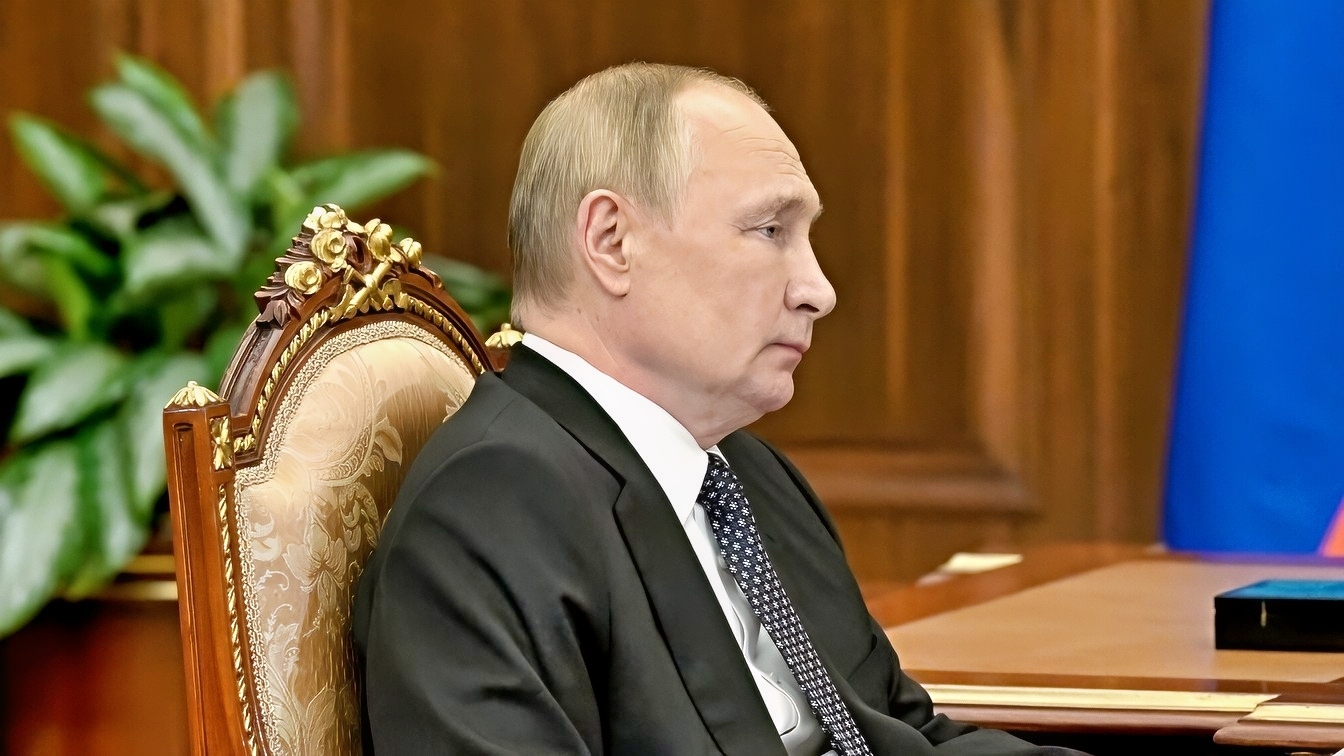
Putin Back in 2023 Creative Commons Photo
Kyiv was supposed to fall in three days, but didn’t.
Ukraine was to be occupied in three weeks, but wasn’t. The war wasn’t supposed to last four years, but it has.
In addition, all the trends in Russia are negative.
More Russian soldiers are dying than being recruited. Russia’s territorial gains are close to zero.
The economy is in trouble. Dissatisfaction with Putin is clearly on the rise.
Crimea appears to be on the verge of being cut off from mainland Russia and its occupied territories.
Were the peninsula to fall—a not inconceivable possibility—supplying the Russian troops in southern Ukraine could prove impossible.
All things considered, the Russian lines could collapse, as they did in Kharkiv province in late 2022, and the Ukrainians could achieve a breakthrough and a rout.
Yes, Ukraine Can Win
For the first time since Putin’s invasion in February 2022, such scenarios no longer represent pie-in-the-sky fantasies but are decidedly plausible, perhaps even likely.
And like it or not, the world has to develop contingency plans in case Putin and his maniacal dreams go down in flames.
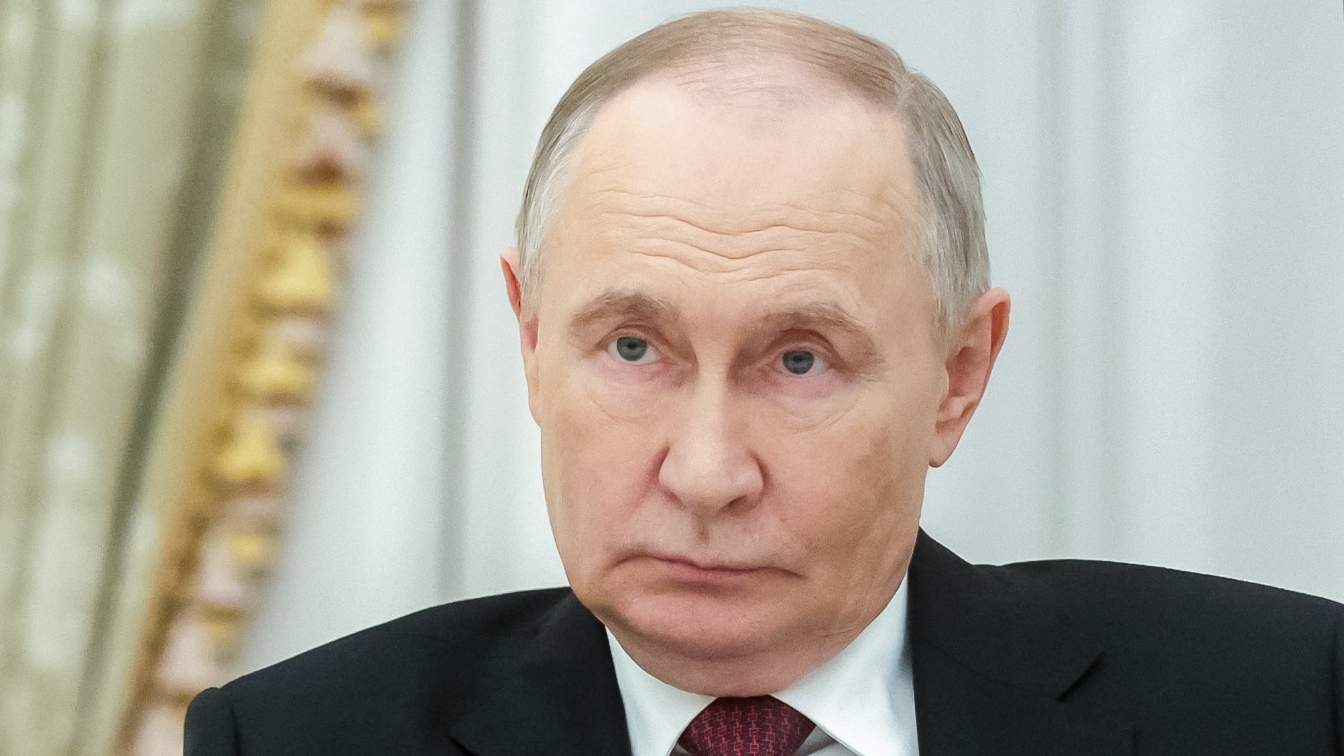
Putin Back in Late 2025 Creative Commons Photo
For starters, one needs to recognize that a Ukrainian victory (or defeat) will take place regardless of what its allies do.
One year ago, Ukraine was highly dependent on the United States and Europe. Since then, Ukraine has become an independent agent with know-how, savvy, and cards—and with the capacity to destroy the Russian economy and kill its young men.
Putin Would Be In Trouble
Second, a Ukrainian victory will spell Putin’s political and possibly physical demise.
The highly centralized regime he created will likely not survive, degenerating into a viper’s nest of competing elites.
Repression will be reduced, and Russians will breathe a sigh of relief. Russia’s many non-Russian nations, however, are likely to demand more autonomy from a crumbling center and may even opt for independence.
China will almost certainly take advantage of Russia’s weakness and seize the territories that imperial Russia stole from it in the 19th century.
The End of Russia As We Know It?
Third, the Russian Federation could conceivably disappear and be replaced by a Muscovite state centered on the territories that historically gave rise to the people that eventually came to call themselves Russian.
Muscovy will be reduced to a middle power with nuclear weapons and a devastated economy.
Fourth, Putin and his successors will be tempted to use nuclear weapons to stop the country’s collapse, but they won’t, knowing as they do that such a move would provoke a savage response from Donald Trump and Xi Jinping.
Both leaders are happy to tolerate Russia’s war crimes, but the unprovoked first use of nuclear weapons would destabilize the international system and threaten the United States and China.
What Does Victory Mean for Ukraine?
As for Ukraine, victory will be a mixed blessing, though the good will outweigh the bad.
The deaths and destruction will stop, and Ukrainians will be able to return to the quasi-normalcy of their pre-war lives.
But reconstruction will be difficult, costly, and painful. Reintegrating the people living in the occupied territories will be a project for decades.
Coping with the veterans who experienced the horrors of war won’t be easy. The good news is that Ukraine’s vigorous civil society will facilitate these goals.
Equally important, just as a post-Putin Russia will be able to rebuild its bridges to the West, so too will Ukraine stand a good chance of being admitted to the European Union and NATO, either as a full member or as an associate member.
But this time, Ukraine will not go to the West with hat in hand. Having won a war against a self-styled great power, Ukraine will be able to insist on favorable conditions. After all, it will have the cards.
How the World Will Change
The global implications of a Ukrainian victory are also worth mentioning. Democracy promotion will get a fillip. Russia will be reduced to a fraction of its size and power.
The United States will be humbled by its failure to get on the Ukrainian bandwagon in time. Europe could fill the great-power gap if it were to acquire the requisite political will.
China may come to enjoy its unipolar moment.
What can the West do to promote or restrain these scenarios? Pretty much nothing. What it can do is prepare mentally for something that may seem impossible but could prove very possible.
About the Author: Dr. Alexander Motyl, Rutgers University
Dr. Alexander Motyl is a professor of political science at Rutgers-Newark. A specialist on Ukraine, Russia, and the USSR, and on nationalism, revolutions, empires, and theory, he is the author of 10 books of nonfiction, including Pidsumky imperii (2009); Puti imperii (2004); Imperial Ends: The Decay, Collapse, and Revival of Empires (2001); Revolutions, Nations, Empires: Conceptual Limits and Theoretical Possibilities (1999); Dilemmas of Independence: Ukraine after Totalitarianism (1993); and The Turn to the Right: The Ideological Origins and Development of Ukrainian Nationalism, 1919–1929 (1980); the editor of 15 volumes, including The Encyclopedia of Nationalism (2000) and The Holodomor Reader (2012); and a contributor of dozens of articles to academic and policy journals, newspaper op-ed pages, and magazines. He also has a weekly blog, “Ukraine’s Orange Blues.”


dozy don
June 17, 2026 at 9:16 am
There ain’t no way them nazis gonna win, unless president trump personally orders USAF in Europe to intervene on their behalf.
But, it’s up to Russia to determine who should win the conflict.
If Russia wants to win, it must 1) get rid of Putin.
2) crush the nazis using tactical nukes.
When 1) & 2) are completed, the Russian people will be assured of peace at their western border for the next 500 years.
AWAY WITH PUTIN !!!
Swamplaw Yankee
June 19, 2026 at 6:53 am
The rarity of op-ed on the 1000 year old Genocide underway inside Ukraine is what?
Well, it is this article! It is by a “REAL” Ukrainian who lives inside ole Yankee + understands both divergent universes. Finally, a real Ukrainian is allowed a tiny sliver of Public space.
The Problem: other ethnics feel they have the innate need to pretend they know Ukraine. Its like reading Han articles by their intelligence agents about the USA. The Han are trapped inside the PRC and every article is full of their own Chinese origin fantasies.
Have we ever seen a single Yankee who knows so much more about Ukraine than this author? Yepper, all of them non-ukrainians know more about Ukraine, especially if they took a course in speaking RUZZKEY. Then they are all knowing!!
Jarlmudry
June 19, 2026 at 1:48 pm
Dozy, you must be smoking some powerful stuff. Crush the Nazis?
Putin merely reflects the zeitgeist of the Russian people. Getting rid of him will not change that.