

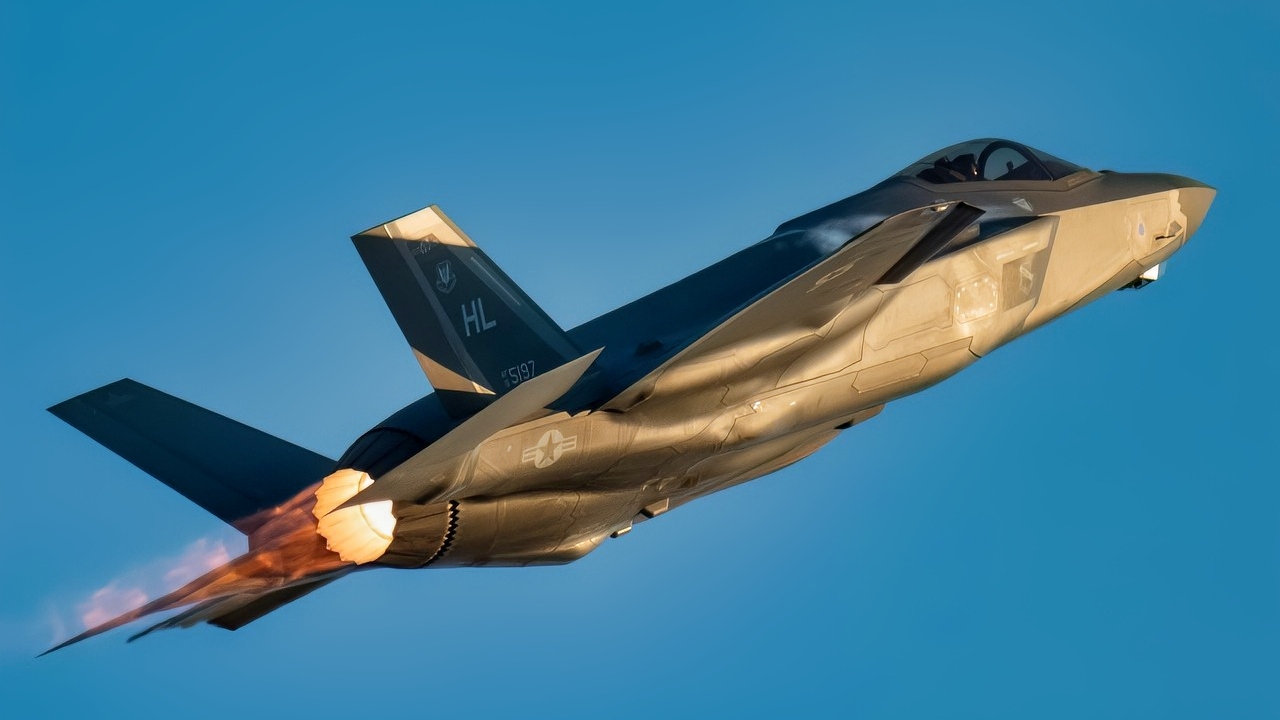
On Monday, US President Donald Trump stated that the US ceasefire with Iran was in jeopardy. The statement came after he received what he called Tehran’s “garbage” response to the latest US proposals for ending the war.
“It’s unbelievably weak,” Trump said, describing what he saw from the Iranian reply. “After reading that piece of garbage they sent, I didn’t even finish reading it…I would say the ceasefire is on massive life support.”
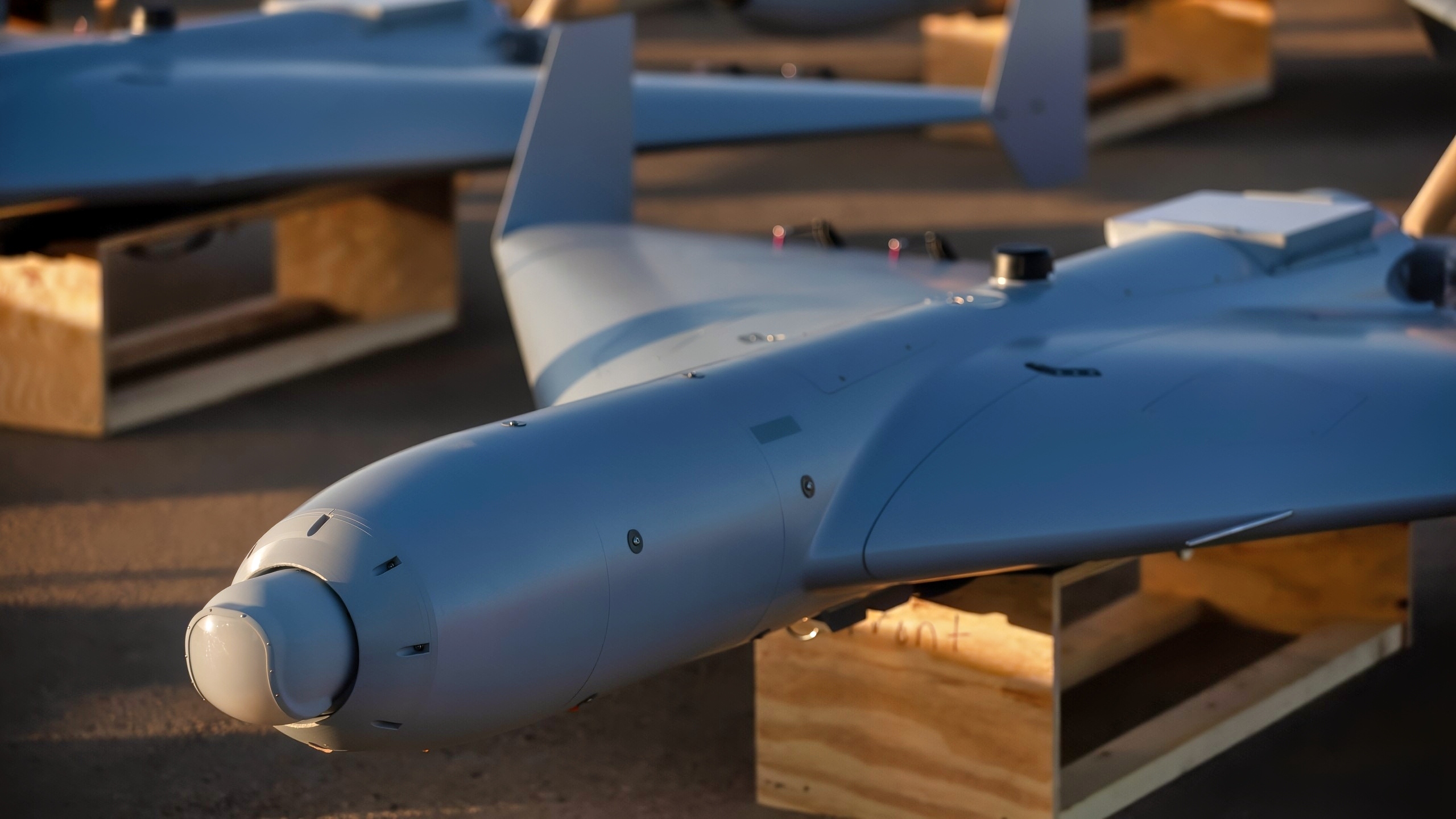
U.S. CENTRAL COMMAND AREA OF RESPONSIBILITY (Nov. 23, 2025) Low-cost Unmanned Combat Attack System (LUCAS) drones are positioned on the tarmac at a base in the U.S. Central Command operating area, Nov. 23. Costing approximately $35,000 per platform, LUCAS drones are providing U.S. forces in the Middle East low-cost, scalable capabilities to strengthen regional security and deterrence. (Courtesy Photo)
Trump made his comments one day following statements in which he dismissed the latest Iranian responses as “totally unacceptable.” His remarks also come as the ceasefire Washington reached with Tehran has been in place for more than a month, but the tenor of the language between the two suggests the possibility that hostilities could resume at any moment.
That reality had ripple effects across global markets, most notably due to changes in hostilities in this volatile region. By early Monday, oil prices began rising, and stock markets were active. Brent crude, often seen as the bellwether of global energy prices, rose more than 3 percent to $106 per barrel.
In a news conference the same day that was covered by Iranian state-run media, Foreign Ministry spokesman Esmaeil Baqaei defended Iran’s proposal to Washington as “reasonable and generous.” He then called on the US to accede to Iran’s demands: “ending the war, lifting blockades, halting maritime piracy, freeing frozen assets, and ensuring security in the Strait of Hormuz and security in Lebanon and the region.”
It seems the two sides are currently at loggerheads, with the possibility of a shooting war resuming soon. This leaves the world watching and wondering what to anticipate now.
What Happens Next in the Iran War
The question of what could happen next was posed late on Monday by the American public broadcasting network NPR to retired US Army four-star General Joseph Votel. Votel was at the helm of US Central Command between 2016 and 2019 and had the overall responsibility for counterterrorism operations in the Middle East.
The short answer is that, in the immediate future, nothing dramatic is likely to come from Iran.
This response by Tehran, he said, “indicates that Iran thinks they have a lot of space here, and that they have some leverage over us. And so, as we’ve kind of seen in the response here from them, it’s been more of a counterproposal, not an acceptance of US demands,” said Votel.
Iran’s answers to the US president are defiant and refuse to bend to Trump’s demands. It presents the face of an Iranian leadership that remains unafraid of the overwhelming American military might that has inflicted considerable devastation on their armed forces.
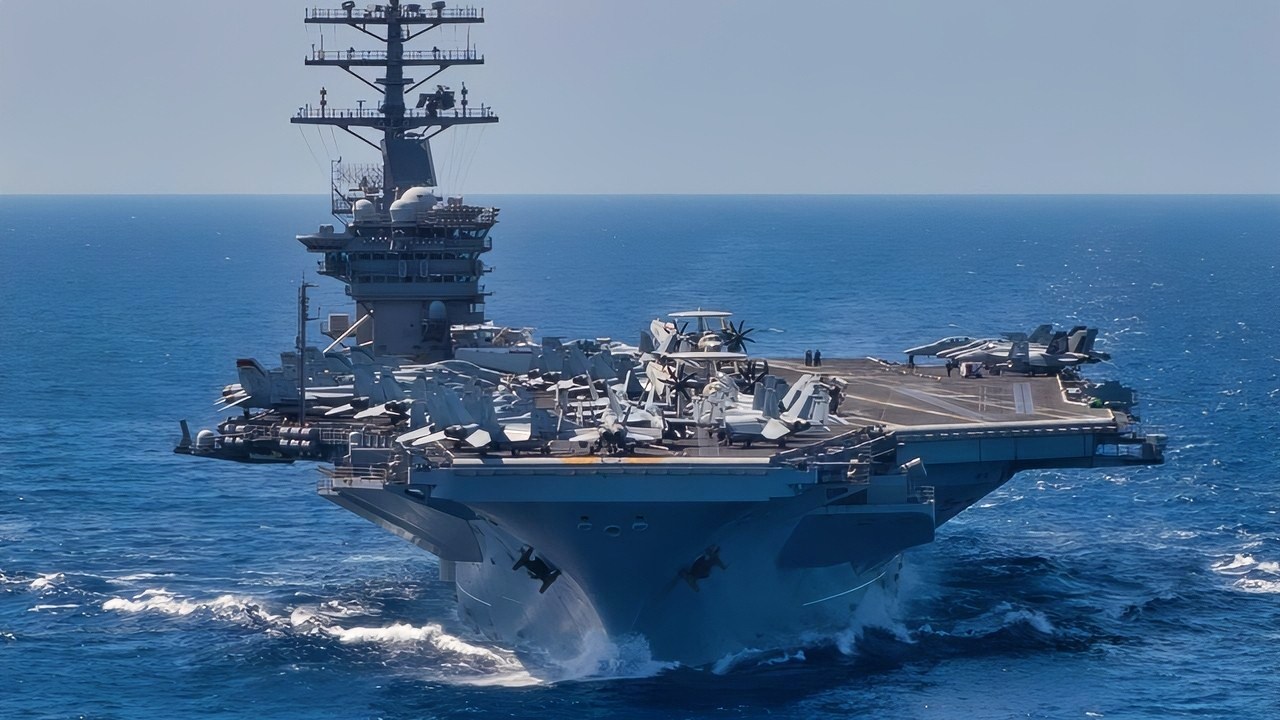
(Feb. 1, 2021) The aircraft carrier USS Nimitz (CVN 68) steams through the Indian Ocean. Nimitz is part of the Nimitz Carrier Strike Group and is deployed conducting maritime security operations and theater security cooperation efforts. (U.S. Navy photo by Mass Communication Specialist Seaman Joseph Calabrese)
To which Votel commented, “I don’t know that we should say that people weren’t expecting them. I mean, they survived an eight-year war with Iraq amidst, you know, horrendous suffering of their people – and they are survivors. And so, yeah, I think there is a certain amount of wasta that is coming with this that they think they can wait us out.”
To a certain extent, said one former US intelligence analyst who specialized in tracking the Iranian regime’s strategy vis-à-vis the US, “the mullahs seem to have adopted the same game plan as their ally Vladimir Putin.”
“Like the Russian dictator, Iran’s leadership believes they can wait us out. They see their ideology and commitment to overcoming the West as unbreakable. Democracies are all fragmented, and the differences between them can be exploited, they believe. Those differences can be exacerbated, and then one day their alliances fracture – and the Iranians are left as the last man standing.”
Could Hostilities Resume
According to the US cable news outlet CNN, some of US President Trump’s aides state he is considering a resumption of combat operations against Iran. It is also said that he is considering it more seriously than at any time since the ceasefire went into effect.
Unfortunately for the US leader, it is not an action he can take immediately due to the upcoming meeting with Chinese Communist Party General Secretary Xi Jinping in Beijing. Knowing that it is not practical for him to re-initiate a series of air strikes with this major interaction with the Chinese leader just around the corner, the Iranians are doing their best to taunt the American president.
“Mr. Trump, never imagine that by taking advantage of Iran’s current calm, you will be able to enter Beijing triumphantly,” Ali Akbar Velayati, an advisor to Iran’s supreme leader, said in a report from Iran’s Tasnim news agency.
“We defeated you on the ‘battlefield’; so never think that you will emerge victorious in diplomacy as well,” he continued.
One Middle East official who spoke to CNN said one factor prolonging the standoff is that the US and Iran are operating on different tolerances and timelines in their approach to negotiations, and that Tehran has withstood economic pressure from the West for decades.
Therefore, expectations for a resumption of the air war are considerably higher than those for a peaceful resolution at this point.
About the Author: Reuben F. Johnson
Reuben F. Johnson has thirty-six years of experience analyzing and reporting on foreign weapons systems, defense technologies, and international arms export policy. Johnson is the Director of Research at the Casimir Pulaski Foundation. He is also a survivor of the Russian invasion of Ukraine in February 2022. He worked for years in the American defense industry as a foreign technology analyst and later as a consultant for the U.S. Department of Defense, the Departments of the Navy and Air Force, and the governments of the United Kingdom and Australia. In 2022-2023, he won two consecutive awards for his defense reporting. He holds a bachelor’s degree from DePauw University and a master’s degree from Miami University in Ohio, specializing in Soviet and Russian studies. He lives in Warsaw.


