

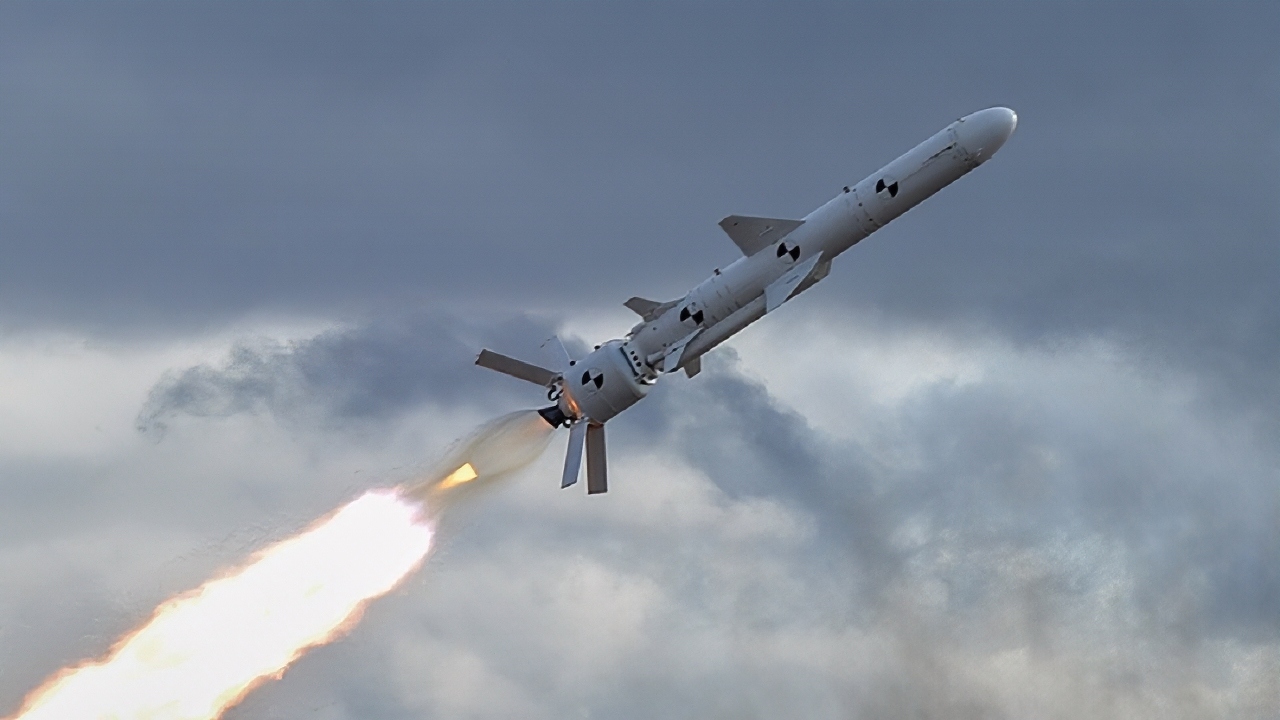
Ukraine has found Russia’s soft spot. It’s diesel, much to President Trump’s chagrin, who wants them to stop targeting the refineries.
For more than a year, Kyiv’s long-range drones have been effectively targeting and burning Russian oil refineries hundreds of miles behind the front.
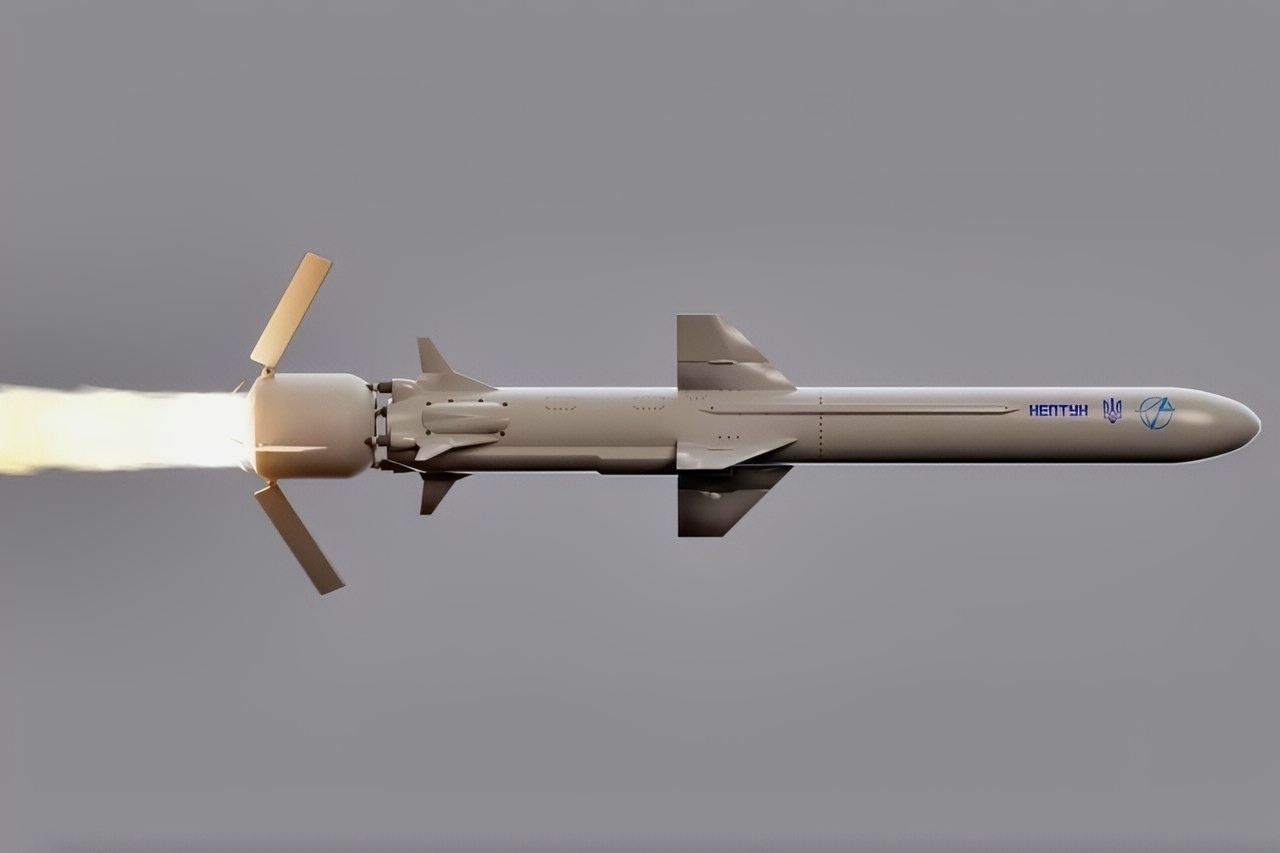
Neptune Missile. Image Credit: Government of Ukraine.
However, a new Washington Post investigation shows how surgical the campaign has become.
Ukraine’s drone operators are going after specific, hard-to-replace components inside the plants, and the result has crippled Russia’s diesel production.
It has also put Kyiv and President Zelenskyy on another collision course with the White House.
Precision Over Pyrotechnics
The Post’s analysis zeroes in on the ELOU-AVT units. The ELOU-AVT is a primary oil refining unit designed to purify crude oil and separate it into various fractions according to the enterprise’s technological standards.
Everything downstream depends on them.
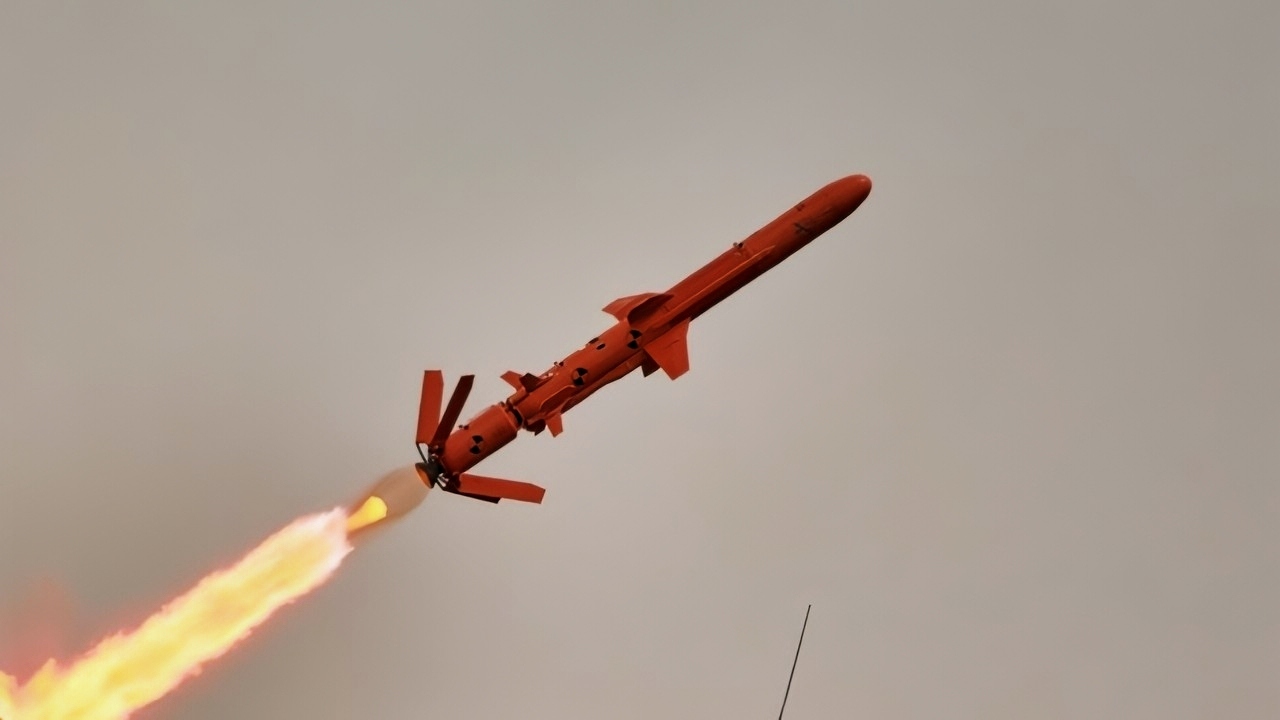
Neptune Missile from Ukraine Creative Commons Image
If the ELOU-AVT unit is disabled or destroyed, the rest of the plant is an expensive pile of pipe.
Ukraine did exactly that at Gazprom’s Salavat refinery in Bashkortostan back in September 2025, roughly 1,300 kilometers from the border.
The other favorite target is the hydrocracker.
Kpler analyst Nikhil Dubey told RFE/RL that the shift to hitting specific secondary units, the ones that strip sulfur out of the stream to make diesel, is what made the campaign bite.
Western sanctions mean Russia can’t simply order replacement parts from the companies that built much of that equipment.
So the damage persists because repair parts aren’t available.
And Ukraine keeps returning to hit the same refineries, which drags repairs out even further.
The numbers back it up. According to Kpler, at least 25 Russian refineries have been hit since August 2025, and Russian crude runs fell to roughly 3.8 million barrels per day this summer, the lowest in more than two decades.
Moscow ceased diesel exports in July and has since extended the ban. Kpler now pegs Russian refining at about 60 percent of capacity, according to Financial Times reporting.
From a targeting standpoint, this is textbook. In WWII, the OSS used the CARVER Matrix, which the US Army Special Forces also adopted.
Ukraine is using it to a T. Cheap one-way attack drones against point defenses built for aircraft and cruise missiles. That’s a good trade.
The Problem Is The Price Of Diesel
So why is Washington furious?
Because U.S. diesel crossed $6 a gallon in September, up from $3.71 a year earlier, and the midterms are three weeks out.
President Trump has repeatedly blamed Kyiv, claiming Russia’s diesel refineries are being knocked out at an alarming rate, per Ukrainska Pravda.
However, Trump stood next to Zelenskyy at the NATO summit on July 8 and said those strikes could help end the war.
It escalated quickly. U.S. envoys Steve Witkoff and Jared Kushner reportedly warned Ukrainian negotiators in Miami that the U.S. could restrict intelligence sharing if the refinery strikes continued.
On Oct. 9, Trump announced a diesel deal with Putin, and Treasury issued a license allowing transactions in Russian diesel through April 2027. A day later, he said Zelensky had better “damn well stop,” and the Post reported that Trump called for Ukraine to get a new president.
Then on Sunday, Trump declared an “energy ceasefire” on Truth Social. Zelensky said Kyiv learned about it from the media, and Ukrainian officials reported fresh Russian strikes on their energy facilities within hours.
The Trade-Off Isn’t Worth It
Russia has spent four winters trying to freeze Ukrainians in the dark by hammering their power grid.
Kyiv has offered to stop hitting refineries the moment Moscow stops hitting its electricity and heating plants.
That’s a reasonable offer.
Moscow hasn’t taken it.
The diesel deal doesn’t fix much either. CNN noted the first shipments add up to about a day and a half of U.S. demand.
As Forbes pointed out, the bigger driver of the price spike is the conflict in Iran and the restriction of oil in the Strait of Hormuz.
Licensing Russian diesel to conveniently ignore the issues in the Persian Gulf hands Putin cash for his war while barely moving the needle at the pump.
And he continues helping Iran in the very conflict that is driving up prices…you can’t make this stuff up.
However, the strikes do add pressure to an already tight global market. Pretending otherwise would be dishonest.
The real question is who pays for the relief.
Right now, Washington is asking the country being invaded to put down its most effective weapon.
Ukraine found the critical node. Washington wants it to stop, while Kyiv loses more power grids.
About the Author: Steve Balestrieri
Steve Balestrieri is a National Security Columnist. He served as a US Army Special Forces NCO and Warrant Officer. In addition to writing on defense, he covers the NFL for PatsFans.com and is a member of the Pro Football Writers of America (PFWA). His work was regularly featured in many military publications.


