
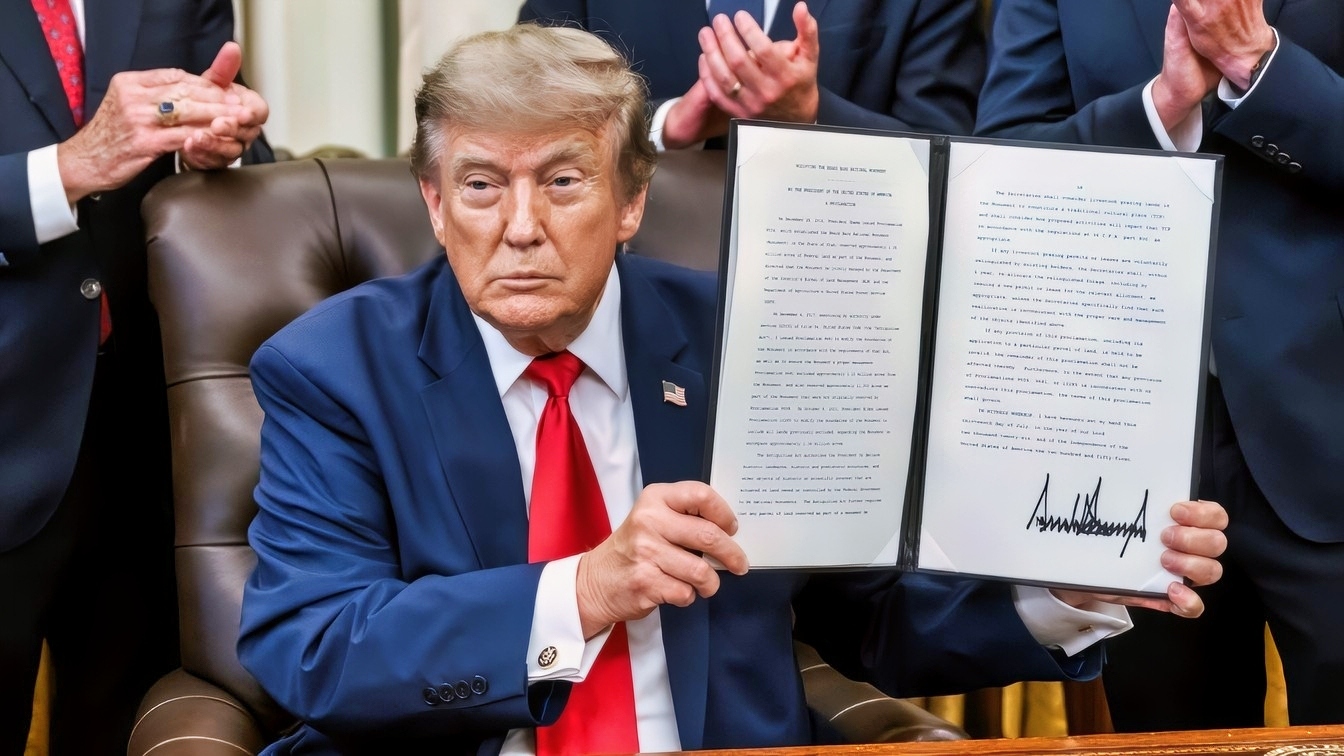
As the Republicans approach the November 3 midterm elections with every major national poll putting them at risk of losing control of at least the House of Representatives, candidates and officials are pointing their fingers at President Donald Trump.
New reports published on Monday, November 2, reveal the extent of the frustration among Republican campaign officials over the party’s poor expected performance in traditional conservative states.
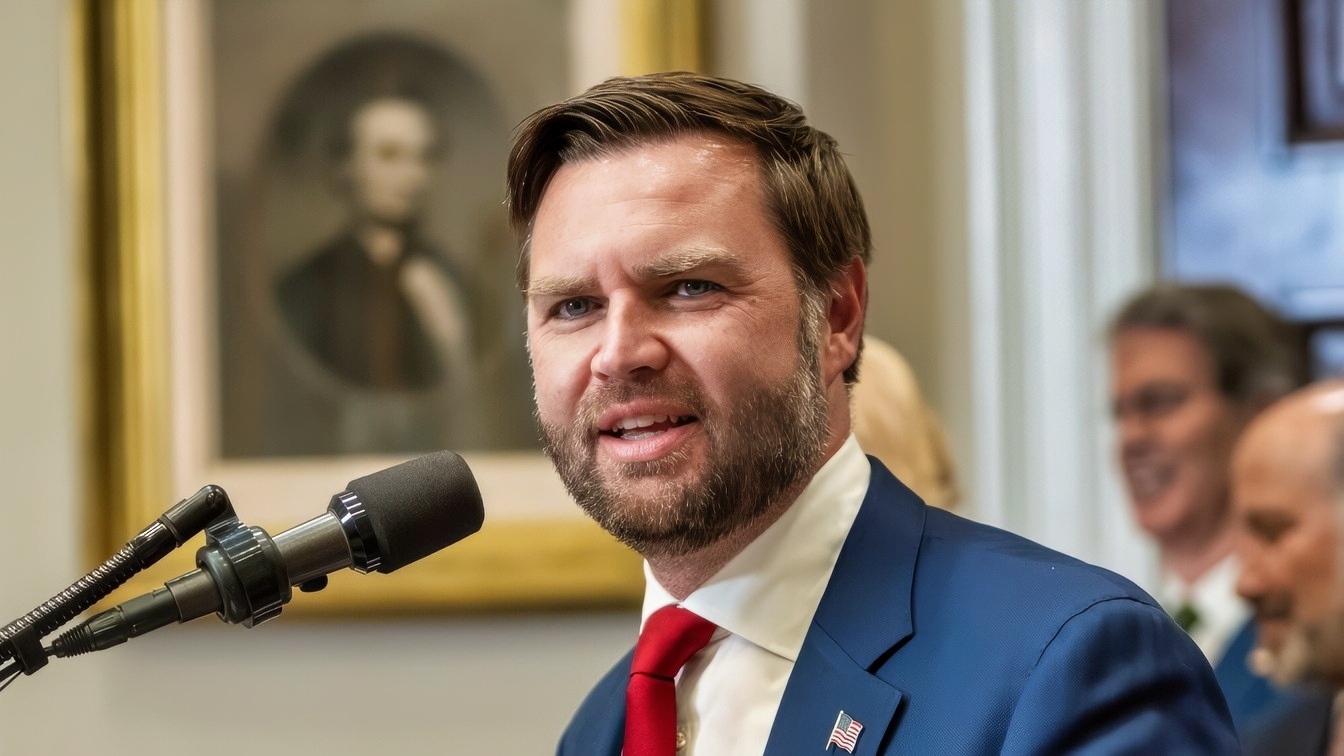
Vice President JD Vance gives remarks at a Sports Council announcement, Thursday, July 31, 2025, in the Roosevelt Room of the White House. (White House Intern Photo by Julian Casciano)
Other Republicans are even privately questioning whether the president’s policy decisions have damaged their prospects of maintaining control of Congress.
The concerns come as polls show that the Republicans will struggle to maintain control of the Senate and are set to lose states that have not elected a Democratic senator in decades.
And while Trump continues to campaign for Republican candidates, several have already publicly disagreed with his administration on issues ranging from immigration to the war with Iran, and have even refused to be seen with him.
Republicans Turn On Their Own Senate Candidates
Axios reported on November 2 that Republican campaign operatives have criticized GOP Senate candidates in Kansas, South Carolina, and Mississippi, accusing them of failing to adequately prepare for what have become very tight elections.
National Republicans reportedly spent $33 million defending Kansas, $21 million on the South Carolina campaign, and $2.4 million in Mississippi. Money has also reportedly been diverted from more competitive states that needed the help more.
One unnamed Republican operative working on several Senate campaigns blamed the problems on a wave of “arrogance” and “laziness” among incumbent candidates who underestimated their opponents’ chances.
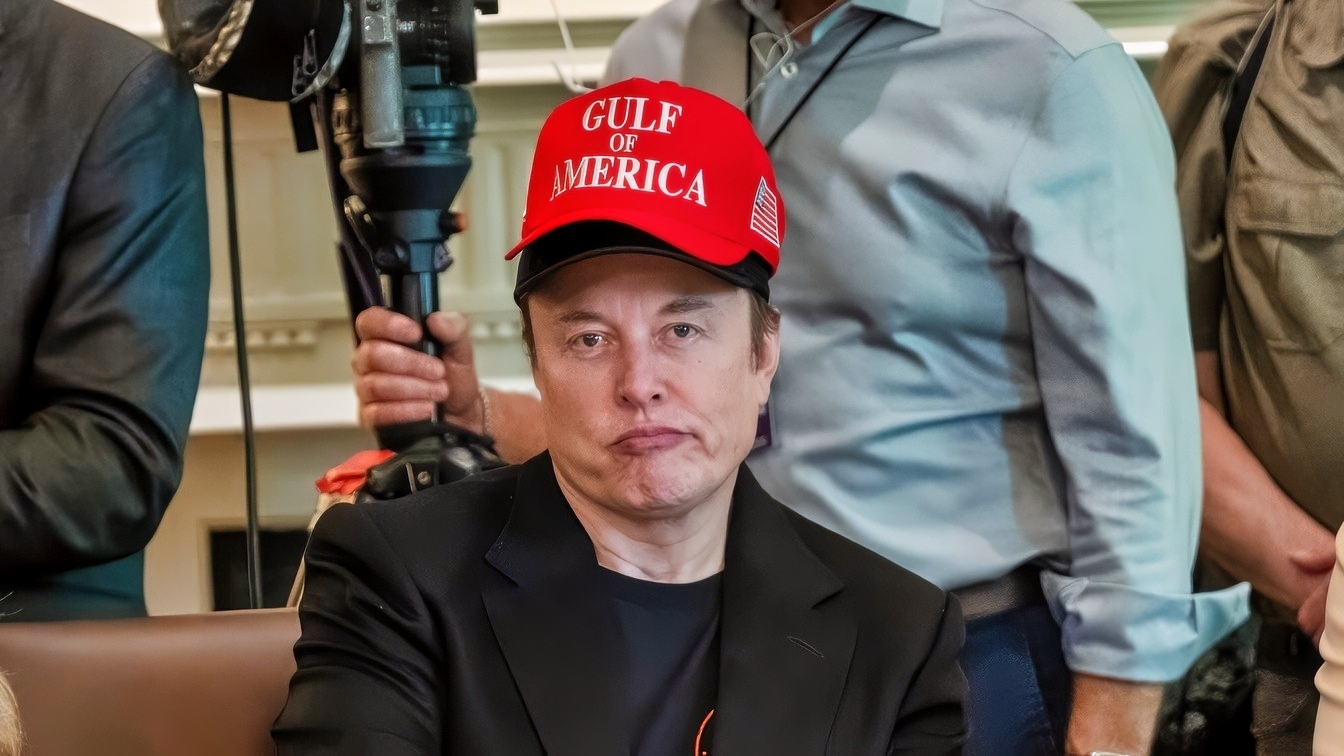
Elon Musk White House Photo
In Kansas, a historically Republican state, Republican Senator Roger Marshall has reportedly raised $7.5 million for his campaign, compared with $19 million raised by his Democratic challenger Adam Hamilton.
Over in South Carolina, there have also been reports of criticism among Republican officials, with some blaming President Donald Trump for encouraging Darline Graham to enter the race after the death of her brother, Senator Lindsey Graham.
Darline Graham has been accused of being a weak candidate who doesn’t know the issues well enough.
Republicans Privately Blame the President
There is no shortage of reports of Republicans blaming President Trump directly for their coming losses.
On November 2, Politico published its findings after conducting a series of interviews with Republican candidates, campaign officials, lawmakers, and others in the know.
The report described considerable frustration from within the party, with candidates and officials criticizing Trump’s handling of everything from the economy and immigration to, of course, foreign policy and the Iran war.
One Republican strategist connected with some of the most competitive campaigns told Politico that they believe the party may not be able to continue following the same political strategy if it suffers big losses in November.
But not all Republicans agree that the president alone should be blamed for rising prices caused by the war in Ukraine and his tariff policies.
A new Politico poll found that 29% of Republican midterm voters would blame the president if the party performs poorly, and another 30% said that they would blame the fact that President Trump himself is not on the ballot paper — indicating a belief among some GOP supporters that the president himself would still perform better than Republican candidates.
Candidates Distance Themselves From Trump
Multiple reports have also shown Republican candidates distancing themselves from President Trump.
On October 7, for example, Reuters reported that 41 of 62 Republican candidates facing competitive races had publicly disagreed with the president or reduced their association with him.
The analysis also found that 12 candidates had removed references to the president, along with his image or his endorsements, from their campaign websites.
One example is Republican Rep. Mike Lawler, who is defending his seat in a highly competitive district in New York.
Lawler’s official website contains a press release about his address to the Republican Convention in Dallas in September, quoting his public disagreements with the president.
“The truth is that the President and I don’t always agree,” he said. “And that’s ok. After all, we’re New Yorkers. We argue.”
He did, however, defend the president too.
“But, in contrast to what the media tells you, what I learned about President Trump behind closed doors is that if you’re willing to make your case and fight for what you believe in, he’s willing to listen,” he said.
Trump May Be Here to Stay
Despite the criticism, Trump is still by far the most dominant figure in the Republican Party, and may remain so for some time.
Few candidates are openly calling for a change in leadership, and even after a major defeat in November, Trump may remain central to the party and the primary decisions it makes in 2028.
For the next two years, Trump will work to preserve his legacy — and that means ending the war he started and bringing prices down before Democrats have a chance to campaign in the next presidential election on fixing the messes Trump caused.
About the Author: Jack Buckby
Jack Buckby is a British researcher and analyst specializing in defense and national security, based in New York. His work focuses on military capability, procurement, and strategic competition, and he produces and edits analysis for policy and defense audiences. He brings extensive editorial experience, with a career output spanning over 1,000 articles at National Security Journal, and has previously authored books and papers on extremism and deradicalization.


