
When U.S. and Israeli strikes on Iran began in February and prompted Iran to disrupt traffic through the Strait of Hormuz, some of the world’s leading energy analysts warned that oil prices could reach $200 per barrel.
On March 31, Fereidun Fesharaki, chairman emeritus of energy consultancy group FGE NexantECA, told Bloomberg Television that oil prices could surge to between $150 and $200 per barrel if the disruption in the Strait of Hormuz persisted for as long as eight weeks.
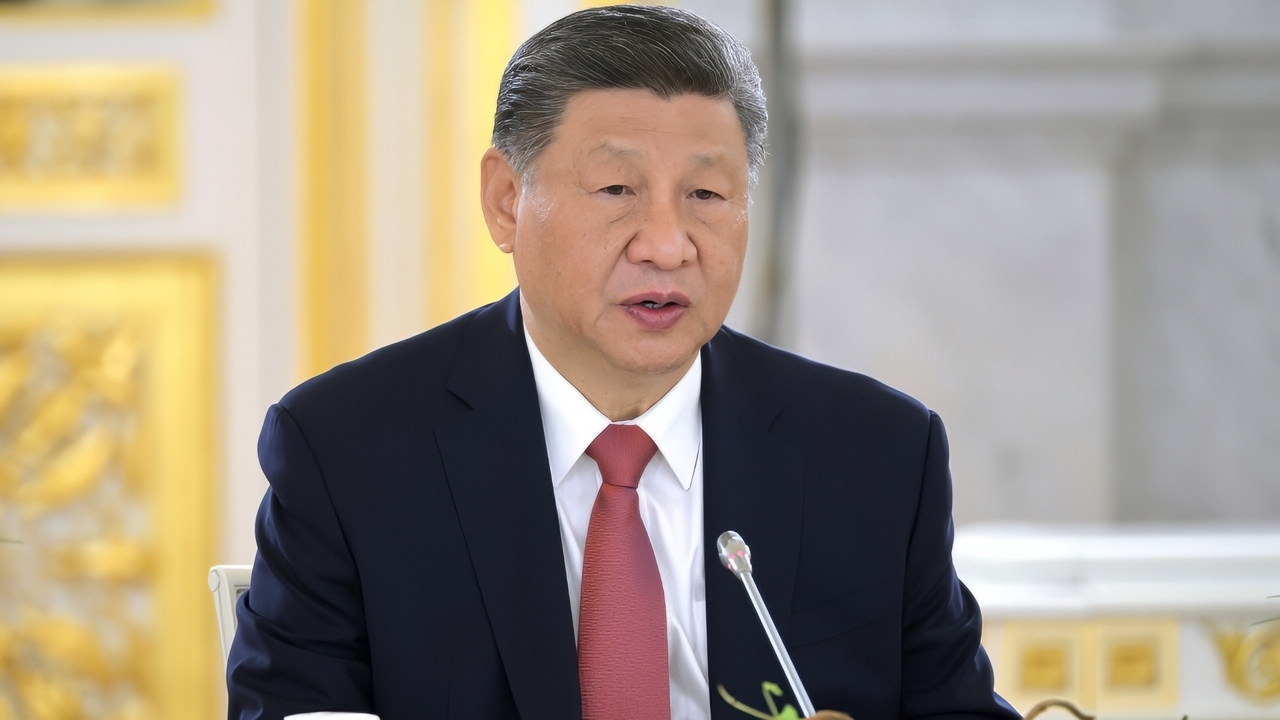
China’s Xi Jinping. Image Credit: Creative Commons.
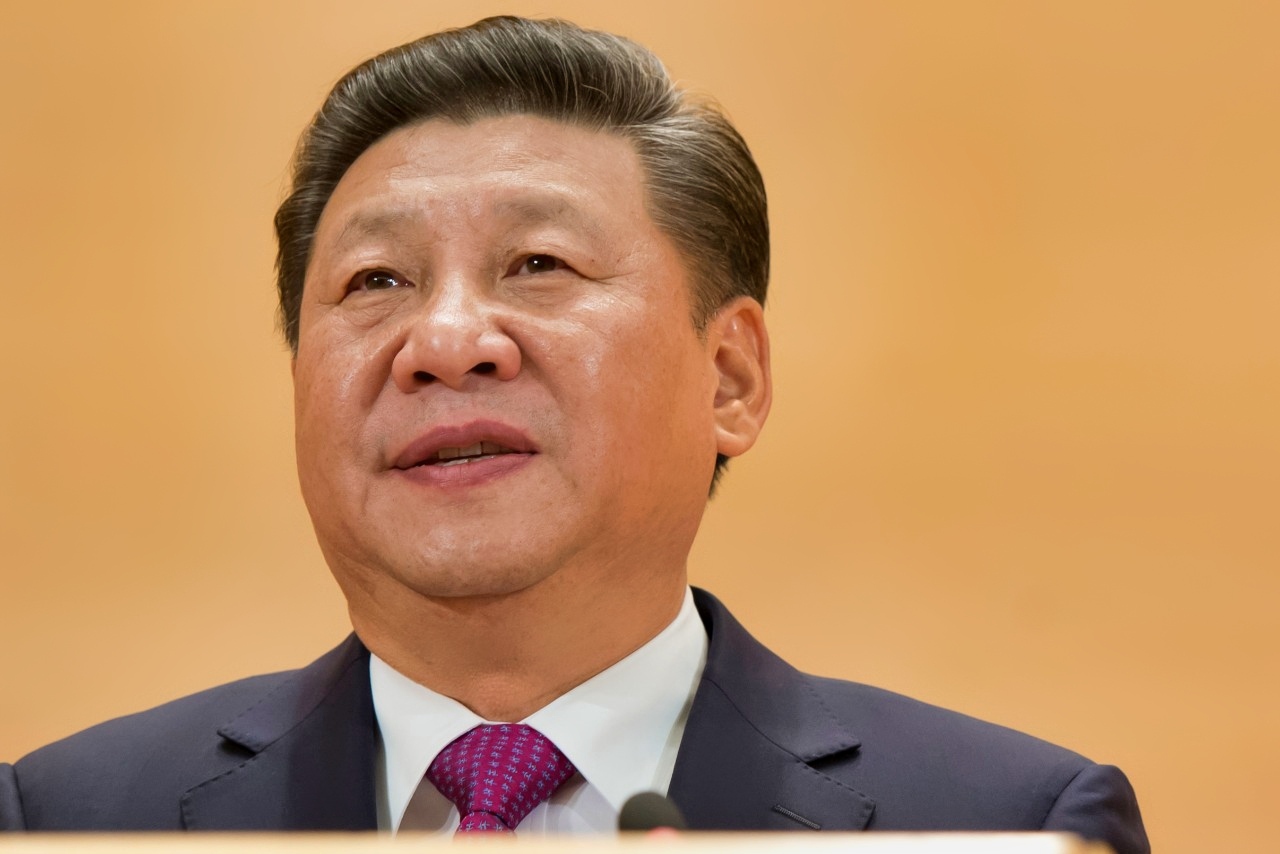
Xi Jinping, President of the People’s Republic of China, speaks at a United Nations Office in Geneva. 18 January 2017. UN Photo / Jean-Marc Ferré
The war has now reached its seventh month.
What the Analysts Said
Fesharaki also estimated at the time that around 100 million barrels were failing to reach the market every week, and warned that the cumulative losses would become “astronomical.”
Macquarie Group, an Australian bank and financial services company, also made an explicit forecast days before, stating in a March 27 research note that analysts believed oil could reach $200 per barrel if the war continued through the end of June and the Strait of Hormuz remained closed.
At the time, the bank estimated the conflict had roughly a 40% chance of lasting through the second quarter.
But prices never reached that high.
In fact, given the extent of the disruption, prices have remained surprisingly low, rising gradually and then falling again amid hopes of diplomatic breakthroughs. But this week, that changed.
Brent crude climbed back above $100 per barrel this week amid U.S. attacks on Iranian oil tankers and increasing missile strikes by Iran.
But even then, prices remain well below the levels analysts warned might be necessary if the world were forced to compete for a dramatically smaller pool of crude.
And one of the major reasons for that, according to S&P Global Ratings, is China.
China “Saved the Day”
Speaking at a conference in Singapore on Thursday, September 10, Paul Gruenwald, the global chief economist at S&P Global Ratings, suggested that China’s response to the war may have helped save the global economy — for the time being.
He argued that China prevented the “doomsday scenario” that analysts feared when traffic through Hormuz was first disrupted.
China “kind of saved the day,” Gruenwald said, explaining that Beijing significantly reduced its crude imports after the conflict began and instead began relying on its own enormous stockpiles.
And the scale of that buffer was massive, with the U.S. Energy Information Administration (EIA) estimating that China held around 1.4 billion barrels of crude in strategic and commercial inventories at the end of last year.
That stockpile allowed the rest of the world to compete for crude oil exports that China no longer needed, thereby mitigating the price hikes.
Chinese crude imports fell below 8 million barrels per day in May and June, according to the EIA. It was the first time that imports fell to such low levels since 2016.
But while China spent months using its own supply and avoiding competition for crude at steadily rising prices, signs suggest it is easing off that approach and once again bidding against buyers in Europe and elsewhere in Asia.
Chinese independent refiners have recently purchased more than 20 million barrels of oil from suppliers including Angola, the Republic of Congo, and Canada, and Kpler expects Chinese seaborne imports to rise to as much as 9 million barrels per day.
Emergency Reserves Filled the Gap Too
China played an enormous role in preventing the global economy from suffering quite as badly as it could have done, but so too did the International Energy Agency’s (IEA) coordinated release of crude from its members’ strategic reserves.
On March 11, the agency coordinated the largest release in its history of 400 million barrels of crude oil.
The United States accounts for most of the government-held crude supplies from the Americas, committing a total of 172 million barrels from the Strategic Petroleum Reserve.
Members from Oceania and Asia began to make their stocks available immediately, while European countries followed later in March.
Those releases bought the market time – but also made the U.S. and other major players more vulnerable, bringing reserves to their lowest levels in decades.
And there are no plans for another release, according to the IEA – meaning continued disruption through the Strait of Hormuz and China returning to the global market could mean prices are about to skyrocket.
China Has Another Advantage – For Now
Prices may keep going up globally, but China may fare better than Western countries – not just because of its enormous stockpile, but because it has supply routes that avoid Hormuz entirely.
While its seaborne imports collapsed soon after the war began, the EIA estimates that crude arriving in China by pipeline remained “stable.” China has also increased purchases of Russian oil, with state-owned Sinopec buying an estimated 30 to 50 cargoes of Russia’s ESPO crude for delivery between July and September.
It’s a diversification that gives Beijing another advantage for now – but there’s one hitch: Russia’s own oil crisis, with ongoing Ukrainian strikes against its infrastructure, could soon cause problems for Beijing too.
About the Author: Jack Buckby
Jack Buckby is a British researcher and analyst specializing in defense and national security, based in New York. His work focuses on military capability, procurement, and strategic competition, and he produces and edits analysis for policy and defense audiences. He brings extensive editorial experience, with a career output spanning over 1,000 articles at National Security Journal, and has previously authored books and papers on extremism and deradicalization.


