

Why the secret trip to Russia? According to multiple news outlets, the American CIA Director John Ratcliffe arrived in Moscow on Tuesday, 25 August, for previously unannounced meetings with senior Kremlin officials. Sources who spoke to CBS News also confirmed that the US Central Intelligence chief was in the Russian capital.
Reports of the CIA Director’s trip began not long after a US Air Force (USAF) Boeing C-17A Globemaster III (call sign RCH4555, tail number 07-7181) cargo lifter aircraft was seen landing at the VIP terminal of Moscow’s Vnukovo airport. The aircraft had arrived on 24 August at the airport in Riga, Latvia (RIX)– a NATO ally – and departed for the Russian capital less than 24 hours later. The arrival reportedly occurred at 1004 hours Moscow time.
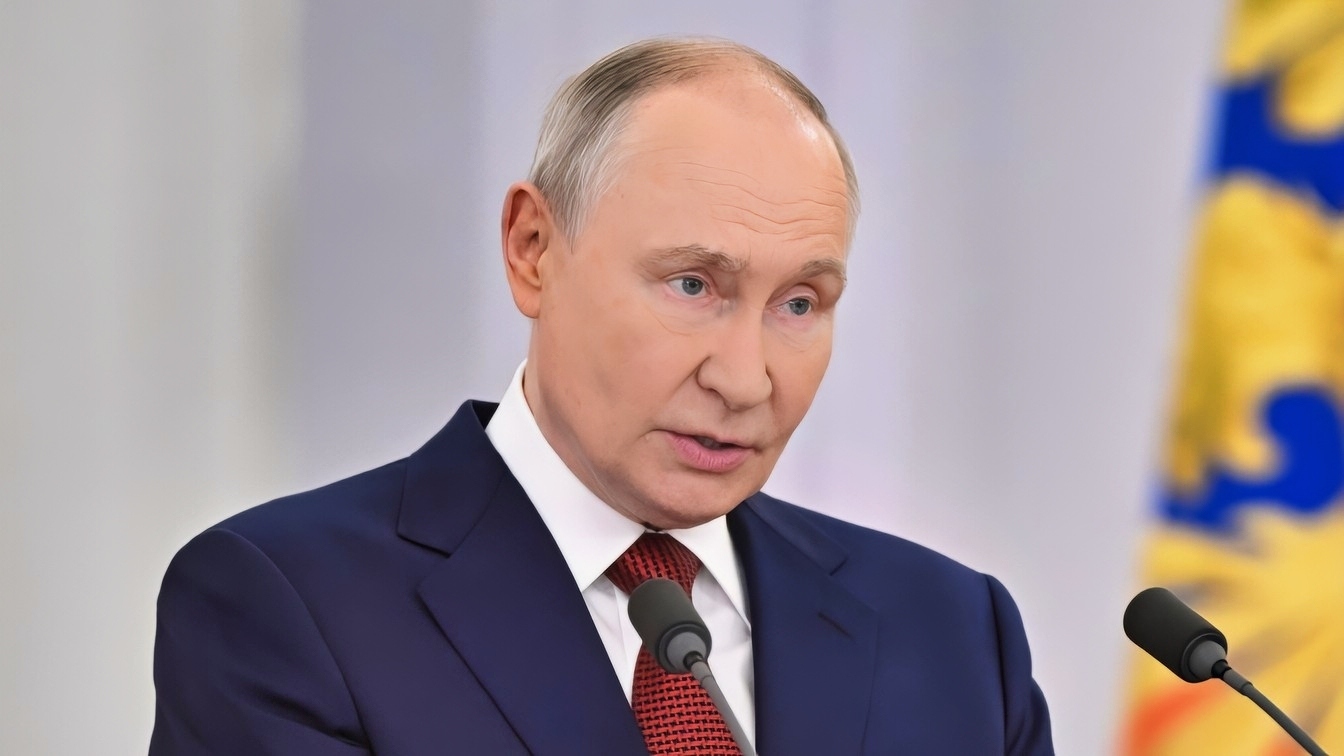
Putin in July of 2026 Creative Commons Photo
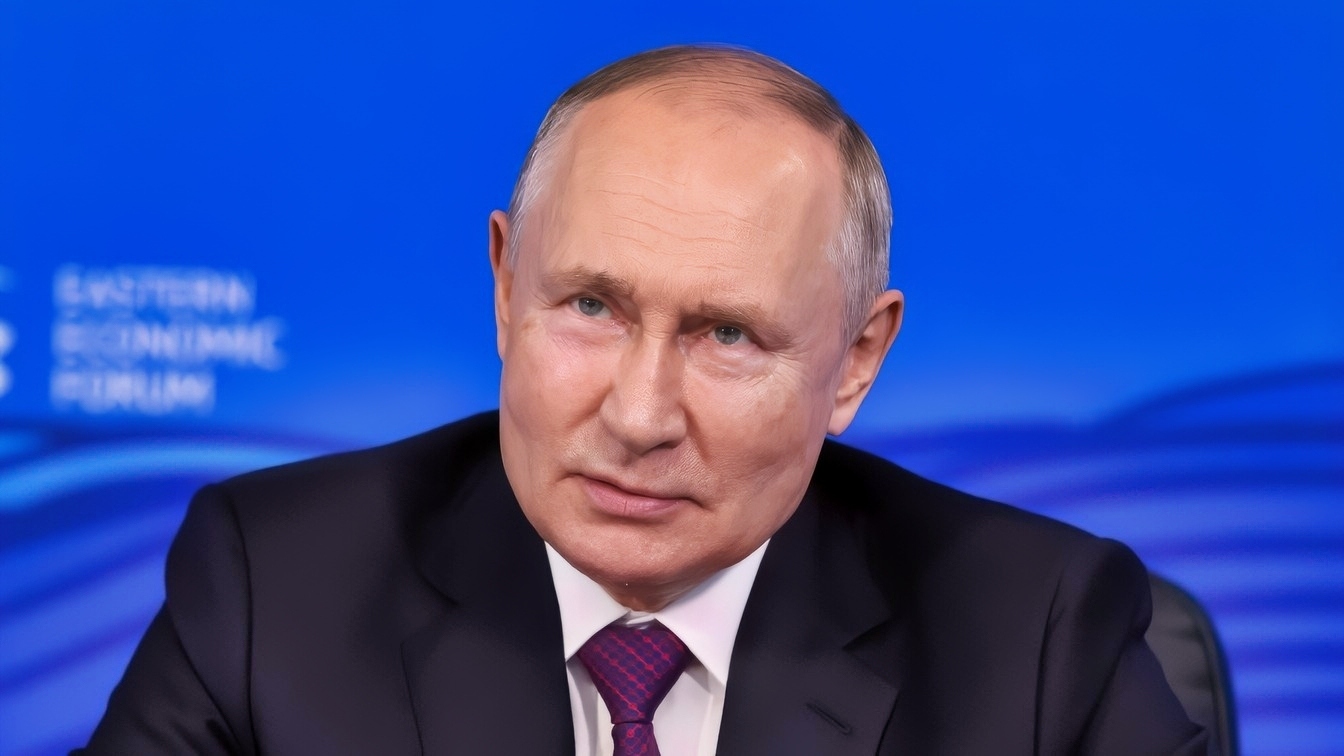
Putin in 2023 Image Credit Creative Commons
This was Ratcliffe’s first publicly revealed trip ever to Moscow. He spent only four hours interacting with the Russians before departing.
The route the aircraft flew from its initial departure before heading to Moscow is an overlooked set of movements but adds some interesting details to the story. Flight-tracking data shows the aircraft originally flying from Joint Base McGuire-Dix-Lakehurst in New Jersey to Joint Base Charleston in South Carolina on 22 August.
The next day it flew to Joint Base Andrews in Maryland, and left Andrews for Riga later that afternoon. It then sat in Latvia overnight before carrying on to Moscow on Tuesday.
Special Air Mission
Joint Base Andrews is not just an ordinary cargo stop, according to one of the flight-tracking sites that reported on this mission. It is located just outside Washington and is the base for the 89th Airlift Wing, which runs the USAF Special Air Mission fleet. This is the USAF unit that normally transports the president, the vice president, cabinet officials, and visiting foreign dignitaries.
Andrews is also where the USAF stores and preps the Roll-On Conference Capsule (ROCC) that was just unveiled this past March. This is a self-contained travel pod module that can be loaded into a C-17. It is mounted in the center of the cargo bay and provides senior officials secure spaces in which to work.
The capsule functions as an all-in-one mobile secure facility, office, and sleeping quarters and is equipped with encrypted voice, data, and video links. It replaces an older module built from a converted Airstream trailer, nicknamed the Silver Bullet.
Another military transport aircraft, a USAF C-40 Clipper, is also reported to have traveled from Camp Springs to Riga on Sunday. However, no tracking information was available for this aircraft after its arrival in Latvia.
After the C-17’s arrival in Moscow, a US diplomatic motorcade drove up to meet the aircraft on the airport tarmac. Later in the morning, a convoy of US Government vehicles was seen on the streets of Moscow. This has sparked speculation as to what the arrival of the aircraft – as well as what appeared to be additional vehicles flown in from the US – signaled was occurring between the US and Russian Governments.
The entire sequence of events has all the earmarks of a special air mission organized on short notice. If so, it was prompted by a pressing matter requiring immediate attention that could not be handled through regular diplomatic channels.
The arrival of the military transport and these related sightings become even more curious with the news that the Russian Government refused to comment on the identity of any of the US officials who had made the journey, or the purpose of their visit. When asked for specifics, Kremlin spokesman Dmitry Peskov told reporters on Tuesday there were no planned meetings with US administration officials in Moscow for this entire week. When asked a follow-up question, he replied in Russian that he would not elaborate on this information.
Likely Scenarios
There has been no official comment from either side, but given increasingly provocative Russian behavior of late, there is a laundry list of items that could have prompted an unscheduled visit from one of America’s most senior intelligence officials.
The CIA and other US agencies told The Wall Street Journal (WSJ) earlier in the month that Russia could launch a “limited” attack on NATO’s eastern European edge as soon as this autumn. Scenarios include either an attack on the Baltic states or Poland.
Another is an increase in the intensity of Moscow’s hybrid warfare operations, according to reports that were leaked to US media.
Another possibility is that the US is issuing a warning to Moscow regarding the targeting data it has been confirmed to be providing to Tehran. This is intelligence and satellite imagery that the Iranian military uses to target US bases in the Middle East and kill US servicemen.
The darkest potential cause is that the US has now assessed that Russian President Vladimir Putin is preparing to hit Ukraine with a tactical nuclear weapon. When asked what might be afoot, Beth Sanner, the former US Deputy Director of National Intelligence for Mission Integration, had no specific insight. She did tell the WSJ that Ratcliffe’s message to former KGB Lt. Col. Putin might be “We know what you are thinking about doing, and you had better not.”
Though he has political enemies, Ratcliffe has a solid reputation among experienced intelligence officials who support him. They describe him as “hard, but careful.” If he has been chosen as the messenger for this task, it means there is an issue with the Russians that is so urgent it goes well beyond the category of “business as usual.”
About the Author: Reuben F. Johnson
Reuben F. Johnson has thirty-six years of experience analyzing and reporting on foreign weapons systems, defense technologies, and international arms export policy. Johnson is the Director of Research at the Casimir Pulaski Foundation. He is also a survivor of the Russian invasion of Ukraine in February 2022. He worked for years in the American defense industry as a foreign technology analyst and later as a consultant for the U.S. Department of Defense, the Departments of the Navy and Air Force, and the governments of the United Kingdom and Australia. In 2022-2023, he won two awards in a row for his defense reporting. He holds a bachelor’s degree from DePauw University and a master’s degree from Miami University in Ohio, specializing in Soviet and Russian studies. He lives in Warsaw.


