


Key Points and Summary – Washington’s sixth-gen F/A-XX is meant to give carrier wings the range, stealth, and CCA “loyal wingman” control they’ll need against Chinese A2/AD—but the jet could be cut as budgets prioritize the USAF’s F-47 NGAD and B-21 production.
-If that happens, the Navy faces aging Super Hornets and shrinking reach, even with MQ-25 tanking.
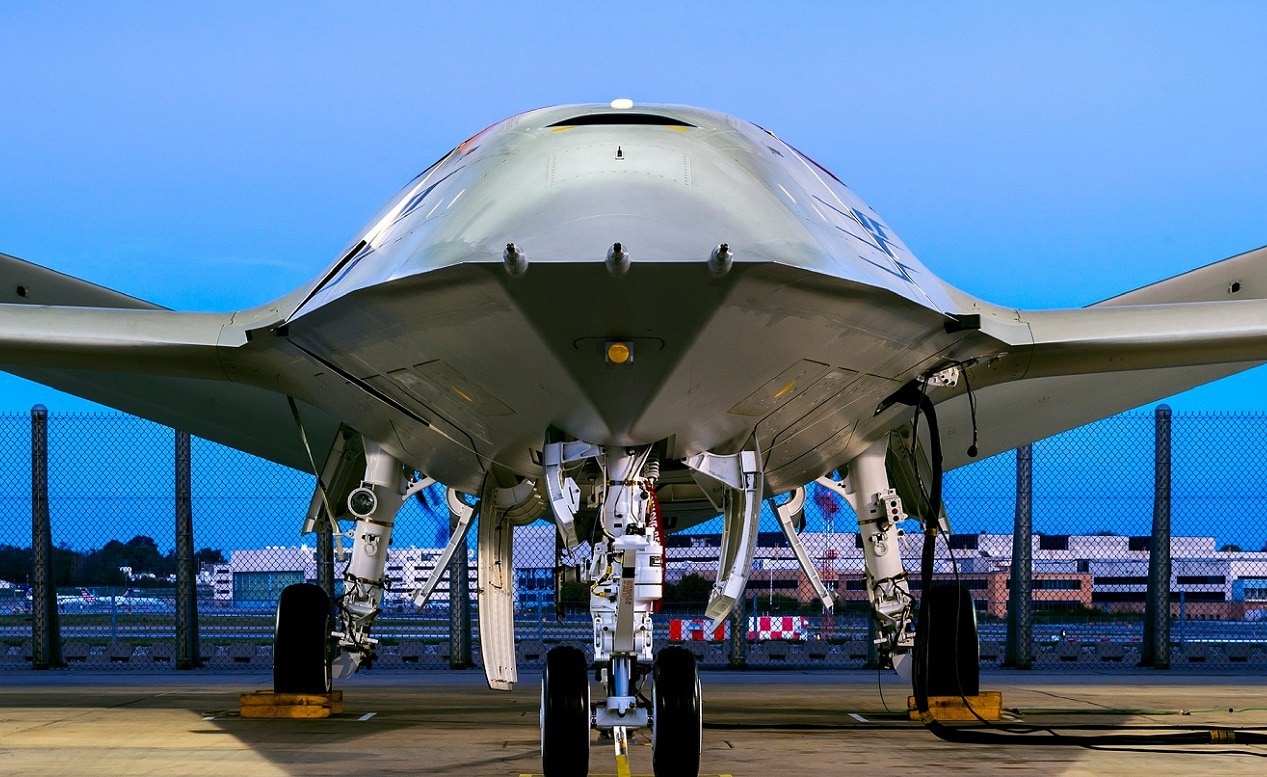
Image Credit: Creative Commons.
-One smart ‘plan b’ workaround: navalize NGAD—folding wings, beefed gear, corrosion hardening—and spin a tri-variant family (Air Force, carrier, STOVL for Marines), as with the F-35.
-That path preserves carrier relevance, adds nuclear/hypersonic options, and keeps pace with China’s J-20/J-35 and proposed sixth-gen designs while containing cost and risk.
What Can the Navy Do if the F/A-XX Fighter Is Cancelled?
The U.S Navy needs the sixth-generation F/A-XX jet. The fighter/attack aircraft would answer many of the needs of future naval warfare. It would be ultra-stealthy and have a top speed approaching Mach 3.
It could be nuclear-capable, with hypersonic weapons. The F/A-XX could also use manned-unmanned teaming with flights of loyal wingman drones to increase situational awareness and deliver more firepower.
Is There a Way to Build Both the F-47 NGAD and the F/A-XX?
But the plane might never arrive. The F/A-XX would be expensive – it would suck money and resources away from the F-47 and could also leave the Air Force unable to build enough desperately needed B-21 Raider stealth bombers.
The Super Hornet Needs a Replacement
If the F/A-XX is canceled, the U.S. Navy will be left holding a short stick. Carrier air wings will still have the stealth F-35C Lightning II, but the F/A-18 E/F Super Hornet is getting outdated and needs to be replaced. Plus, carrier operations require the extended range that the F/A-XX can provide.

Boeing NGAD F/A-XX Fighter Rendering. Image Credit: Boeing.

F/A-XX Handout Photo from Northrop Grumman.
The sixth-generation warbird would also have a greater combat radius due to a new drone aerial tanker, the MQ-25 Stingray.
More Combat Range is Needed for Naval Fighter Jets
Naval aviation requires more range from its fighter jets so that carrier strike groups (CSGs) may sail outside the combat radius of Chinese and Russian anti-ship missiles. The Aegis Combat System missile screen may not be able to ward off an attack from carrier-killing cruise and ballistic missiles, making the East and South China Seas dangerous areas for CSGs.
The F/A-XX could fix that conundrum by boosting operational reach and tactical prowess. The aircraft carrier would be a much more survivable platform with this airplane launching and landing from its deck.
There Is a Different and More Creative Path Forward
If the F/A-XX gets cancelled, what will the Navy do? One solution I foresee is to simply focus on the F-47, developing a naval version of this future fighter. This would require heavier landing gear, folded wings, and perhaps lighter overall weight. But the U.S. military could become more lethal with land-based and carrier-based F-47s.
Give Every Branch a New Next-Generation Fighter
The above approach worked for the F-35 program. It was painful and expensive to build three versions of the Joint Strike Fighter, but it finally worked. The Air Force, Marine Corps, and Navy all have specialized F-35 fighters to meet their mission needs.
The U.S. should do the same with the F-47. There could even be a “jump jet” short take-off and vertical landing model for the Marines’ use.
Naval aviation would be satisfied, the Air Force would get its prized new sixth-generation fighter, and the Navy and Marine Corps would have ultra-stealthy, extremely fast, highly maneuverable new planes.
Without a sixth-generation fighter, carrier operations will suffer in the next 20 years, and flat-tops could become obsolete altogether. I have written about how the Navy could stop sailing carriers, but the options are not satisfactory. The maritime branch could build more submarines and sea drones, but the ability to project power anytime, anyplace would be greatly curtailed.
Ford-class carriers are starting to come online, but they will need new fighter jets to remain relevant.
The Super Hornet has been a great airplane, but it will not be able to serve for two more decades. The Navy also needs a fighter that can deliver nuclear-tipped hypersonic missiles, accompanied by a flight of drones to facilitate that task.
China Is Forging Ahead As Usual
Remember, China gets a vote in this fight. They are forging ahead, building more of their J-20 and J-35 airplanes, which could threaten a carrier. The Chinese look to the future with a pair of proposed sixth-generation aircraft, the J-36 and J-50. The Navy must keep up if it is to remain a power in the Indo-Pacific.
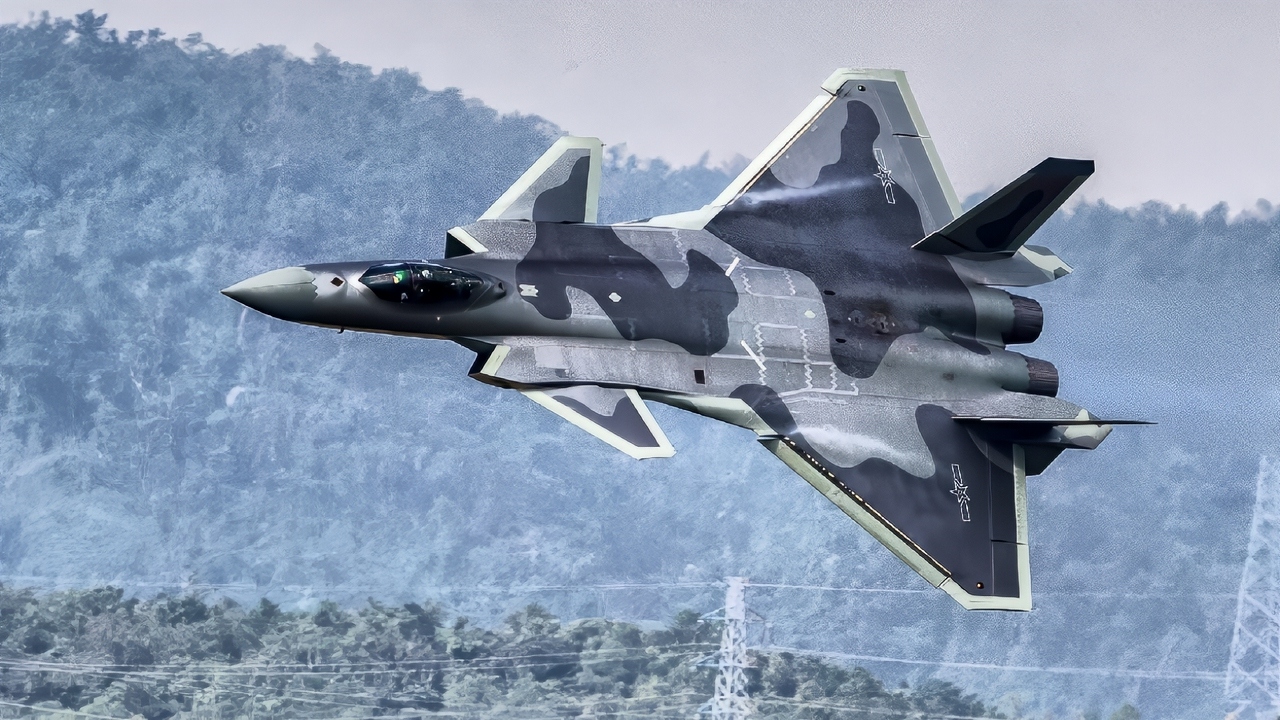
J-20 Fighter from China Flying High. Image Credit: Creative Commons.
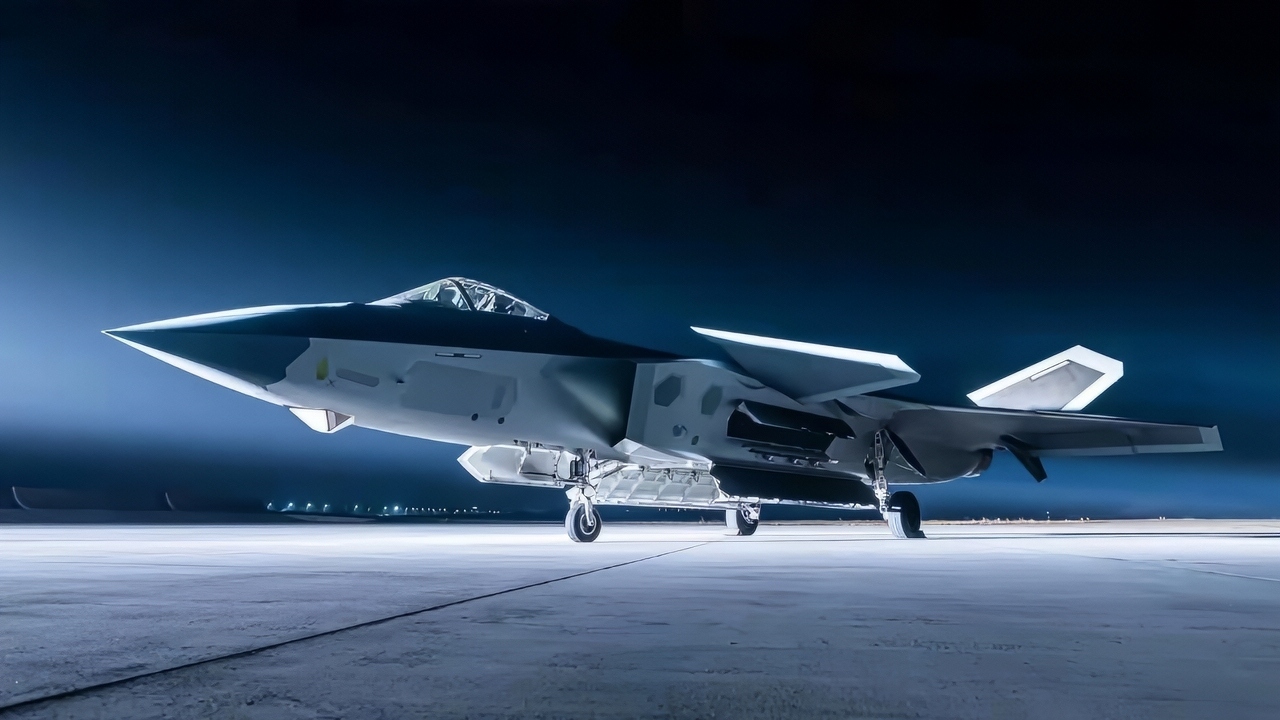
China J-20 Fighter. Image Credit: Chinese Air Force.
This is why my idea to make three versions of the F-47 NGAD may work. It would bring the Navy and Marine Corps into sixth-generation flight. It would ultimately save money, while giving naval and Marine aviators a big boost in capability.
Sixth-generation flight is a must for all service branches that fly fighter jets. The United States must keep up with China, which seems to have no problem developing two new next-generation fighters. An American carrier could become outdated without the F/A-XX.
About the Author: Brent M. Eastwood
Brent M. Eastwood, PhD is the author of Don’t Turn Your Back On the World: a Conservative Foreign Policy and Humans, Machines, and Data: Future Trends in Warfare plus two other books. Brent was the founder and CEO of a tech firm that predicted world events using artificial intelligence. He served as a legislative fellow for US Senator Tim Scott and advised the senator on defense and foreign policy issues. He has taught at American University, George Washington University, and George Mason University. Brent is a former US Army Infantry officer. He can be followed on X @BMEastwood.
More Military
China’s New J-20A vs. F-35: Will the ‘Dragon’ Beat America’s Best Fighter?
Su-57 Felon vs. Navy F/A-18 Super Hornet: Who Wins That?
F-15EX Eagle II vs. Eurofighter Typhoon: Get the Popcorn Ready


