
How Long Until Putin Is Presiding Over A Ruined Economy and Country?: Russia is evidently taking advantage of Ukraine’s Patriot interceptor shortage, proving that without the air defenses it needs, Ukraine is still vulnerable to Russian ballistic missiles. Moscow appears to believe that exploiting that shortage right now could be enough to force Kyiv back into a defensive position and reduce its ability to strike back.
But almost every night, Ukrainian drones are still reaching deep inside Russia and successfully hitting oil infrastructure, warehouses, airports, railways, military facilities, logistics hubs, and more, hundreds or even thousands of miles away from the front.
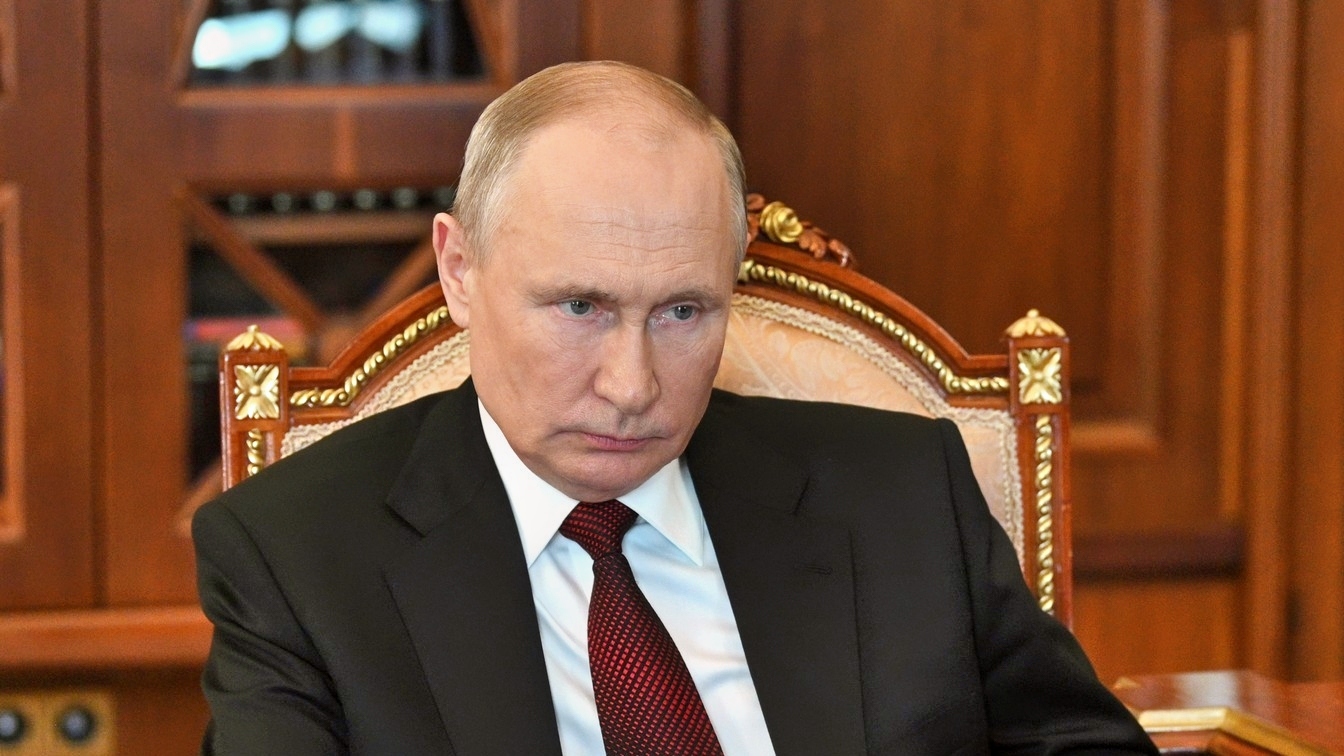
Putin in a meeting. Image Credit: Kremlin.
It creates a sort of paradox: Russia can still devastate Ukrainian cities, but Ukraine is steadily raising the economic cost of the war inside Russia itself. It raises the question of just how long Putin can continue fighting a war like this, but also how long he can remain in power while presiding over a country that grows steadily poorer because of a war that shows no sign of ending.
Pressure Is Building Inside Russia
A weekly survey published on July 17 by the Russian state-linked Public Opinion Foundation (FOM), one of the Kremlin’s most closely watched pollsters, showed Putin’s approval rating dropping from 71% to 66% in just one week. Analyses of the polling suggest it was the steepest weekly decline recorded since the partial mobilization of soldiers in 2022. Public trust in Putin also slipped to 67%, while Russia’s worsening fuel shortages across the country appeared to be one of the biggest drivers of growing public concern.
The figures are significant precisely because they come from a pollster that is closely aligned with the Russian state – and Moscow has no reason to believe the data isn’t accurate. Independent surveys often report lower levels of support, but when even Kremlin-linked polling records such a sharp decline, it suggests dissatisfaction has become difficult to conceal.
Russia’s independent Levada Center has also published similarly troubling data in recent weeks and months, with its polling showing increasing support for peace negotiations and falling consumer confidence. Russian citizens and businesses, it seems, are becoming more aware of the economic problems being caused by Ukrainian strikes and, indeed, by Moscow’s efforts to seize control of the Donbas, in the form of higher taxes and a worsening business environment.
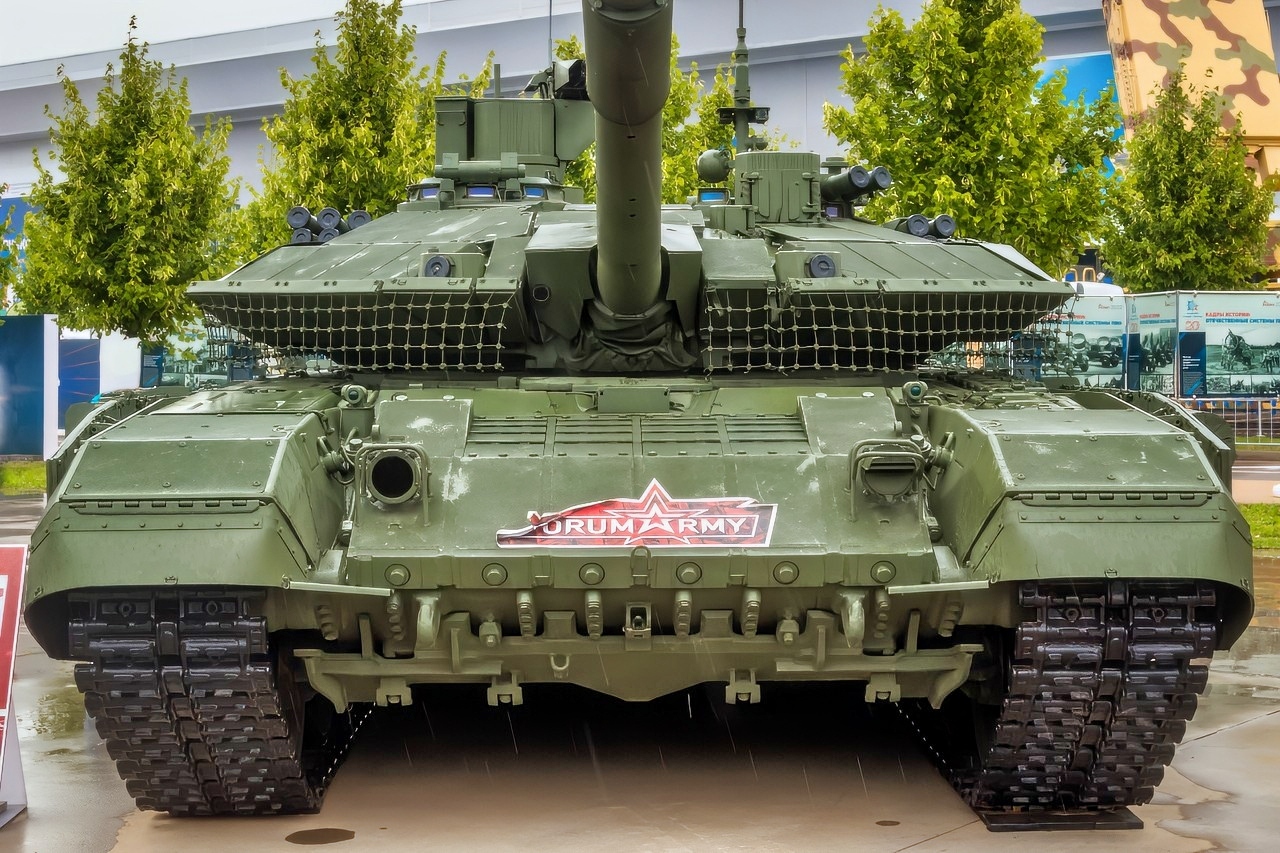
T-90M Russian Army. Image Credit: Creative Commons.
Russia’s Allies Turning On Him?
There are also indications that the concern is extending beyond the general public, with Putin’s own allies now expressing concern that the war may no longer be worth fighting.
A Guardian investigation published on May 24, based on interviews with Russian business leaders and people close to the Kremlin, described how the Russian elite is now becoming disillusioned with both the country’s economic prospects and the state of the war.
One “well-connected business leader,” according to the Guardian, described a mood shift among Russia’s most prominent business leaders.
“There’s definitely been a shift in mood among the elites this year … there is profound disappointment in Putin,” the source told the outlet.
The same source said that while nobody believes “everything will suddenly collapse tomorrow,” there is a “growing realization that utterly senseless, self-destructive decisions keep being made.”
“People who once defended Putin no longer do. Any sense of a future has disappeared,” the source continued.
Ukraine Is Destroying Russia’s Economy
It should come as no surprise that Russian business figures are losing confidence in Putin – after all, Ukraine’s long-range strike campaign has evolved well beyond symbolic drone attacks and is now causing considerable damage on a nightly basis.
Recent strikes have hit oil refineries, fuel depots, logistics hubs, railway infrastructure, ports, and even a major Wildberries warehouse belonging to Russia’s largest online retailer. The impact is now showing up in Russia’s own data. On July 15, the Bank of Russia reported that its Business Climate Index had plunged from 0.9 in June to -3.6 in July, with companies citing weaker demand, falling production, and worsening business expectations – evidence that Ukraine’s campaign is imposing measurable costs on the Russian economy.
Moscow Keeps Repairing
Moscow is responding with increased ballistic missile attacks as well as efforts to mitigate the damage being done at home. The Kremlin has begun repairing damaged facilities, restoring bridges, rerouting rail traffic, and generally responding to Ukrainian attacks as they occur. However, the Kremlin has not publicly demonstrated or communicated a new strategy capable of preventing the strikes from continuing. And if these long-range strikes continue, the damage will only keep worsening, and repair efforts will become costly and futile.
The danger now for Moscow is that it cannot contain enough Ukrainian strikes to prevent the damage being done from becoming more severe, impacting more regions, forcing more mitigation measures, and generally wrecking the economy for years or decades to come. Even if Russia can successfully repair every damaged refinery, warehouse, or bridge, it is still trapped in an expensive cycle of reconstruction while Ukraine prepares for the next wave of strikes – and in the meantime, Russia plunges deeper into an economic crisis that means it cannot even afford those repairs.
If Putin remains in office for years to come, and if the war continues, what will be left for him to preside over?
About the Author: Jack Buckby
Jack Buckby is a British researcher and analyst specializing in defense and national security, based in New York. His work focuses on military capability, procurement, and strategic competition, producing and editing analysis for policy and defense audiences. He brings extensive editorial experience, with a career output spanning over 1,000 articles at 19FortyFive and National Security Journal, and has previously authored books and papers on extremism and deradicalization.


