

Iranian Foreign Minister Abbas Araghchi warned the US to “muzzle its pets in Tel Aviv” after Israeli Defense Minister Israel Katz declared Iran’s supreme leader was effectively “marked for death.” The exchange comes the same day that indirect US-Iran talks began in Doha, illustrating that diplomatic negotiations and military deterrence are continuing side by side. Of course, the spat raises questions about how durable the US-Iran Memorandum of Understanding (MoU) actually is.
The Immediate Trigger

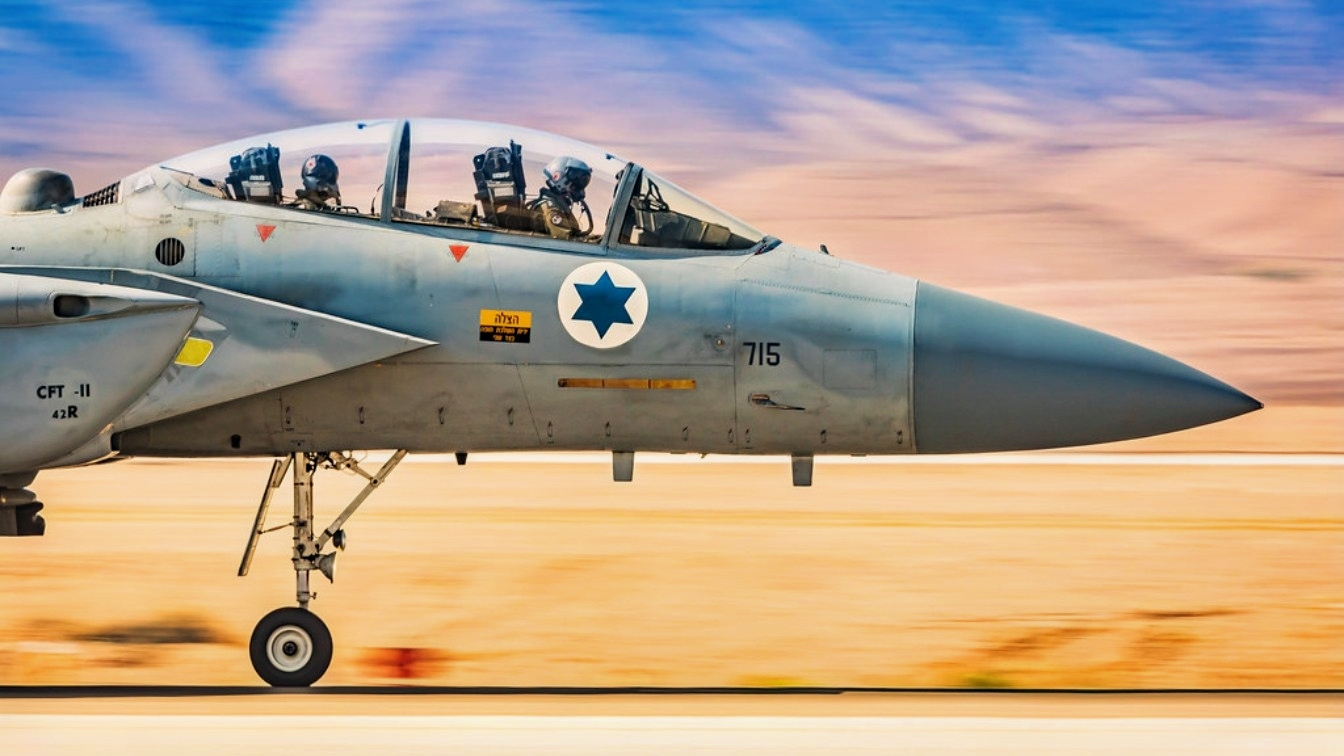
Israeli Air Force 69th Squadron – Operation New Order: F-15I jets eliminating Hezbollah and Hassan Nasrallah.

Israeli Air Force 69th Squadron – Operation New Order: F-15I jets eliminating Hezbollah and Hassan Nasrallah

An Israeli air force F-15I Ra’am taxis down the runway during Blue Flag 2019 at Uvda Air Base, Israel, November 4, 2019. The U.S. and Israel have a strong and enduring military-to-military partnership built on trust and developed over decades of cooperation. (U.S. Air Force photo by Airman 1st Class Kyle Cope)
Katz says that Israel will prevent Iran from obtaining nuclear weapons, a long-standing Israeli position.
Katz also said that if Iran attacks again, Israel will respond—regardless of US participation—highlighting the potential for operational decoupling between the US and Israel.
Katz warned that another war remains possible, saying that the IDF remains on alert with target sets prepared.
Araghchi responded publicly, referencing the MoU, saying that Washington committed itself to restraining Israeli escalation and warning that any threat against Iranian leadership would receive an immediate response.
Unpacking the Rhetoric
The exchange between Katz and Araghchi is not just diplomatic theater; it is a leadership threat that touches on deeper issues such as deterrence, regime survival, and overall credibility.
Targeting a supreme leader is fundamentally different from threatening military infrastructure.
Iran responded publicly to preserve the credibility of its deterrence. But despite the ongoing threats between Iran and Israel, the diplomatic process is underway in Doha, where technical working groups have met.
Qatar is mediating, and Pakistan is involved, while US envoys helped prepare the discussions but reportedly did not participate directly in the technical sessions.
According to Reuters, the current technical discussions will address frozen Iranian assets, arrangements for the Strait of Hormuz, implementation of the interim framework, the establishment of working groups, and preparations for eventual comprehensive negotiations. These are still implementation discussions—not yet a final peace agreement.
Understanding Israel and Iran’s Position
Israel has repeatedly argued that Iranian nuclear capability remains unacceptable and that military readiness cannot depend entirely on diplomacy. Israel reserves the freedom to act and intends to keep its own self-defense decisions sovereign. Katz’s comments reinforce that Israeli planning continues—regardless of ongoing negotiations in Doha.
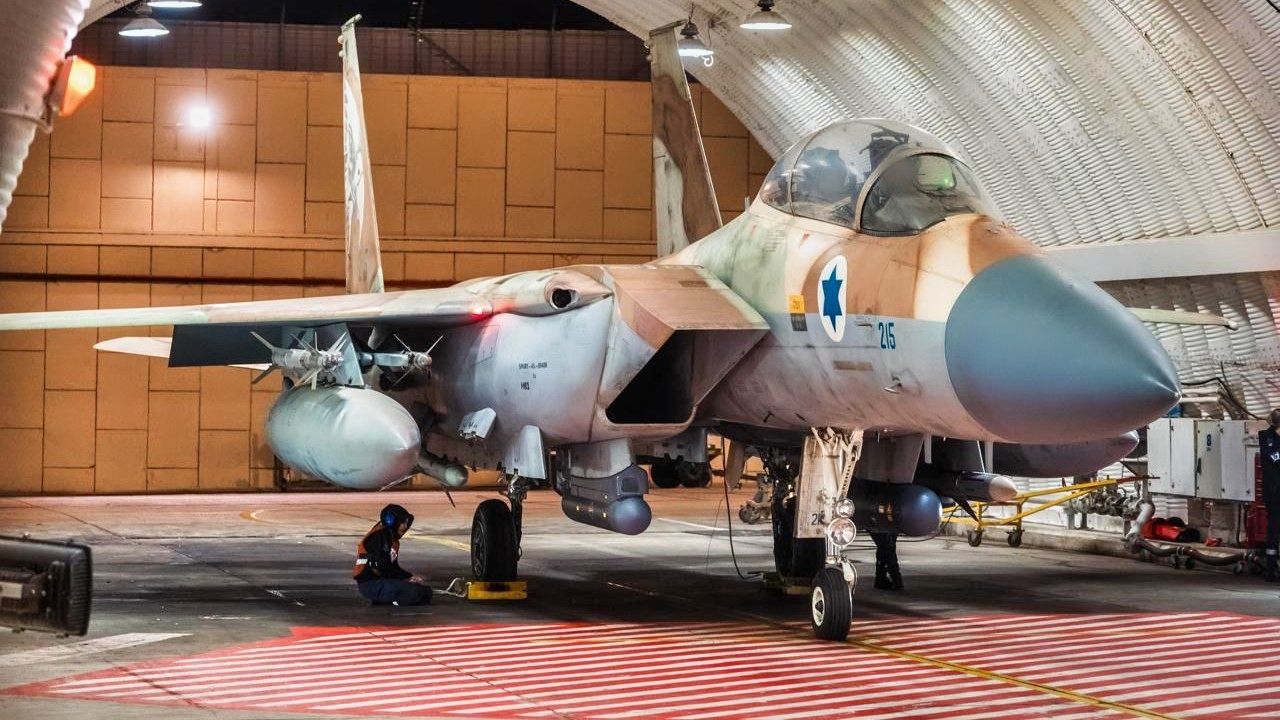
F-15I Fighter Israeli Air Force. Image Credit: Creative Commons.

F-15I Ra’am from Israel. Image Credit: Creative Commons.
Iran, meanwhile, is attempting to create leverage. Through public messaging, Iran is seeking to portray Washington as responsible for restraining Israel, raising the political costs for the US if Israel acts independently.
Iran is also trying to reinforce deterrence toward future strikes and demonstrate resolve to a domestic audience. So in total, Araghchi is speaking to several audiences—domestic, Israeli, American, and regional.
Structural Tensions
The negotiations have attempted to lower regional tensions. Yet several actors possess very different priorities.
The United States wants to avoid a renewed regional war and stabilize maritime security—so it is determined to keep diplomacy moving forward.
Israel wants to prevent long-term Iranian military recovery and preserve Israeli operational freedom.
Iran seeks sanctions relief, improved economic conditions, the preservation of deterrence, and to avoid appearing weak domestically. Many of these objectives overlap and complement each other. But many do not.
Even if negotiations proceed successfully, public threats increase the risk of miscalculation, accidental escalation, domestic political pressure, and retaliation in response to isolated incidents.
Diplomacy becomes harder when military signaling continues simultaneously.
Can Washington Restrain Israel?
The US-Israeli relationship is complicated. The US does have influence over Israel through military cooperation, intelligence sharing, and diplomacy. But Israel ultimately makes its own national security decisions.
Successive Israeli governments have emphasized retaining the freedom to act independently when they believe core security interests are threatened. That creates an inherent limitation on any agreement relying solely on US influence.
Current developments highlight that the ceasefire frameworks reduce immediate violence but rarely eliminate strategic mistrust.
With military deterrence and rhetorical escalations occurring alongside diplomacy, tension will remain high. Negotiations will remain vulnerable to statements or actions by actors pursuing different objectives.
The exchange between Katz and Araghchi does not signal an imminent collapse of negotiations, but it illustrates the fragility of implementation.
Whether diplomacy ultimately succeeds may depend largely on whether all parties involved can avoid converting rhetorical escalation into military escalation.
About the Author: Harrison Kass
Harrison Kass is a writer and attorney focused on national security, technology, and political culture. His work has appeared in Tablet, City Journal, The Hill, The Spectator, and The Cipher Brief. He holds a JD from the University of Oregon and a master’s in Global & Joint Program Studies from NYU. More at harrisonkass.com.


