

As the war in Iran continues, a new pattern has emerged, one that eschews large-scale strikes in favor of more sustained, tit-for-tat exchanges involving Iran, the United States, Israel, and Tehran’s regional allies — with no sign of either side backing down. While the front lines remain centered on Iran, the fighting has increasingly spilled across the Middle East, drawing in groups like the Houthis and raising serious concerns about global energy supplies, shipping, and the risk of a broader conflagration in the Middle East spiraling out of control.
Over the past week, the United States launched strikes on Iranian military targets after a series of strikes by Iran against American personnel and bases throughout the region. The latest round of fighting followed the deaths of American troops and attacks involving drones and missiles, moves that prompted Washington to describe its operations as retaliation rather than the beginning of a new offensive. Tehran, for its part, has warned the United States that continued American strikes will broaden the conflict’s geographic scope rather than force a withdrawal.

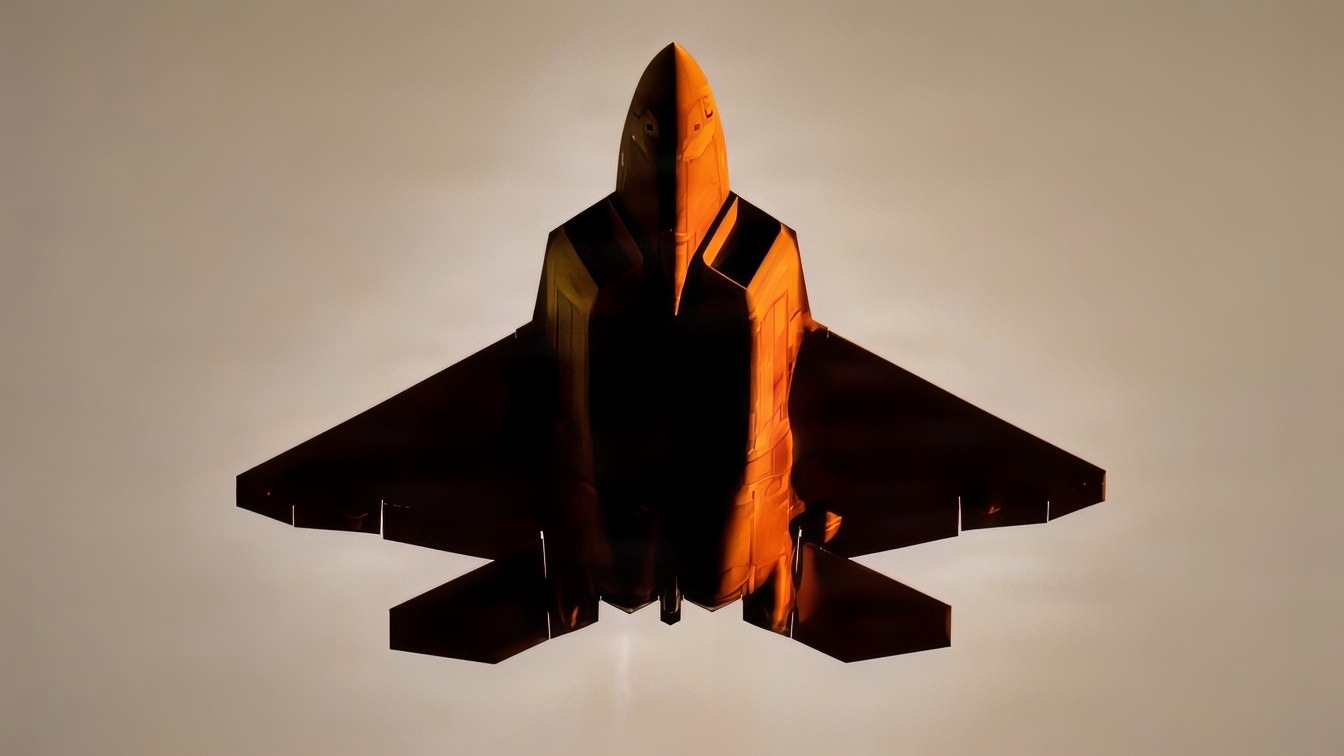
F-22 Raptor Elephant Walk. Image Credit: Creative Commons.
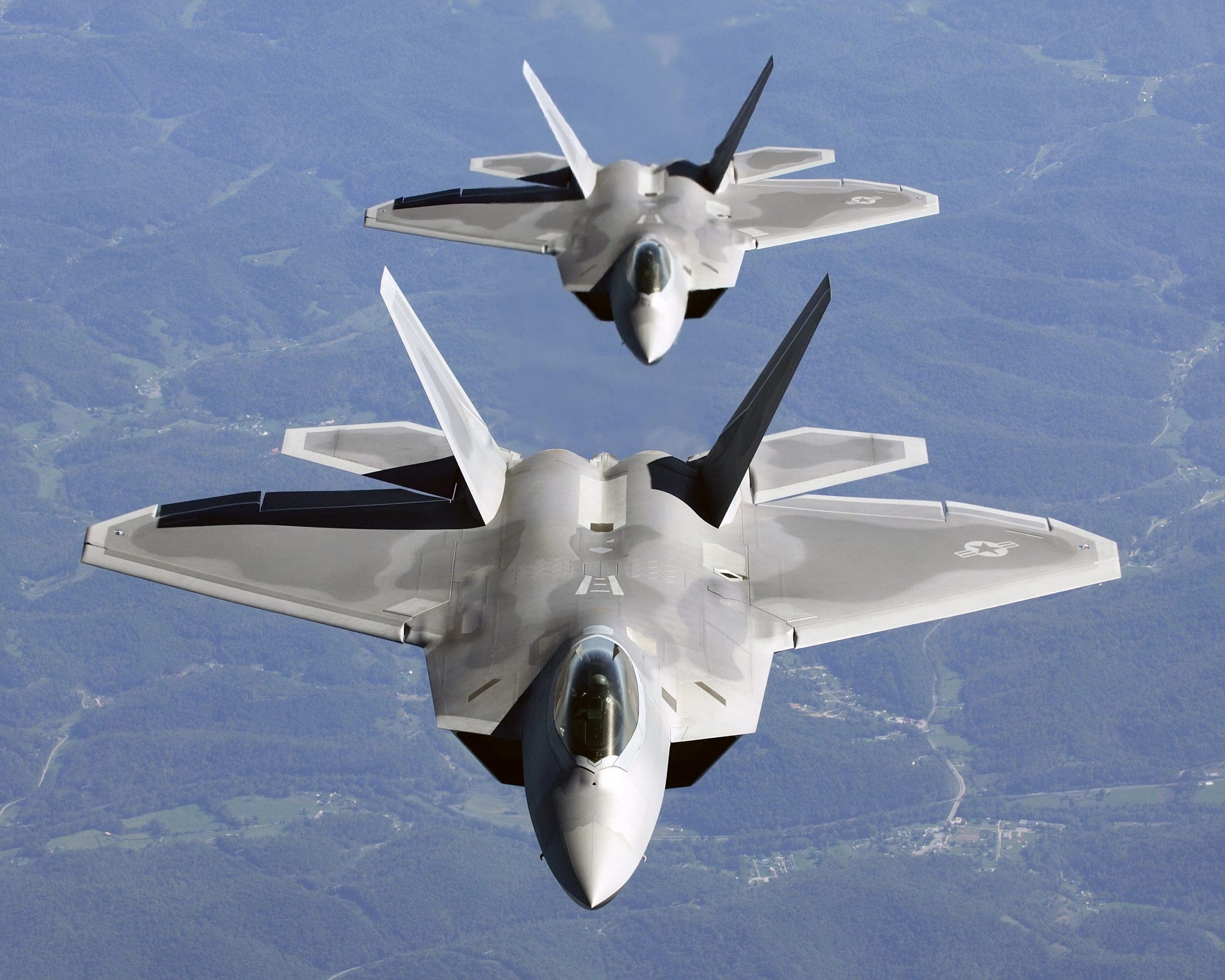
Lt. Col. James Hecker (front) and Lt. Col. Evan Dertein line up their F/A-22 Raptor aircraft behind a KC-10 Extender to refuel while en route to Hill Air Force Base, Utah. Colonel Hecker commands the first operational Raptor squadron — the 27th Fighter Squadron at Langley Air Force Base, Va. The unit went to Hill for operation Combat Hammer, the squadron’s first deployment, Oct. 15. The deployment has a twofold goal: complete a deployment and to generate a combat-effective sortie rate away from home. [U.S. Air Force photo by TSgt Ben Bloker]
Energy Markets
One of the biggest concerns remains the Strait of Hormuz. Iran has continued to threaten restrictions on shipping through the waterway, a critical route for global oil exports. Although commercial traffic has not stopped completely, the repeated threats and military activity there have kept energy markets on edge.
While the price of oil has not risen to the highs seen during the 2008 Great Recession, or in early 2022 following Russia’s full-scale invasion of Ukraine $128 and $146 per barrel, respectively, oil prices remain elevated, costs that are pushed toward the end purchaser of fuel and related energy products and are the primary reason that prices at the pump in the United States are elevated.
Broadening Scope of the War
Another important shift is that the conflict is no longer confined to Iran and the United States — its scope is broadening. Regional partners and Iranian-aligned groups have become more deeply involved in the conflict than before.
Fighting and drone attacks have spread across parts of Iraq, the Red Sea, and the Gulf, with infrastructure and military installations becoming regular targets. That widening battlefield has made it much harder to separate the war in Iran from the broader instability affecting the Middle East.
The Houthi Angle
The Houthis have become one of Iran’s most useful partners in the conflict. From Yemen, they have expanded their attacks beyond commercial shipping to include Saudi oil infrastructure and vessels in the Red Sea, adding yet another front without requiring Iran to commit its own forces directly.
Their strategic value lies in their unique geography: while Iran can threaten the Strait of Hormuz, the Houthis can disrupt traffic through the Bab el-Mandeb Strait, putting pressure on two of the world’s most important maritime chokepoints simultaneously and raising serious concerns about global trade and energy supplies. Some reports also suggest the Houthis are coordinating more closely with Iranian-backed militias in Iraq, potential evidence of a broader effort by Iran to synchronize its regional allies rather than relying solely on isolated, uncoordinated attacks.
Within Iran, the ongoing war is increasingly colliding with serious domestic problems. The country is facing severe economic strain, high inflation, infrastructure damage, and growing public frustration with leadership. Iranian officials have acknowledged that the economic front is becoming as important as the military one, even as the government continues to reject pressure to make major concessions.
While the fighting between the United States and Iran is still active, the character of the war has shifted. Rather than the large, concentrated strikes from the air by the United States that defined the opening phases of the war, the fighting now has settled into a sustained campaign of both air and missile attacks, some retaliatory strikes, as well as pressure on shipping routes in the region that feed into larger global networks.
Neither the United States nor Iran appears to be close to achieving a decisive, knock-out victory, and diplomatic efforts have yet to produce a lasting ceasefire, let alone lasting peace.
As things stand today, the overall picture is one of escalation without a clear endgame in sight.
The United States continues to conduct periodic strikes when it says its forces are under attack, and Iran continues to respond directly and through allied groups while trying to raise the costs of sustained military pressure.
Diplomatic channels, particularly those involving regional actors, remain open, but they have not yet produced a breakthrough capable of stopping the fighting.
About the Author: Caleb Larson
Caleb Larson is an American multiformat journalist based in Berlin, Germany. His work covers the intersection of conflict and society, focusing on American foreign policy and European security. He has reported from Germany, Russia, and the United States. Most recently, he covered the war in Ukraine, reporting extensively on the war’s shifting battle lines from Donbas and writing on the war’s civilian and humanitarian toll. Previously, he worked as a Defense Reporter for POLITICO Europe. You can follow his latest work on X.


