
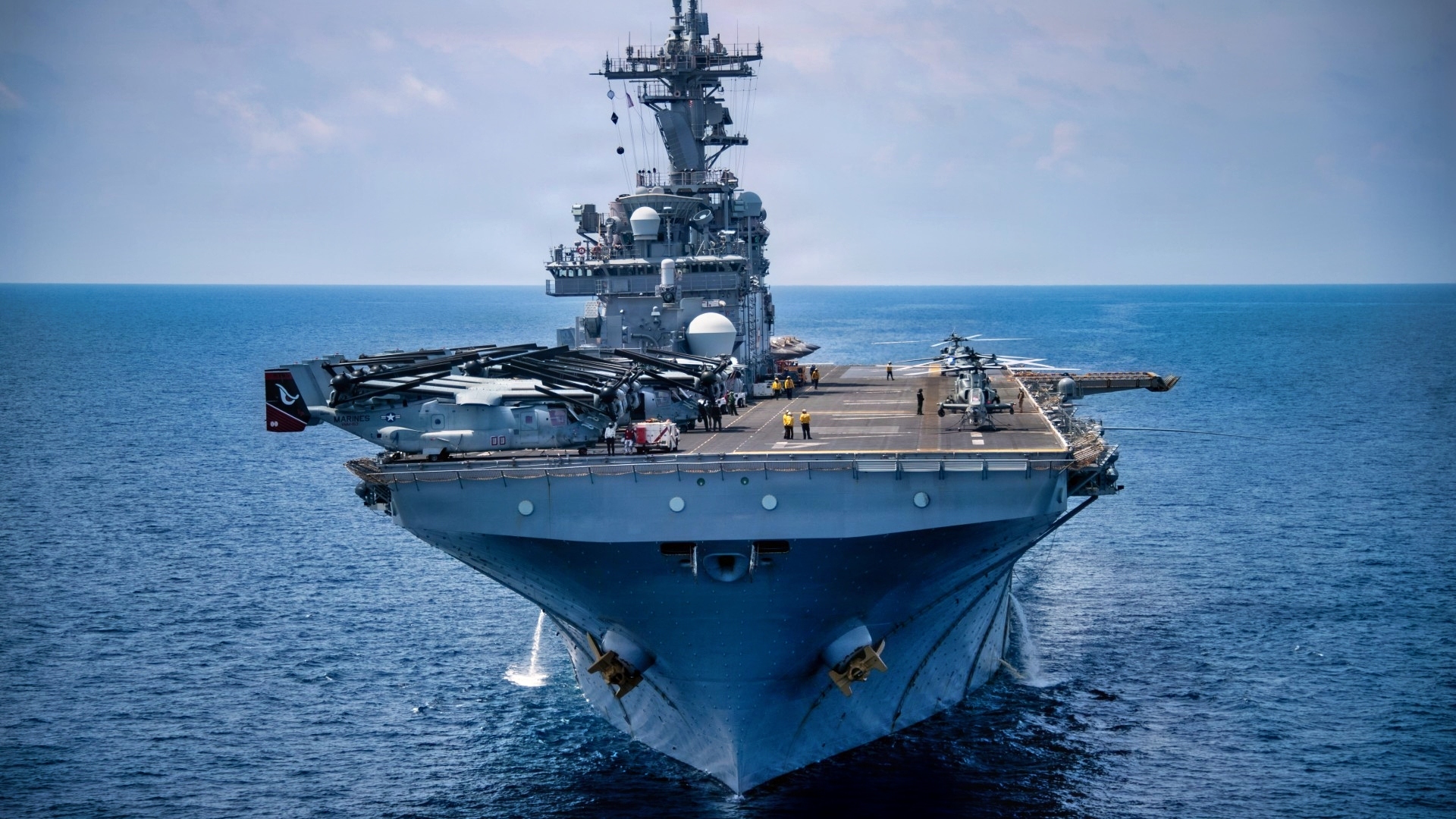
Shipping traffic through the Strait of Hormuz is showing tentative signs of recovery after weeks of disruption, not because Tehran has opened the strait, but because more shipping companies and crews are using U.S. naval escorts.
More oil tankers and liquefied natural gas carriers are returning to the waterway as pressure on global oil markets increases, even as the United States and Iran continue to trade missile and drone fires on an almost nightly basis.
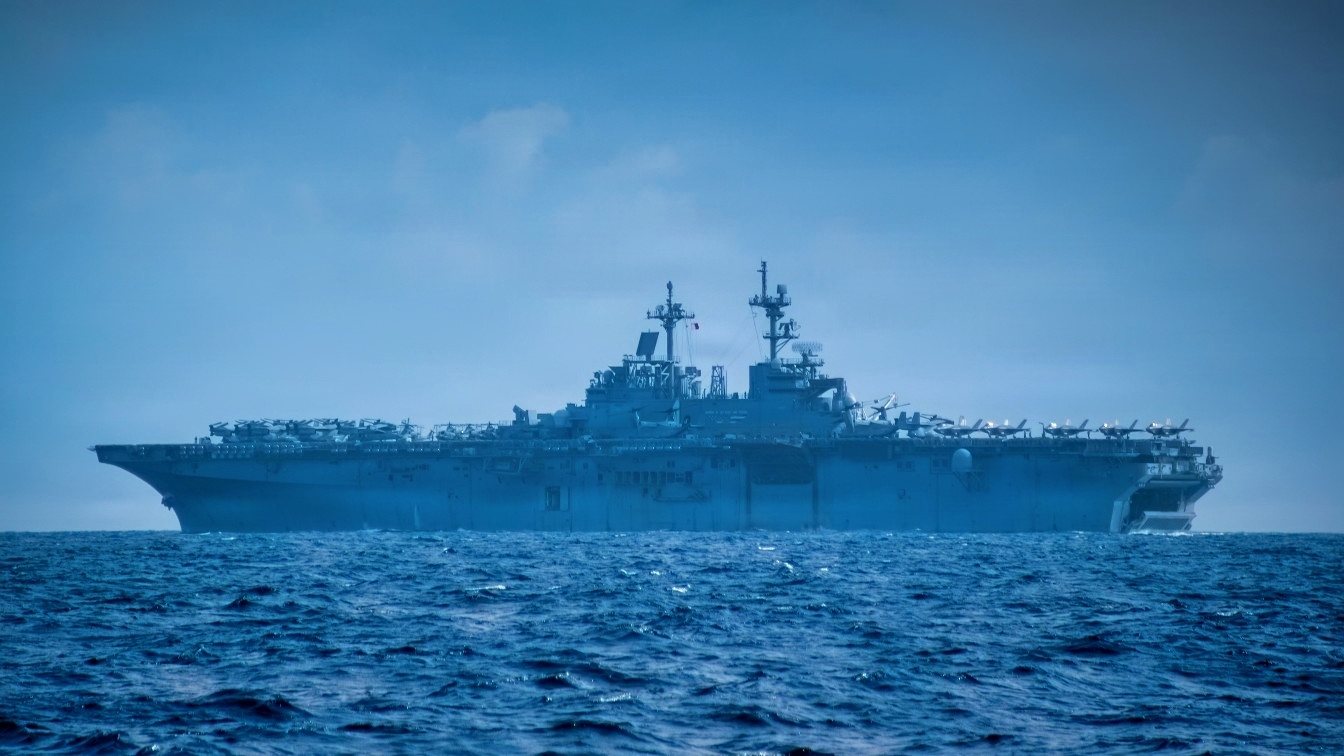
Wasp-class amphibious assault ship USS Boxer (LHD 4) transits the South China Sea, June 4, 2026. Boxer, flagship of the Boxer Amphibious Ready Group, is underway with the 11th Marine Expeditionary Unit in the U.S. 7th Fleet area of operations. U.S. 7th Fleet, the Navy’s largest forward-deployed numbered fleet, routinely interacts and operates with allies and partners to preserve a free and open Indo-Pacific (U.S. Navy photo by Mass Communication Specialist Seaman Eliora Sims)
The U.S. military is also expanding its military escort operations for commercial vessels, although the situation remains fragile and global energy markets are vulnerable.
Vessel traffic data compiled by Kpler showed how 14 commodity vessels transited the Strait of Hormuz in both directions on Wednesday, up from single digits recorded last week but still substantially lower than pre-war figures – and still nowhere near the numbers required to stabilize global oil supplies.
U.S. Navy Escorts Restore Some Shipments
The slight improvement in shipping through the Strait of Hormuz is generally good news, but still not a sign that shipping will soon return to pre-war levels.
It is, however, a sign that U.S. naval escort operations are increasing.
Speaking to Bloomberg Radio, U.S. Energy Secretary Chris Wright said Washington was actively protecting commercial energy exports moving through the waterway.
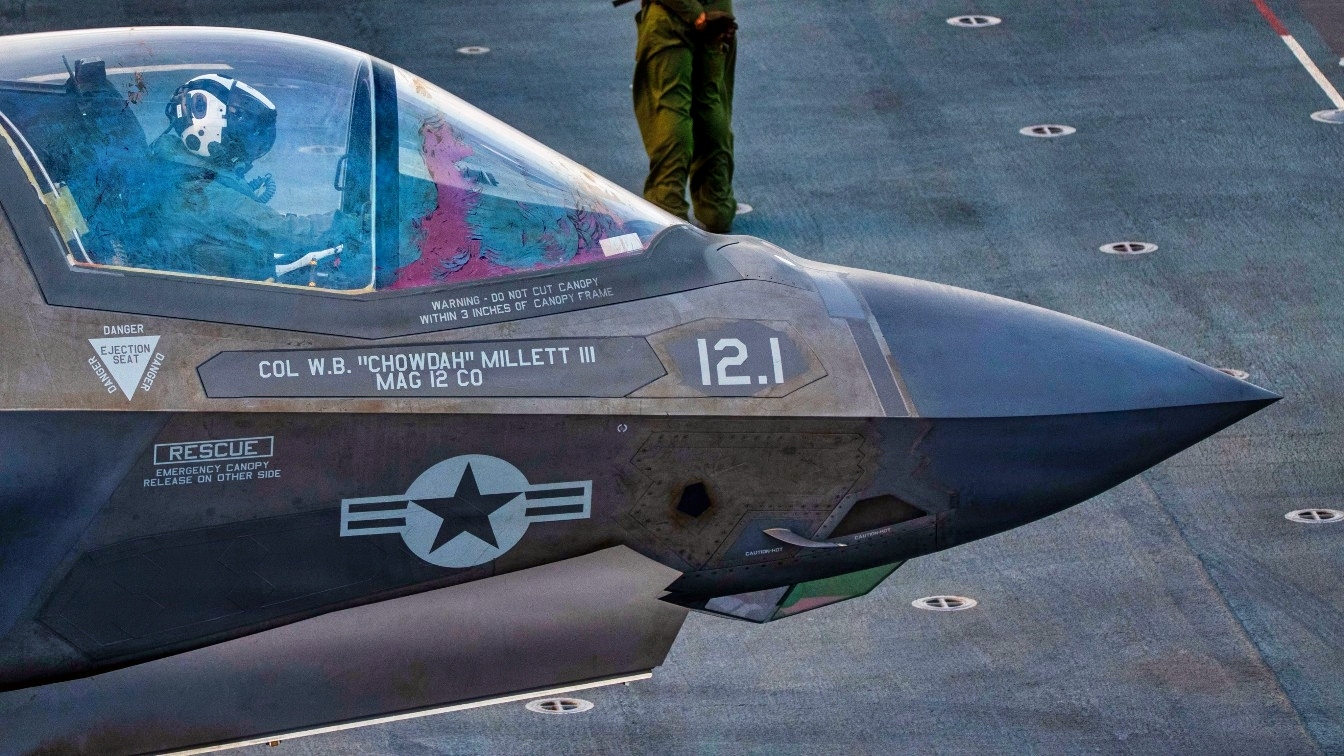
A U.S. Marine conducts pre-flight checks on an F-35B Lighting II, attached to Marine Fighter Attack Squadron (VMFA) 121, on the flight deck of America-class amphibious assault ship USS Tripoli (LHA 7), May 22, 2026. Tripoli is deployed to the U.S. 5th Fleet area of operations to support maritime security and stability in the Middle East. (U.S. Navy photo)
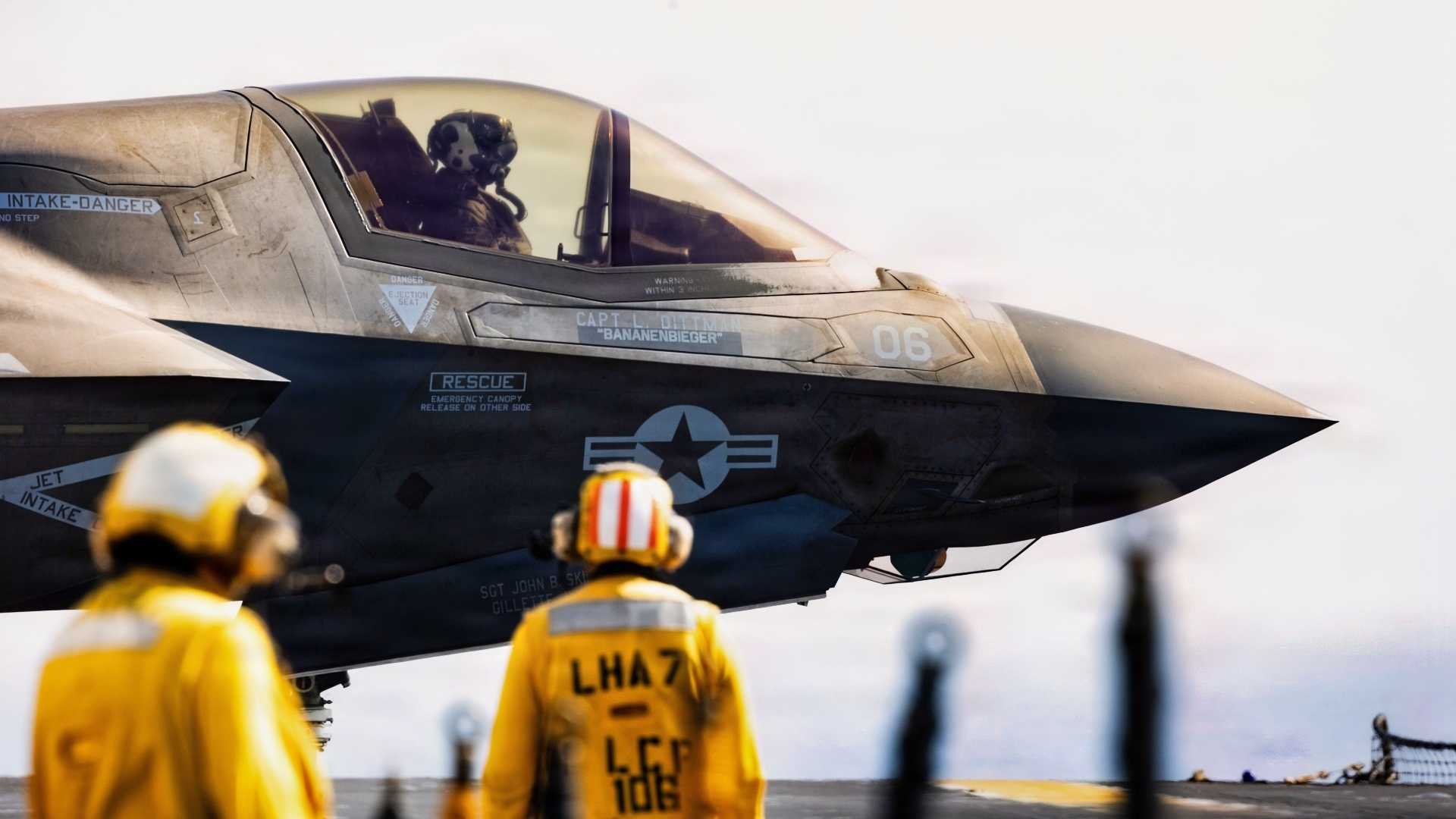
An F-35B Lightning II taxis on the flight deck of the amphibious assault ship, USS Tripoli (LHA 7) during flight operations in the U.S. Central Command area of responsibility, May 4, 2026. (U.S. Marine Corps Photo)
“We are using the United States military to escort oil and gas out of the Strait of Hormuz,” he said on Bloomberg Radio, adding that around 6.5 million barrels of oil per day are now moving out of the gulf via the Strait of Hormuz. “We are restoring supplies of global oil and refined products to the world out of that region.”
The 6.5 million figure is an improvement but remains well below pre-conflict volumes, when roughly one-fifth of globally traded crude and a significant share of liquefied natural gas transited the waterway.
Before the war, an average of 20 million barrels of crude oil and refined petroleum products moved through the Strait of Hormuz daily.
Current exports, based on the most recent figures, represent only around one-third of normal throughput – and those figures have been even lower for several weeks as the United States continued its campaign of nightly consecutive strikes on Iranian military assets and coastal sites.
For some time, the disruption in the Strait of Hormuz was being mitigated by Saudi Arabia’s and the United Arab Emirates’ efforts to divert exports through alternative pipelines.
Those pipelines could not fully replace the Hormuz, and since the Houthis’ announcement of a blockade against Saudi-linked ships in the Bab el-Mandeb Strait, those efforts are now having even less of an impact.
Global Inventories Buy Time
The slow resumption of some shipping through the Strait of Hormuz has slightly eased concerns about physical shortages, but the problem remains unresolved.
Global markets are still relying heavily on inventories accumulated before the conflict began, and those inventories are finite.
Before the war, the International Energy Agency estimated that global oil markets were oversupplied by around 3.7 million barrels per day, which allowed commercial storage facilities and strategic petroleum reserves to absorb much of the initial disruption caused by U.S. and Israeli strikes and the subsequent Iranian response.
In June, Reuters reported that the U.S. Strategic Petroleum Reserve (SPR) had fallen to approximately 340 million barrels, its lowest level since 1983, after the Department of Energy authorized the release of around 172 million barrels during the Hormuz crisis to help stabilize global supplies.
The SPR, which is stored in four underground salt caverns along the Gulf Coast in Louisiana and Texas, was created after the 1973 oil embargo.
At its peak in 2009, it held more than 727 million barrels, making today’s levels less than half their historic maximum – and the number just keeps falling.
The drawdown has continued throughout July, and according to the latest data from the U.S. Energy Information Administration, the SPR stood at 307.7 million barrels as of the week ending July 24 after another 3.8 million barrels were released.
Oil Markets Are Changing
As disruptions in Hormuz continue, global oil markets are changing.
Asian buyers of crude are looking for alternative sources as Gulf exports remain limited, and reports this week reveal how the first shipment of Canadian crude oil since 2025 is now headed to Japan on a ship chartered by Exxon Mobil.
Kpler ship-tracking data revealed that the Marshall Islands-flagged vessel Freedom Glory, which can carry up to 750,000 barrels of crude oil, departed from Vancouver on Wednesday.
Reports described how Japan’s largest refiner Eneos is purchasing oil from TMX Canada as Asian markets urgently seek new sources of crude, with economic pressure rising and forcing Tokyo to cut its growth forecast for this year from 1.3 percent to 0.09 percent.
About the Author: Jack Buckby
Jack Buckby is a British researcher and analyst specializing in defense and national security, based in New York. His work focuses on military capability, procurement, and strategic competition, producing and editing analysis for policy and defense audiences. He brings extensive editorial experience, with a career output spanning over 1,000 articles at 19FortyFive and National Security Journal, and has previously authored books and papers on extremism and deradicalization.


