
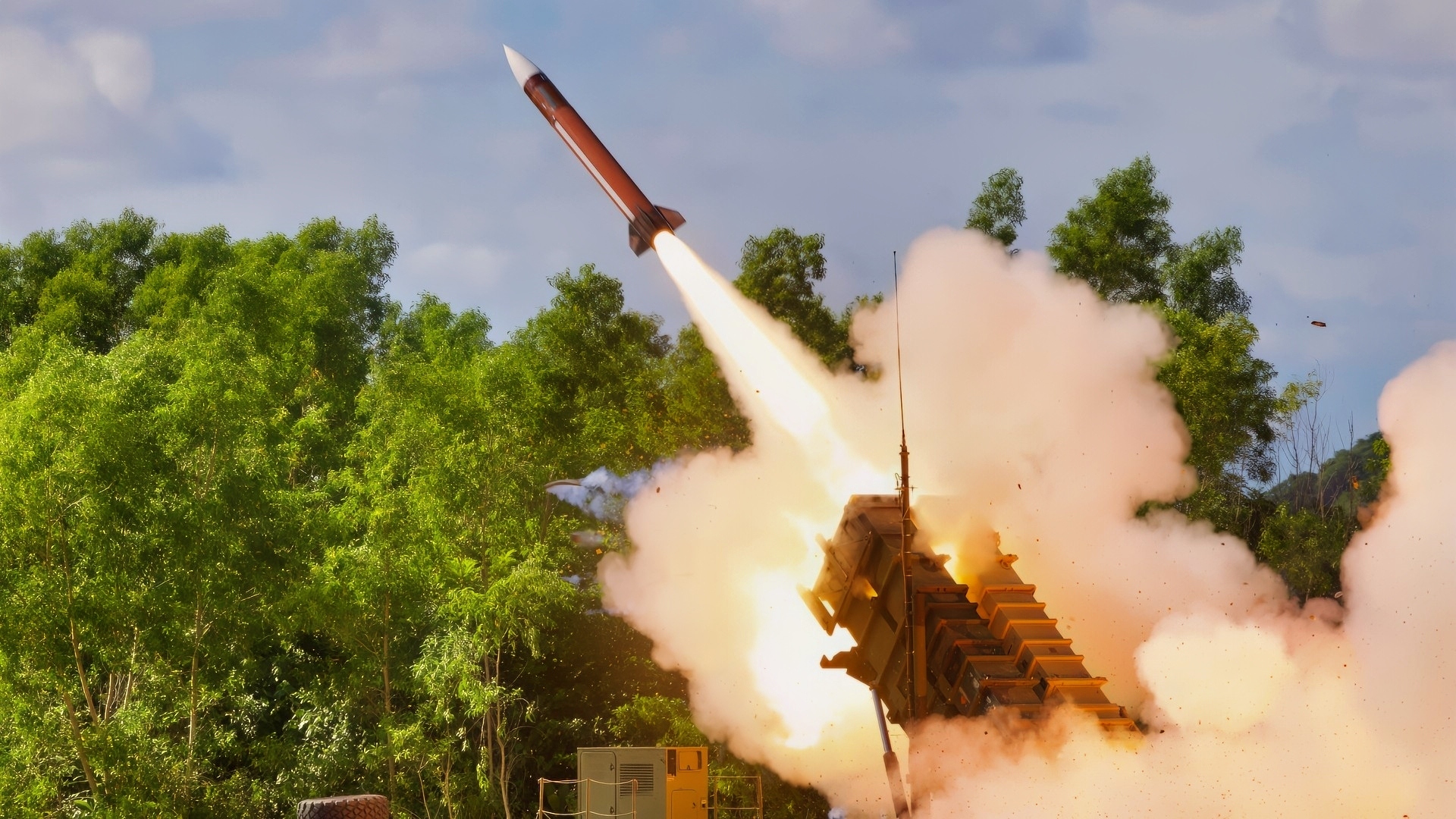
U.S. Patriot Missile Stockpiles Fall Below 1,000, New CSIS Report Warns: The United States military’s stockpile of Patriot and THAAD missile interceptors has fallen to alarmingly low levels following almost two weeks of consecutive nightly strikes against Iran, according to a new analysis by the Center for Strategic and International Studies (CSIS). The new report potentially reveals the thinking behind Washington’s decision last week to pause strikes amid reports that the White House was concerned about the diminishing stockpile of valuable weapons.
CSIS analysts say that the United States now has between 759 and 827 Patriot interceptors remaining, down from roughly 2,330 before the war. Inventories of THAAD interceptors also stand somewhere between 234 and 278, compared with 452 before hostilities resumed with Iran.
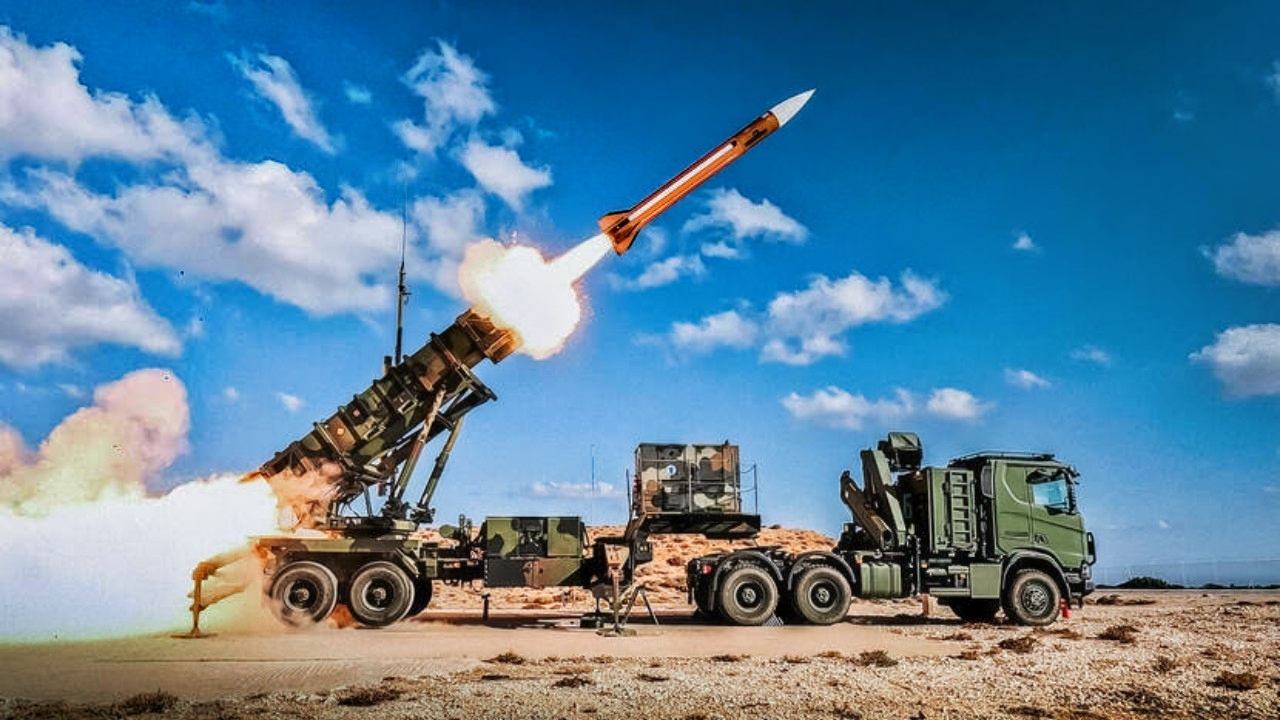
Patriot Missile Launch. Image Credit: Creative Commons.
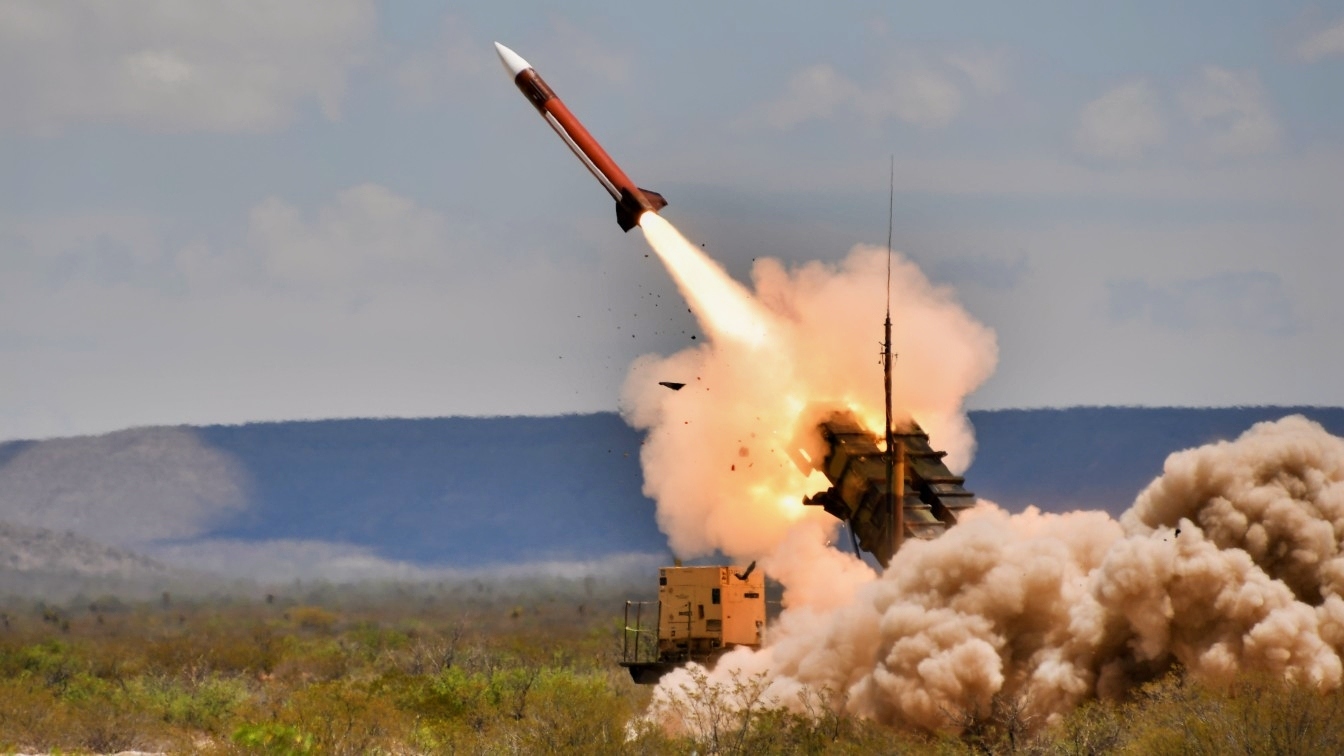
A MIM-104 Patriot Surface-to-Air Missile System assigned to the Fort Bliss, Texas-based 11th Air Defense Artillery Brigade fires as part of a bi-lateral live-fire exercise with military members from the Royal Netherlands Ground-based Air Defense Command at McGregor Range, N.M., May 11, 2024. The Patriot Missile System is a highly mobile air defense guided missile system designed to engage and intercept any aerial threats whether it be aircraft or tactical ballistic missiles under any weather conditions and in natural or induced environments. The command showcased its capabilities firing interceptors at simulated drone targets during the training event working with Dutch Allies.
(U.S. Army photo by Sgt. David Rincon)
The figures account for the continued interceptor usage during Operation Epic Fury as well as additional missiles produced and delivered since the April ceasefire announcement.
CSIS Says Air Defenses Are Working – But At A Cost
According to CSIS, the United States has continued firing large numbers of interceptors since combat operations resumed, although Iran has launched ballistic missiles at a slower pace than during the first phase of the conflict.
“U.S. forces fired many air defense munitions during the first phase of Operation Epic Fury. Resumption of combat operations has reduced inventories further, though Iranian launches have so far been at a lower rate than before the ceasefire,” the analysis explains.
Despite the heavy expenditure, the report concludes that the U.S. defensive campaign has largely achieved its military objective.
“The air defense campaign has been largely successful with high—though not perfect—interception rates. While some Iranian attacks got past defenses, causing casualties and extensive base damage, these attacks have been unable to diminish U.S. and coalition operations. This has required extensive use of interceptors, with Patriot inventories now under 1,000 and THAAD inventories at about 250,” the analysts note.
Patriot systems are the U.S. Army’s primary medium-range air defense weapon used to intercept ballistic missiles, cruise missiles, and aircraft. The Terminal High Altitude Area Defense (THAAD) system, meanwhile, is designed specifically to intercept ballistic missiles during their terminal phase and at much higher altitudes. The two systems form the backbone of American land-based ballistic missile defenses.
New Figures Show the Extent of the Decline
The CSIS analysis shows how dramatically inventories have fallen since before the conflict and offers a possible insight into Washington’s thinking as it scales back its offensive campaign in favor of returning to diplomatic talks.
According to the report, the U.S. had approximately 2,330 Patriot interceptors before the war, 1,030 at the April 8 ceasefire, and between 759 and 827 today. As for THAAD interceptors, analysts note that the U.S. stockpile was 452 before the war, between 232 and 262 at the time of the ceasefire, and between 234 and 278 today.
The numbers show a modest increase in THAAD inventory since April, meaning manufacturing continues to outpace expenditure – but Patriot inventories have steadily declined and could reach critically low levels if the conflict in Iran continues and manufacturing cannot keep pace.
Different Kinds of Patriots
CSIS notes that the Patriot calculations also include the newest PAC-3 missile and the Missile Segment Enhancement (MSE) interceptors. Several hundred older PAC-2 missile variants remain in the U.S. inventory but are not included in the published chart because they offer different capabilities against modern ballistic missile threats.
The PAC-3 and PAC-3 MSE are the U.S. Army’s most capable land-based ballistic missile interceptors, unlike the older PAC-2, which was originally optimized for aircraft. The older system relied primarily on a proximity-fused explosive warhead, meaning that the interceptor does not need to physically hit the incoming missile. The newer versions, however, use hit-to-kill technology, meaning they are designed to destroy incoming ballistic missiles through direct, high-speed collision rather than by detonating nearby. The new system is significantly more effective against modern ballistic missile threats because it virtually eliminates the risk of a warhead surviving a near miss.
The analysis was based on the FY2027 Defense Department budget documents and publicly available procurement data, cross-referenced with missile production schedules and operational reporting released since the fighting resumed in Iran.
What It Means
The CSIS report argues that the implications extend well beyond the conflict with Iran, looking to potential future conflicts that require the United States to be prepared. The analysts warn that depleted Patriot and THAAD inventories create a “near- to medium-term risk” to U.S. readiness for a potential conflict in the Indo-Pacific, where the same interceptors would be necessary to defend bases in Japan, Guam, and elsewhere against Chinese ballistic missile attacks.
The shortage explains why the Trump administration is requesting $95 billion for munitions in its FY2027 defense budget, alongside an additional $21 billion in supplemental war funding.
About the Author: Jack Buckby
Jack Buckby is a British researcher and analyst specializing in defense and national security, based in New York. His work focuses on military capability, procurement, and strategic competition, producing and editing analysis for policy and defense audiences. He brings extensive editorial experience, with a career output spanning over 1,000 articles at 19FortyFive and National Security Journal, and has previously authored books and papers on extremism and deradicalization.


