

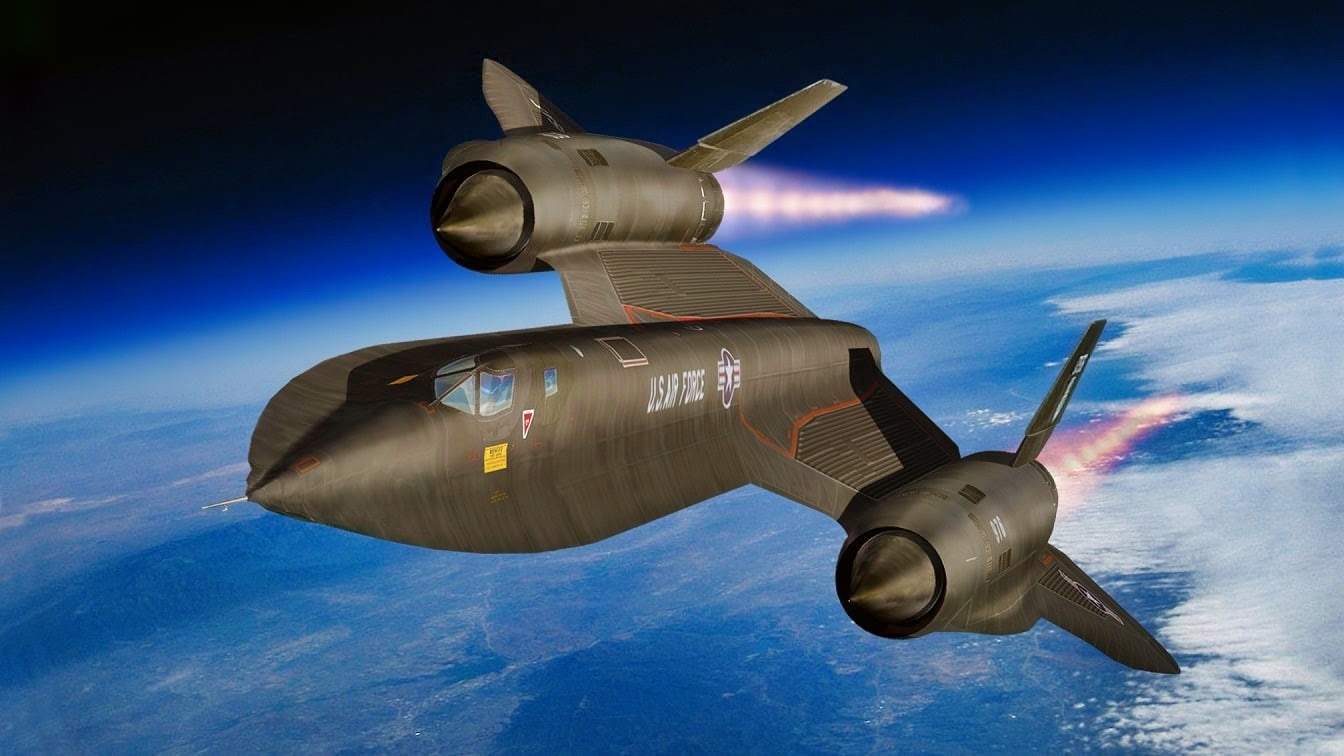
On July 29, 1968, Colonel Richard “Butch” Sheffield was the Reconnaissance Systems Officer aboard an SR-71 Blackbird piloted by Ben Bowles at Mach 2.88 and 68,000 feet over Oklahoma when the right engine suffered a catastrophic failure and continued burning even after the fuel was shut off. Bowles asked Sheffield if he wanted to eject; Sheffield’s back was still sore from an ejection the previous year, and fearing a second ejection might break his back, he declined — and rode the burning Blackbird down through 68,000 feet of bucking, hydraulics-failure descent. Of the 32 SR-71s ever built, 12 were lost or heavily damaged to mechanical failure, inlet unstarts at Mach 3, or the extreme thermal stress of routine operations at 80,000 feet.
The SR-71 Had Some Problems That History Forgets
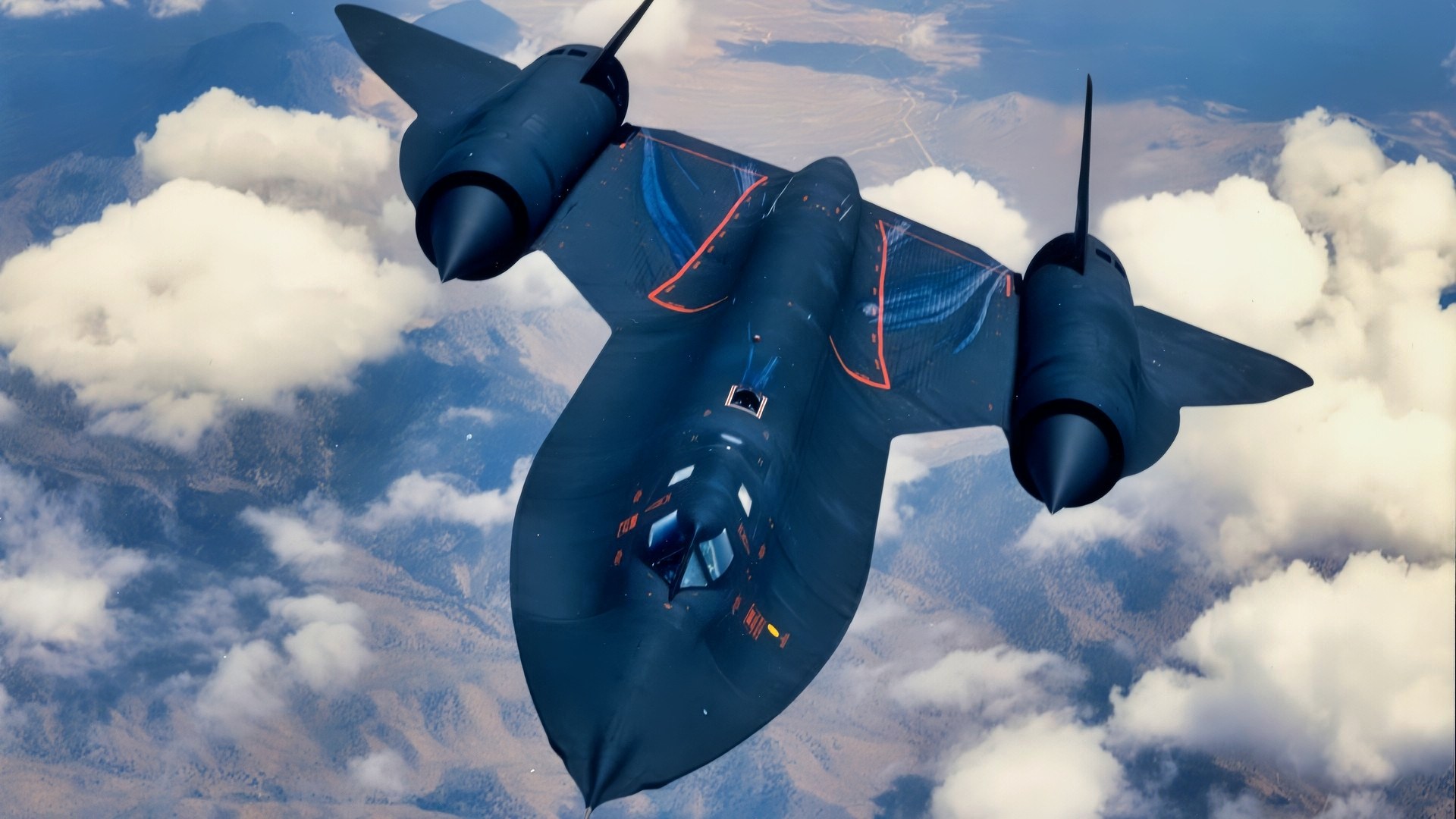
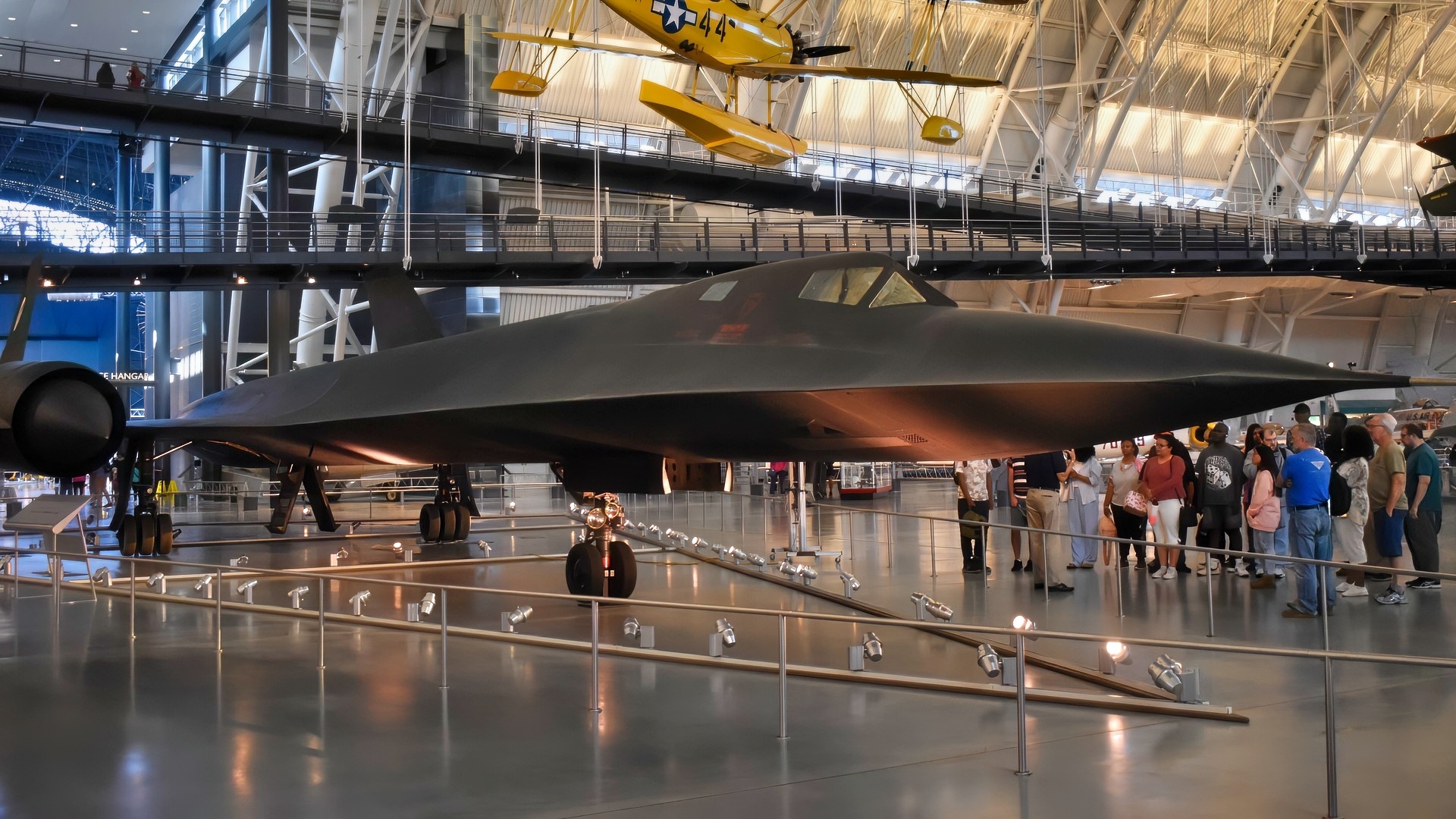
SR-71 Spy Plane in the Sky. Image Credit: Creative Commons.
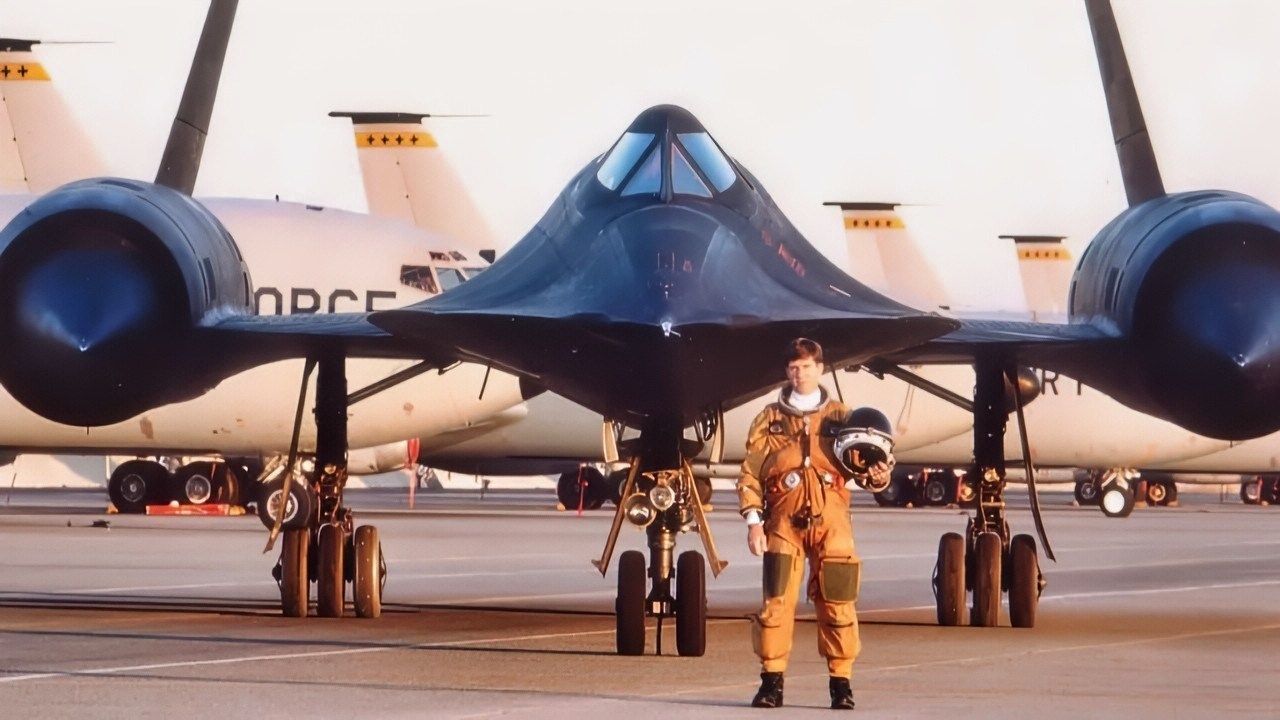
SR-71 and Pilot Creative Commons Image
Colonel Richard Sheffield’s right engine exploded at Mach 2.88 and 68,000 feet over Oklahoma. His back was still sore from ejecting the year before — so he decided to ride a burning SR-71 Blackbird all the way down.
The SR-71 Blackbird Could Hit Mach 3, But Was Scary to Fly
Lockheed’s SR-71 Blackbird was a marvel of engineering. The aircraft was first flown nearly 60 years ago but remains the fastest crewed jet ever. The Blackbird outran more than 4,000 missiles; it combined revolutionary stealth, sustained Mach 3+ speed, and advanced engineering to become virtually untouchable.
While streaking across the sky at 80,000 feet, the SR-71 could photograph 100,000 square miles of terrain in one hour.
But the aircraft also suffered from crashes and mechanical failures.
A total of 12 Blackbirds either crashed or failed.
We’ll look at the causes of those incidents and explain how the Air Force continued to fly the iconic bird right to the edge of its capabilities.
The SR-71 Was Arguably The Pinnacle Of Kelly Johnson’s Career:
The SR-71 was the most successful design of famed aeronautical engineer Kelly Johnson. Johnson had already proven his design mettle with previous projects, such as World War II’s P-38 Lightning; the United States’ first jet fighter—the P-80 Shooting Star—and, most notably, the high-flying U-2 Spy Plane.
Johnson’s work during the U-2 program led to the establishment of the secretive military facility many of us know today as Area 51.
What was most amazing about the Blackbird wasn’t just that it could reach a speed of Mach 3.2 (some pilots say it went even faster), but that it could sustain those speeds for an indefinite amount of time, complete its mission, and then fly again the next day. Supposedly, the Russian MiG-25 could reach Mach 3.2, but only for a very short window of time—and after that, its engine was junk.

SR-71 and SR-71 Nose Section Original Photo from NSJ.
The SR-71, on the other hand, would sustain those speeds for hours, thanks to its Pratt & Whitney J58 turbojet engines, which included bypass tubes that funneled cold air directly into the afterburners, as well as the engine’s directionally solidified turbine blades that could withstand higher temperatures than any previous jet engine.
Why Did The SR-71 Suffer So Many Crashes?
Approximately 12 of the 32 SR-71 Blackbirds were lost or heavily damaged due to intense mechanical stress—specifically engine failures—inlet unstarts at Mach 3, and extreme operating temperatures.
The aircraft operated at the edge of the flight envelope—situations in which small mechanical failures, such as inlet spike malfunctions, compressor stalls, or hydraulic issues, could cause catastrophic damage or loss of control.
The pilots routinely operated the aircraft at the very limits of its capabilities for hours on end. The Blackbird wasn’t used in short sprints—it would fly at or near its maximum speed and altitude for thousands of miles at a time.
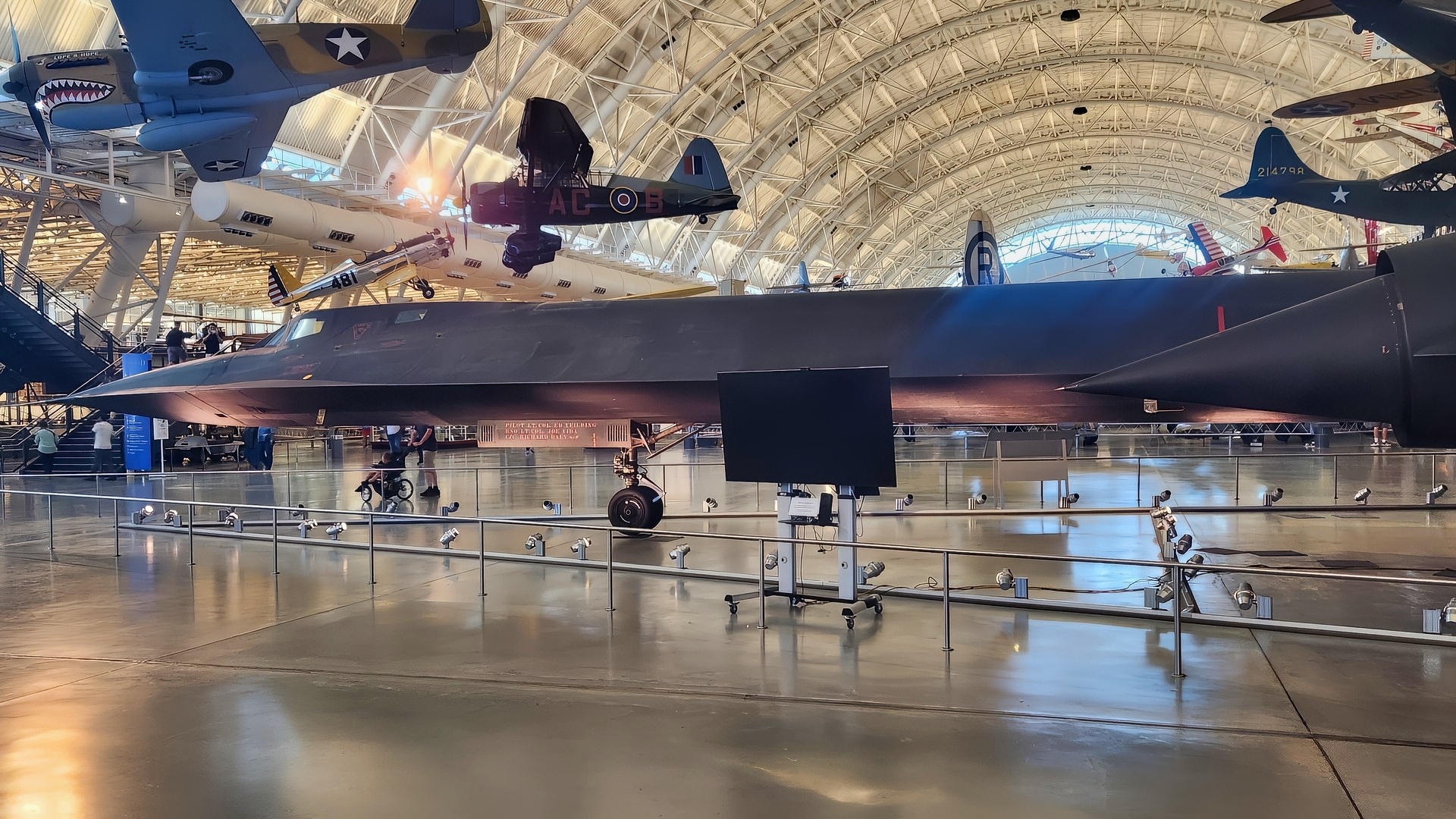
Amazing SR-71 Blackbird September 2025. Image Credit: National Security Journal/Dr. Brent M. Eastwood.
SR-71 Blackbird NSJ Photo. Image Credit: Dr. Brent J. Eastwood.
Key Factors for Engine Failures:
A phenomenon known as an “inlet unstart” could happen when disturbances inside the inlet resulted in a shock wave being expelled forward.
When supersonic airflow to the engine was interrupted, the engine would stop producing thrust, causing a violent bang and a hard yaw, often resulting in a loss of control.
The Blackbird suffered at least one engine failure in its Pratt & Whitney J-58. Compressor stalls and excessive heat caused engines to malfunction or catch fire at speeds above Mach 3.
Mechanical failures and damage were caused by the aircraft’s extreme operating environment, leading to issues such as compressor bearing failure and component freezing, which led to engine disintegration.
Due to the high temperatures experienced at Mach 3+, the Blackbird’s metal skin contracted upon cooling, resulting in fuel leaking from the tanks. Fire was a major risk.
Automatic control systems for the inlet spikes sometimes failed, forcing pilots to use manual control. In one case, in 1969, a minor object—perhaps a piece of duct tape—in the pitot-static system led to false readings, resulting in a crash.
What Happens When an Engine Fails At Mach 3?
Linda Sheffield Miller posted a story about the experiences of her father, Colonel Richard “Butch” Sheffield, a reconnaissance systems officer on an SR-71. Before he passed away in 2018, Sheffield retrieved some of his old papers that detailed what happened when he and his pilot had to lead an SR-71 back to base after a catastrophic engine failure experienced while flying at nearly Mach 3 at 68,000 feet.
On July 29, 1968, Sheffield wasn’t supposed to fly—but a fellow RSO got sick and failed his preflight physical. Sheffield raced to flight ops and suited up to take off with pilot Ben Bowles. He was so rushed that he didn’t have time to write out his checklist—so he used the grounded SRO’s.
The pair flew at Mach 2.88, reaching 68,000 feet over Oklahoma, when the right engine suffered a catastrophic failure. The aircraft became very hard to control, and the right engine was burning even though they shut off its fuel. Bowles asked Sheffield if he wanted to eject. Sheffield’s back was still sore from ejecting the year before, and he feared doing so again—he knew it might break his back, so he declined.
The descent from 68,000 feet was very rough. The aircraft was bucking badly. The pair ran lots of different checklists: engine fire, engine failure, generator failure, hydraulics failure, descent, and others.
So, Why Did The Air Force Really Retire The SR-71 Blackbird?
Despite the incredible record and characteristics of the Blackbird, the Air Force retired the SR-71 on January 26, 1990.
“General Larry Welch, the Air Force chief of staff, staged a one-man campaign on Capitol Hill to kill the program entirely,” Ben Rich, director of Lockheed’s Skunk Works from 1975 to 1991, wrote in his book Skunk Works: A Personal Memoir of My Years at Lockheed.
“General Welch thought sophisticated spy satellites made the SR-71 a disposable luxury. Welch had headed the Strategic Air Command and was partial to its priorities. He wanted to use SR-71 refurbishment funding for the development of the B-2 bomber.
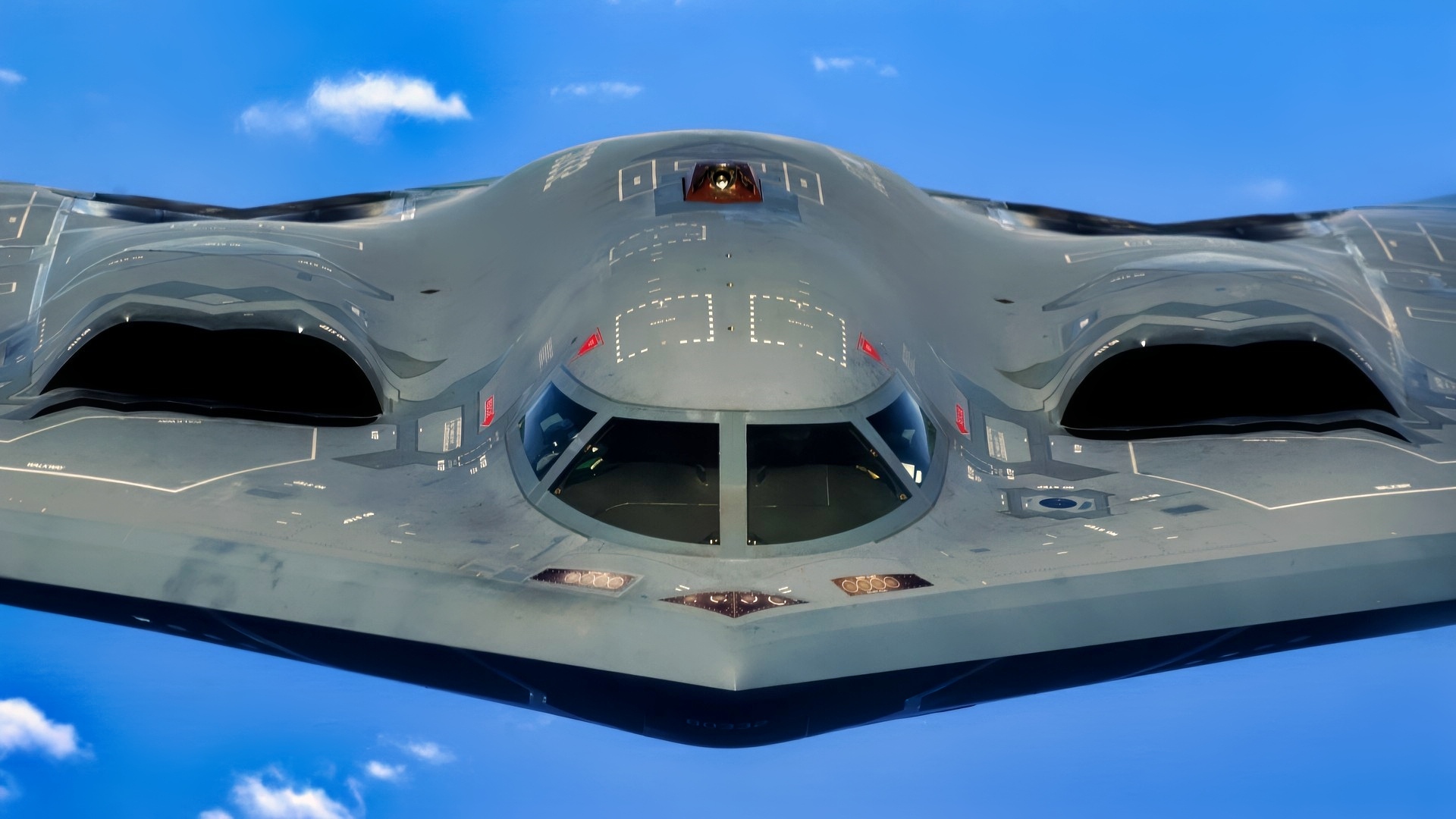
B-2A Spirit Stealth Bomber USAF Image.
“Aviation writer Rowland Evans quoted him as saying, ‘The Blackbird can’t fire a gun and doesn’t carry a bomb, and I don’t want it.’
“Then the general went on the Hill and claimed to certain powerful committee chairmen that he could operate a wing of fifteen to twenty [F-15E] fighter-bombers with what it cost him to fly a single SR-71.
“That claim was false. So were claims by SAC generals that the SR-71 cost $400 million annually to run. The actual cost was about $260 million.”
Rich later recalled that, “a general would always prefer commanding a large fleet of conventional fighters or bombers that provides high visibility and glory. By contrast, buying into Blackbird would mean deep secrecy, small numbers, and no limelight.”
Did The Air Force Act Too Hastily?
Was Rich’s assessment fair? While it may be tinged with a touch of scorn, it is hard to argue with Rich’s reasoning, which was justified just months later.
In August 1990, Saddam Hussein’s Iraqi Army invaded Kuwait. The United States led a coalition of countries during Operation Desert Shield and later Desert Storm to back Kuwait from Iraq.
During the months in the desert, many operational commanders, including General Norman Schwarzkopf, lamented the absence of expedited reconnaissance that the SR-71 might have contributed.
After the Blackbird’s final retirement flight in 1990, Senator John Glenn spoke in Congress, saying the retirement of the SR-71 was an error.
“The termination of the SR-71 was a grave mistake and could place our nation at a serious disadvantage in the event of a future crisis,” Glenn said. “Yesterday’s historic transcontinental flight was a sad memorial to our short-sighted policy in strategic aerial reconnaissance.”
The SR-71 was constantly pushed to its limits, and its high-speed flight demanded precision from both the crew and the engines. Inevitably, failures would happen; however, the pilots and crews had the utmost confidence that the aircraft would get them to and from their reconnaissance targets.
About the Author: Steve Balestrieri
Steve Balestrieri is a National Security Columnist. He served as a US Army Special Forces NCO and Warrant Officer. In addition to writing on defense, he covers the NFL for PatsFans.com and is a member of the Pro Football Writers of America (PFWA). His work was regularly featured in many military publications.


Eric Kilijanski
May 10, 2026 at 1:00 pm
Please don’t forget the KC-135Qs that air refueled the SR-71, without us they couldn’t do their missions.
(Tanker Nav,who ran the rendezvous, 1980s)