


Only 5% of fighter pilots in World War II achieved ace status — yet that 5% accounted for nearly half of all air-to-air kills during the war. In Korea, just 38 jet aces were responsible for more than a third of the 823 MiG-15s shot down by the Fifth Air Force. Air Force psychologist E. Paul Torrance studied 31 aces and 62 less successful combat pilots and identified four common traits: uber-aggressiveness, extreme self-confidence, fanatical devotion to flying, and high risk-taking. On the standard Big Five personality model, aces score low neuroticism, high conscientiousness, high extraversion, and low agreeableness. They process information fast and let go of their ego.
What Makes a Fighter Ace Might Surprise You
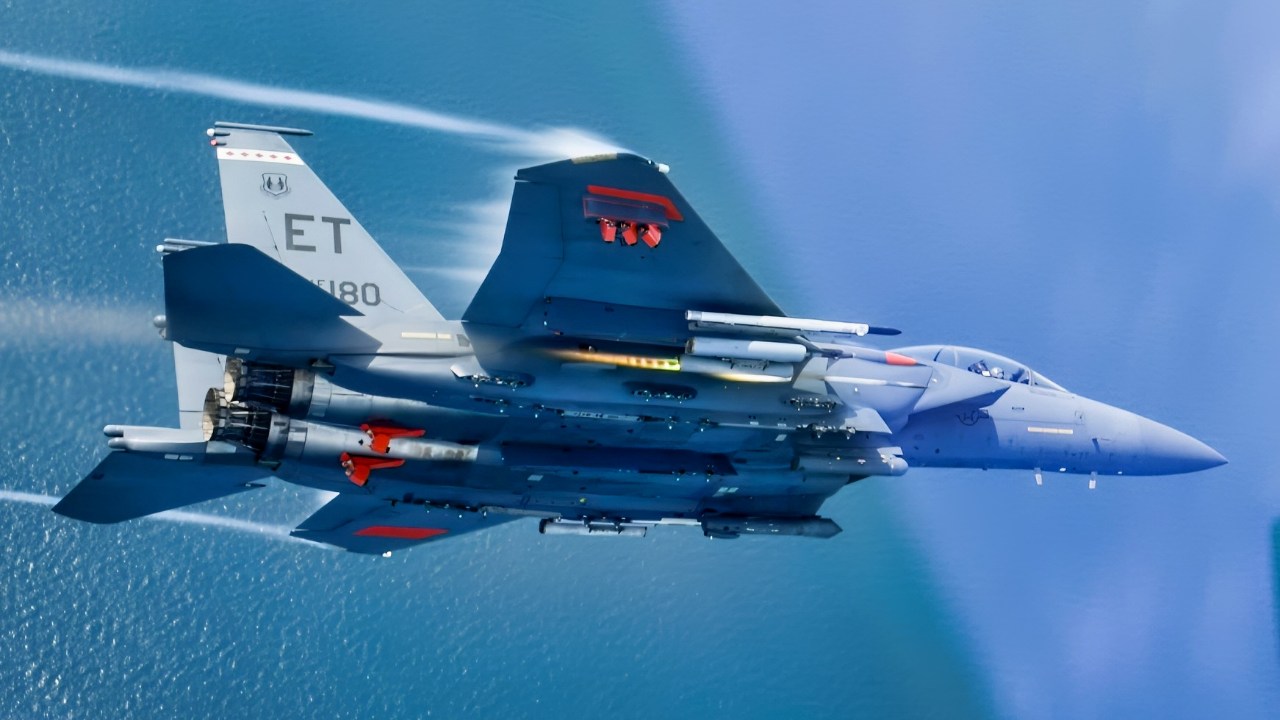
A 96th Test Wing F-15E Strike Eagle flies during a test mission May 22, 2025 over Eglin Air Force Base, Florida. The 96 TW and the 53rd Wing teamed up to test AGR-20F Advanced Precision Kill Weapon System II laser-guided rockets on the F-15E in May in an effort to get the capability to the warfighter as quickly as possible. (U.S. Air Force photo by Staff Sgt. Thomas Barley)
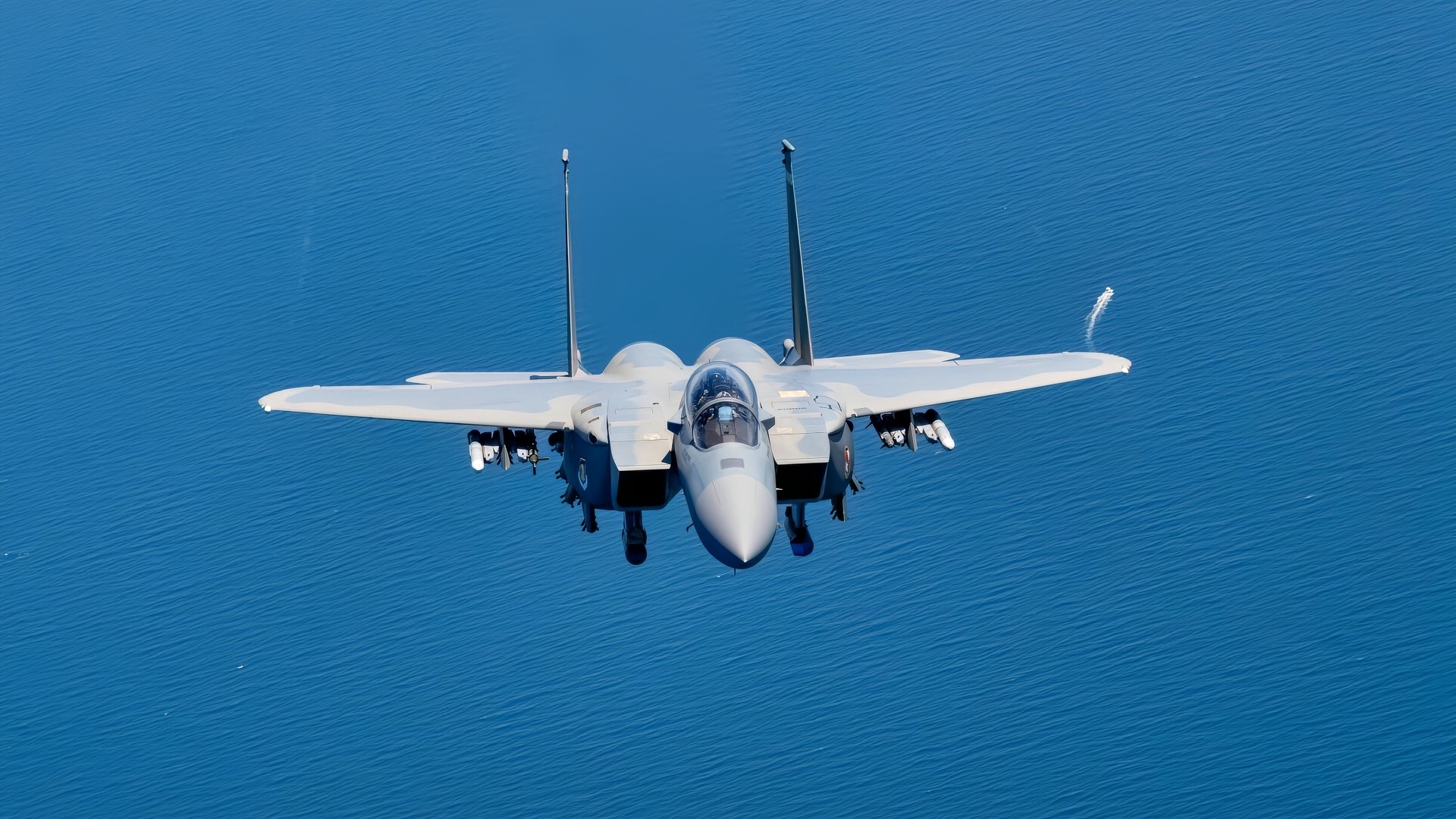
A U.S. Air Force F-15EX Eagle II flies over the Gulf of America, September 16, 2025. The F-15EX, from the 40th Flight Test Squadron at Eglin Air Force Base, Florida, is one of the first F-15EXs in the Air Force, and is going through developmental and operational test series at Eglin to confirm its operational capabilities before it is delivered to the combat Air Force. (U.S. Air Force photo by Staff Sgt. Blake Wiles)
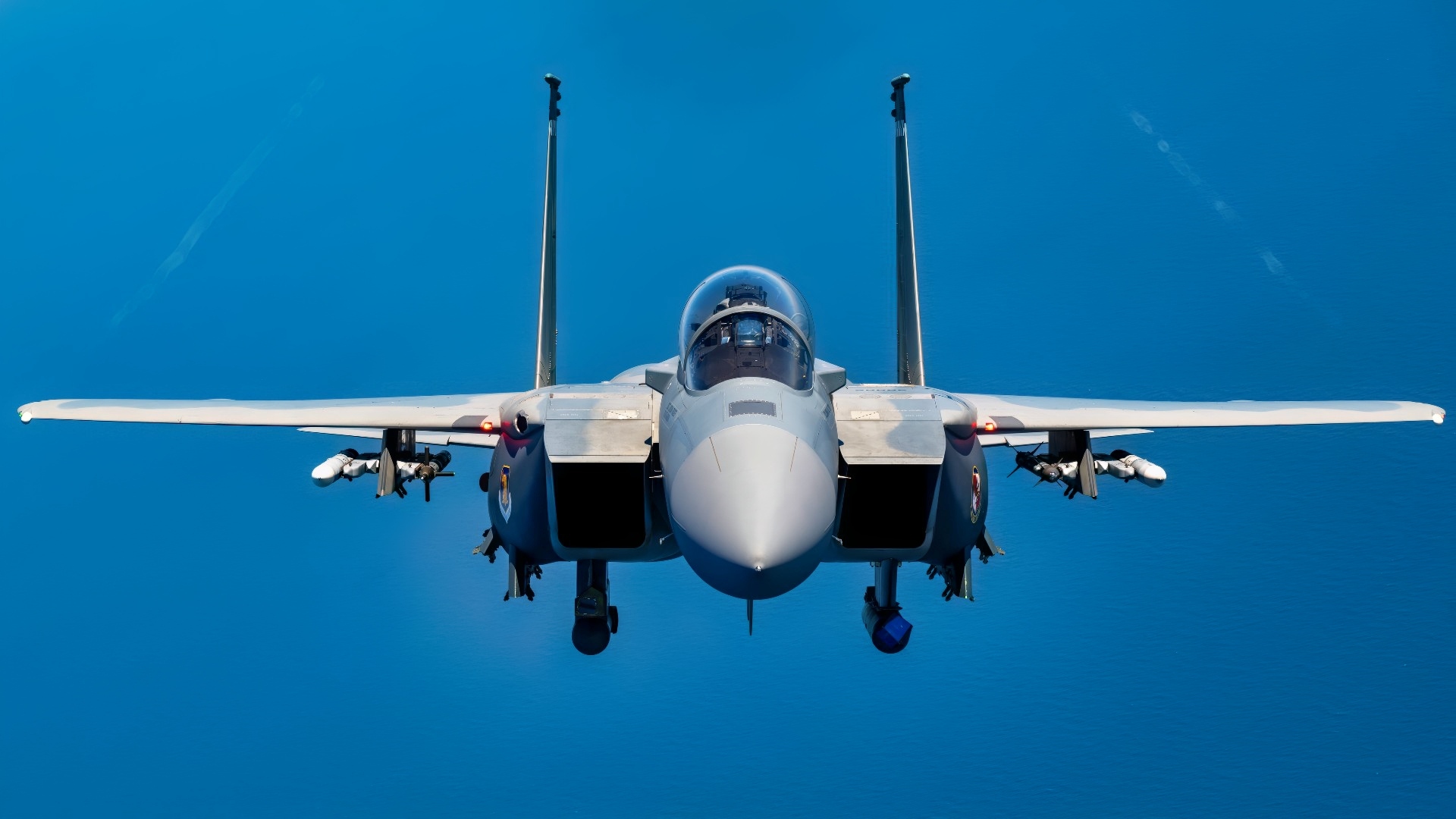
A U.S. Air Force F-15EX Eagle II flies over the Gulf of America, September 16, 2025. The F-15EX, from the 40th Flight Test Squadron at Eglin Air Force Base, Florida, is one of the first F-15EXs in the Air Force, and is going through developmental and operational test series at Eglin to confirm its operational capabilities before it is delivered to the combat Air Force. (U.S. Air Force photo by Staff Sgt. Blake Wiles)
What makes a good, or great, fighter ace?
The unique characteristics of fighter pilots have been studied extensively as air forces around the world seek the right people to fly their fighter aircraft, based on personality profiles.
Fighter pilots are fearless, highly self-disciplined, and have exceptional spatial and situational awareness.
Psychological studies on fighter aces have historically identified a specific personality profile often called the “right stuff,” characterized by extreme confidence, intense aggression, and a near-fanatical dedication to flying.
These pilots often display a unique combination of or shift towards being highly confident, analytical, and remarkably calm under extreme pressure.
What Exactly Is “The Right Stuff” Personality Profile?
According to research, including studies by Air Force psychologist E. Paul Torrance, top aces often share common psychological traits that distinguish them from less successful peers, among them was the single-mindedness of purpose.
Torrance looked at Korean War aces and sought the reasons why some pilots, with the same educational backgrounds and physical qualifications as others, were so outstandingly successful.

MiG-29 Fighter U.S. Air Force Museum July 2025. Image Credit: National Security Journal.
The leadership of the Air Force wanted to know why of the 823 MIG-15s shot down by the Fifth Air Force, well over a third were bagged by an elite handful of 38 jet aces, representing only 5 percent of all the Air Force fighter pilots who saw combat.
What he found among 31 aces and 62 less successful combat pilots was that the most successful aces had:
Uber-Aggressiveness: An active, proactive drive to take the fight to the enemy. These pilots would ask to fly more combat missions to challenge themselves against the enemy.
Extreme Self-Confidence: A high level of belief in one’s own skills and decision-making, which is quite different from arrogance. The aces trusted their skills and those of the aircraft they flew.
Kim Campbell, a retired Air Force Colonel with 24 years of service, and best remembered as the A-10 pilot who flew a crippled “Hog” back to base in southern Iraq after taking heavy anti-aircraft artillery damage in aerial combat over Baghdad during Operation Iraqi Freedom in 2003, had this to say.
“The motto at the Air Force Weapons School, the Air Force equivalent to TOPGUN, is to be humble, approachable, and credible.”
“We check our rank (and ego) at the door, so the more junior members can input freely and can provide feedback to the more senior members in the formation. A debrief keeps us humble by receiving honest feedback about our performance.”
That is the polar opposite of arrogance.
Fanatical Devotion to Flying: Intense focus on mastering their craft. They spent their time in the cockpit, as Torrance pointed out, with “a singleness of purpose.”
High Risk-Taking: A predisposition toward pushing boundaries, such as driving cars fast or engaging in rough, competitive sports as a youth, such as boxing or physical contact sports.
The “Big Five” Personality Traits Exhibited By Fighter Aces
When measured against the standard Big Five personality model, successful fighter pilots consistently exhibit:
Low Neuroticism (High Emotional Stability): Ability to remain calm and composed in life-or-death situations. The pilots were emotionally resilient, calm, steady, and generally unbothered by high-stress environments, such as flying combat missions.

Sukhoi Su-35 Fighter. Image Credit: Creative Commons.

Su-35 Fighter from Russia. Image Credit: Creative Commons.
High Conscientiousness: Extreme discipline, meticulousness with checklists, and focus on the mission. The pilots were mostly highly dependable, organized, methodical, and dedicated to long-term goals.
High Extraversion: Assertive, energetic, and socially active. The pilots tended to be more outgoing, energetic, talkative, and to gain energy from being around others.
Low Agreeableness: They are often less concerned with pleasing others and more focused on the mission. Pilots tend to be much more competitive, skeptical, highly objective, and prioritize their own needs or logic over pleasing others.
Fighter Aces Cognitive and Behavioral Strengths
Fighter aces generally demonstrate specific cognitive behaviors that influence their performance in combat.
They process information rapidly and correctly. The ability to take in vast amounts of data—such as monitoring fuel, spatial awareness, and enemy positions—and act on it in split seconds.
Pilots and aces specifically demonstrate outstanding situational awareness by maintaining a constant, accurate mental picture of the tactical environment.
They are constantly able to adapt and overcome hurdles. The capacity to rapidly adapt to changing situations and make decisions in high-stress, unpredictable environments is invaluable to combat pilots.
Just as in the Korean War, air combat in World War II unfolded in a similar scenario. Only 5 percent of WWII fighter pilots achieved ace status, yet those 5 percent accounted for nearly 50 percent of all air-to-air kills during the war.

P-51D Mustang Fighter. Image taken by National Security Journal Editor Harry J. Kazianis on July 19, 2025.
The most successful pilots are not just aggressive. However, they combine that aggression with immense skill and a calm, analytical approach to air combat. As Campbell stated, successful pilots constantly operate outside of their comfort zone, and “Let go of the ego and be humble, be approachable, and be credible.”
MORE – China Has Thousands of Missiles to Point at Navy Aircraft Carriers
MORE – Canada’s F-35 Purchase Could Get Squashed
About the Author: Steve Balestrieri
Steve Balestrieri is a National Security Columnist. He served as a US Army Special Forces NCO and Warrant Officer. In addition to writing on defense, he covers the NFL for PatsFans.com and is a member of the Pro Football Writers of America (PFWA). His work was regularly featured in many military publications.


