

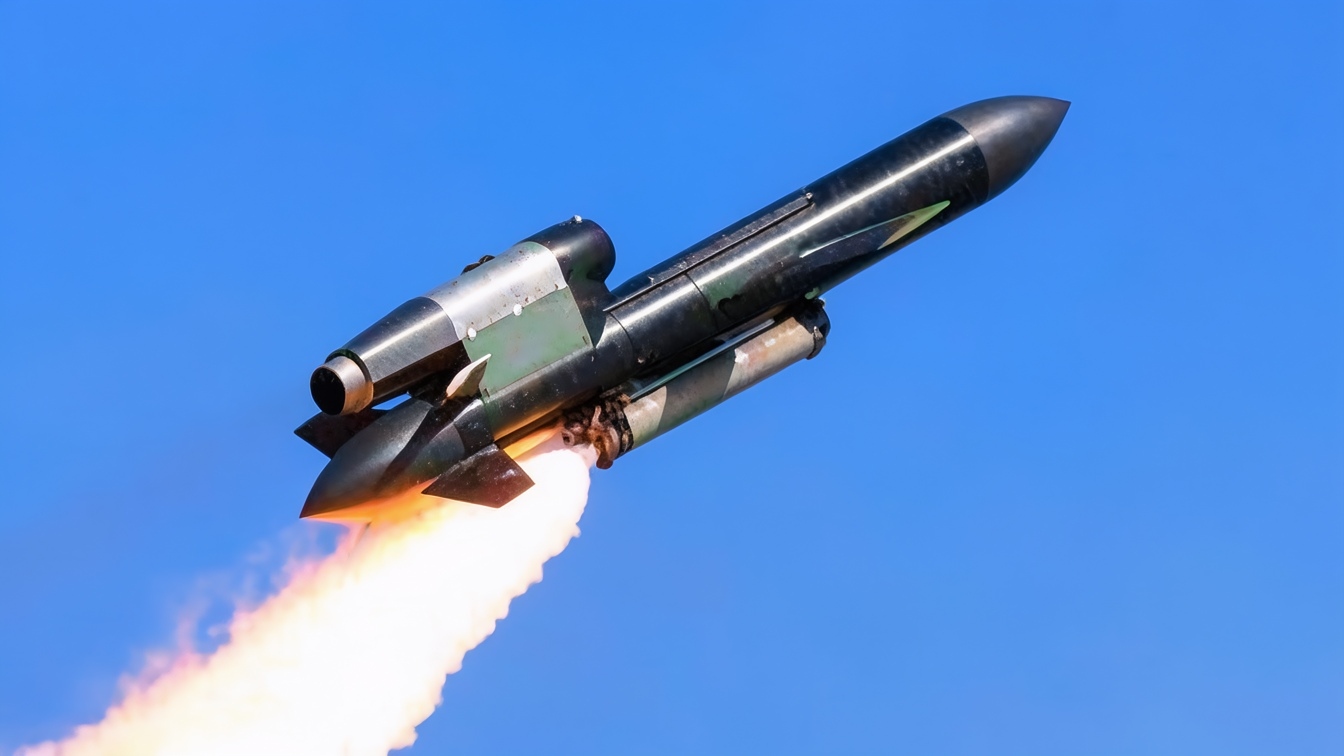
Ukraine on Monday pulled off a major drone strike, killing 13 people and injuring 39, in the city of Nizhnekamsk in the Tatarstan region, which is an oil industry hotbed more than 600 miles east of Moscow, CNN reported.
It was described as the deadliest attack to hit Russia in more than two years.
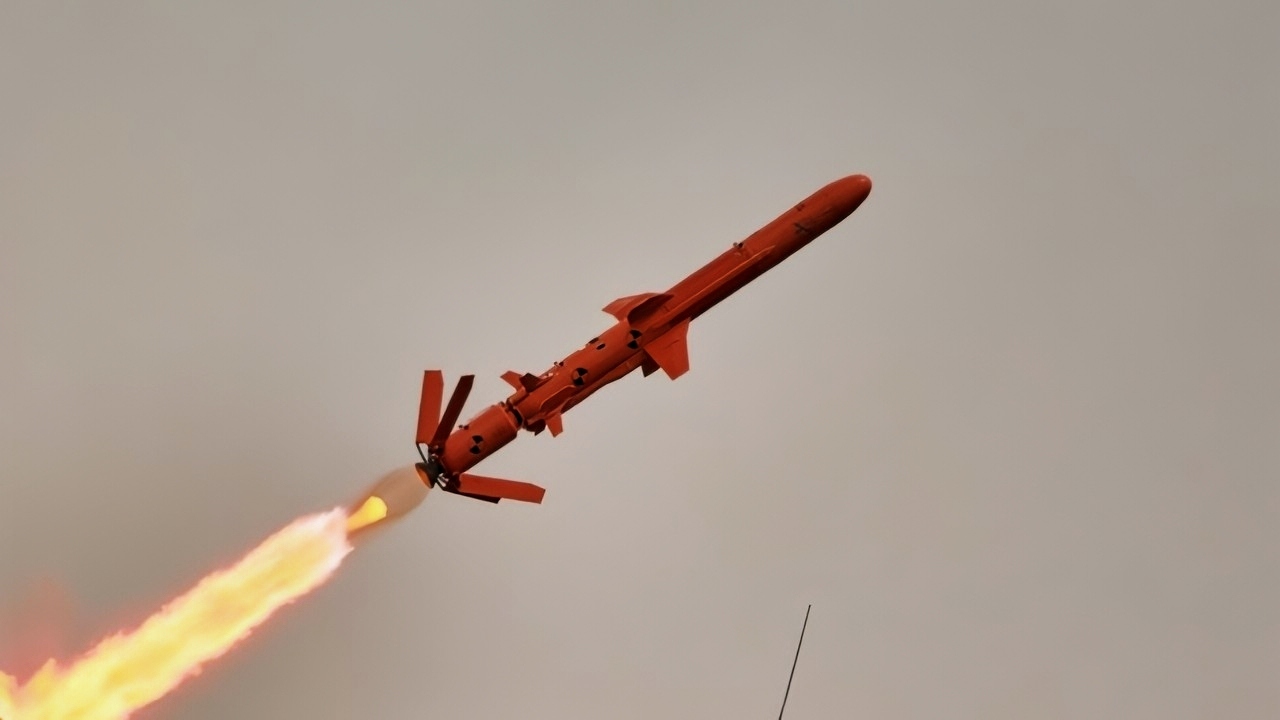
Neptune Missile from Ukraine Creative Commons Image
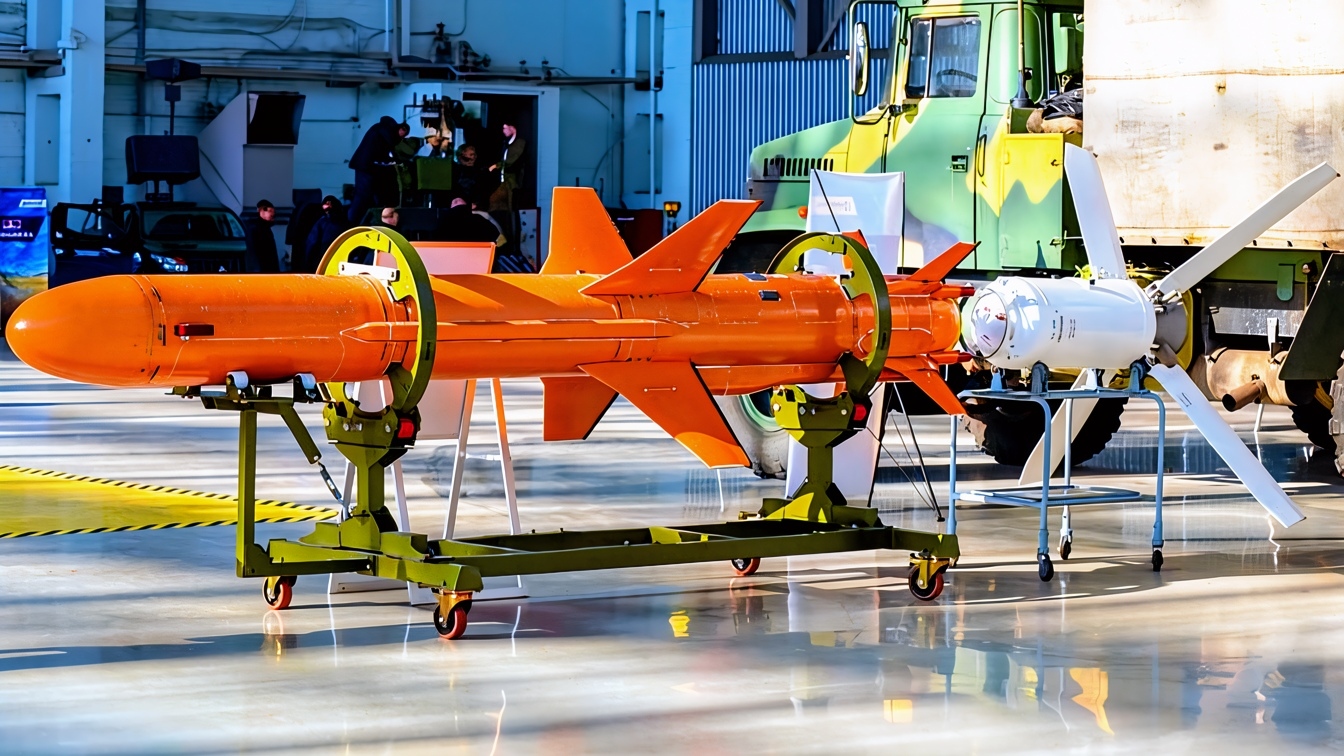
Neptune Cruise Missile Ukraine Government Photo
A subsequent AP story listed the number of injured at 75 and, citing Russian authorities, stated that a child had been killed.
Per Sky News, the attack was on an oil refinery in that region.
Ukraine of late has been striking Russia’s oil infrastructure, from refineries to oil tankers, in an attempt to disrupt Russia’s energy economy, with the ultimate goal of pushing the Russians back to the negotiating table.
A United 24 Media story about the strikes stated that Russia has restored “slightly less than half” of the refining capacity that was damaged in recent months by Ukraine’s spate of successful drone strikes.
CNN described videos that have surfaced on social media as depicting “a huge blaze raging and plumes of smoke rising from an area just outside the city, close to what appear to be the characteristic towers of an oil refinery.”
The attack, the BBC added, went on for “several hours,” overnight and into the morning. Russia, meanwhile, stated that 450 Ukrainian drones were shot down overnight.
Nizhnekamsk’s mayor, Radmir Belayev, said that “this is a tremendous pain for all of us.”
Per Reuters, the Uzbek Consulate in Kazan said Monday that seven Uzbek citizens were killed in the Monday attack in Nizhnekamsk.
A large number of Uzbek migrant workers are in Russia, providing remittances that are important to Uzbekistan’s economy.
As for that country’s position on the war, Reuters said, “Uzbekistan has struck a diplomatic balance on the war in Ukraine, maintaining close ties with Russia while also stressing support for Ukraine’s territorial integrity.”
Praise From the President
In a video posted to social media, Ukraine’s President Voldymyr Zelensky thanked Ukraine’s armed forces and security services, and stated that “the operation targeting Russian oil refining continues, and they really feel it.” He added that Russia’s anti-aircraft missile systems and radar stations were also hit in the Monday operation.
But the Ukrainian leader also sought to take steps towards potential peace talks and to discuss new air defense procurement with partners.
“The only reason this is still continuing is Russia’s unwillingness to end this war,” Zelensky said in the post. “This week, we will have new contacts with mediators, specifically regarding the steps and proposals that are needed.”
Inside Ukraine’s “Long Range Sanctions”
On Monday, on the same day as the successful Nizhnekamsk attack, Al Jazeera published a story about their time embedded with one of Ukraine’s long-range drone units, tasked with launching the types of attacks that Ukraine just carried out.
Zelensky and other Ukrainian leaders have described attacks on oil infrastructure and similar targets as “long-range sanctions,” and that term was also used by the Ukrainian units in the Al Jazeera story.
“Like an orchestra, every part has to work together in order for us to achieve effective strikes,” a man known as Colonel Ray, commander of the Kairos Battalion of the Magyars Birds Brigade, told the outlet.
The report examined the mechanics of long-range drone strikes, like the one on Monday.
Each drone, the report said, is about “the length of a compact SUV.” Once launched, the drones travel at 160km/h (100mph), although once they reach cruising altitude, their destination is controlled by a different team elsewhere in Ukraine.
On their journeys, the drones are careful to avoid areas with a high risk of interception by Russian air defenses.
And as demonstrated by the most recent strike, Ukraine’s drones are getting better at traveling long distances.
“Lately, Ukraine’s long-range drones are striking targets sometimes more than 2,500km (1,553 miles) inside Russia, reaching cities like Moscow and St Petersburg, across the Ural Mountains and even into Siberia,” Al Jazeera reported.
In early August, The Guardian profiled the same unit. They’re called Maygars Birds in reference to Robert Brovdi, the head of Ukraine’s unmanned forces, who goes by the call sign “Maygar.”
About the Author: Stephen Silver
Stephen Silver is an award-winning journalist, essayist, and film critic, and contributor to the Philadelphia Inquirer, the Jewish Telegraphic Agency, Broad Street Review, and Splice Today. The co-founder of the Philadelphia Film Critics Circle, Stephen lives in suburban Philadelphia with his wife and two sons. For over a decade, Stephen has authored thousands of articles that focus on politics, national security, technology, and the economy. Follow him on X (formerly Twitter) at @StephenSilver, and subscribe to his Substack newsletter.


