
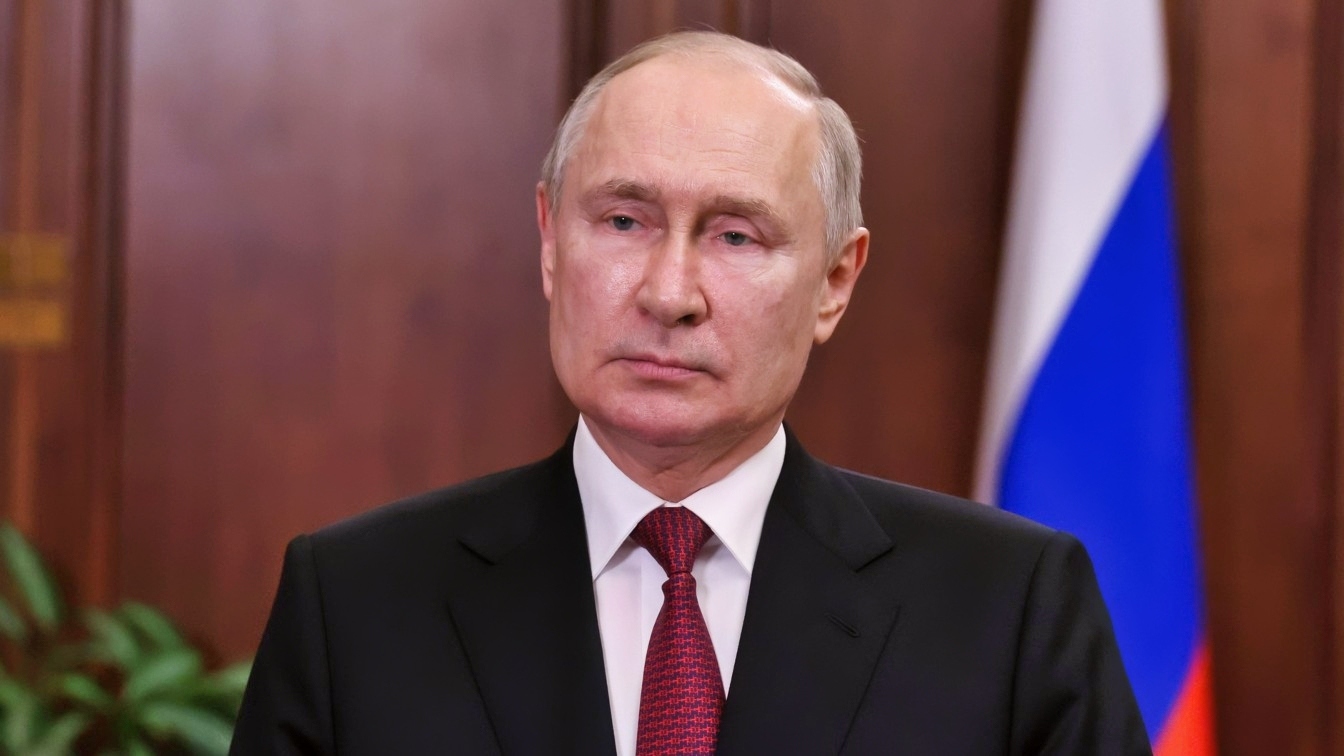
Russian President Vladimir Putin may publicly exude confidence about his military’s progress in Ukraine.
Still, the ongoing conflict is causing substantial financial pressure, with the cost of the war continuing to rise and new figures revealing the shocking extent to which Moscow has depleted its financial reserves.
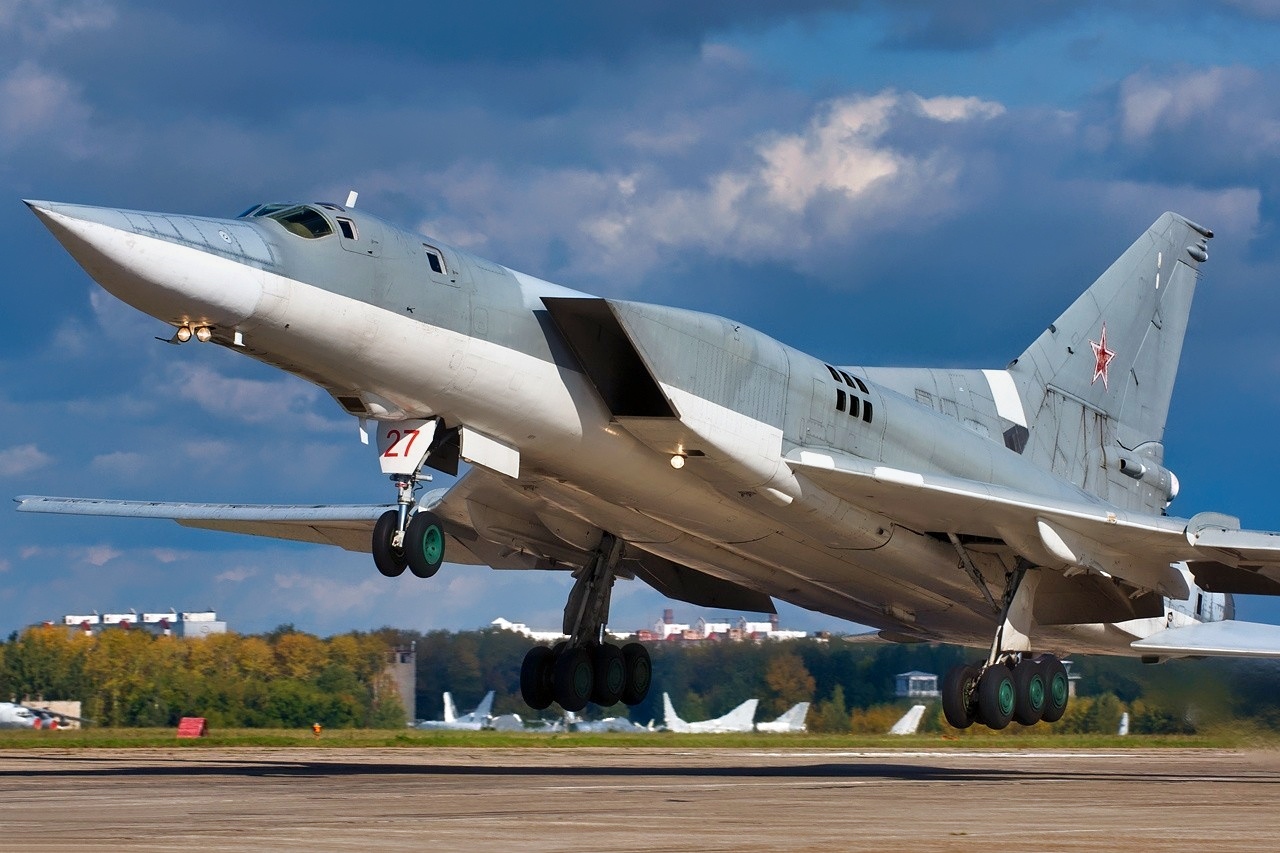
Tu-22M Backfire Bomber from Russia. Image Credit: Creative Commons.

Tu-22M3 Russian Bomber. Image Credit: Creative Commons.
On Thursday, November 19, Russia’s State Duma approved a three-year federal budget that includes a projected deficit of 5.44 trillion rubles, or around $66 billion, in 2027. It comes as the Kremlin prepares for yet another year of significant military expenses.
The news also comes as a report from the Bank of Finland, published on Friday, November 20, shows how Russia’s National Wealth Fund assets have dropped from 9.7 trillion rubles before the war to 3.6 trillion rubles by the end of 2026, slashing readily available assets by almost two-thirds.
Russia Approves New Budget
Russia’s parliament voted to approve the new 2027-2029 budget in its second reading on November 19. It follows weeks of negotiations over the country’s spending priorities, and the bill is expected to receive a final reading on November 24.
Under the budget, Moscow anticipates generating revenue of 43.3 trillion rubles next year, while spending 48.7 trillion. 2028 and 2029 are expected to see further deficits of 5.12 trillion rubles and 5.25 trillion rubles.
Per the budget, 8.7 trillion rubles will fund adjustments for national security, regional government, infrastructure, and defense initiatives.
The figures are far from ideal, but the budget is necessary, as Russia redirects its financial resources toward fighting a war that Russian President Vladimir Putin initially expected to last mere weeks.
Finance Minister Anton Siluanov also defended the government’s budget plans during a meeting on September 24, arguing that the projected deficit of 2.2% of gross domestic product next year does not threaten the country’s economic stability.
Siluanov said the budget was designed around the assumption that Urals oil will stay around $50 per barrel, meaning the government can meet its spending commitments even if oil prices remain relatively low. He also said additional revenue generated by higher oil prices would then be used to replenish the funds removed from the National Wealth Fund.
Military Spending Hits Record High
The budget comes as Russia plans to spend more on its armed forces next year than at any point since the invasion began in February 2022.
Reports revealed Russian government documents on September 28 showing planned military spending of 17.1 trillion rubles, or around $203 billion, next year. That figure represents a 27% increase over the 13.5 trillion rubles originally allocated for 2027.

Tu-22M Bomber from Russian Air Force. Image Credit: Creative Commons.
The Carnegie Endowment published an analysis in early October that found military expenditure would consume around 35% of the federal budget.
Still, when national security and law enforcement are included, the combined allocation reached 21.4 trillion rubles. The figure constitutes roughly 44% of planned government spending.
The same Carnegie Endowment analysis also found that the Kremlin had increased its overall spending plans for next year by 2.7 trillion rubles, compared with the previous budget, despite increasing allocated defense spending by 3.6 trillion rubles.
The difference means that around 900 billion rubles were taken from other spending priorities to accommodate the military’s needs.
The Bank of Finland’s November 20 report noted that combined military and classified expenditure has risen by around 30% during the first nine months of 2026 compared with the same period the year previous.
Spending Cuts, Higher Taxes
The figures mean that Russian civilians now face spending cuts and higher taxes. Moscow’s 2027 budget will reduce planned spending on social programs by 7% and education services by 6%.
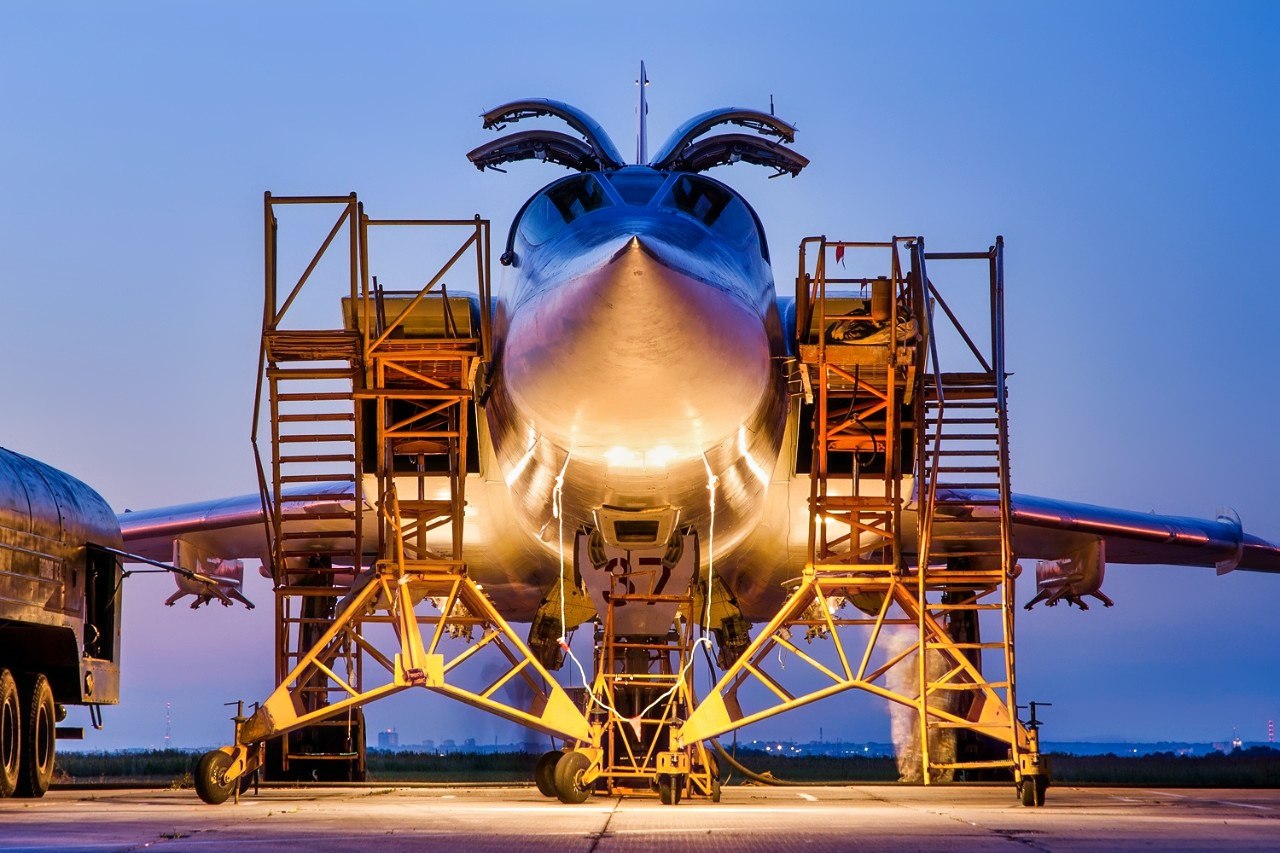
Tu-22M Bomber from Russia. Image Credit: Creative Commons.
Healthcare will also be cut by 6.8%, while infrastructure and other economic development programs are facing cuts of 7.4%.
The Russian government is also reportedly proposing new taxes to increase revenue. Reports revealed in October that Moscow was considering implementing a windfall profits tax on mining companies of as much as 30%, with higher taxes also planned on bank interest and investment income.
The Kremlin is also facing rising borrowing costs, with debt-servicing expenditure in 2027 expected to rise by 21.6% compared with earlier predictions.
Oil Revenue Problems
Moscow also needs to account for declining oil revenues, caused largely by Ukrainian drone strikes targeting its energy infrastructure.
Finance Ministry figures show that oil and gas tax revenues fell by 14.1% during the first ten months of 2026, reaching approximately 6.44 trillion rubles.
That revenue decline coincides with higher global oil prices and worldwide supply and refinery problems.
Ukrainian drone attacks continue to target Russian refineries and related energy infrastructure, causing domestic shortages of refined fuels and uncertainty about even the near future of the Russian energy industry.
About the Author: Jack Buckby
Jack Buckby is a British researcher and analyst specializing in defense and national security, based in New York. His work focuses on military capability, procurement, and strategic competition, and he produces and edits analysis for policy and defense audiences. He brings extensive editorial experience, with a career output spanning over 1,000 articles at National Security Journal, and has previously authored books and papers on extremism and deradicalization.


