
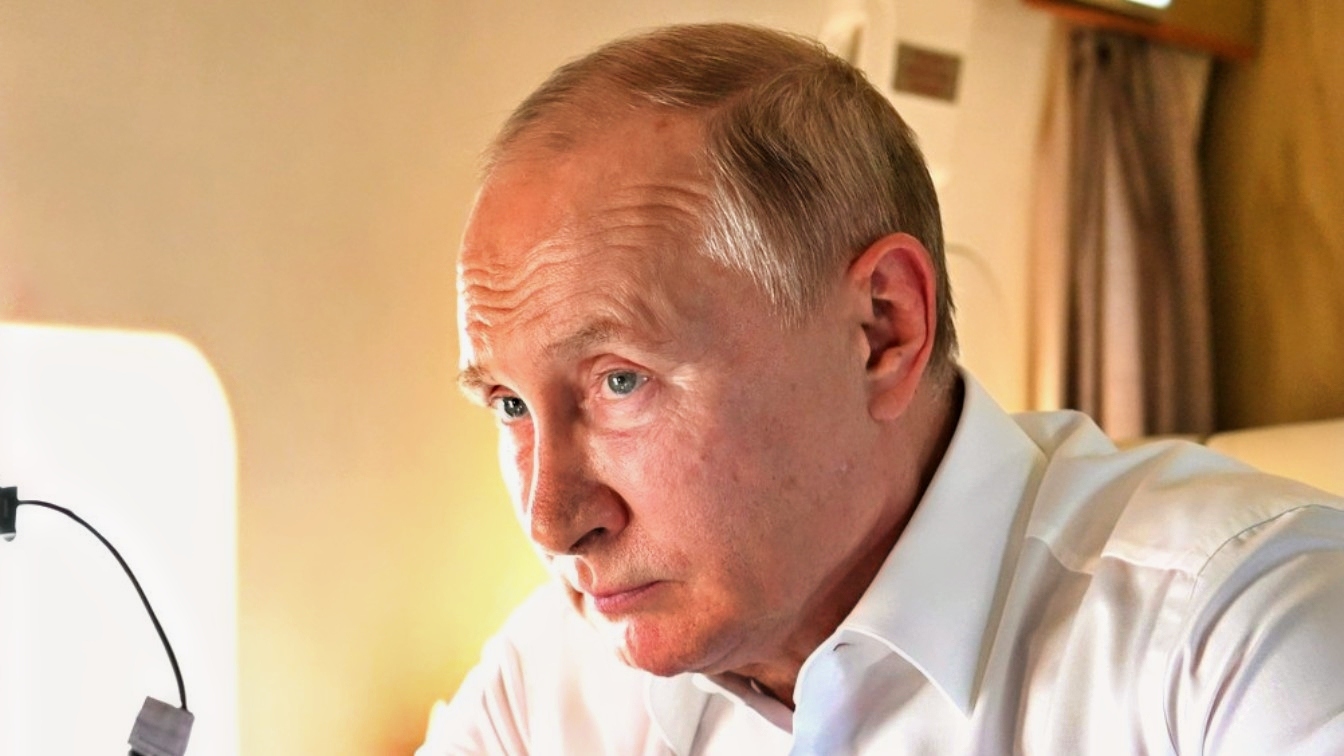
Putin Raises Taxes to Fund Ukraine War – Russian President Vladimir Putin is preparing to introduce a new round of tax hikes as the cost of the Ukraine war continues to put significant pressure on the country’s finances. On Thursday, October 29, Russia’s parliament approved the first reading of a new three-year federal budget that would see military spending increased to record levels. Taxes on businesses, investors, and consumers will increase.
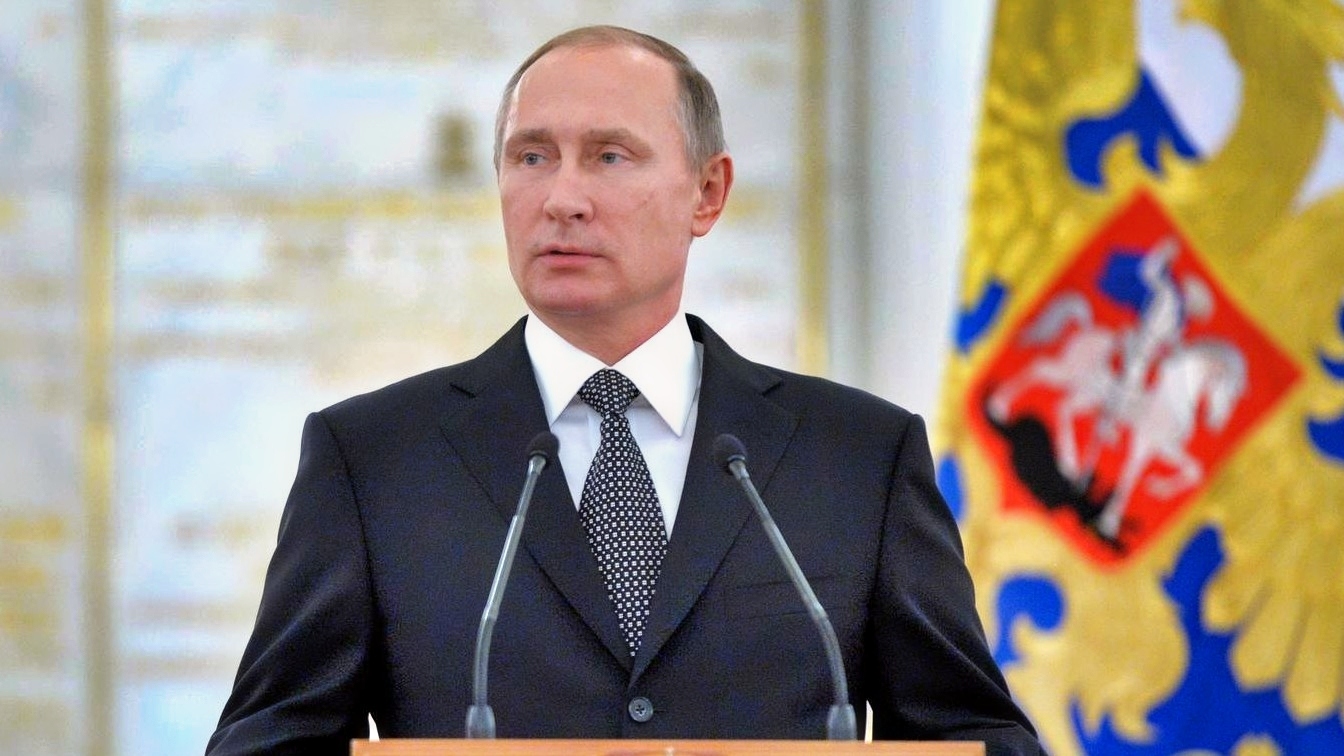
Putin Back in 2026 Photo From Russian Federation Collection Creative Commons
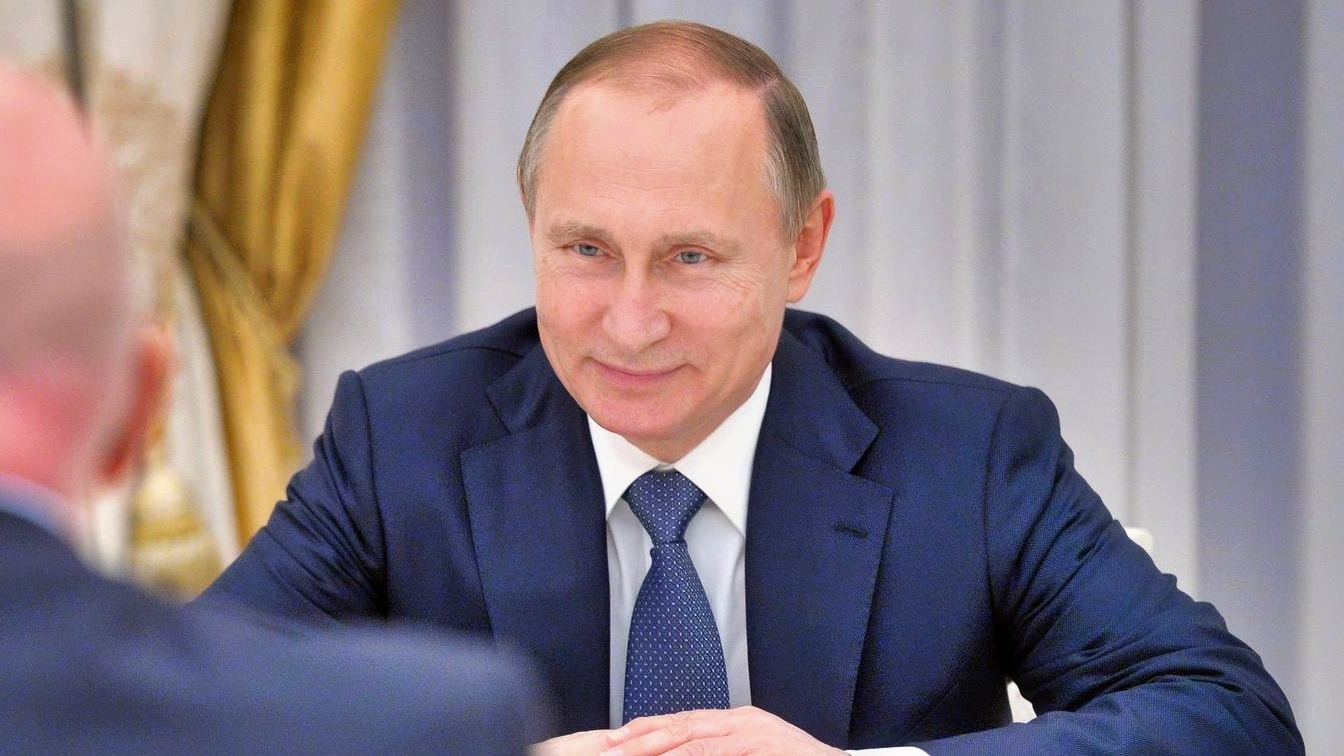
Putin In March 2016 Image Credit Russian Federation
The budget, which will cover 2027 through 2029, comes as Moscow faces significant war-related financial pressure, including rising borrowing costs and slowing economic growth. The country’s federal deficit has already exceeded earlier government forecasts.
According to Reuters, Moscow plans to allocate around 17.1 trillion rubles, roughly $203 billion USD, to national defense in 2027. Total military spending is expected to reach 50 trillion rubles over the next three years.
The new measures come as the war in Ukraine approaches its fifth anniversary.
Russian Parliament Approves New Budget
Russia’s State Duma approved the proposed budget on October 29. 372 lawmakers voted in favor and 51 abstained, while no lawmakers voted against it. Under the proposed budget, the government will allocate about 48.7 trillion rubles to federal spending next year, compared with expected revenue of 43.3 trillion rubles. That leaves a budget deficit of about 5.4 trillion rubles, or 2.2% of Russia’s gross domestic product (GDP).
Interfax reports that the government expects deficits of 5.12 trillion rubles in 2028 and 5.25 trillion rubles a year later.
The legislation will now go through additional readings before it is signed into law.
Military Spending Makes Up Almost Half of the Budget
Intellinews estimates that Russia’s defense and domestic security spending will account for about 44% of federal expenditure in 2027. A proposed allocation of 17.1 trillion rubles for national defense alone represents around 35% of the budget. An additional 4.3 trillion rubles will go toward law enforcement and national security measures. And those increased military and security expenditures come as civilian programs are scaled back and cut.
According to The Moscow Times, spending on healthcare and economic support is expected to fall by 3% each. Social support will also be reduced by 6%, and funding for housing and utilities is expected to be slashed by 8%.
Russian Finance Minister Anton Siluanov defended the draft budget during parliamentary discussions on Thursday, October 29, arguing that the government must maintain support for the armed forces while continuing to meet as many domestic obligations as possible. He said that the budget draft’s priorities include “fulfilling social obligations to our citizens, addressing the tasks of the special military operation, ensuring victory…and achieving the president’s national development goals.”
Mining Companies and Investors Targeted
The changes include new taxes targeting companies and individuals with investment income. The legislation will also introduce a new windfall tax of 30% on all qualifying mineral producers.
It will also introduce a 20% tax for gold producers. The government expects that the measure will generate around 200 billion rubles annually over the next three years.
Additional changes to the tax system, also approved, would broaden the tax base to a wider range of personal income, including interest on bank deposits and dividends. Rates will range from 13% to 22%.
Taxes will also apply to foreign online purchases, and small international parcels will face an additional customs charge.
The measures aim to raise more revenue for Moscow and prevent excessive new borrowing, which has become particularly expensive in recent years.
The Russian Economy Is In Trouble
The tax hikes come as the Russian economy struggles, with slowing growth and persistent inflation threatening the future—especially if the war does not end soon.
On October 23, the Bank of Russia held its benchmark interest rate at 14%, citing disruptions to domestic production and rising prices.
The central bank also raised its inflation forecast for next year to 7.1%-7.6%. Its previous estimate was 6%-7%. The Russian economy is expected to grow by only 0.6% this year.
Moscow still needs to borrow money, too, with government budget documents indicating that public debt may climb as high as 21.7% of GDP in 2027. Planned borrowing may also increase by 43% to 7.7 trillion rubles.
How Much Longer Can Russia Last?
Russia is not facing an imminent financial collapse, but the pressure is increasing — and the longer the war continues, the worse those effects will become.
On October 29, reports said the liquid assets of Russia’s National Wealth Fund, the country’s official sovereign wealth fund controlled by the Russian Ministry of Finance, have fallen to around 1.7% of GDP. The Kremlin’s financial reserves are therefore beginning to shrink.
Russia will eventually run out of financial buffers, with the Kyiv School of Economics warning that it may happen by 2028.
About the Author: Jack Buckby
Jack Buckby is a British researcher and analyst specializing in defense and national security, based in New York. His work focuses on military capability, procurement, and strategic competition, and he produces and edits analysis for policy and defense audiences. He brings extensive editorial experience, with a career output spanning over 1,000 articles at National Security Journal, and has previously authored books and papers on extremism and deradicalization.


