

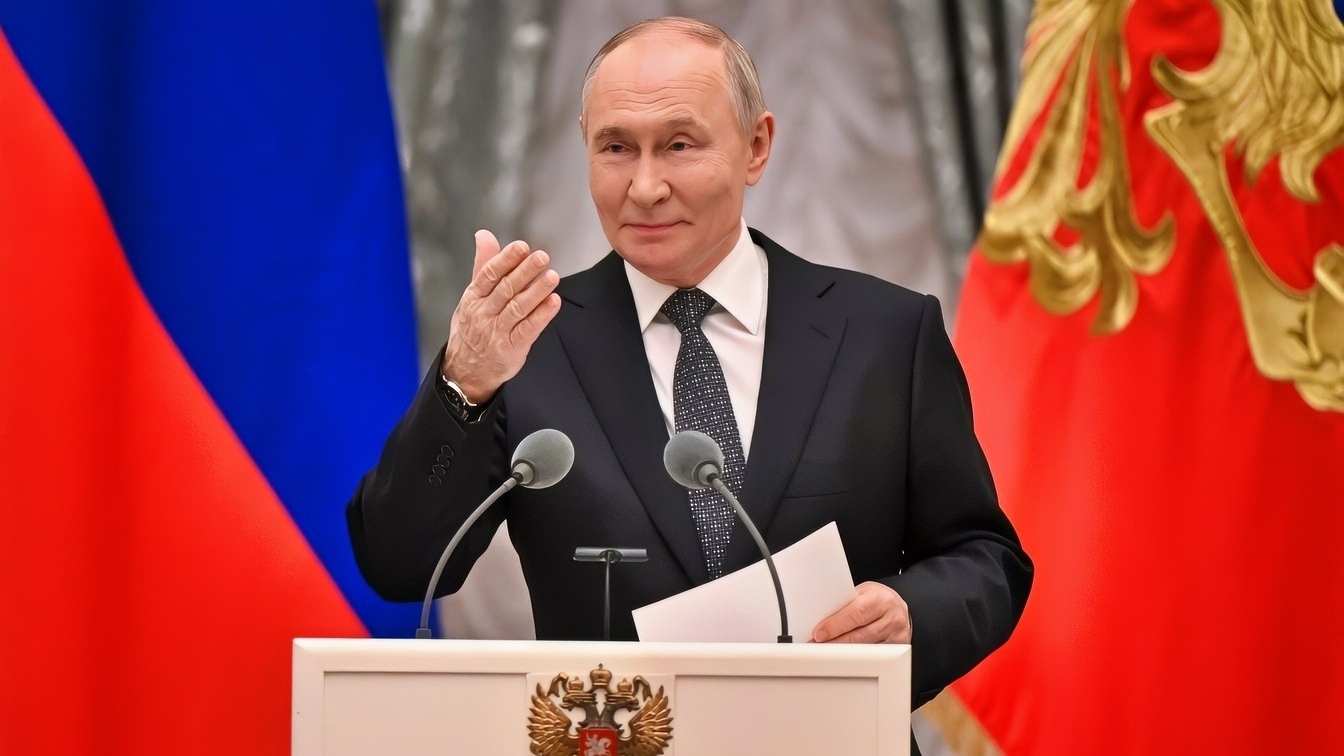
Summary and Key Points: Vladimir Putin has begun hinting that the war in Ukraine might be “coming to an end,” but a serious body of analysis argues he may not actually be able to end it, and not because of the battlefield. The case runs that four years of war have rewired Russia’s economy and society around the fighting, so a peace that forced ordinary Russians to confront its true human and economic costs could threaten the regime itself. The counter-case is just as serious: history shows failed wars rarely topple authoritarian rulers on their own, and Putin may have both the propaganda control to sell any outcome as a victory and far more room to maneuver than the “trapped” narrative allows.
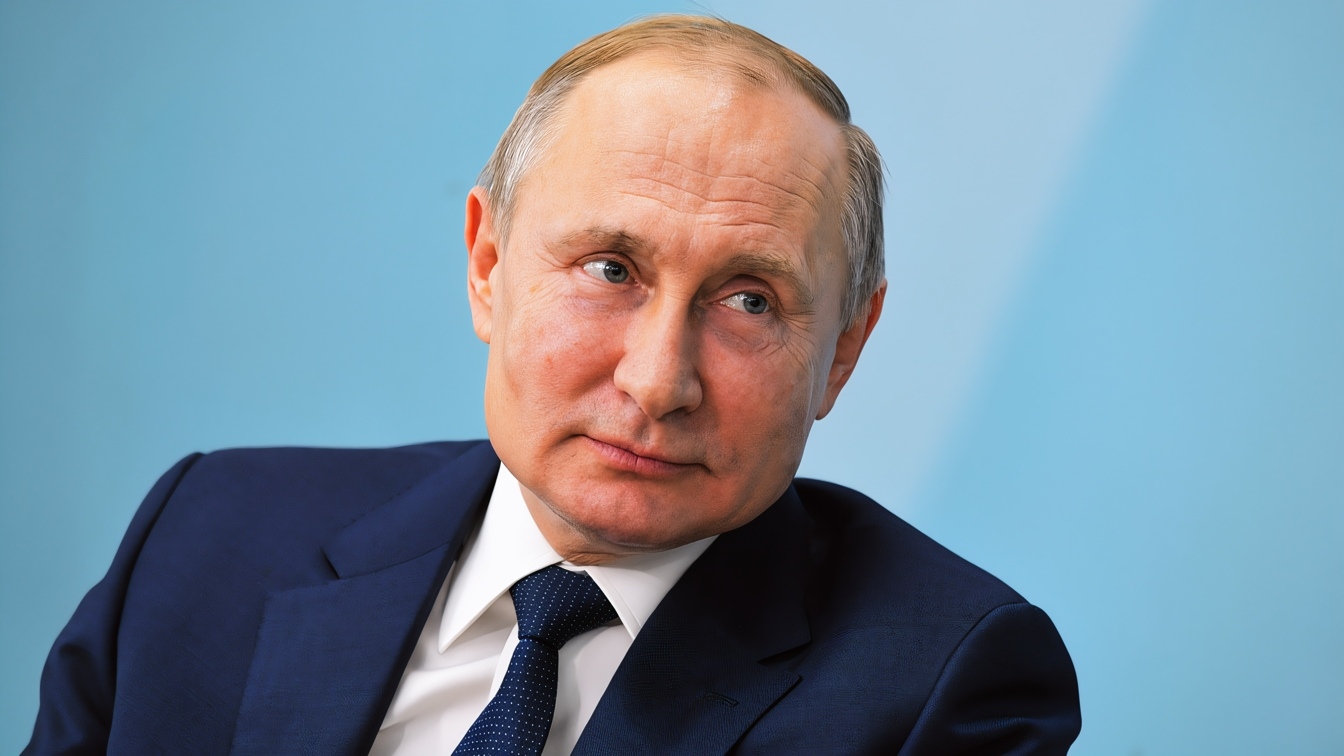
Putin in 2020 Russian Government Photo Handout
Putin’s Ukraine Challenge: An Introduction
On May 9, 2026, at a scaled-back Victory Day parade, Vladimir Putin said something he had avoided for years: that the war in Ukraine, he believed, was “coming to an end.”
Whether he meant it is anyone’s guess. But the remark landed in the middle of a real debate among Russia analysts, one that matters enormously for how, and whether, this war concludes.
The question is not only whether Putin wants peace, but whether he can afford it, because a growing school of thought holds that ending the war has itself become dangerous to his rule. It is a serious argument, and it is seriously contested.
The Case That He’s Trapped
The fullest version appears in a recent Foreign Affairs essay arguing that Putin cannot end the conflict because four years of fighting have reorganized Russia’s economy and society around it.
Whole regions and industries now depend on military spending; the value-added tax has been raised to 22 percent and now funds nearly half the federal budget; and the wartime promise that sacrifice would be rewarded is curdling into what the essay calls a bait-and-switch.
A parallel analysis by the research firm Recorded Future puts numbers to the political risk: defense consumes roughly 7 percent of GDP and around a third of the federal budget, the military-industrial complex employs some 3.5 million people, and Russia’s elite increasingly draws its wealth from defense contracts, so winding the war down threatens both mass unemployment and elite discontent.
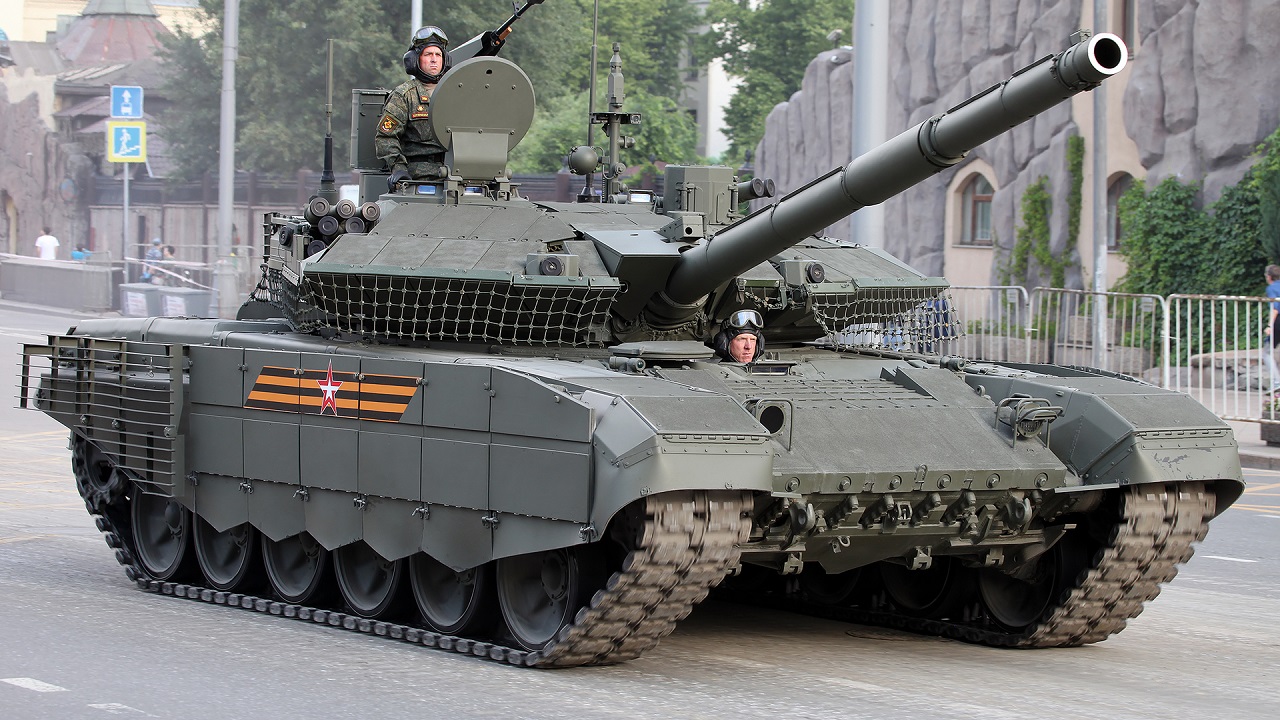
T-90M. Image Credit: Creative Commons.
The Atlantic Council frames the trap more starkly still, arguing Putin cannot accept a compromise without admitting a historic defeat that would place his own survival in doubt. Add hundreds of thousands of war-scarred soldiers returning home, and the argument is that peace forces a reckoning with the war’s true costs that continued fighting keeps at bay.
The Case That He Isn’t
The rebuttal is equally serious, and its strongest form is a War on the Rocks essay by Mariya Omelicheva of the National Defense University, pointedly titled “Putin Is Not Trapped.”
Its central point is historical: failed wars rarely topple authoritarian regimes on their own. Tsarist Russia’s 1905 defeat produced unrest but not collapse; Stalin absorbed the Winter War’s humiliating losses and reframed them as success; the Soviet withdrawal from Afghanistan is wildly overcredited for the USSR’s fall; and the Romanov monarchy collapsed in 1917 only when military failure combined with elite fragmentation, economic breakdown, and institutional disintegration. Authoritarian collapse, in this view, requires a cascade, not a single shock, and Putin’s system is built to absorb costs as long as revenue flows, elites lack an exit, and the security services stay loyal.
The Leak
He may not even need to be seen to lose. The Dossier Center, an exile investigative outlet, reported leaked Kremlin proposals to frame a negotiated peace as a victory, keeping Crimea and the Donbas while freezing the front, with propagandists instructed to sell it as a successful confrontation with the West.
The Honest Answer
The two camps agree more than they appear to. Both accept that the war has created powerful domestic reasons not to end it, which fits a Putin who stalls, feigns interest in talks, and keeps moving the goalposts. They divide on a single word: cannot. The trap view treats peace as potentially fatal; the skeptics treat it as merely costly and survivable, one more burden a ruler of more than two decades can absorb, frame, and outlast.
On the narrow question of survival, the evidence leans toward the skeptics, since an autocrat with this much control over money, media, and force is seldom undone by one decision. On tempo, it leans toward the trap camp because the domestic web is real and part of why the fighting grinds on.
The signal to watch is not a dramatic rupture but whether Russia’s mounting costs, its drained reserves, higher taxes, and the 81 percent of Russians who tell pollsters they want the war to end, harden into the kind of cascade history says actually brings autocrats down.
Until then, Putin is likely neither trapped nor free, but doing what he has done throughout: sustaining the war because, for now, it remains the safest option he has.
MORE – Trump Could Invade Kharg Island Next in Iran War Pivot
About the Author: Harry J. Kazianis
Harry J. Kazianis (@Grecianformula) was the former Senior Director of National Security Affairs at the Center for the National Interest (CFTNI), a foreign policy think tank founded by Richard Nixon based in Washington, DC. Harry has over a decade of experience in think tanks and national security publishing. His ideas have been published in the NY Times, The Washington Post, The Wall Street Journal, CNN, and many other outlets worldwide. He has held positions at CSIS, the Heritage Foundation, the University of Nottingham, and several other institutions related to national security research and studies. He is the former Executive Editor of the National Interest and the Diplomat. He holds a Master’s degree focusing on international affairs from Harvard University.


Raptor
July 11, 2026 at 6:40 pm
The Russian security “apparatus” will ensure Putins safety and with that his policy of aggression. In the other hand, Ukraine must answer with continuing and increased strikes into Russian territory. Force met with unmitigated determination.