

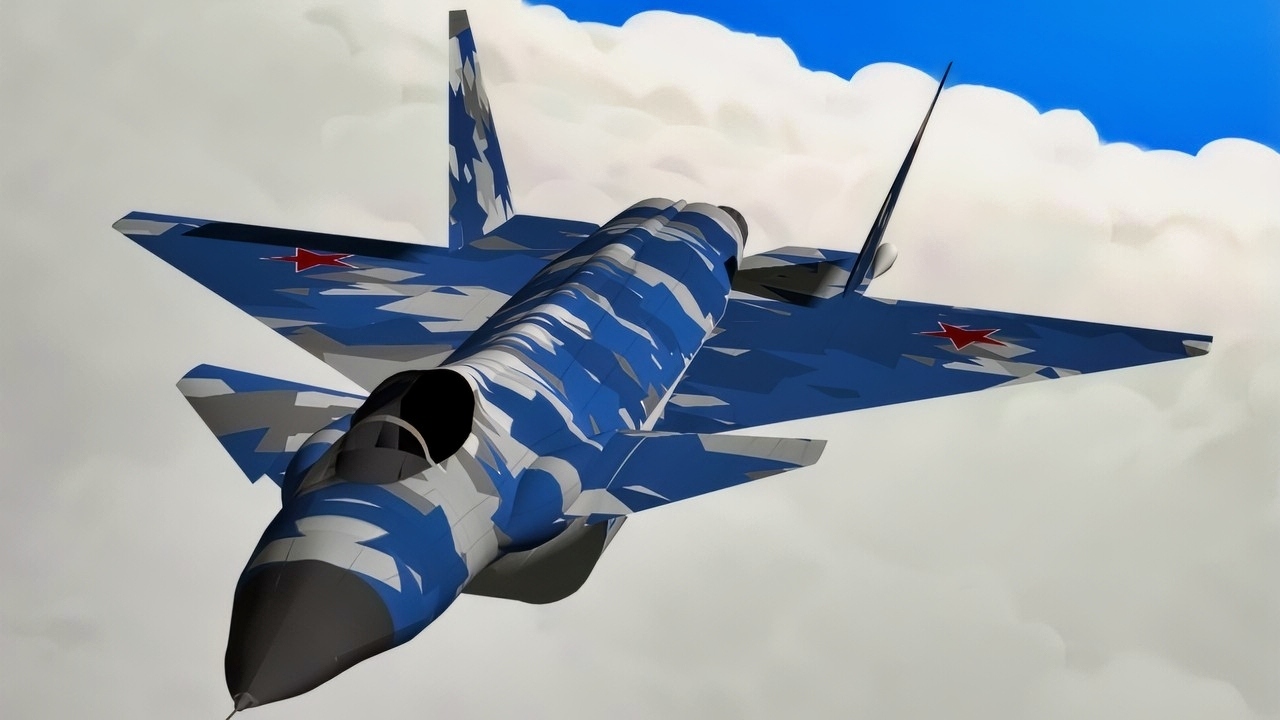
Russia’s MiG 1.44 5th-generation fighter prototype flew for 18 minutes total during its single test flight. The MiG 1.44 was built to compete with the U.S. F-22 Raptor stealth fighter. The MiG 1.44 made its only test flight on February 29, 2000, near Moscow. The aircraft rose to 3,300 feet over the LII Gromov Flight Research Institute. The MiG 1.44 hit a top speed of only 375 mph during the test. The aircraft’s planned top speed was MACH 2.35. The MiG 1.44 circled the installation 2 times with its landing gear down. The MiG 1.44 never flew again after the 18-minute test. The MiG 1.44 was Russia’s response to the U.S. Advanced Tactical Fighter program that produced the F-22 Raptor. Russia adopted some MiG 1.44 innovations for the later Su-57 Felon and Su-75 Checkmate fighters.
The MiG 1.44 Failure Fighter
It was time for the Russians to act fast. The Americans were developing a fifth-generation fighter jet that would later become the F-22 Raptor. Moscow was aware of the U.S. Air Force’s Advanced Tactical Fighter program, which spanned the 1980s. The project would eventually yield the Raptor. This was a competition between the YF-23 and the YF-22. The Russian air force had nothing like these prototypes, and Moscow’s strategists and battle planners were running scared.
What Russia needed most was a fifth-generation fighter jet comparable to the F-22. They would even settle for a new fourth-generation “+” or “++” fighter with higher levels of radar evasion. These airplanes would be better than the Su-27s and MiG-29s under development.

MiG 1.44 Fighter. Image Credit: Creative Commons.
Project MiG 1.44 Was the Answer
There were early attempts at crafting this whiz-bang warbird, but nothing emerged until Project MiG 1.44. The Soviets loved fast airplanes, and the MiG-1.44 would not disappoint. It was planned to reach MACH 2.35 with large delta wings and forward canards. New avionics would be some of the best in the business. The MiG 1.44 would also feature supercruise ability.
How Would the New Technology Be Tested?
First, engineers only envisioned the MiG 1.44 as a technology demonstrator. This made sense, given what the Americans were achieving with stealth flight. The Soviets needed a more effective radar-evading capability than the F-22. They decided that giving test pilots free rein to push the demonstrator beyond its baseline capabilities could lead to a new stealth fighter for serial production.
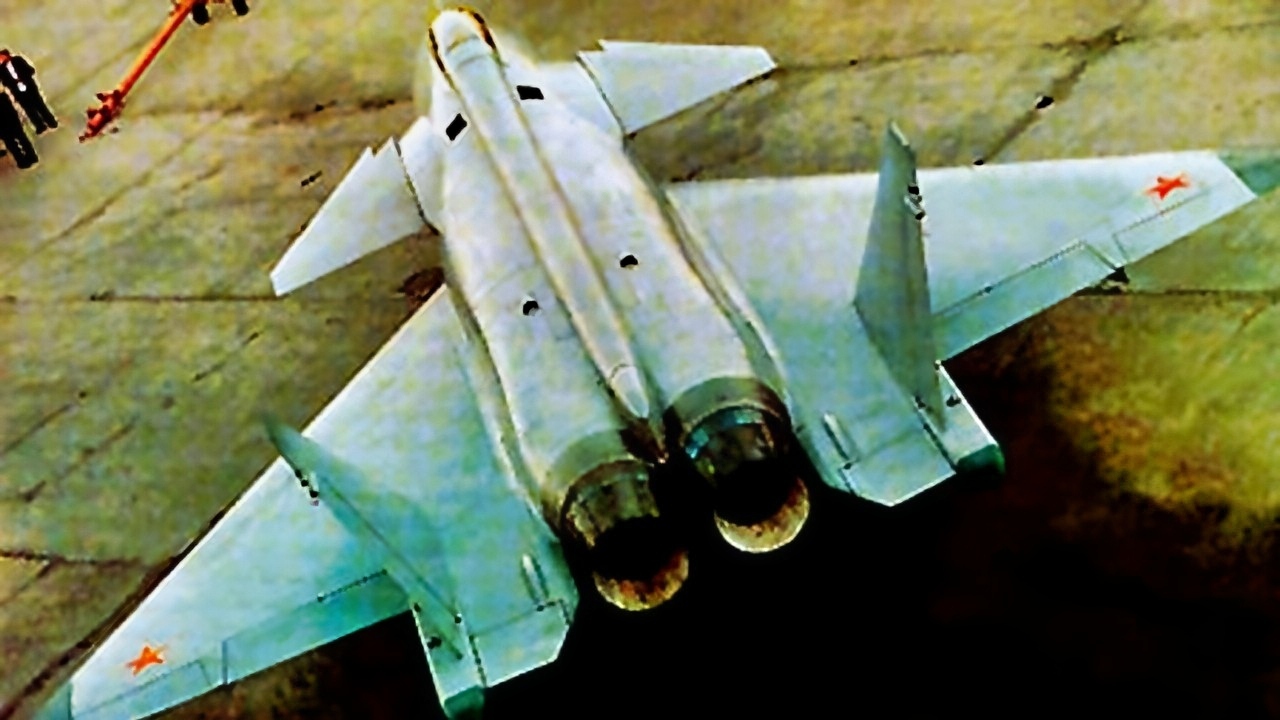
MiG 1.44 Russian State Media Picture
The End of the Cold War Took the Bite Out of the Russian Air Force
The designers got to work and fashioned a prototype in 1994. This wasn’t a good time for a new airplane, even one with great speed and stealthiness that could compete with the F-22. Defense budgets were trimmed after the end of the Cold War and the breakup of the Soviet Union. There was brain drain from the aerospace industry, with the best designers and engineers leaving Russia for other countries in the former Warsaw Pact that promised better pay and democracy.
Nevertheless, the Russian air force did not give up on the MiG 1.44. They wanted production to begin in 2000. That meant the Kremlin would have its own stealth fighter before the F-22 entered service in 2005.
It Only Flew for 18 Minutes
The aircraft made its initial test flight on February 29, 2000. It rose to 3,300 feet over the LII Gromov Flight Research Institute near Moscow, hitting a speed of only 375 miles per hour. It circled the installation two times with its landing gear down for 18 minutes. And that was it. The new warbird never flew again.
No F-22 Killer
Unfortunately, the MiG-1.44 proved elusive for the Russian air force. There was just not enough funding to proceed and beat the F-22 to the punch.
The new technologies were expensive and became a bridge too far without significant investment. The engineers grew frustrated as they had spent years on the project.

U.S. Air Force Maj. Josh Gunderson, F-22 Demo Team commander, enters into the Raptor Slide during the Millville Airshow, Sept. 3, 2021, at Millville Army Airfield, Millville, New Jersey. During the Raptor Slide the aircraft actually slides down and backwards under control before Gunderson adjusts the aircrafts position and powers out of the maneuver. (U.S. Air Force photo by Staff Sgt. Don Hudson)
Ground Warfare Was the Priority
Vladimir Putin had just come into office, and he had the Chechens to fight. Ground forces were the priority, and a large number of tanks and armored personnel carriers were needed to fight in Chechnya.
New next-generation airplanes just did not have the political willpower or funding to compete for scarce resources. There was also the need for Russia to focus on counter-terrorism, with some dreadful attacks at the hands of separatists. This required the Air Force to cut its budget.
The Precursor to the Su-57 and Su-75
However, since the MiG 1.44 had ample data collected during the research and development phase, Russia adopted some of these innovations to create the Su-57 Felon and the Su-75 Checkmate. So not all was lost.
But air force generals by then, who had been junior officers in the 1990s and 2000s, were disappointed that their country could have developed a fifth-generation fighter much sooner.

Su-75 Checkmate Stealth Fighter Russia. Image Credit: Creative Commons.
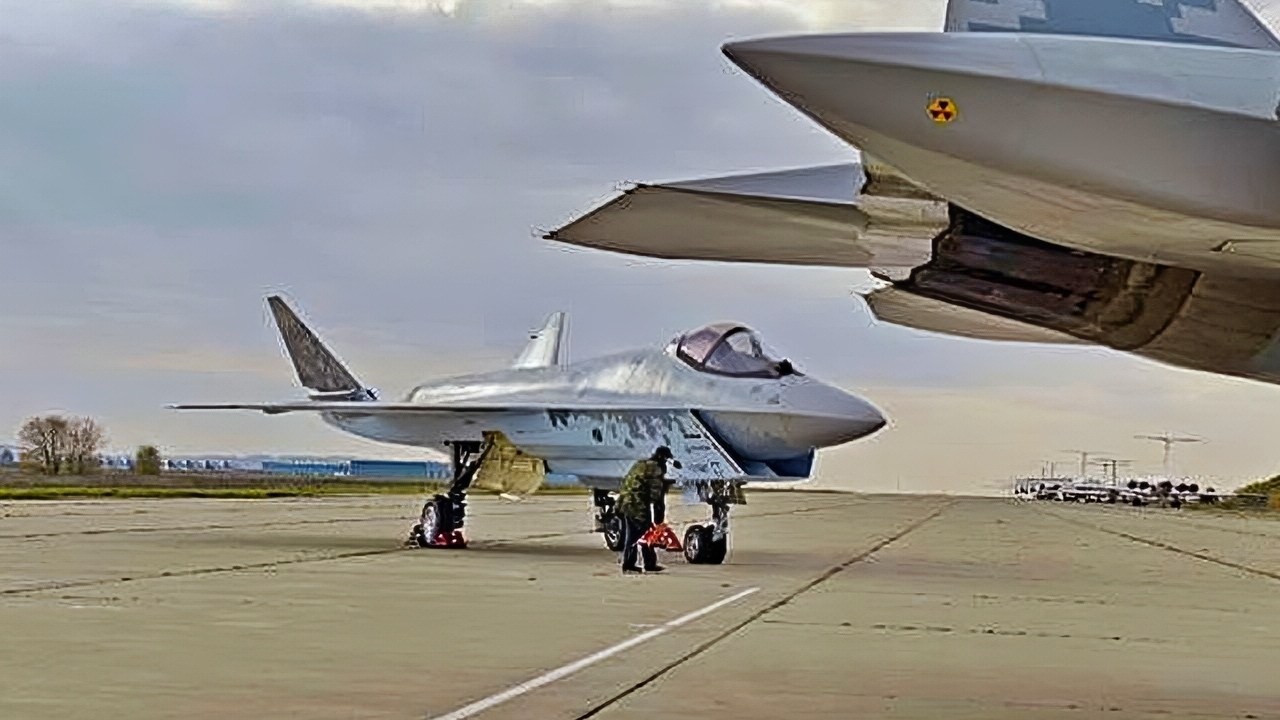
Su-75 Checkmate Fighter X Screenshot. Image Credit: X.
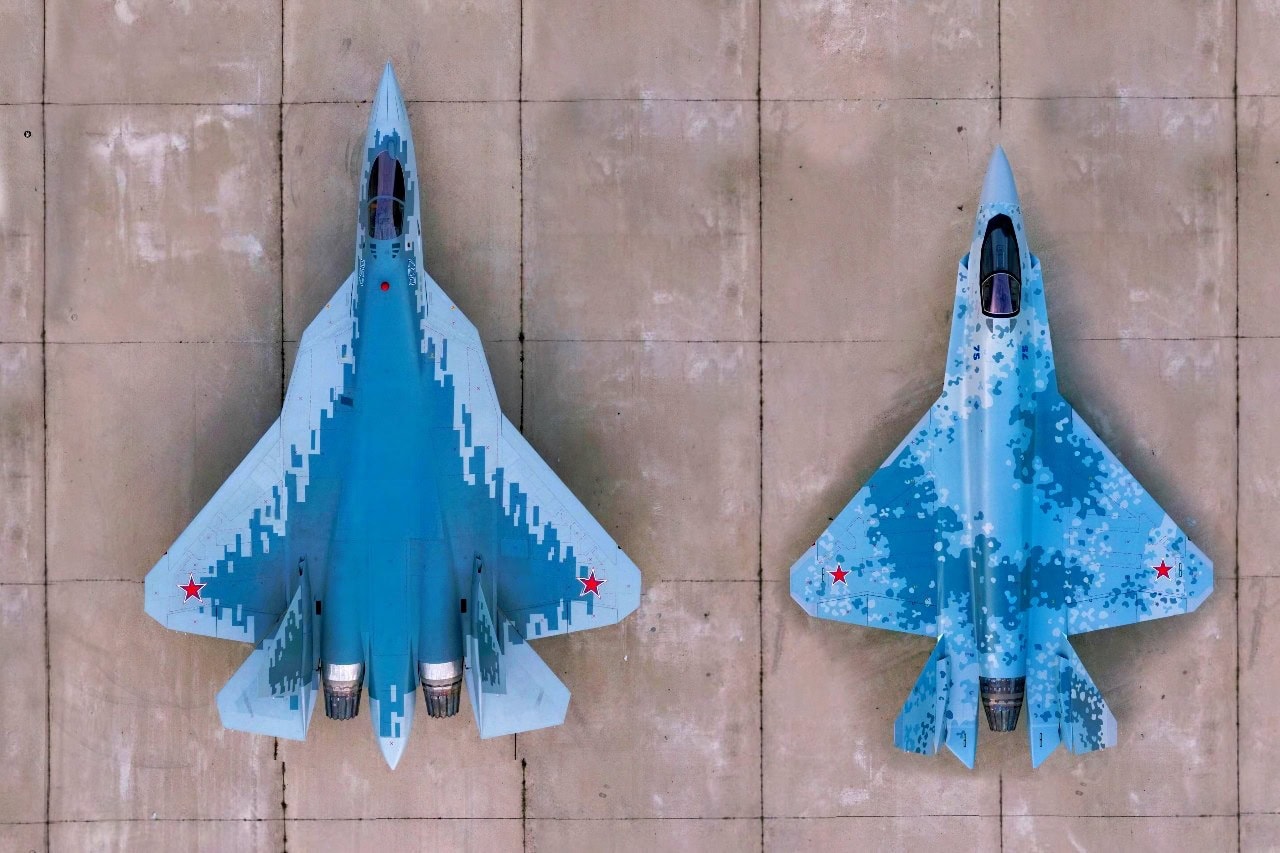
Su-57 and Su-75. Image Credit: Artist Rendering/Creative Commons.
Too bad for Russia. The MiG 1.44 had an innovative digital fly-by-wire system and a stability design that would have made it an excellent dogfighter. The top speed that was never reached would have been proficient to outmaneuver enemy jets.
Perhaps Not Stealthy Enough
One other problem was the lack of complete radar evasion. The canards, less-than-ideal engine compressor blades, and the aircraft’s relatively complex geometry decreased stealthiness.
There Were Other Features That Could Have Met Russian Needs
Russian media also made some claims that would have made the MiG-1.44 a worthwhile investment. There would be “reduced infrared, radar, and visual signatures and thrust vectoring for control at high angles of attack.”
Engineers also planned for the new jet to have ample electronic warfare capabilities to jam and spoof enemy radar and incoming missiles.
This is one program the Russians likely wanted to replicate despite its cancellation. There were many redeeming qualities, and the air force is likely still wondering what could have been: a fifth-generation airplane on the flight line in 2000, before the Raptor.

Su-57 Felon Stealth Fighter Taking Off. Image Credit: Creative Commons.
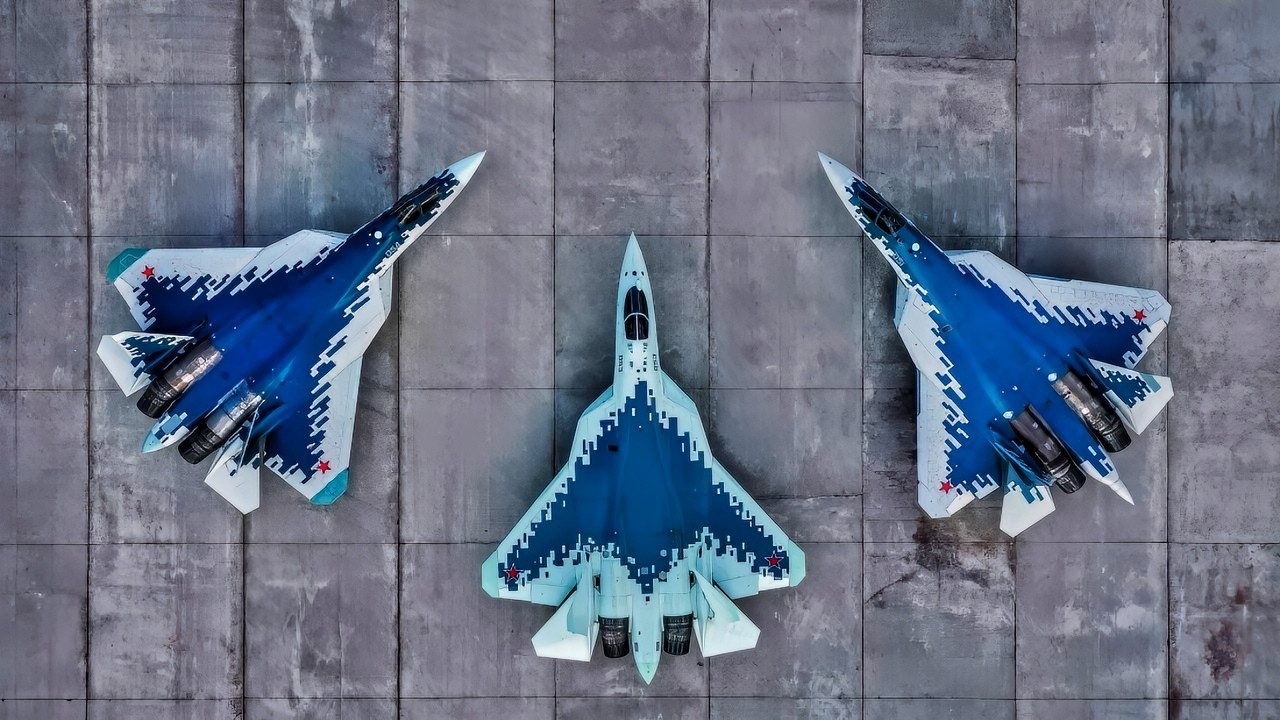
Su-57 Felon Screengrab from Russia. Image Credit: X Screengrab.
The disappointment likely still smarts. Project 1.44 had features used again in future programs, but losing the plot on what could have been a quality fighter is a cautionary tale about the dangers of misguided priorities and the inability to invest in airplanes with so much potential.
About the Author: Brent M. Eastwood, PhD
Author of now over 3,500 articles on defense issues, Brent M. Eastwood, PhD, is the author of Don’t Turn Your Back On the World: A Conservative Foreign Policy and Humans, Machines, and Data: Future Trends in Warfare, plus two other books. Brent was the founder and CEO of a tech firm that predicted world events using artificial intelligence. He served as a legislative fellow for US Senator Tim Scott, advising the senator on defense and foreign policy issues. He has taught at American University, George Washington University, and George Mason University. Brent is a former US Army Infantry officer. He can be followed on X @BMEastwood.


