

Key Points and Summary – Russia’s next-generation PAK DA stealth bomber program may never take flight, but experts have been debating the issue for years.
-The program, first mentioned in 2009, aims to create a subsonic flying wing to modernize Russia’s nuclear triad.
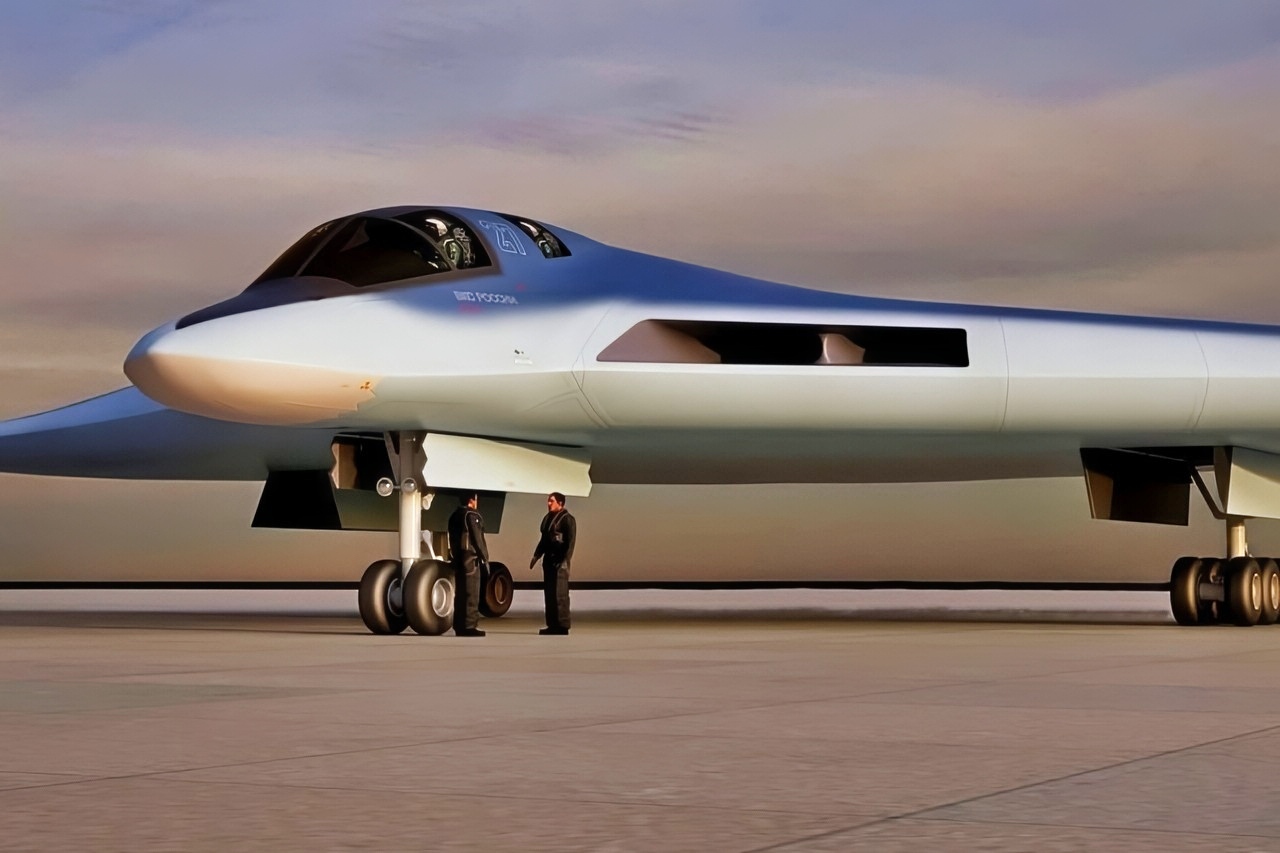
PAK DA Stealth Bomber Artist Rendering. Image Credit: Creative Commons.
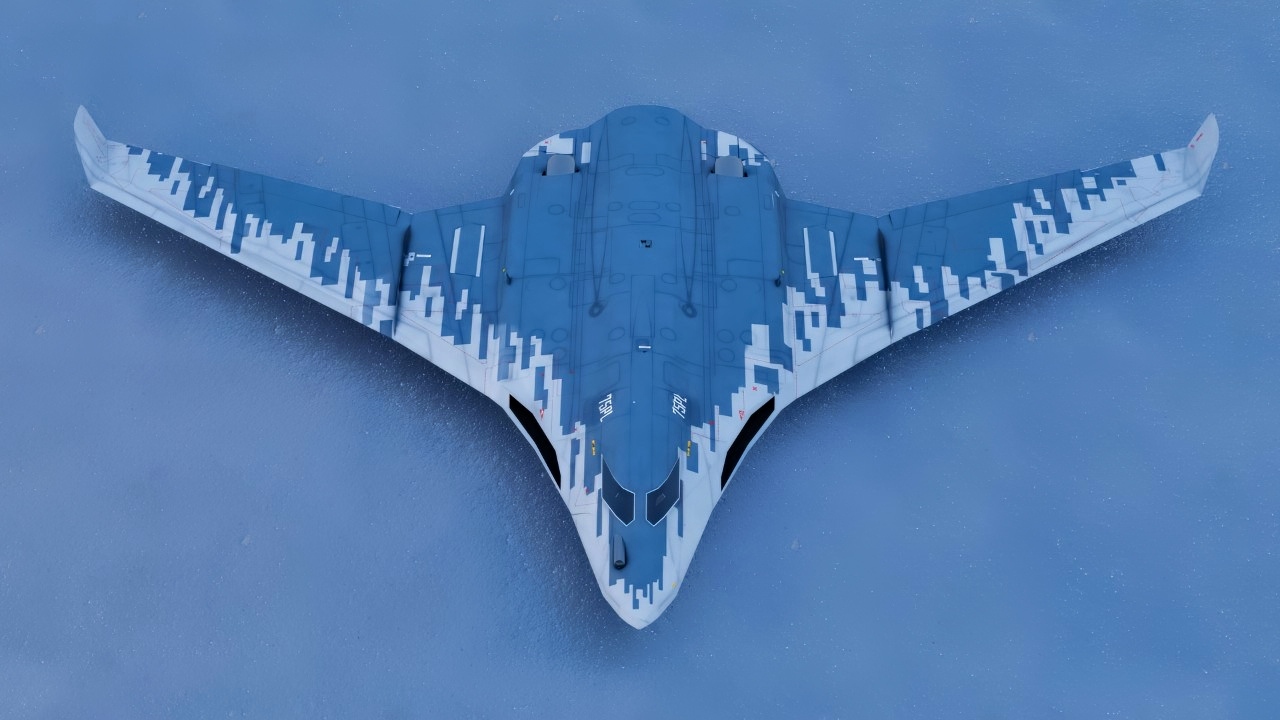
PAK DA Stealth Fighter Screenshot from X Artist Image.
-However, it has been plagued by repeated delays and a lack of verifiable progress. Significant hurdles remain, including the impact of Western sanctions and Russia’s limited industrial base for producing advanced stealth technology.
-While a prototype will likely fly eventually, the prospect of a credible, operational stealth bomber entering service anytime soon remains low.
Will Russia’s PAK DA Stealth Bomber Ever Fly?
Moscow’s much-vaunted PAK DA stealth strategic bomber has become a recurring question mark in defense circles over the years.
Promised for more than a decade, having first been publicly mentioned in 2009, the Russian bomber program is highly ambitious.
Should it ever fly, it will have direct implications for U.S. strategic posture, early warning systems, and the race to field the most advanced next-generation bomber.
What is the PAK DA?
The PAK DA (Perspective Aviation Complex for Long-Range Aviation) is intended to be Russia’s next-generation stealth strategic bomber.
Developed by Tupolev, the PAK DA is being designed as a subsonic flying wing optimized for low observability, with internal weapons bays and an emphasis on stealth over speed.
Its intended payload is projected to be around 30 tons (nuclear or conventional).
Its operational range, however, varies wildly depending on who you may ask.

PAK DA Bomber from Russia. Image Credit: Creative Commons.
Reports suggest, however, that it will have an operational range of roughly 7,500 miles, while others argue that it could be significantly larger.
Some sources have also suggested it will be capable of 30 hours of flight without refuelling.
In Russian planning, PAK DA is designed to complement and eventually replace the aging Tu-95 “Bear” turboprop missile carriers and the TU-160 “Blackjack” jet bombers, which have been the central assets of Russia’s strategic aviation force for decades.
Why the U.S. and NATO Should Care
If the PAK DA eventually enters operational service, it would pose a series of significant challenges for the United States.
A stealthy Russian strategic bomber would put pressure on the United States to detect the aircraft and be prepared for launches in contested theaters, such as the Arctic. With PAK DA, Russia will be able to penetrate deeper before launching standoff weapons, complicating American intercept planning.
Moreover, PAK DA would further modernize Russia’s nuclear triad, pairing with new ICBMs and naval assets to create a stronger, more formidable deterrent. With this in mind, the U.S. B-21 Raider program, designed to replace the B-2 Spirit stealth bomber, is not only a power projection project but also a hedge against new bomber threats from Russia.
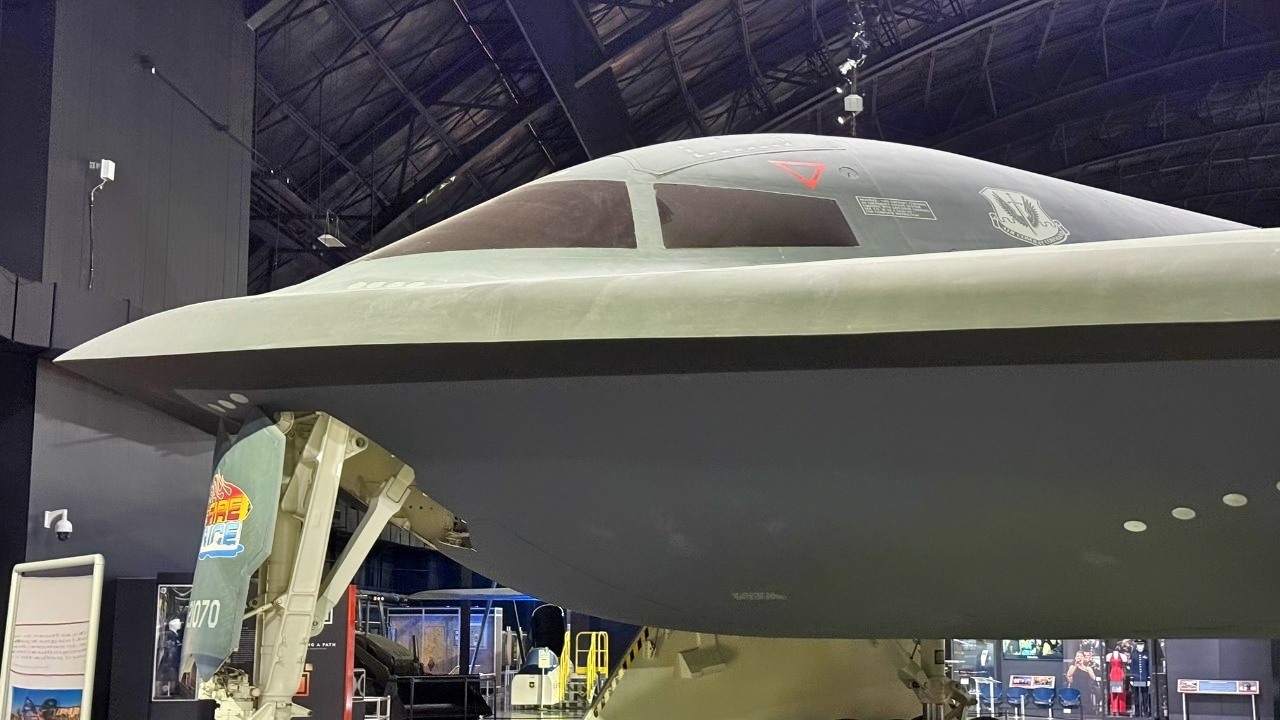
B-2 Bomber At U.S. Air Force Museum. Image Credit: National Security Journal.
By fielding a next-generation stealth bomber, Russia could reshape regional balances and pose new deterrence dilemmas for NATO, potentially imposing rising cost burdens on American/NATO air defenses.
What We Do and Don’t Know
Public and official data on PAK DA remain sparse.
Russia has confirmed that the program is active and that prototype work is underway. Officials have said that the first flight is intended to take place sometime between 2025 and 2027, though those dates have shifted repeatedly.
Russian state media has claimed that multiple prototypes are under construction and that engine bench tests are underway, though verifying those details has proven challenging for Western analysts.
There is more that we don’t know than we do know about the project so far.
There are no confirmed flight images or test reports available in open sources.
There is also no confirmed evidence of full-scale flight testing.
Additionally, the budget, industrial capacity, and sanctions constraints are opaque.
It’s unclear at this stage just how badly Western sanctions have impacted the program.
Still, given Russia’s track record of evading those sanctions in various and creative ways, workarounds may have already been devised.
That being said, those sanctions will still play their part in delaying the project, while material and avionics constraints will force their own compromises.
Russia, after all, already lacks a decades-long stealth industrial base on the scale the U.S. has.
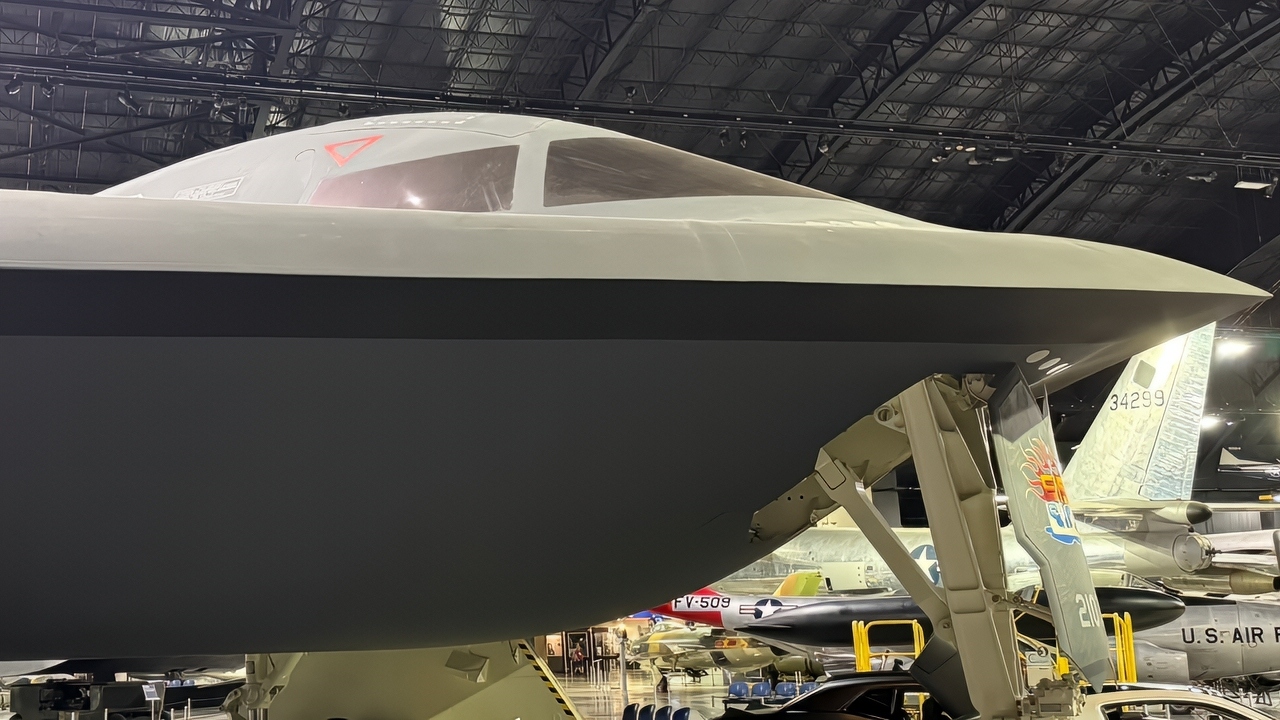
B-2 Bomber Really Close Up National Security Journal Photo
Real stealth performance not only depends on understanding the technology, but also on the infrastructure required to make it a reality.
Trade-offs are likely to occur during the manufacturing of the new aircraft, and those trade-offs will inevitably degrade PAK DA’s stealth.
Will It Ever Fly?
Given the progress so far, the probability that a credible PAK DA prototype will fly soon is low – but not zero. While a new stealth bomber is ultimately inevitable, progress so far has been underwhelming and slow.
On the positive side, though, Russia has a track record of building large bombers.
Tupolev, who is overseeing the project, is a capable design bureau.
Not only that, but the political will is evident: the Kremlin continues to tout PAK DA in speeches and briefings.
U.S. intelligence reportedly considers Russia’s progress ahead of China’s H-20 in some respects, too.
So, will it ever fly? Yes. Will it fly soon? It’s simply too early to tell.
About the Author:
Jack Buckby is a British author, counter-extremism researcher, and journalist based in New York who writes frequently for National Security Journal. Reporting on the U.K., Europe, and the U.S., he works to analyze and understand left-wing and right-wing radicalization, and reports on Western governments’ approaches to the pressing issues of today. His books and research papers explore these themes and propose pragmatic solutions to our increasingly polarized society. His latest book is The Truth Teller: RFK Jr. and the Case for a Post-Partisan Presidency.
More Military
Canada’s F-35 Fighter Program Has Passed the Point of No Return
USS Oriskany: The Navy Essex-Class Aircraft Carrier That Was Sunk On Purpose
Nimitz-Class Nuclear Aircraft Carrier USS John C. Stennis ‘Out Action’ for 5 Years
Australia’s Mogami-Class Frigate Buy from Japan Is a Big Deal
The F-14 Tomcat Fighter Could Stop Enemy Tanks In Their Tracks


