

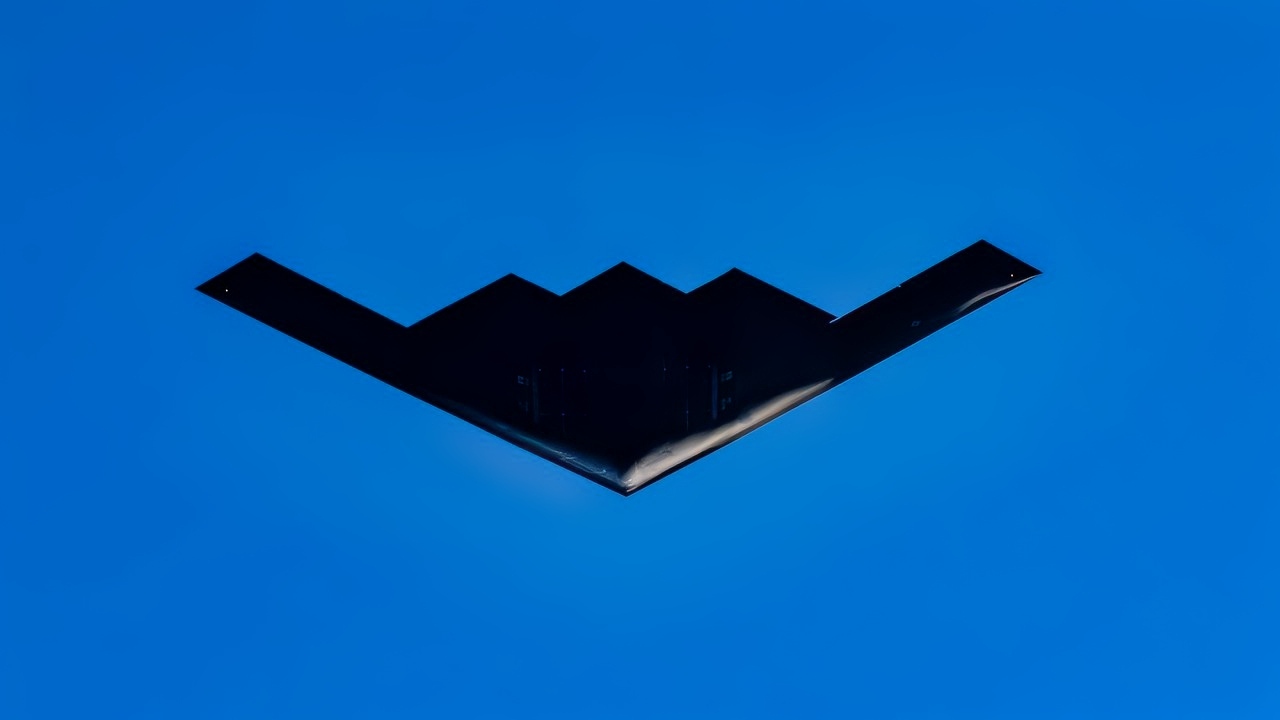
Key Points and Summary – Should the U.S. retire the B-2 now or keep it as a hedge until the B-21 arrives in numbers?
-The B-2 still offers unmatched stealth, reach, and payload—useful if B-21 timelines slip or B-52J upgrades stumble.
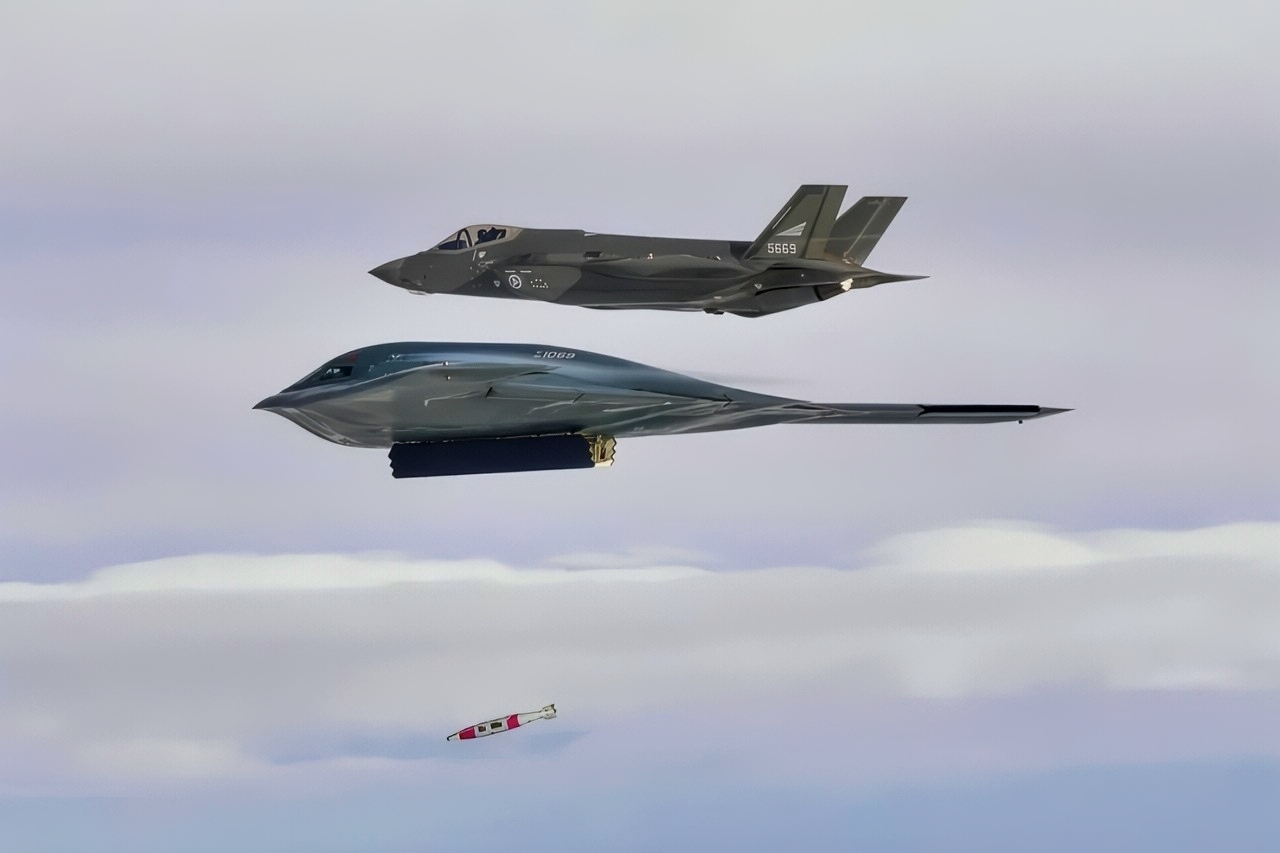
B-2 Bomber Dropping Bomb. Image Credit: DOD.
-Recent B-2 enhancements (e.g., Defensive Management System Modernization, advanced weapons, improved comms) keep it relevant for first-strike, high-value missions.
-But the Spirit is costly to fly and maintain, draws on 1990s-era core systems, and exists in a small fleet that limits surge capacity.
-The article argues for a phased retirement: retain the most capable B-2s through B-21 full operational capability, then divest deliberately to modernize smartly.
The B-2 Spirit Stealth Bomber: Retirement Bad News?
The B-2 Spirit has been in service with the U.S. for almost 30 years. It was the first dedicated stealth bomber ever to take flight and was a pioneer in aerospace aviation.
Despite its years of service, the B-2 is slated to be replaced by the more advanced B-21 Raider that is currently in development.
But is this really the best option? While it is an aging platform, the B-2 still boasts an impressive set of capabilities and could remain operational for a bit longer, in case other models like the B-1B or B-52 need to be retired a little earlier.
Keep the Stealth Bomber Going?
There is a strong case to be made that the B-2 should be kept around, at least for the short term.
The aircraft still possesses unmatched stealth and payload capabilities. It remains the only operational stealth bomber capable of delivering both conventional and nuclear weapons deep into contested airspace.
Its combination of low observability, long range, and heavy payload makes it uniquely suited for high-value missions, particularly in scenarios where adversaries possess advanced air defense systems.
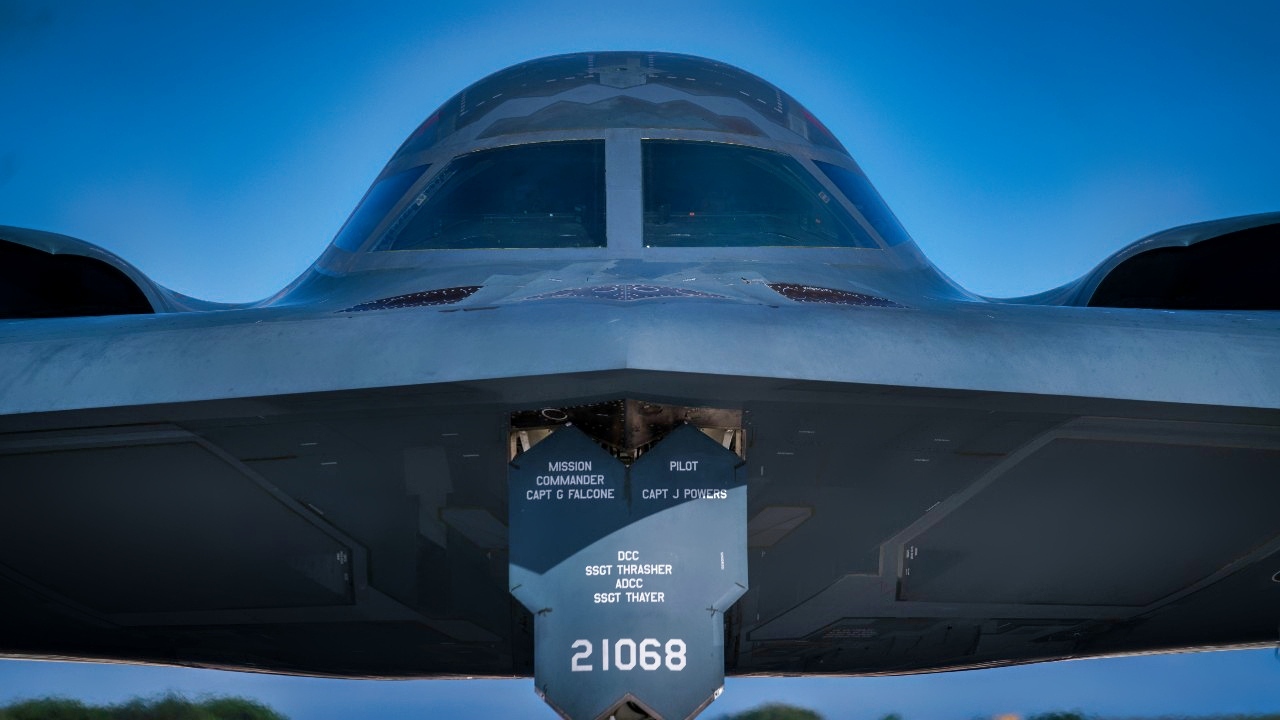
A B-2 Spirit, assigned to the 509th Bomb Wing, Whiteman Air Force Base, taxis on the flightline Jan. 8, 2018, at Andersen Air Force Base, Guam. Approximately 200 Airmen and three B-2 Spirits from Whiteman Air Force Base (AFB), Missouri, deployed to Andersen AFB in support of U.S. Pacific Command’s (PACOM) Bomber Assurance and Deterrence mission. U.S. Strategic Command bombers regularly rotate through the Indo-Pacific region to conduct U.S. PACOM-led air operations, providing leaders with deterrent options to maintain regional stability. During this short-term deployment, the B-2s will conduct local and regional training sorties and will integrate capabilities with key regional partners, ensuring bomber crews maintain a high state of readiness and crew proficiency (Air Force photo by Staff Sgt. Joshua Smoot) .
Relying solely on the B-21 and B-52 introduces risk, especially during the transition period. If the B-21 encounters delays, technical issues, or is compromised in a conflict, the United States could find itself without a viable stealth bomber alternative.
Keeping the B-2 operational provides a hedge against such risks, ensuring that the Air Force retains a credible deterrent and strike capability.
Can’t Rely on the B-52 Forever
There is also the question of the B-52. The B-52 has been in active service for over 70 years and is slated to remain in service for a whole 100 years.
While it has been and shall remain a cornerstone of the U.S. bomber forces for many decades, the aircraft is undoubtedly aging, and the longer it ages, the more expensive it will be to maintain.
It may be worth keeping some B-2s around in case some B-52s need to be retired in the future.
Additionally, the B-52J program, the most recent modernization program for the B-52, is facing future prospects. According to reports, the B-52J program has come under fire for increasing cost overruns, which triggered a Nunn-McCurdy breach, requiring congressional oversight.
Currently, the Air Force is taking steps to reduce the program’s cost, but as a result, the program is getting delayed a year later than anticipated. If the B-52J program does not work out, the Air Force will have to continue relying on the older B-52H variants.
The B-2 Still Has a Lot to Offer
Moreover, the B-2 has received several upgrades in recent years that extend its viability. The Defensive Management System Modernization has enhanced its ability to detect and avoid threats. It has also been integrated with advanced munitions, including the GBU-57 Massive Ordnance Penetrator, and improved communications systems that support network-centric warfare.

B-2 Spirit Stealth Bomber At USAF Museum. Image Credit: Harry J. Kazianis/National Security Journal.
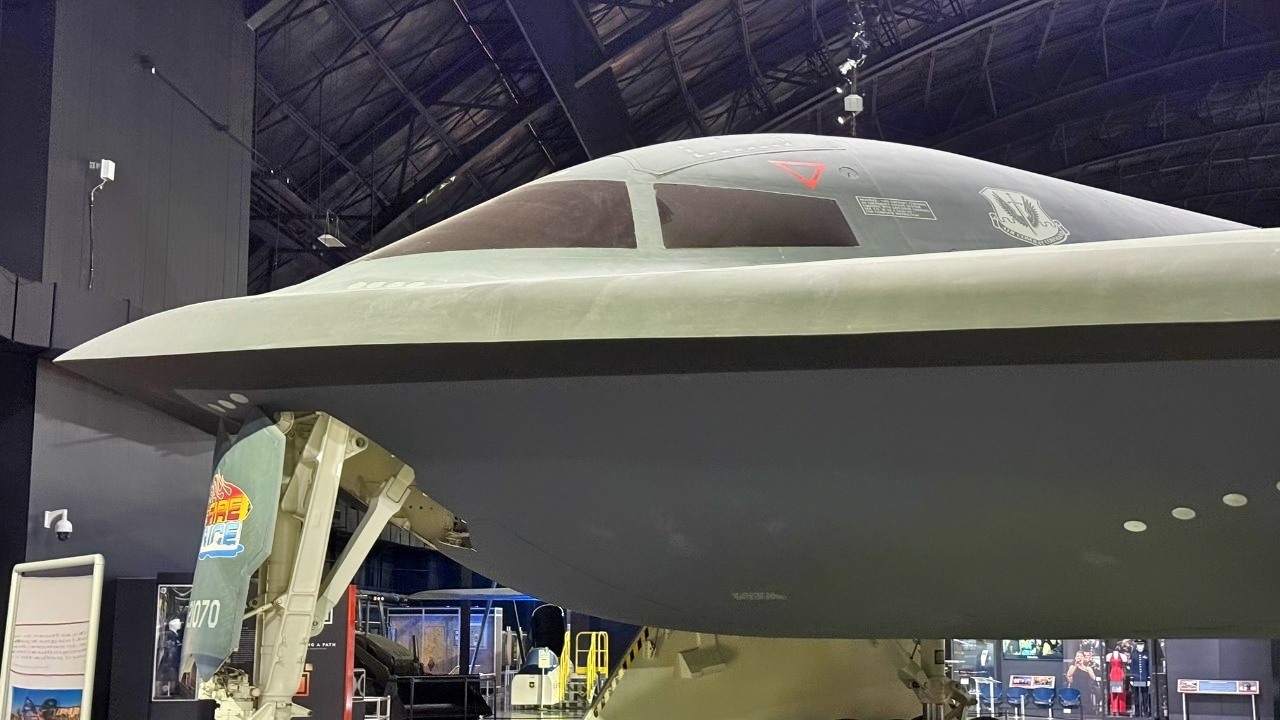
B-2 Bomber At U.S. Air Force Museum. Image Credit: National Security Journal.
These enhancements ensure that the B-2 remains relevant in modern combat environments, particularly in first-strike or high-value target missions.
Another thing to consider is the time lag in B-21 deployment. While the B-21 is promising, it is still in the early stages of testing and production.
Full operational capability may not be achieved until the early 2030s. Retiring the B-2 before the B-21 is fully integrated could create a capability gap during a critical period of geopolitical instability, particularly given rising tensions with peer adversaries like China and Russia.
Is It Worth the Costs?
Despite all of this, there are still compelling arguments to be made against the B-2. Each hour of flight can cost upwards of $150,000 to $200,000, largely due to the aircraft’s delicate stealth coating, which requires extensive and time-consuming maintenance.
The radar-absorbent material must be meticulously preserved to maintain the aircraft’s low observability, and the support infrastructure for the B-2 is specialized and expensive.
With a unit cost exceeding $2 billion when adjusted for inflation, the B-2 represents a significant financial burden. Retiring it could free up resources for the B-21 Raider, which promises to be more cost-effective and easier to maintain thanks to modern materials and digital design practices.
Although the aircraft has received periodic upgrades, its core systems are based on technology from the 1980s and early 1990s. Its avionics, sensors, and electronic warfare capabilities are increasingly outdated in the face of modern threats.
While programs like the Defensive Management System Modernization have improved its survivability, these are ultimately stopgap measures. The B-21, by contrast, is being developed with modularity and digital engineering in mind, allowing for faster upgrades and better integration with contemporary command-and-control networks.
What to Do With the B-2?
Another thing to consider is that the fleet of B-21 is quite small, already. With only 20 aircraft currently in service, and fewer mission-capable at any given time, the B-2 lacks the scale to be a decisive force in a large-scale conflict. This small number makes it vulnerable to attrition and limits its operational flexibility.
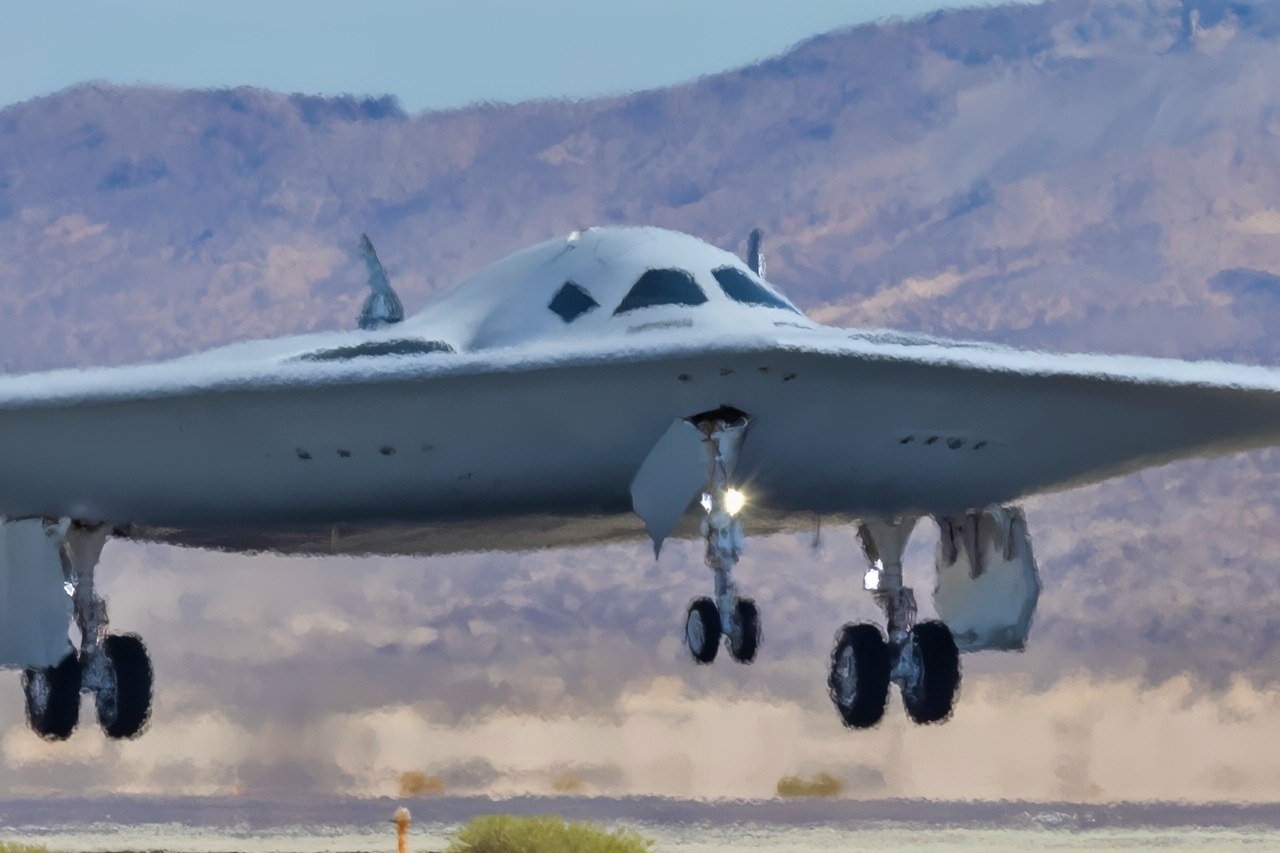
A B-21 Raider test aircraft lands at Edwards Air Force Base, Calif., during ongoing developmental flight testing, Sept. 11, 2025. The B-21 will be the backbone of the bomber fleet; it will incrementally replace the B-1 Lancer and B-2 Spirit bombers. (U.S Air Force photo by Todd Schannuth)
Investing in a larger fleet of B-21s could provide better deterrence and more robust strike capabilities. This makes it less suitable to replace the 70 B-52s that the Air Force currently operates.
The Best Approach
A phased retirement strategy is the most balanced approach. This would involve keeping a portion of the B-2 fleet operational until the B-21 reaches full operational capability. Priority could be given to B-2s that have received the most recent upgrades, while older or less mission-capable airframes could be gradually decommissioned.
Such a strategy would ensure continuity of strategic deterrence while allowing the Air Force to modernize its bomber fleet in a fiscally responsible and operationally sound manner.
About the Author: Isaac Seitz
Isaac Seitz, a Defense Columnist, graduated from Patrick Henry College’s Strategic Intelligence and National Security program. He has also studied Russian at Middlebury Language Schools and has worked as an intelligence Analyst in the private sector.
More Military
NATO-Russia War of 2025: It Won’t Be Pretty
K3: The ‘Stealth’ Tank That Looks Like a B-21 Raider and Runs on Hydrogen
The U.S. Navy’s Ohio-Class SSGN Submarines Summed Up in 1 Word


