

Key Points and Summary – An investigation has revealed Russia is systematically recruiting teenagers into its military drone program for the war against Ukraine.
-The pipeline begins with educational video games, with top performers from state competitions being funneled to sanctioned defense firms.
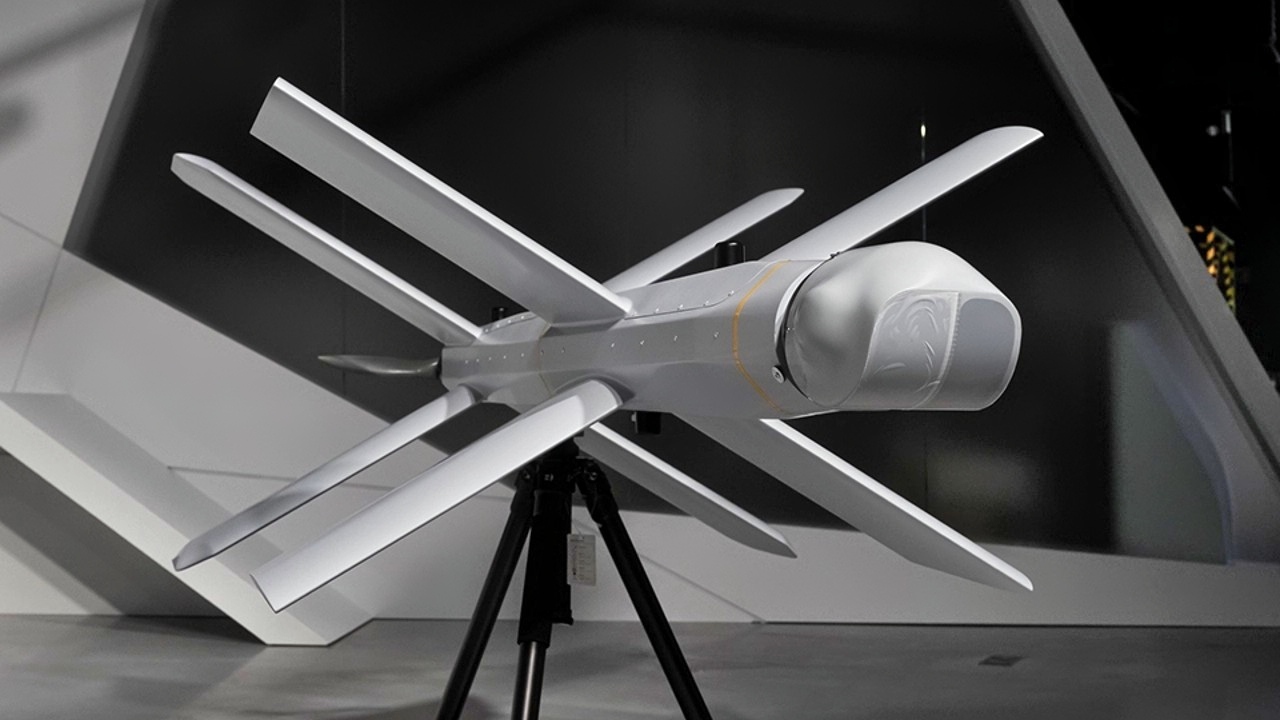
-Russian state TV has even shown teens assembling Geran-2 kamikaze drones at a factory.
-This effort, which reportedly involves children as young as 13 and violates international norms, is part of a broader state strategy to militarize Russian youth and embed the war effort directly into the country’s education system.
Russia Using Teens to Boost in Drone Effort Against Ukraine
LONDON, UK – Russia’s war machine has reportedly found its latest recruits not on the battlefield, but in the classroom.
An investigation by exiled Russian outlet The Insider has exposed a disturbing effort by Moscow to involve children in the design, testing, and even production of military drones used in the war against Ukraine.
The scheme appears to begin innocently enough.
Russian teens are drawn in through educational video games like Berloga, where players control “intelligent bears” who must use drones to fend off bees.
Success in these games can earn students bonus points for school exams.
But the pipeline quickly turns from playful to political.
Russian Defense Firms Recruiting Via School Competitions
According to several teenage finalists of a government-endorsed competition called Big Challenges, top players are quietly recruited by Russian defence firms, many of them under Western sanctions, to work on drone components.
Some of these students have openly admitted that they were aware of the military applications of their designs, but were instructed to conceal this behind civilian fronts.
“We were forbidden to say that it was needed for the war,” one teen explained. “A project must always have a dual purpose… it’s an unwritten rule.”
Russian State TV’s Shocking Footage
It’s not just coding or modelling.
A recent broadcast on Russia’s state-run Zvezda TV showed teenagers actively assembling Geran-2 kamikaze drones, an Iranian-designed system with a range of nearly 1,000 miles, at a facility in Tatarstan.
The site, touted as the world’s largest strike drone factory, was previously targeted by Ukrainian drones.
Under multiple international conventions, employing children in military production, especially at sites that are legitimate wartime targets, violates established norms.
Perhaps most troubling is how deeply embedded this effort appears to be within Russia’s broader education and propaganda system.
With independent journalism essentially banned since the full-scale invasion of Ukraine in 2022, and state media glorifying patriotic sacrifice, the line between education and militarisation continues to blur.
13-Year-Olds Used for Drone Work
One child interviewed claimed to have trained Russian soldiers in drone use at the age of 13. Others said they were coached to pretend their drone work had peaceful civilian applications.
This blending of childhood, science, and war speaks to a deeper strategy by Vladimir Putin’s regime: to raise a generation not merely loyal to the state, but actively contributing to its military ambitions.
In a country where dissent is punished, and state-controlled media shape reality, the militarization of minors is presented not as a scandal but a badge of honour.
As the war drags on and Russia ramps up drone production, Ukraine faces not just a geopolitical adversary—but a society in which children are increasingly conditioned to see war as a national calling.
About the Author: Georgia Gilholy
Georgia Gilholy is a journalist based in the United Kingdom who has been published in Newsweek, The Times of Israel, and the Spectator. Gilholy writes about international politics, culture, and education.
Fighter Jet Fails
Russia’s Su-57 Felon Stealth Fighter Is a Waste of Rubles


