

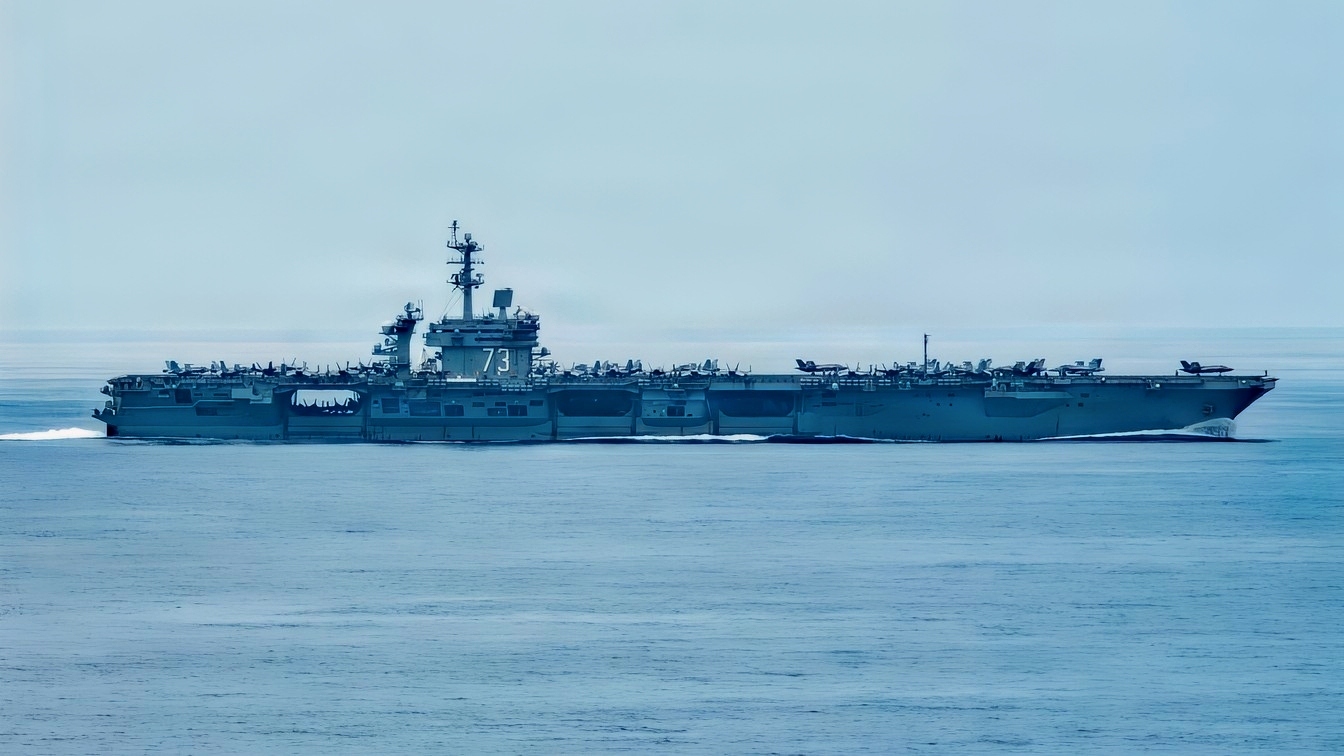
With wars in the Middle East and Europe ongoing, worries about global energy have shifted from concerns about the price of oil per barrel to the ability of oil facilities around the world to process it. Several factors have converged, including Russia’s constrained refining capacity, China’s reluctance to export the fuel it has abroad, and disruptions to previously regular supplies of Middle Eastern energy caused by the war in Iran.
In an unusual twist, fuel prices could remain elevated even if the global price of oil drops in the future, as part of a larger, more complex scenario driven by limits on global refining capacity—and further disruptions are expected just after the summer season, too.
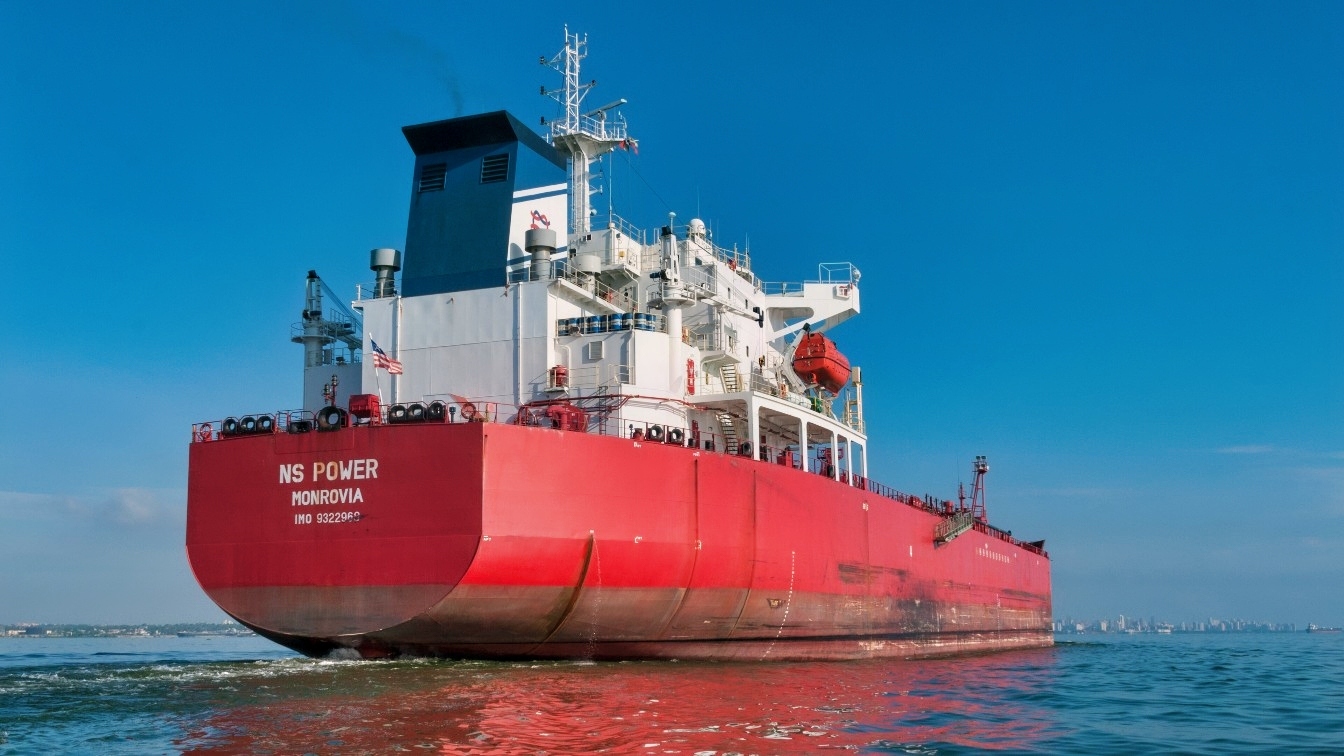
Oil Tanker. Image Credit: Creative Commons.
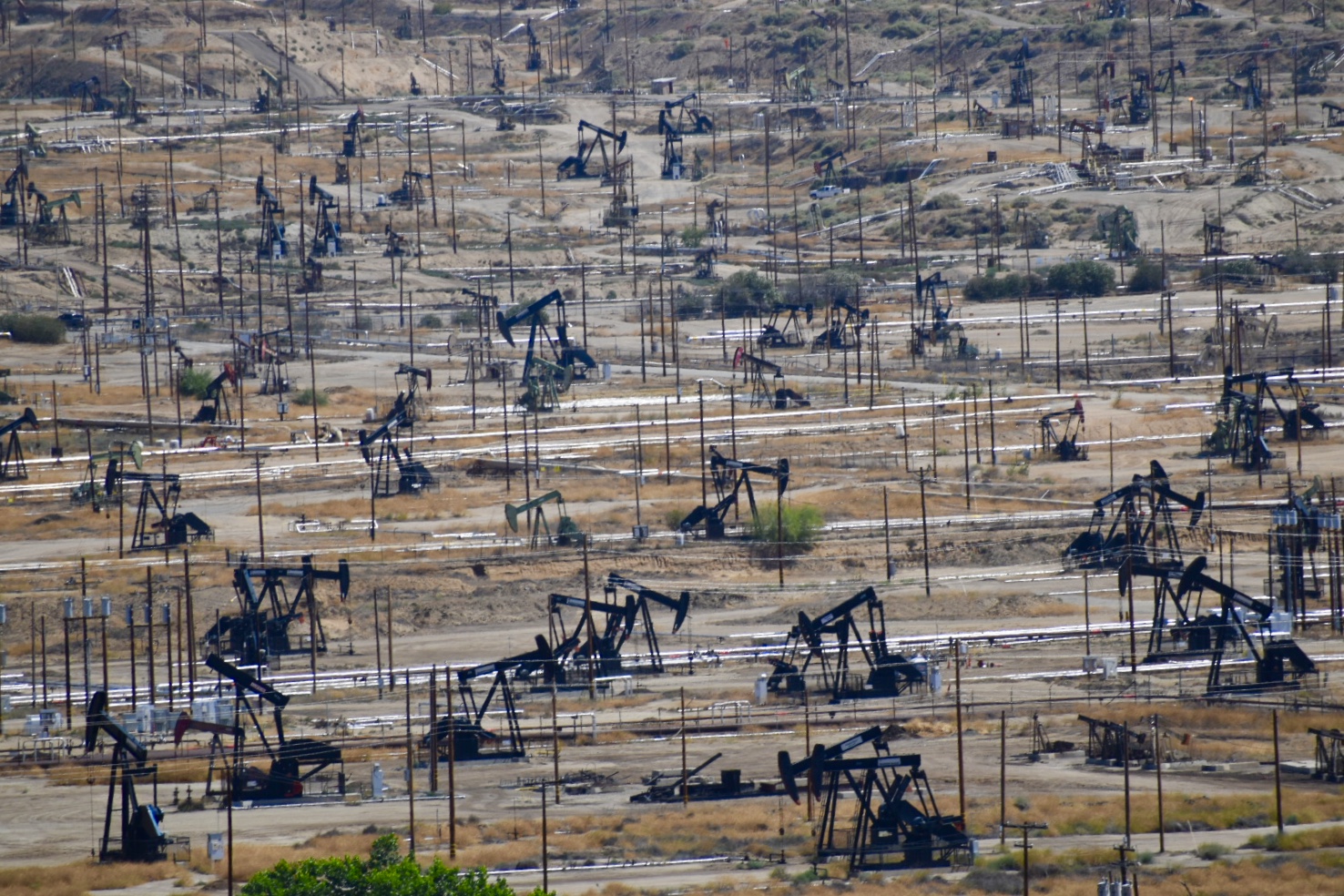
Oil fields. Image Credit: Creative Commons.
Speaking to Bloomberg, ExxonMobil Chief Financial Officer Neil Hansen explained that the current “constraint pain point in the energy system is refining.” He added that it is “something that perhaps the market isn’t fully focused on.”
Russia’s ban on diesel exports — a measure Russian authorities instituted to prioritize domestic consumption — in tandem with China’s limits on fuel exports has combined to restrict the world’s oil refining capacity by as much as ten percent. Though seemingly a modest throttling on a global level, the moves have put a significant pinch on the availability of energy products worldwide.
“We’re in a diesel supply crunch right now because none of the Persian Gulf refineries can get product out,” Joe DeLaura, a Senior Energy Strategist at Rabobank, explained in an interview with The Wall Street Journal.
“Crude oil is just the input, but diesel is the everything the industrial economy runs on,” DeLaura added. “Everything in agriculture, everything in construction, everything in mining. Also everything on the supply and distribution side runs on diesel.”
Kyiv’s Long-range Sanctions
Russian refineries across the country have been battered in recent months, the consequence of what Ukrainian President Volodymyr Zelensky has dubbed his country’s “long-range sanctions” against Russia. As a part of that effort, Ukrainian forces have leveraged their increasingly long-range, explosive-laden one-way attack drones and a burgeoning crop of domestically built-and-designed cruise missiles to rain havoc down on Russia’s oil and gas infrastructure.
Energy is the single biggest source of revenue for the Kremlin, and Ukrainian strikes have specifically targeted Russia’s refineries, forcing several facilities offline for extended periods. The ongoing efforts by Kyiv’s forces have led to a fuel shortage in Russia and long lines at gas stations.
American Refining Capacity Running Red-hot
American refiners are operating at full steam. ExxonMobil’s refinery facilities along the Gulf Coast are reportedly running at a utilization rate of ninety-five percent, whereas Chevron’s are running at ninety-seven percent.
Shell’s American refining facilities are running at over one hundred percent, with utilization at one hundred and two percent, Bloomberg explained.
While those high rates are a boon to American consumers and global consumption, they cannot be sustained indefinitely.
Refinery maintenance periods typically begin in September and extend into October, during which fuel production drops because refining capacity is offline for maintenance.
“Fall is particularly difficult, kind of like a perfect storm right now,” Hannah Hurckes, the Chief Executive of Boss Lady Logistics, a freight and logistics firm, also told The Wall Street Journal.
“When we have the harvest and we have the early heating demand, and we also have the war, the tight squeeze on diesel is going to directly affect basically the entire economy,” she added.
While the global price of oil has not reached the dizzying highs seen during the 2008 Great Recession, nor the highs following Russia’s full-scale invasion of Ukraine in 2022, prices are nonetheless elevated.
According to Reuters reporting, Iran and Oman may be approaching an agreement on the Strait of Hormuz and tanker traffic through the vital waterway.
While Iran would control the route ships use to enter the Persian Gulf, Oman would control the route they use to depart from it.
The term “control,” however, has yet to be defined, and a great deal of ambiguity surrounds the terms of the agreement, which has not yet been finalized. Washington has, on multiple previous occasions, rejected any plans that would give Iran a measure of control over the key maritime passageway.
But Tehran managing to extort payments from ships transiting the strait would be a major coup for Iran, which, before the outbreak of war, did not charge vessels to transit Hormuz.
About the Author: Caleb Larson
Caleb Larson is an American multiformat journalist based in Berlin, Germany. His work covers the intersection of conflict and society, focusing on American foreign policy and European security. He has reported from Germany, Russia, and the United States. Most recently, he covered the war in Ukraine, reporting extensively on the war’s shifting battle lines from Donbas and writing on the war’s civilian and humanitarian toll. Previously, he worked as a Defense Reporter for POLITICO Europe. You can follow his latest work on X.


