

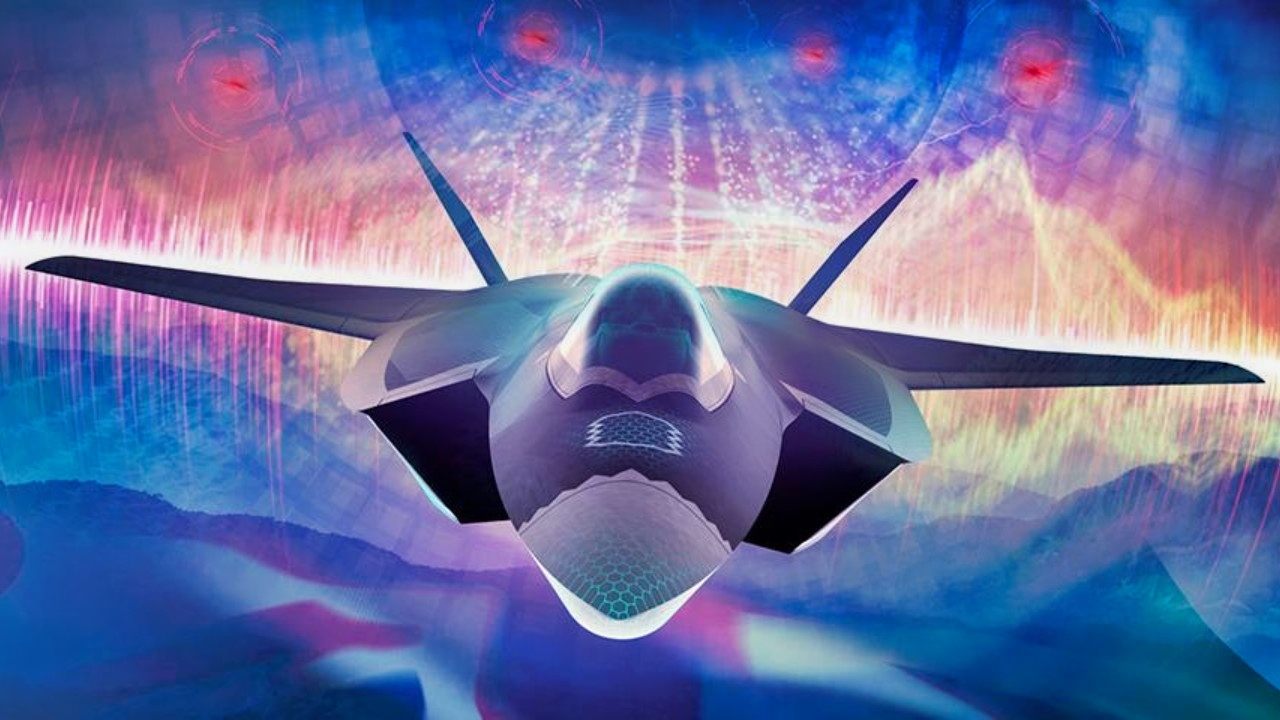
Japan could abandon the UK-Italy-Japan trilateral Global Combat Air Programme (GCAP) for Boeing’s F-47 6th-generation fighter. U.S. President Donald Trump personally pitched an export version of the F-47 to former Japanese Prime Minister Shigeru Ishiba in 2025. The U.K. Ministry of Defense faces a £28 billion funding gap. The U.K.’s £686 million bridge funding arrangement for GCAP expires next month. Over 4,000 workers at BAE Systems, Rolls-Royce, and Leonardo are involved in GCAP work in Britain.
F-47 for Japan?

GCAP 6th Generation Fighter.
The Global Combat Air Programme (GCAP) is under renewed scrutiny amidst delays and concerns over British funding.
The landmark trilateral sixth-generation fighter jet initiative is the United Kingdom, Italy, and Japan’s project to replace the Eurofighter Typhoon and Japan’s Mitsubishi F-2. The trio, soon set to admit Canada as an observer member, possesses a lofty target of bringing the jets into service by 2035.
The timetable is now uncertain, with Boeing’s rival F-47 program appearing to be moving ahead at pace in the United States.
This week, Simple Flying reported that Japan has traditionally approached GCAP as more than just a set of procurement plans.
Tokyo entered the initiative because it was impressed by the degree of technology ownership offered, not to mention the industrial access that previous American fighter schemes would have dismissed.
The F-22 was banned from being exported, while the F-35, despite being widely sold to allies, remains tightly controlled by Lockheed Martin and Washington.
GCAP’s Control Pitch
Japan obviously wants more control, and who can blame them? It naturally feels threatened by a quickly modernizing Chinese air force, and being able to shape and understand the technology of its future fighter jet is strategically helpful.
But most importantly, regardless of these preferences, it needs a jet that will actually arrive on time.
GCAP could also find itself at risk due to Britain’s broader defense funding issues. The UK’s Ministry of Defense is facing a £28 billion funding gap, and GCAP could be targeted for savings.
UK’s Funding Bridge Could Expire
Britain’s ongoing £686 million bridge funding arrangement for GCAP will expire next month. If longer-term contracts fail to get finalized, firms working on the program may have to redeploy engineers to different projects.
Over 4,000 workers at BAE Systems, Rolls-Royce, and Leonardo are now involved in GCAP work in Britain, so such a scenario would certainly mark an awkward shake-up.
BAE has said work continues “at pace” and that the first international contract marks a welcome step forward.
The Ministry of Defense has also defended the program, describing GCAP as vital to Britain’s military strength, NATO commitments, and defense industrial base. Still, the need for these assurances speaks to the very real anxiety surrounding the project.
Washington Pushes Ahead With F-47
The pressure is especially acute because the United States is moving ahead with its own sixth-generation fighter.
Air & Space Forces Magazine wrote in February that the F-47 remains on track for its first flight in 2028, only three years after Boeing was awarded the contract in March 2025. Gen. Dale White, the senior Air Force acquisition official overseeing major weapons programs, said the aircraft was “doing exceptionally well” and that Boeing had successfully ramped up personnel for the effort.
The F-47 is expected to replace the F-22 in the US Air Force’s air dominance role.
The service has said the new aircraft will have a combat radius of more than 1,000 nautical miles and be capable of speeds above Mach 2. Air Force plans currently call for more than 185 aircraft, roughly matching the size of the existing F-22 fleet.
Stars and Stripes said in April that the Pentagon’s 2027 budget proposal includes $5 billion to accelerate F-47 development. The same report noted that the Navy is also pursuing its own sixth-generation fighter, the F/A-XX, while the Marine Corps is watching both programs as it considers its future aviation requirements.
For Japan, the American option presents both an opportunity and a gamble. President Donald Trump personally raised the F-47 with then-Prime Minister Shigeru Ishiba in 2025, reportedly pitching an export version of the aircraft with reduced capabilities.
If Washington is serious about offering the F-47 to firm allies, it would be a major shift from the F-22 era, when even access for trusted partners was rejected.
This does not mean that an F-47 purchase would easily substitute the GCAP’s pitch. A U.S.-built aircraft would offer speed, scale, and higher interoperability with US forces.
Alternatively, GCAP offers Japan a bigger industrial role and a share in the underlying technology.
Aircraft Ambition Which O’erleaps Itself…
It is not beyond the realm of possibility that GCAP and the F-47 could coexist.
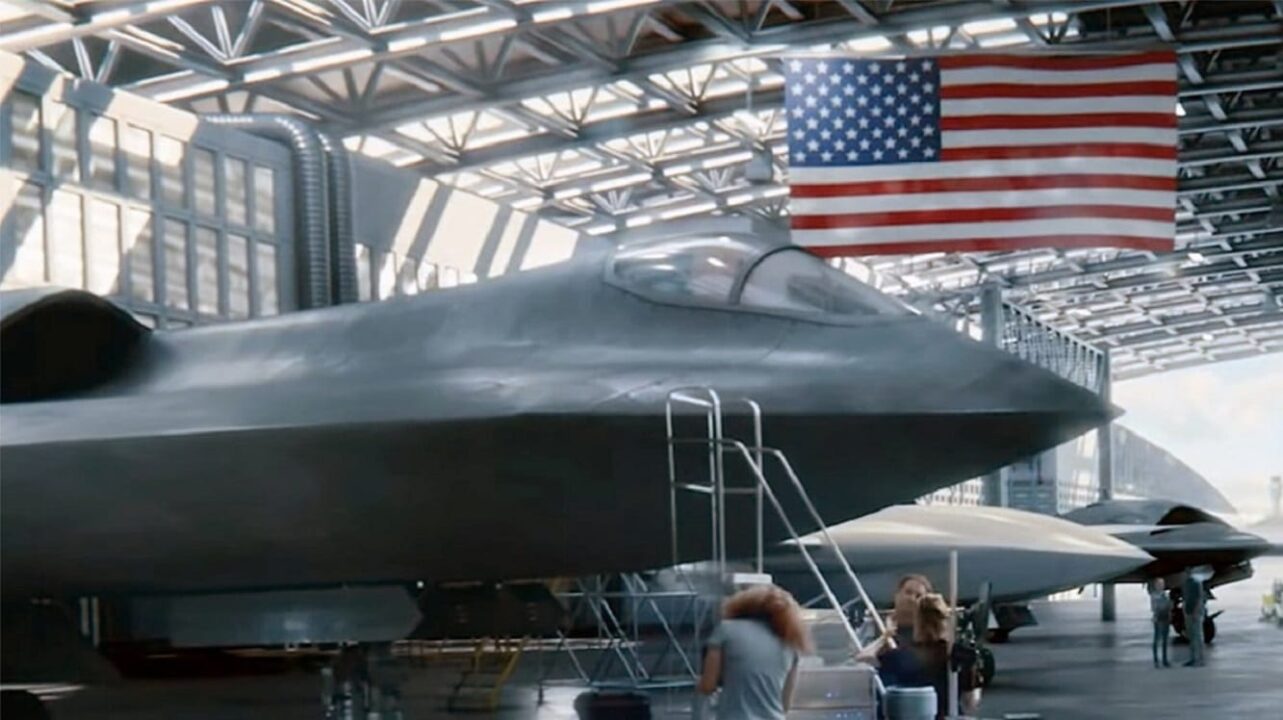
NGAD F-47. Image Credit: Creative Commons.
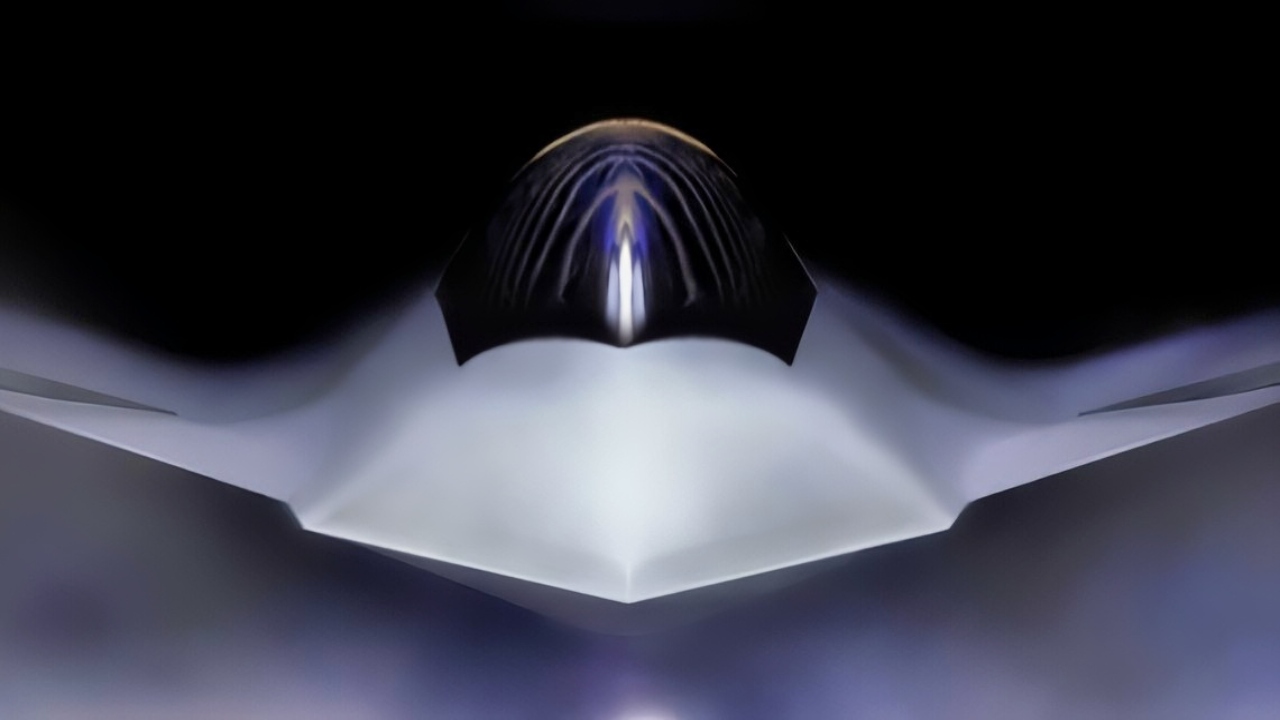
Shown is a graphical artist rendering of the Next Generation Air Dominance (NGAD) Platform. The rendering highlights the Air Force’s sixth generation fighter, the F-47. The NGAD Platform will bring lethal, next-generation technologies to ensure air superiority for the Joint Force in any conflict. (U.S. Air Force graphic)
Italian Air Force Gen. Giandomenico Taricco has already claimed the program ought to be interoperable with the F-47, instead of sizing it up as a key rival.
Indeed, allied sixth-generation jets could work as part of a wider network of crewed sensors, drones, and other jets.
However, budgets could put such an ambitious idea on the back burner, with few nations willing to shell out on dual sixth-generation fighter ecosystems.
The next few months could be crucial to the project’s future. Britain must show that GCAP is more than an empty promise, but a priority it is willing to invest in.
Otherwise, Boeing’s F-47 could become Japan’s escape route rather than just a competitor.
About the Author: Georgia Gilholy
Georgia Gilholy is a journalist based in the United Kingdom who has been published in Newsweek, The Times of Israel, and the Spectator. Gilholy writes about international politics, culture, and education. You can follow her on X: @llggeorgia.


