
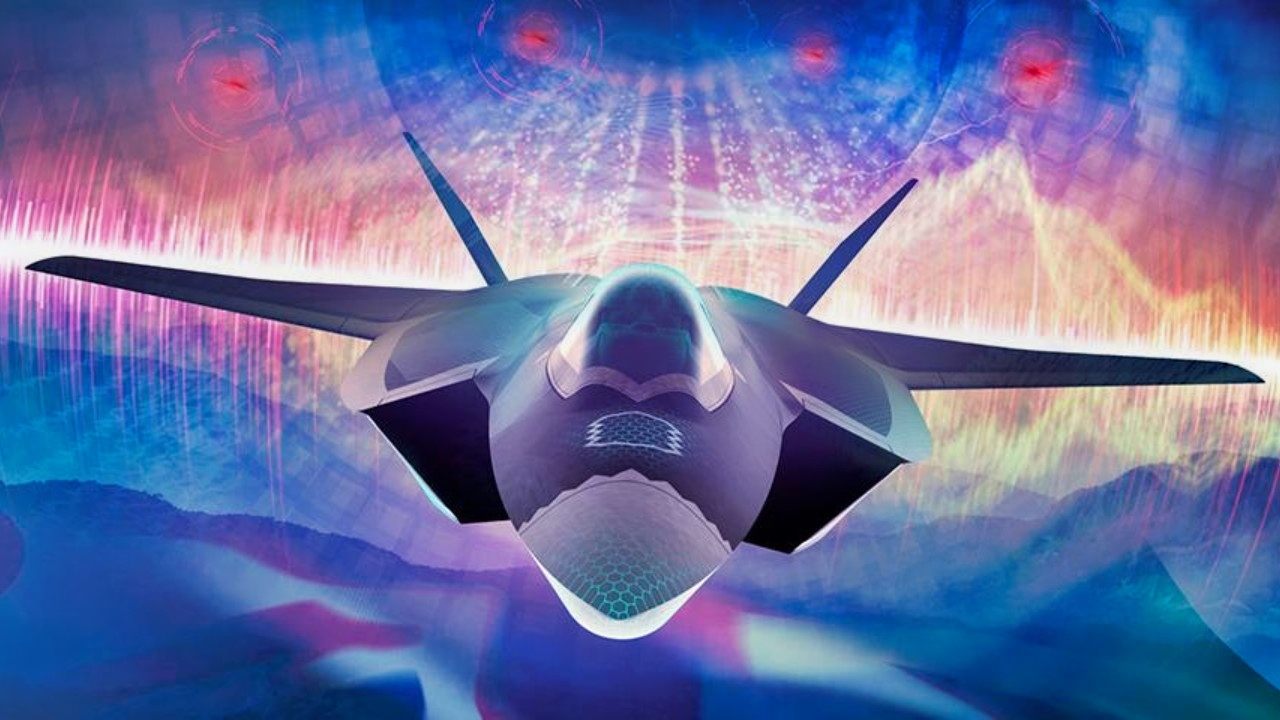
Britain’s Global Combat Air Program faces a 10-week funding deadline. The current bridge funding for GCAP — the 6th-generation stealth fighter shared with Italy and Japan — expires at the end of June 2026. More than 4,000 personnel across BAE Systems, Rolls-Royce, and Leonardo are working on the project in Britain. BAE executive Herman Claesen warned that companies could be forced to redeploy engineers if long-term contracts are not finalized. The first GCAP international contract was awarded in April — roughly £686 million to Edgewing. The program targets a 2035 entry into service. The demonstrator aircraft is expected to fly by end of 2027 — Britain’s first combat-air prototype since the Eurofighter era.
The GCAP Funding Challenge

GCAP 6th Generation Fighter.
Britain’s contribution to the multinational Global Combat Air Program (GCAP) now faces a critical funding deadline that defense executives warn could disrupt work on one of the Western world’s most ambitious next-generation fighter projects.
The program, which is jointly led by the United Kingdom, Italy, and Japan, is intended to deliver a sixth-generation stealth combat aircraft by 2035, but the temporary funding arrangements supporting it are expected to expire at the end of June.
More than 4,000 personnel across BAE Systems, Rolls-Royce, and Leonardo are already working on the project in Britain, including development of a supersonic demonstrator aircraft designed to test technologies for the broader GCAP effort.
The demonstrator is expected to fly by the end of 2027 and would represent Britain’s first such combat-air prototype since the Eurofighter era almost four decades ago.
Concerns over funding for the jet arose after BAE executive Herman Claesen warned that companies involved in the project could be forced to “redeploy” engineers and contain costs if longer-term contracts are not finalized before bridge funding runs out later in the summer. It’s bad news at a bad time, with Europe up against an increasingly capable Chinese military.
GCAP and Where It Came From
GCAP appeared in the wake of Britain’s earlier Tempest fighter initiative, which was merged with Japan’s F-X program and Italy’s future combat aircraft efforts. The result was a single trilateral project that officially began in 2022.
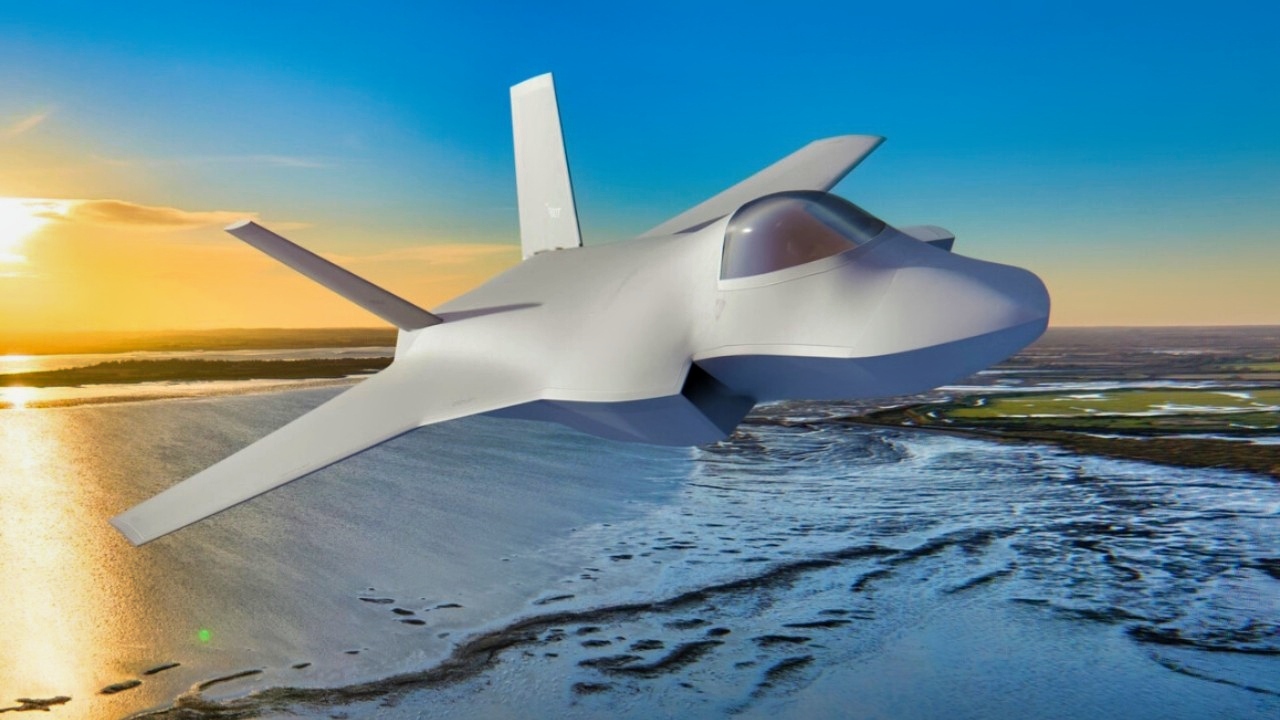
Tempest Fighter from BAE Systems.

Tempest Fighter. Image Credit: Creative Commons.
The goal is to develop a stealth fighter capable of operating alongside drones, using advanced electronic warfare systems, artificial intelligence-assisted decision-making, and advanced networked sensor suites.
The lead industrial partner for the program is Edgewing, a joint venture formed by BAE Systems, Leonardo, and Japan Aircraft Industrial Enhancement Co. Ltd. The organization is responsible for the aircraft’s design and development and is headquartered in Reading, England.
In April, the GCAP Agency awarded Edgewing its first major international contract worth roughly £686 million, intended to fund design and engineering work through June 2026 while longer-term financing arrangements are finalized.
The project is among the few major sixth-generation combat aviation programs, and an even rarer beast among those outside the United States and China. It is frequently compared with the Franco-German-Spanish Future Combat Air System (FCAS) effort, which continues to face persistent delays and industrial disputes.
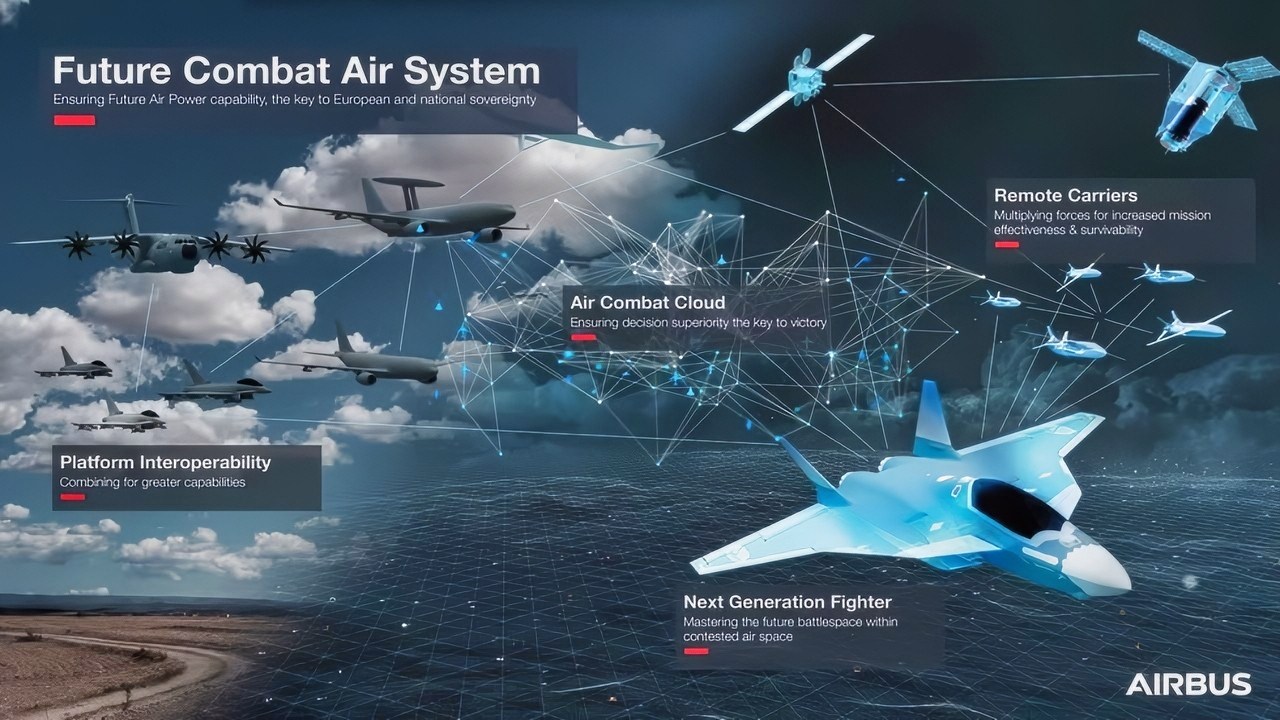
FCAS Graphic. AIRBUS Handout.
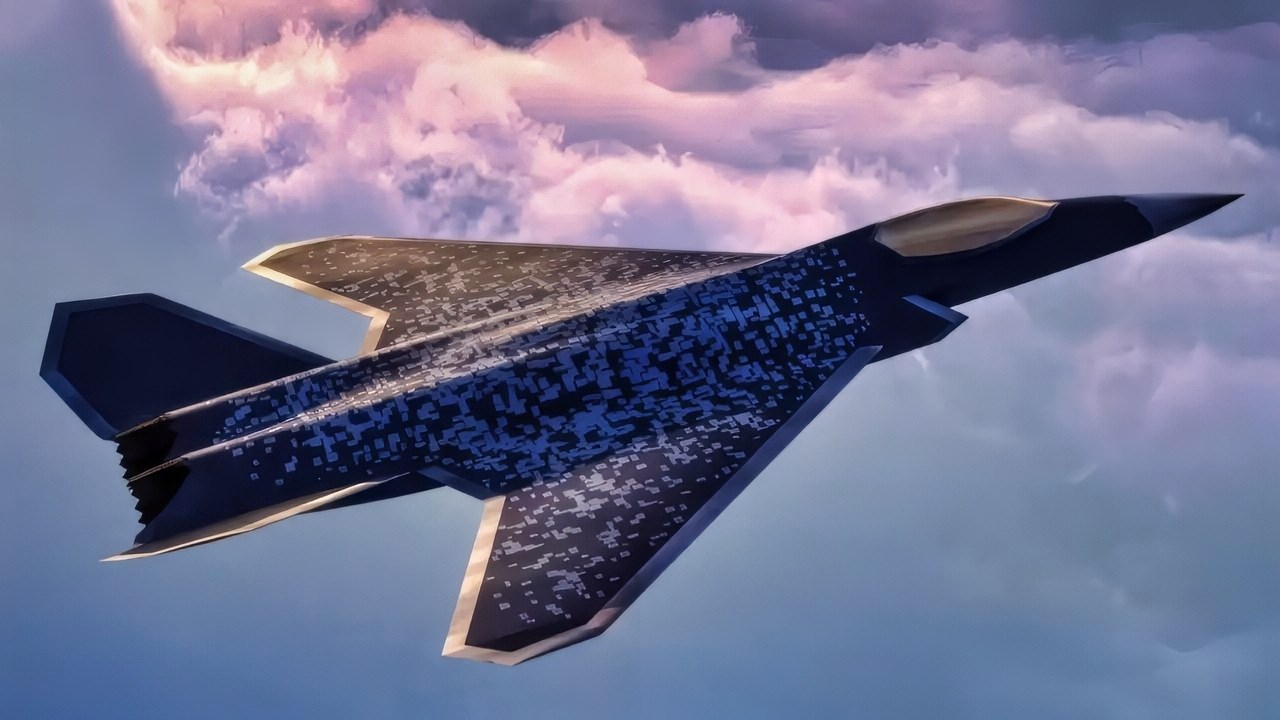
FCAS Artist Photo Creation. Image Credit: Creative Commons.
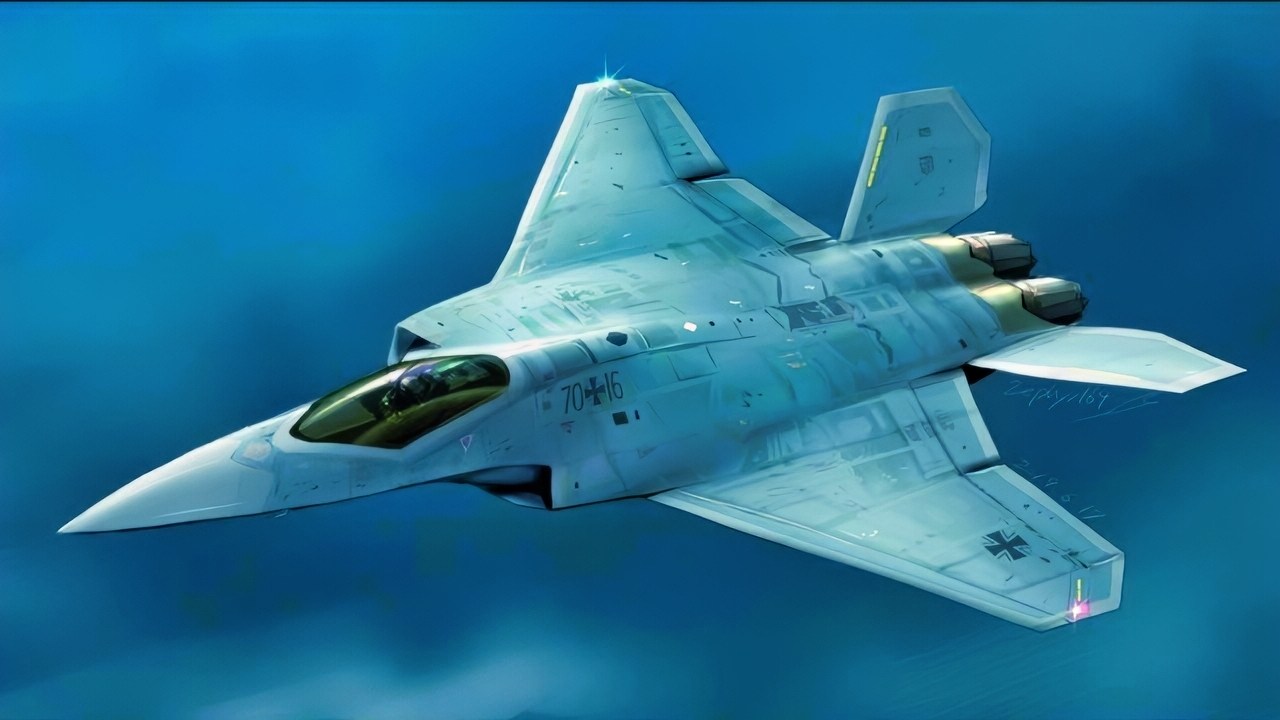
FCAS Photo Artist Image. Image Credit: Creative Commons.
Japan’s involvement in the program followed Tokyo’s search for a replacement for its aging Mitsubishi F-2 fleet. The partnership is ideal because it will satisfy Japan’s requirements while also bringing the country closer to Western allies amid China’s growing air and naval power buildup in the Indo-Pacific.
The Funding Problem
The current funding arrangement keeping Britain’s portion of GCAP alive expires at the end of June, creating a roughly 10-week deadline for the British government to finalize longer-term contracts for the program. BAE Systems executive Herman Claesen recently said companies involved in the project would have “no choice” but to contain costs and redeploy people if there is no money flowing, meaning those currently working on GCAP would be reallocated to other projects.
In March, the British government approved a temporary funding extension that allowed work on GCAP and Britain’s separate combat-air demonstrator aircraft to continue after the previous funding arrangement expired at the end of the 2025-26 financial year.
The agreement served as an emergency stopgap while London continues negotiating its much larger long-term Defense Investment Plan, which will determine how major procurement programs like GCAP are financed over the next decade. The temporary extension was necessary because Britain had still not approved the next major tranche of long-term GCAP funding by the time the earlier deadline arrived. According to the Financial Times, delays inside government – particularly between the Ministry of Defense and the Treasury – held up approval of future spending commitments tied to the program.
So, the March extension kept the money flowing into both the multinational GCAP fighter effort and Britain’s parallel demonstrator aircraft program, which is expected to produce its own flying test aircraft by the end of 2027. The demonstrator is considered critical because it will test many of the technologies intended for the final sixth-generation fighter, including stealth, advanced sensors, electronic warfare systems, and next-generation propulsion technologies.
The agreement also allowed the three partners – Britain, Japan, and Italy – to proceed with the first international GCAP contract signed with Edgewing in April. That contract, reportedly worth around £686 million, funds continued aircraft design and engineering work while governments negotiate the much larger long-term development and production arrangements still required to keep the program on schedule for a planned 2035 entry into service.
But the emergency funding only runs until the end of June, and if replacement contracts are not approved before then, resources could be shifted elsewhere. That would, in turn, create delays for the program – not just because engineers and tools will be reallocated, but because it could be some time before they are able to be allocated back to GCAP if the funding eventually returns. BAE alone already has roughly 2,000 people working on the two projects, and work has been steady throughout the program.
“It’s not been easy, it’s not been straightforward. We’ve had to make it work. If you talk to engineers in Edgewing or BAE or Leonardo…they would say they hadn’t noticed,” Claesen said, adding that relations between partner countries remain strong.
“If one partner is wobbling a bit, or not making the immediate commitment itself, of course you can ask questions and that’s what they’re doing. But they want the commitment to happen,” he said, adding that the British government is currently “trying to provide the assurances.”
About the Author: Jack Buckby
Jack Buckby is a British researcher and analyst specializing in defense and national security, based in New York. His work focuses on military capability, procurement, and strategic competition, producing and editing analysis for policy and defense audiences. He brings extensive editorial experience, with a career output spanning over 1,000 articles at 19FortyFive and National Security Journal, and has previously authored books and papers on extremism and deradicalization.


Martin
May 12, 2026 at 4:34 pm
Wasn’t it a Labour government that cancelled TSR-2?
Mr. J. Ward
May 13, 2026 at 12:38 am
True. But we incorporated Technology from the TSR-2, into the Concorde and the Tornado.
Chris
May 14, 2026 at 4:20 am
Some think it’s just about moving bodies around. Having worked on Many complex programmes, I can see the potential for disruption far beyond “just redeploying people”
Loss of competence, intellectual inertia, breakdown of working relationships, loss of knowledge and experience.
Yet again, bean counters at the MoD dithering with no understanding of consequence!
IanUK
May 14, 2026 at 12:18 pm
This is a nothing article. The funding tranche is to expire in June because the new 18-month next stage funding is being assigned. This was said by the UK Minister for Defence in February. The expected DIP includes the funding for the prototype’s flight. The UK isn’t going to pull-out if the programme.
Boooobby
May 16, 2026 at 1:54 am
Yes yes, keep building weapons and nuclear armament for the future sharia armies.
Richard Smith
May 17, 2026 at 1:03 pm
Should be partnering with our European partners only, not with a country that committed atrocities similar to the Nazis during WW2 and never apologised for them. In fact they still worship those who took part in a shrine annually.