


The U.S. Air Force has requested a healthy five-year budget for research, development, and testing of the emerging 6th-gen F-47, a move that makes sense given the platform’s anticipated importance.
The F-47 NGAD Is a Threat to Russia and China in the Sky
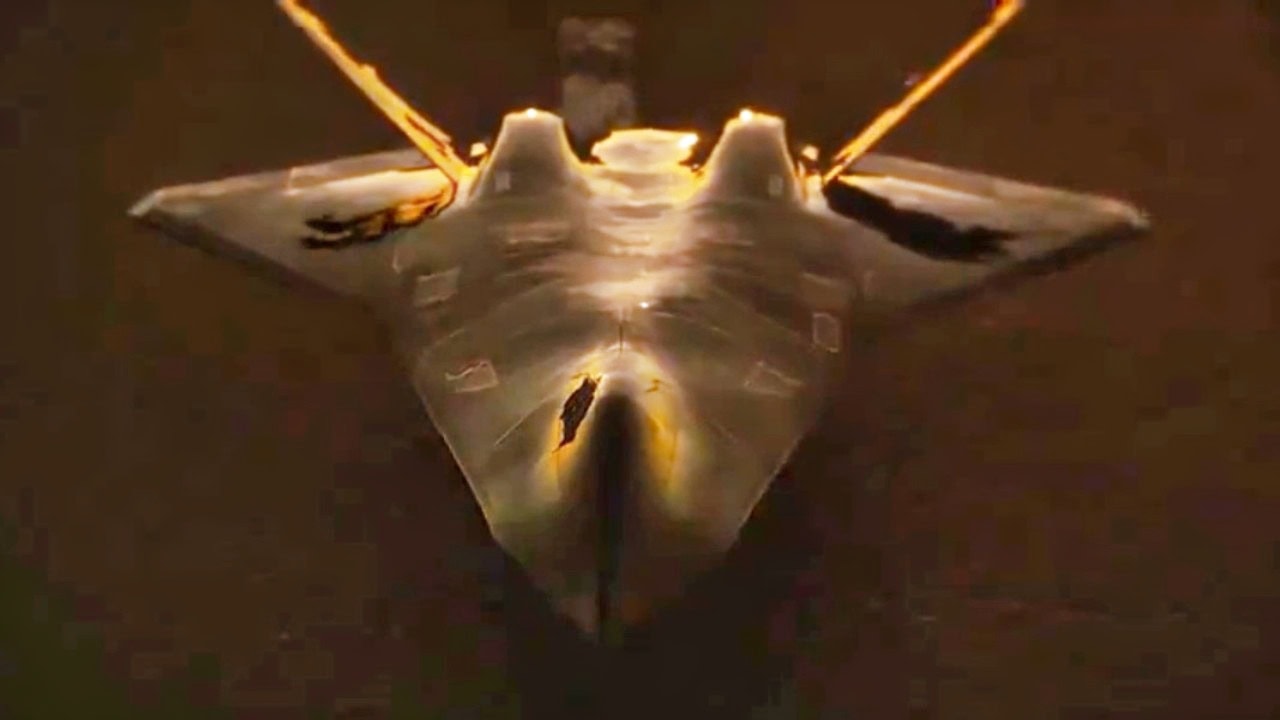
F-47. X Screenshot.
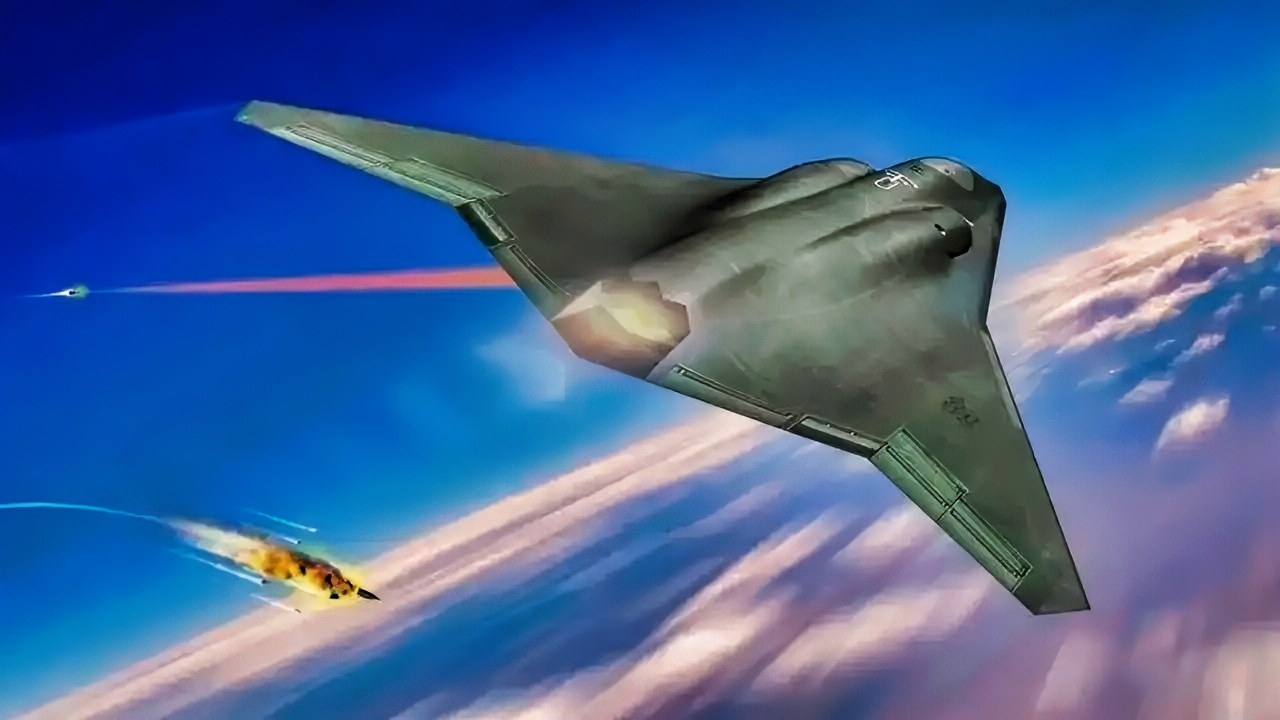
F-47 NGAD Artist Impression. Image Credit: Creative Commons.
A formal budget request submitted by the service in April calls for a massive $1.5 billion increase in F-47 developmental funds, from $3.5 billion in 2026 to $5 billion in 2027.
As the aircraft continues to “take shape” and more prototypes are built, there will naturally be a large increase in need for testing of subcomponents, networking, avionics, and, of course, “sensing’ for the aircraft.
Interestingly, the five-year proposed budget from the Air Force reduces the requested RDT&E funding back to $3.29 billion by 2030, the point at which the program will likely shift more fully into actual “production.”
There are many key reasons why the Air Force would invest billions in research and development to support the F-47, as technological breakthroughs in networking, AI, sensing, stealth, and weapons are quickly redefining the landscape.
Perhaps most significant, the platform must be built for “growth,” meaning interoperability.
Many of the most modern and promising platforms, such as the B-21, were engineered by design to align with a specified set of technical standards to accommodate the rapid integration of emerging technologies.

B-21 Raider Up Close. Image Credit: U.S. Air Force.

A second B-21 Raider test aircraft takes off, Sept. 11, from Palmdale, Calif., to join the Air Force’s flight test campaign at Edwards Air Force Base, Calif. The addition of the second test aircraft expands mission systems and weapons integration testing, advancing the program toward operational readiness. (Courtesy photo)
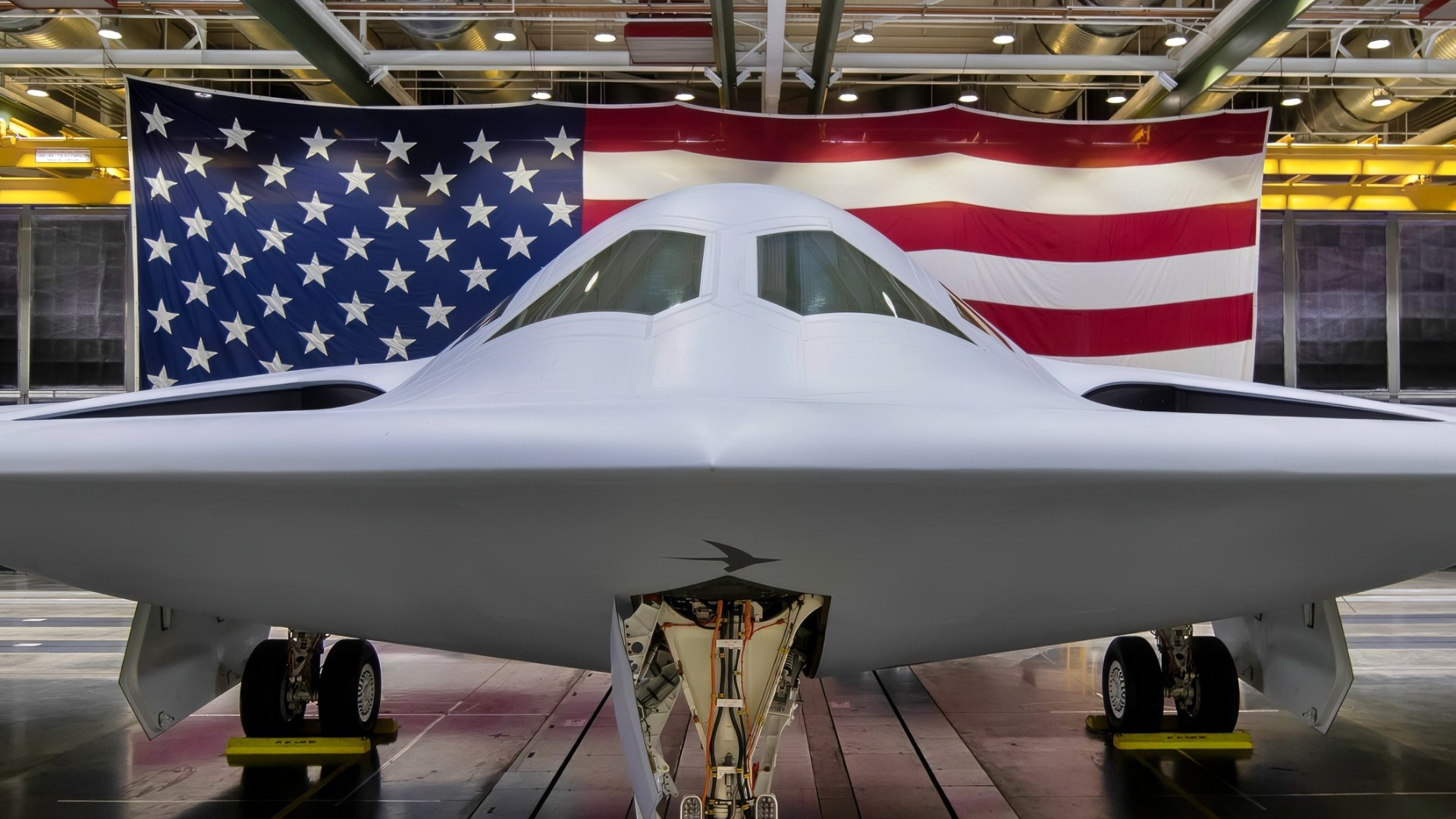
The B-21 Raider was unveiled to the public at a ceremony on December 2, 2022, in Palmdale, Calif. Designed to operate in tomorrow’s high-end threat environment, the B-21 will play a critical role in ensuring America’s enduring airpower capability. (U.S. Air Force photo)
Open Architecture
Often referred to as “open architecture,” the approach is grounded in the establishment of interfaces and IP protocols that can “embrace” and quickly “integrate” new weapons, sensors, software, computing, or avionics as they become available.
This suggests the platform may not only emerge as a superior weapons system but also be able to continuously modernize over time to “keep pace” and sustain its superiority for decades to come.
New software modifications will increase the weapons envelope, new computing and processing speed will aggregate and analyze larger pools of data across domains and otherwise incompatible systems.
With new software upgrades, increments, or enhancements, for example, the F-35 has massively expanded its computing, sensing, and weapons capabilities, so it stands to reason that the Air Force would seek to engineer a 6th-generation stealth aircraft able to preserve its superiority for decades moving into the future.
New 6th-Gen Technologies
The ongoing R&D will not only analyze the specific areas where breakthrough technologies can exist but also engineer the platform with the technical infrastructure necessary to accommodate large breakthroughs.
This will be of great significance to the F-47, given its role as a host platform for groups of integrated “loyal wingman” drones called Collaborative Combat Aircraft (CCAs). AI collection and data processing are increasingly taking place at the forward edge, so “hardening” the transport layer networks and information processing between the F-47 and CCAs will be critical to mission success.
Threat data, target specifics, and other time-sensitive ISR data can now be pooled, organized, analyzed, and “transmitted” in milliseconds due to the integration of advanced AI.
CCAs will quickly be armed with new weapons, stronger networks, faster processors, and longer-range, high-fidelity sensors capable of merging data from otherwise disaggregated information sources.
This will only continue to get faster, more expansive, more autonomous, and more dispersed across multiple domains in near real time during combat operations. This will require extensive R&D, experimentation, testing, and technology maturation as subsystems increasingly become integrated and engineered for continued modernization.
There will also likely be breakthroughs in stealth technology, perhaps in thermal management, propulsion, fire control, weaponry, and, of greatest significance, computing.
About the Author: Kris Osborn
Kris Osborn is a Military Technology Editor. Osborn is also President of Warrior Maven – Center for Military Modernization. Osborn previously served at the Pentagon as a highly qualified expert in the Office of the Assistant Secretary of the Army—Acquisition, Logistics & Technology. Osborn has also worked as an anchor and on-air military specialist at national TV networks. He has appeared as a guest military expert on Fox News, MSNBC, The Military Channel, and The History Channel. He also has a Master’s Degree in Comparative Literature from Columbia University


