


Cold is cold, no matter what zip code you live in. Turn on any cable news channel this week, and you’ll see the same images. Russian drones and missiles are pounding Ukraine’s power grid across eight regions as temperatures slide toward freezing.
In Iran, officials are warning of severe gas shortages in 11 provinces, and the parliament speaker has called on Iranians to cut gas consumption by 10 percent before winter really bites.
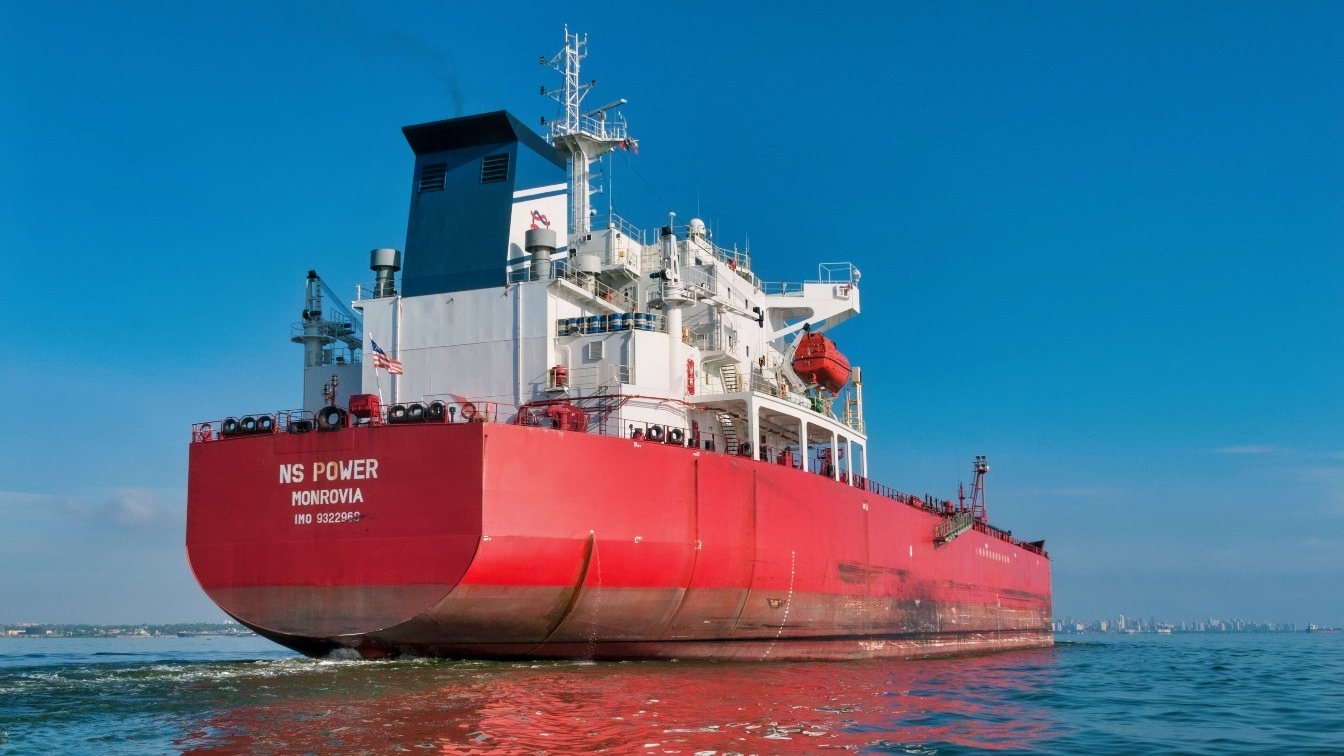
Oil Tanker. Image Credit: Creative Commons.
Oil Platform. Image Credit: Creative Commons.
Those are real stories, and they deserve the coverage. However, another story is playing out much closer to home, and it’s getting a fraction of the airtime. Up in New England, families are opening oil delivery tickets priced north of $6 a gallon.
The Numbers Are Ugly
According to the U.S. Energy Information Administration, home heating oil is now running just over $6 a gallon, roughly $2.50 more than this time last year.
That’s the national number. New England has been living above it since September. Of course, prices fluctuate, and there has been some movement downward a touch just recently.
In Massachusetts, the state Department of Energy Resources reported an average of a record $6.15 a gallon in late September. That was a 74 percent jump from $3.52 a year earlier.
Filling a standard 275-gallon tank once at $6 comes to $1,650.
Once.
Most homes in this part of the country burn through several tanks between November and April.
Maine has it bad as well. Heating oil there hit a record $6.02 a gallon, breaking the old mark set in 2022.
The state estimates residents are paying about $740 more per 275-gallon fill than they did a year ago, and roughly half of Maine homeowners heat with oil.
The National Energy Assistance Directors Association, which runs the federal heating aid programs at the state level, projects New England oil-heated homes will average $2,849 this winter. And that’s the average.
Why New England Takes The Hardest Hit
The Northeast consumes 82 percent of the country’s heating oil, so when prices spike, the pain lands right here.
Geography doesn’t help. New England has no refineries of its own.
New Englanders have long prioritized protecting coastlines, fisheries, and tourism from oil spills and pollution.
Building a refinery requires years of environmental reviews, zoning approvals, and state and federal permits. Strict regional regulations and community opposition make siting new heavy industrial facilities difficult.
So, every gallon comes in by pipeline, tanker, barge, or truck, and EIA expects East Coast stocks to stay 20 to 30 percent below average all winter.
Nationally, distillate inventories, which include diesel and heating oil, were sitting 13 percent below the five-year average at the end of October.
The U.S. conflict against Iran triggered the global energy crunch driving these prices. The same conflict producing footage of Iranians bracing for a cold winter is draining checking accounts in Bangor, Worcester and New London. Same war. Two very different levels of attention.
The Reserve Release Is A Band-Aid
To be fair, Washington did move.
After Maine Senators Susan Collins and Angus King pressed the White House, the Department of Energy agreed to loan up to 315,000 barrels from the Northeast Home Heating Oil Reserve.
That’s about a third of the roughly 1-million-barrel stockpile. Collins called it a 13 percent supply increase for New England.
The last emergency release came in 2012, after Hurricane Sandy.
Give credit where it’s due. However, the analysts at the American Action Forum point out that the volume is only a fraction of winter demand and is unlikely to bring meaningful price relief while global supply stays disrupted.
The barrels are a loan, with repayment due within a year.
That buys time. It doesn’t do much for the number on the delivery ticket.
The Math Happening At Kitchen Tables
The real story is in the small decisions people are making right now. Dealers in southern New England say customers are ordering smaller deliveries because they can’t swing a full tank.
One Rhode Island-area dealer said his average customer is paying about $5.75 a gallon, up from roughly $4.25 a year ago.
Seniors on fixed incomes are getting squeezed the hardest.
Fuel dealers in Massachusetts told GBH they’re working out payment arrangements with older customers who simply can’t cover a $6 delivery all at once.
All six New England governors have now sent a joint letter asking Congress for an additional $3 billion in Low Income Home Energy Assistance Program funding.
Congress needs to act on that before the first real nor’easter rolls through. After that, it’s too late for a lot of people.
It Isn’t Big News…Yet
A retiree in Lewiston keeping the thermostat at 60 and wearing a sweater indoors doesn’t make for dramatic video.
There’s no blast, no burning substation, no air raid siren.
It’s a slow squeeze that plays out one oil bill at a time.
None of this is meant to minimize what’s happening overseas.
Ukraine came through its hardest wartime winter in 2025-2026, with millions of people left without heat and power in subzero temperatures, and Russia is clearly trying to do it again.
Anyone who has seen what a deliberate campaign against civilian infrastructure looks like knows exactly what that is.
New Englanders are a tough bunch. They’ve been through brutal winters before, and they’ll pull together through this one. However, toughness doesn’t pay a $1,650 oil bill. Cold is cold. It just doesn’t make the evening news when it’s in Maine.
About the Author: Steve Balestrieri
Steve Balestrieri is a National Security Columnist. He served as a US Army Special Forces NCO and Warrant Officer. In addition to writing on defense, he covers the NFL for PatsFans.com and is a member of the Pro Football Writers of America (PFWA). His work was regularly featured in many military publications.


