
The Iran-Israel Strikes May Have Just Ended – What Now?: Late on June 7 and into the early hours of June 8, Iran launched nearly 30 ballistic missiles towards Israel. It was the first direct exchange of fire between the two countries since the April 8 ceasefire agreement, and according to the Israeli military, the missiles targeted several military facilities. Among them were air bases in central and northern Israel.
Iran’s Revolutionary Guard took credit for the strikes and stated that they were a retaliation for recent Israeli strikes on Beirut’s southern suburbs.

An F-15E Strike Eagle assigned to the 494th Fighter Squadron launches for a training sortie April 11, at Royal Air Force Lakenheath, England. The 494th conducts routine training daily to ensure RAF Lakenheath brings unique air combat capabilities to the fight when called upon by United States Air Forces in Europe-Air Forces Africa. (U.S. Air Force photo/ Tech. Sgt. Matthew Plew),
Israel said that its air defenses intercepted the missiles and that falling debris caused some brush fires, but no deaths or significant damage.
Then, Israel responded. Despite calls from U.S. President Donald Trump not to continue to escalate, dozens of Israeli warplanes reportedly struck targets throughout Iran, spanning military facilities and parts of the Mahshahr petrochemical complex in the southwestern region of the country.
Air defense systems were also targeted in the strikes, and explosions were reported across Tehran, Isfahan, Karaj, and Tabriz. The strikes prompted Iran to close its airspace and shut down airports.
As of Monday morning, both sides appear to be scaling back the aggression, with Iran’s military publicly stating that it was halting further attacks for now, and President Trump telling both sides to “immediately stop ‘shooting’” at each other, adding that the two countries are seeking an “immediate ceasefire” after a weekend of aggression.
Trump Thought A Deal Was Close
The exchange of fire was bad news for Washington – and indeed the world – given that a peace deal was discussed last week as being possible by the weekend.
Secretary of State Marco Rubio spent much of early June promising that a deal might be only days away, and in late May, Trump said the deal had been “largely negotiated.” The sticking point was likely related to the finer details of the Iranian nuclear program – a topic that Rubio said last week was finally on the table.

U.S. Air Force Airman 1st Class Brendan Price, 908th Expeditionary Air Refueling in-flight refueling specialist, delivers fuel to an Israeli Air Force F-16 during exercise Juniper Oak 23.3 above the U.S. Central Command area of responsibility, July 11, 2023. The U.S. is committed to its partnership with Israel while developing and maintaining interoperability with its partners, and ensuring regional security by providing essential training to deter adversaries from taking aggressive actions or malign activities against the U.S., coalition and partners. (U.S. Air Force photo by Senior Airman Jacob Cabanero)
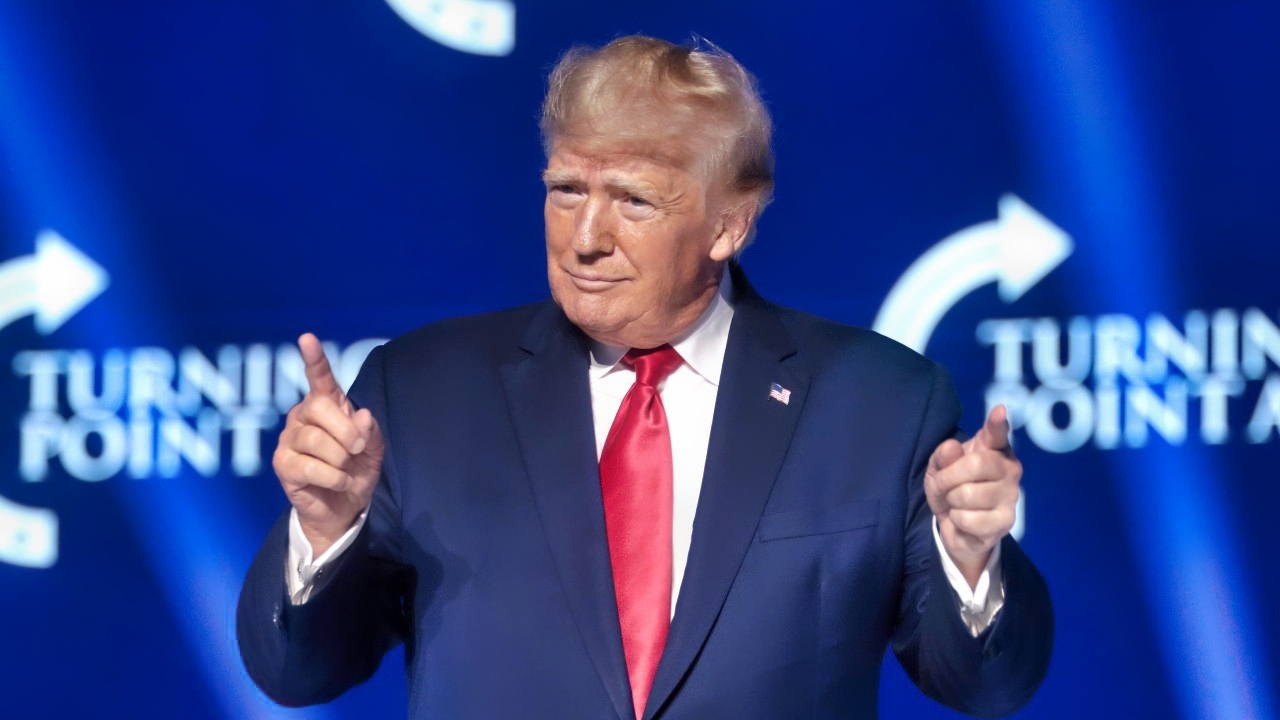
Even only hours before Israel’s strikes on Iran, Trump was still describing talks as productive. On Sunday, President Trump told reporters that Israel would have to make whatever deal he presents to it, insisting, “I call the shots.”
“I call all the shots. He doesn’t call the shots,” Trump told the Financial Times over the phone, referring to Israeli Prime Minister Benjamin Netanyahu. The comments were made shortly after Iran launched missiles into Israel and before Israel ultimately decided to defy its demands and retaliate.
Israel Struck Beirut, and Iran Responded
The trigger for the latest round of missile exchanges appears to have been Israel’s decision to strike Beirut on June 7. The strikes were announced by Prime Minister Netanyahu on X, in a statement describing the attacks as a retaliation for early strikes on Israel by Hezbollah.
“In accordance with the directive of Prime Minister Benjamin Netanyahu and Defense Minister Israel Katz, the IDF has just struck terrorist headquarters in the Dahieh district of Beirut, in response to Hezbollah’s firing at Israeli territory,” the statement reads.
The problem for Washington, though, was that Iran had already warned that attacks on Beirut would trigger a response. When those strikes occurred, Iran followed through, launching a barrage of ballistic missiles against Israel. And while the strikes were not successful, the targets were serious: Israel claimed that the missiles were directed at three military air bases; two in central Israel and one in the north.
Trump Tried to Stop This
As the missiles were still being intercepted, President Trump moved to prevent the situation from spiraling, with multiple reports claiming that he urged Prime Minister Netanyahu not to launch retaliatory strikes. He noted that the Iranian attack had caused little damage and that another round of military action would only prolong the crisis.
“We don’t need another one,” Trump said.
Any retaliatory strike, after all, risked undermining the negotiations that Trump had spent weeks trying to get over the finish line.
Israel Responds Anyway
In the early hours of June 8, dozens of Israeli aircraft struck targets across Iran, with the Israeli military insisting that the strikes only targeted air-defense systems and military infrastructure. The strikes then prompted additional Iranian strikes toward Israel, with Yemen’s Houthis also launching missiles and threatening attacks on Israeli ships in the Red Sea.
What Now?
As of late morning, June 8, both sides appear to be signaling a desire to avoid another immediate round of escalation. Iran has closed portions of its airspace and suspended airport operations following Israeli strikes, and Iranian military officials say that offensive operations have ended for now. Warnings have, however, been issued that any further attacks could trigger a larger response.
Trump also continues to urge restraint, insisting that both sides stop firing and arguing that diplomacy is still possible.
What happens next is hard to predict. The latest exchange undoubtedly complicates Trump’s efforts to secure a peace deal, given that it occurred during what was meant to be the final moment of negotiations. That being said, the strikes may have occurred at this stage for precisely that reason: both Israel and Iran may be seeking final leverage over what the deal may look like, in a final show of strength before a deal is signed.
About the Author: Jack Buckby
Jack Buckby is a British researcher and analyst specializing in defense and national security, based in New York. His work focuses on military capability, procurement, and strategic competition, producing and editing analysis for policy and defense audiences. He brings extensive editorial experience, with a career output spanning over 1,000 articles at 19FortyFive and National Security Journal, and has previously authored books and papers on extremism and deradicalization


