

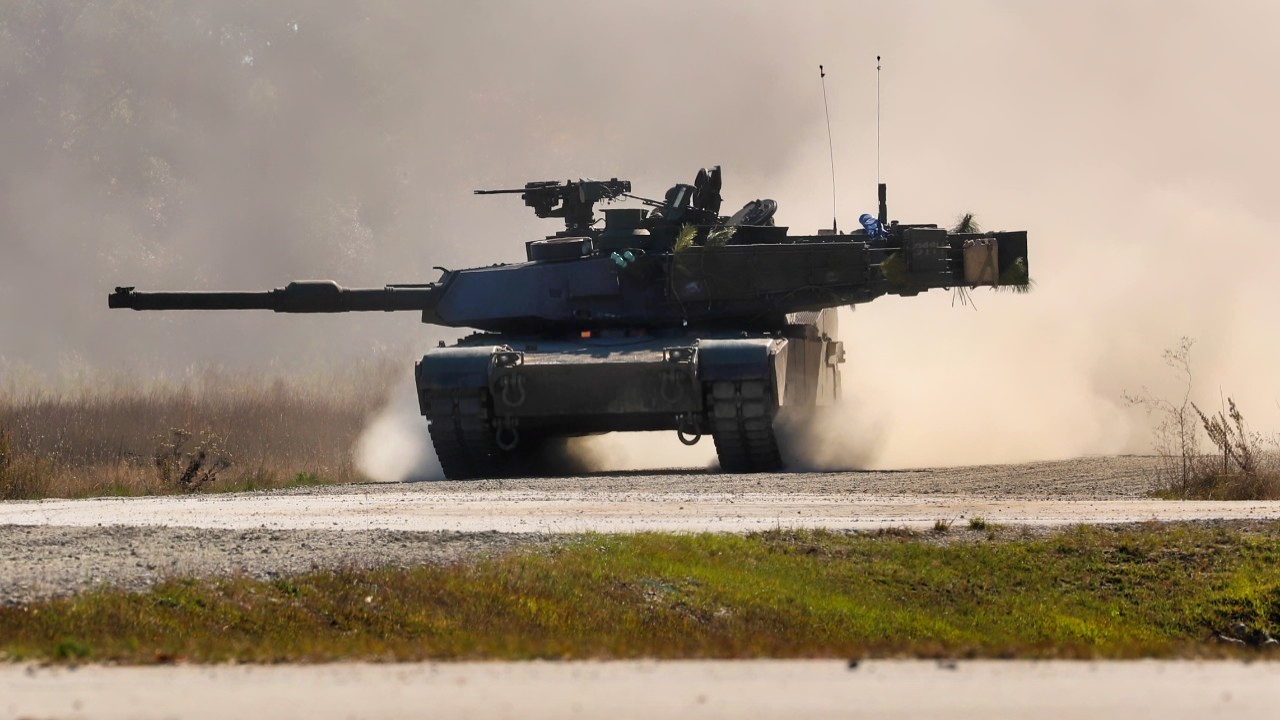
Key Points and Summary – Ukraine’s war made drones the centerpiece of modern combat, shifting battlefields toward WWI-style positional fights as cheap FPV swarms hunt armor and artillery.
-While the U.S. pioneered Predators and Reapers, it lags China, Russia, and even Ukraine in scale, cost, and speed.
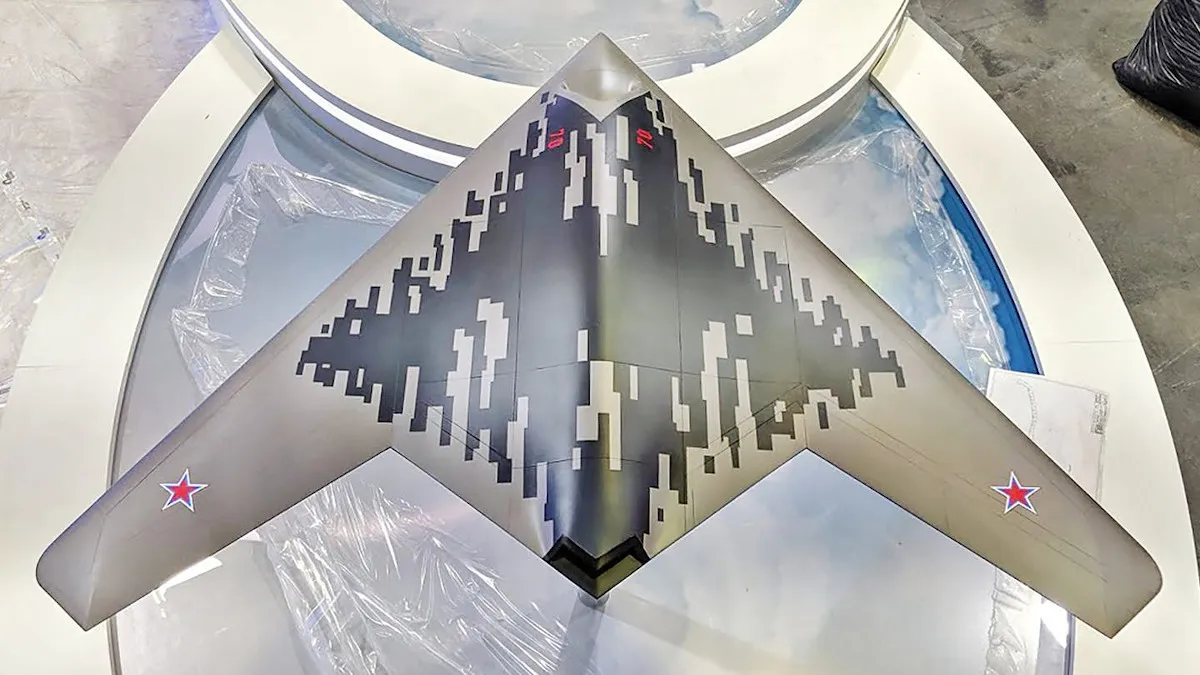
S-70 Drone VIA X Screenshot. Image Credit: X Screenshot.
-Bureaucratic procurement, thin manufacturing capacity, and pricey systems like Switchblade 600s hinder mass adoption versus $500 FPVs.
-Washington is responding with Replicator and DOGE to field expendable, autonomous drones and treat them as consumables, empowering frontline buys.
-Progress is real but uneven; until America can iterate fast and produce at scale, adversaries’ swarms and jammers will keep the edge.
The U.S. Army Isn’t Ready for a Drone War
The ongoing war in Ukraine has revealed to the world just how vital drones are in modern and future warfare.
Whereas armies relied on high-speed, precision artillery to outmaneuver their enemies, with the advent of drones, two world-class armies are forced to assume WWI-style positional warfare.
What’s more shocking is that the U.S., once a world leader in drone technology, is now falling behind the likes of China, Russia, and even Ukraine.
Drones are the New Normal
In the late 90s, the U.S. was firmly leading the world in drone production/technology. The Cold War saw the introduction of the RQ/MQ-1 Predator drone.
This platform was relatively small and only possessed two hard points. This platform was followed by the larger, more capable MQ-9 Reaper.
The MQ-9 saw extensive use during the war on terror, where it targeted Al-Qaeda and ISIS militants.
The platform was so successful that, through that strike, the U.S. would adopt drones like the MQ-9 as the future and soon replace manned fighter jets.
When the war in Ukraine broke out, military drone technology evolved in a very different way.
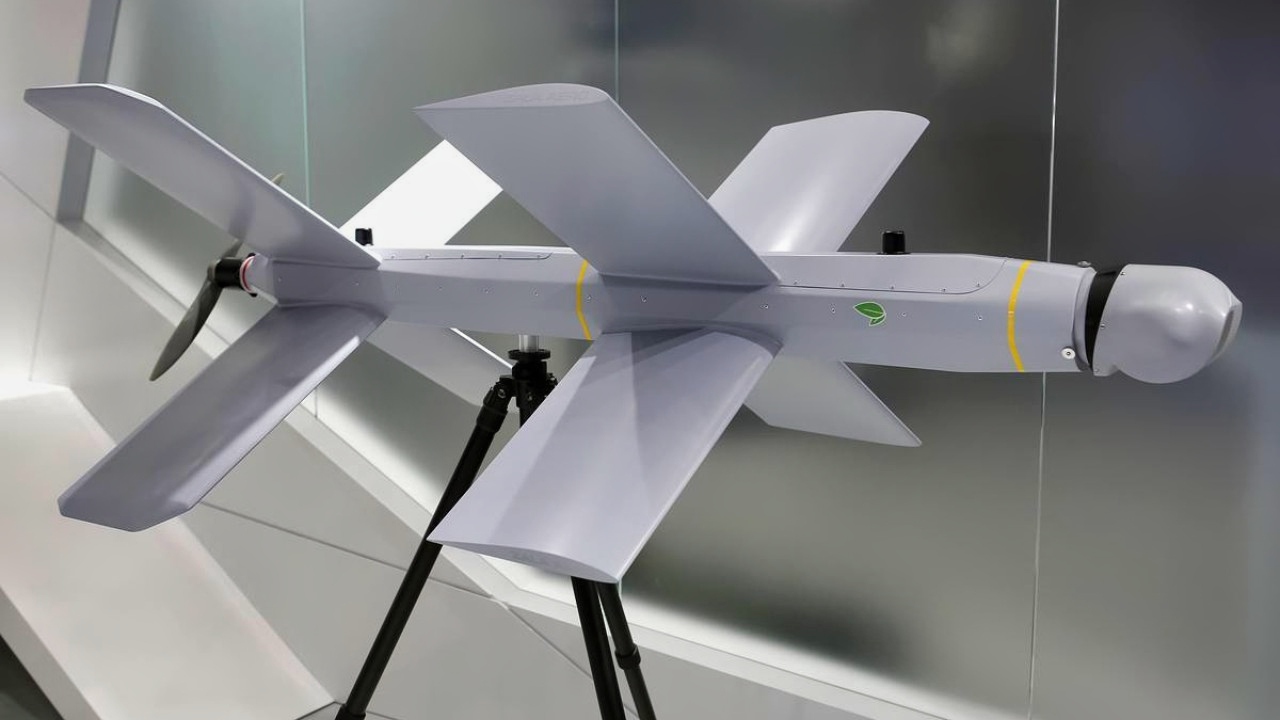
Lancet Drone. Image Credit: Russian State Media.
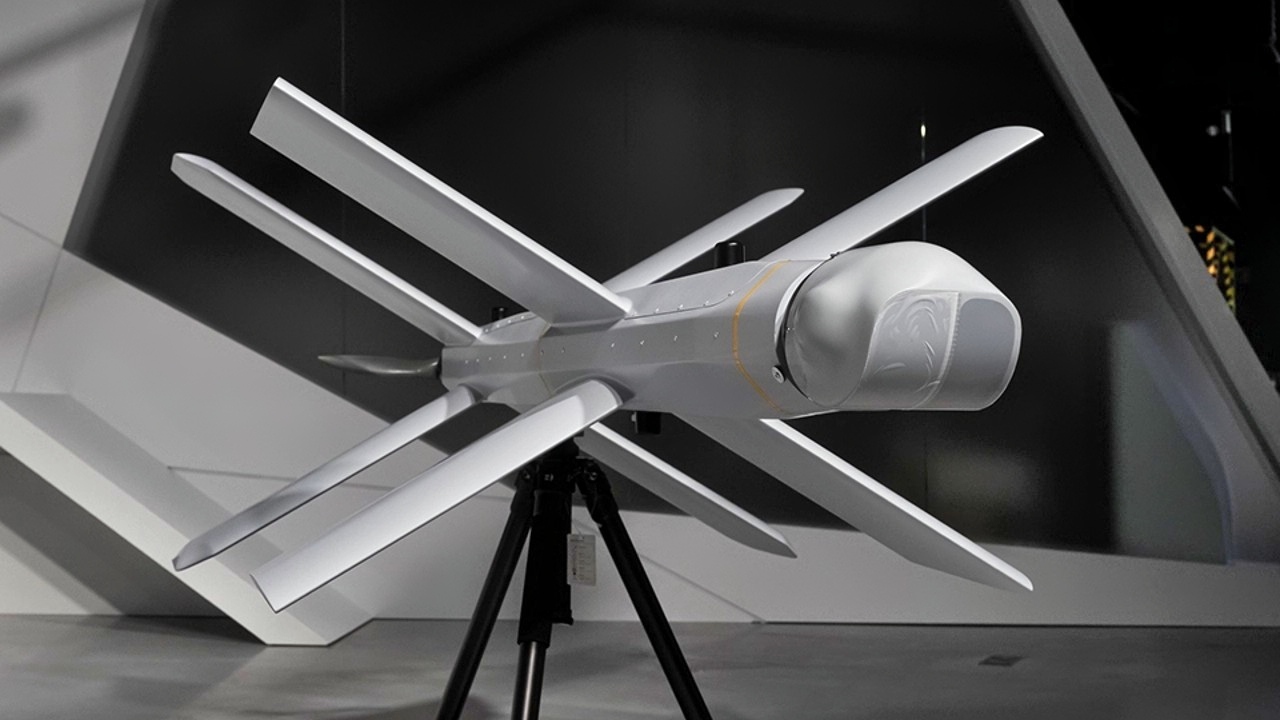
Lancet Drone from Russia. Image Credit: Creative Commons.
Instead of growing larger, the drone shrank. Initially intended for civilian use, small quadcopter drones were retrofitted to carry and drop grenades, antitank missiles, and other types of explosives.
Drones were also converted into one-way kamikaze platforms, the most notorious being the Russian Lancet and the Iranian-made Shahed-136 (or Geran-2 for its Russian-made counterpart).
These drones were quickly proliferated between both sides and fundamentally changed how the war was fought.
Why The U.S. Army Isn’t Keeping Pace
The U.S. Army, on the other hand, has been slow to deploy drones at the same scale.
One of the most pressing issues is the Army’s procurement process, which has been widely criticized for being too slow and bureaucratic. Senior Army officials have openly acknowledged this problem. Lieutenant General Charlie Costanza, for example, admitted that “we aren’t moving fast enough.
And it really took Russia’s invasion of Ukraine to realize, ‘Hey, we need to go fast.’
This slow pace stands in stark contrast to the agile innovation models seen in Ukraine, where frontline units rapidly iterate drone designs and tactics based on real-time battlefield feedback. Ukraine’s approach has allowed it to adapt quickly and effectively, while the U.S. Army remains bogged down by red tape and procedural inertia.
Manufacturing capacity is another area where the U.S. Army is struggling. While Ukraine reportedly produces up to 200,000 drones per month and Russia has equipped its forces with over 1.5 million small drones, the U.S. Army’s production goals are far more modest.

U.S. Air Force Drones. Image Credit: Creative Commons.
The SkyFoundry initiative, for instance, aims to produce 10,000 drones per month by late 2026, with a long-term goal of one million annually.
Although this represents a significant step forward, it still lags behind adversaries’ current output.
The lack of industrial capacity to produce drones at scale hampers the Army’s ability to saturate the battlefield with these critical assets.
Too Little Bang for Too Many Bucks
The Army has several drone systems at its disposal, but they are all far too expensive to mass-produce in the quantities needed for a comprehensive system.
The Army’s current drone systems, such as the Switchblade 600, are expensive, costing upwards of $170,000 per unit (don’t even get me started on what Palantir and Anduril charge for their systems).
In contrast, both Ukraine and Russia have effectively deployed FPV drones with larger payloads that cost as little as $500.
This stark cost disparity limits the U.S. Army’s ability to scale its drone operations. Moreover, the Army has struggled to integrate artificial intelligence and autonomy into its drone platforms.
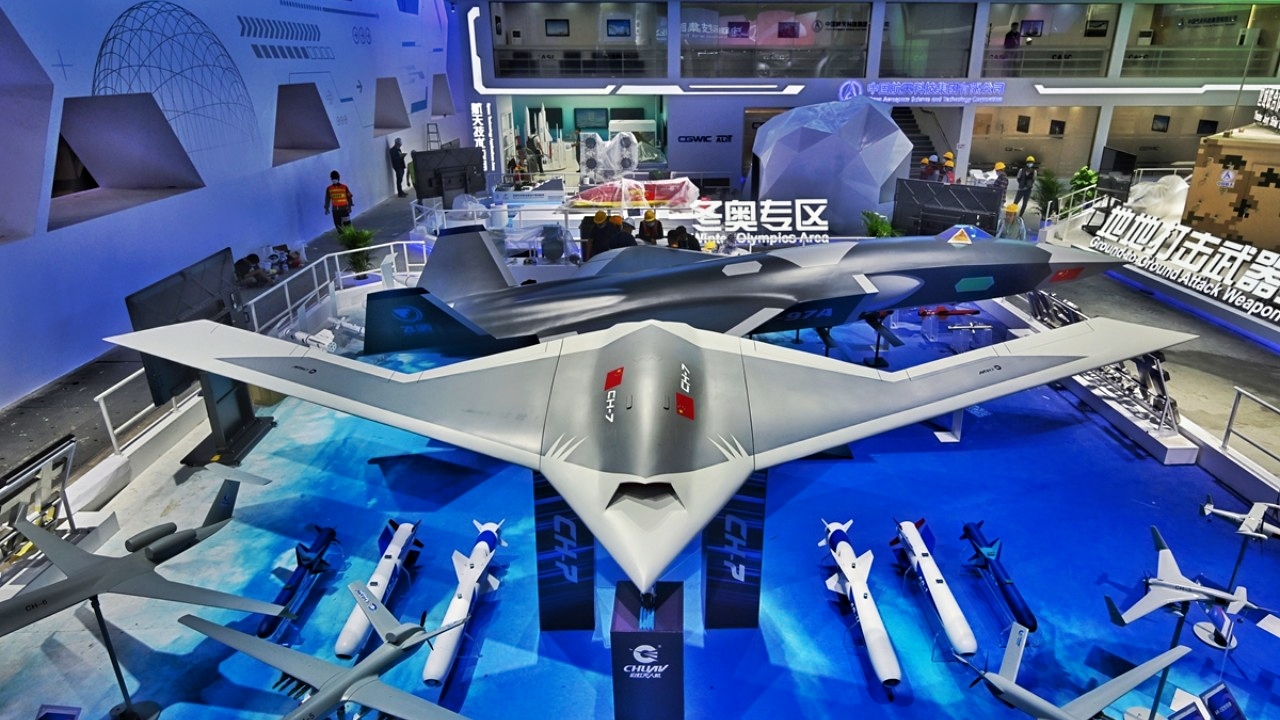
CH-7 Drone from China. Image Credit: Chinese Government
While adversaries are deploying AI-assisted targeting and autonomous navigation systems, the U.S. is still in the early stages of developing drones that can understand a commander’s intent and operate independently of constant human input.
What the Army is Doing to Catch Up
Recognizing these shortcomings, the Pentagon has launched several initiatives to accelerate drone development and deployment. One of the most notable is the Replicator Initiative, introduced in 2023.
This program seeks to field thousands of low-cost, autonomous drones by 2025, emphasizing systems that are small, smart, cheap, and numerous.
Over 30 contracts have already been awarded under this initiative, signaling a strong commitment to modernization. However, progress has been uneven, and questions remain about how effectively these systems will be integrated into broader military operations.
Another significant effort is the Department of Government Efficiency (DOGE), which is spearheading a plan to acquire 30,000 small drones and streamline procurement processes. One of the key innovations here is the shift in how drones are classified.
By treating drones as consumables rather than durable assets, the Army can empower frontline commanders to purchase drones directly, bypassing traditional procurement bottlenecks. This change could dramatically improve responsiveness and adaptability on the battlefield.
Still a Long Way to Go
Despite these initiatives, the U.S. Army still has a lot of catching up to do. China, for example, leads in mass production and component manufacturing, dominating the global consumer drone market through companies like DJI.
Militarily, the People’s Liberation Army is rapidly advancing autonomous drone capabilities and integrating them into its strategic doctrine. Russia, meanwhile, has embraced attritable drone warfare, deploying thousands of expendable drones and loitering munitions. Its battlefield tactics emphasize saturation attacks and electronic warfare, areas where the U.S. is still developing effective countermeasures.
Ukraine’s innovation model deserves special mention. Driven by frontline units and supported by a decentralized tech ecosystem, Ukraine has demonstrated how rapid iteration and battlefield-driven design can yield highly effective drone systems.
The U.S. Army is studying this model, but has yet to replicate its agility and responsiveness. The centralized nature of U.S. military procurement and development makes it difficult to adopt such a nimble approach.
But the fact that the military top brass recognizes the problem is, at the very least, a good start.
About the Author: Isaac Seitz
Isaac Seitz, a Defense Columnist, graduated from Patrick Henry College’s Strategic Intelligence and National Security program. He has also studied Russian at Middlebury Language Schools and has worked as an intelligence Analyst in the private sector.
More Military
Canada’s F-35 Fighter Debate Summed Up in 3 Words
The U.S. Air Force’s B-52J Bomber Crisis
Mach 5.1 X-51 Waverider ‘Hypersonic Scramjet’ Has a Message for the Air Force
Beast Mode: How the F-35 Stealth Fighter Bolts on 22,000 Pounds of Bombs


