


Retired Rear Adm. Lorin Selby — who served 37 years as a U.S. Navy submarine warfare officer and as the 26th Chief of Naval Research — says every U.S. military war plan is obsolete. Selby wrote that every OPLAN, CONPLAN, and campaign design “was built on assumptions that are no longer true.” Selby said the target sets, kill chains, and “the very physics of the battlefield” have changed.
The U.S. Military Faces a Brutal Reality

GJ-11 Drone. Image Credit: State Media Screenshot.
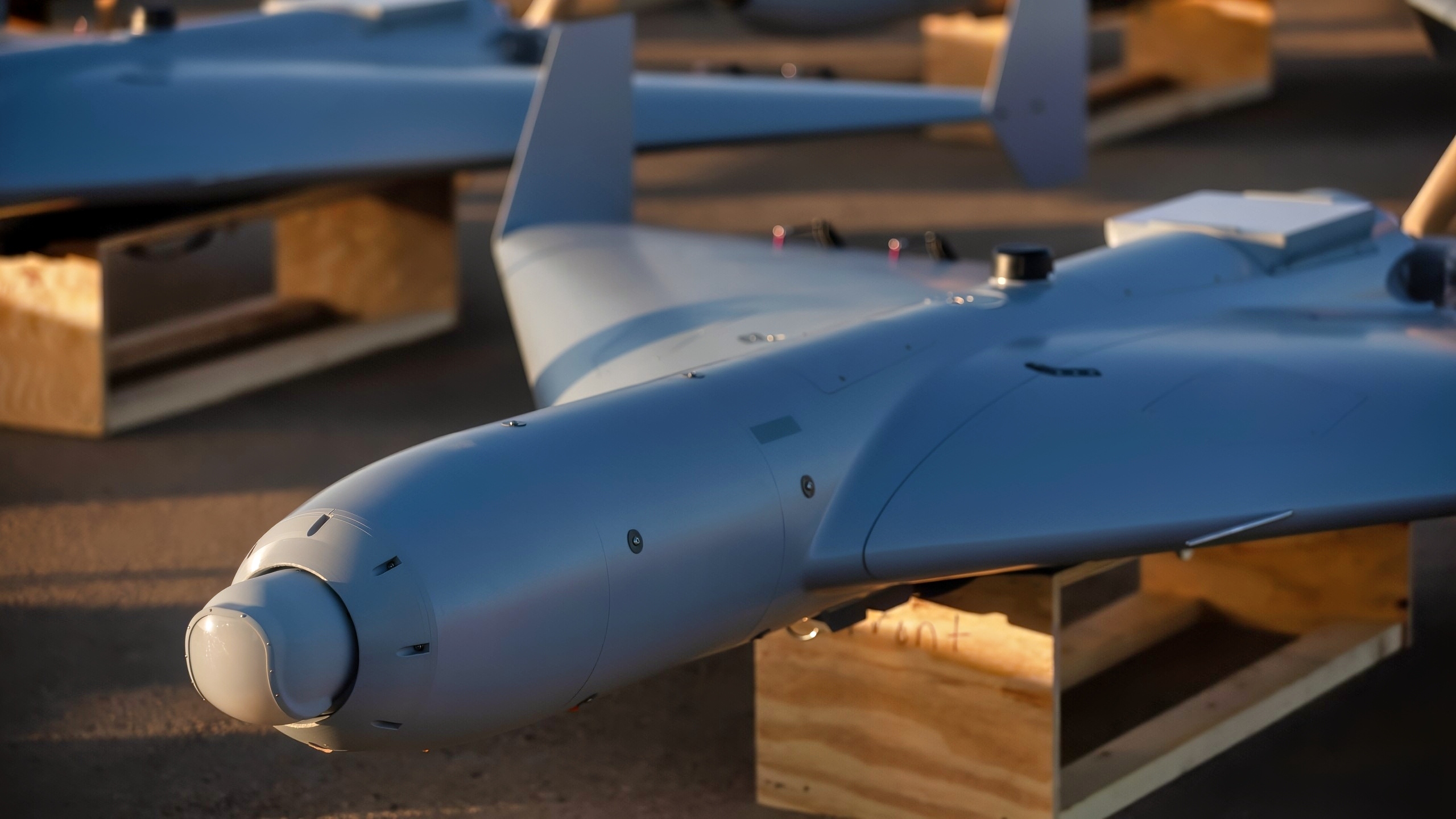
U.S. CENTRAL COMMAND AREA OF RESPONSIBILITY (Nov. 23, 2025) Low-cost Unmanned Combat Attack System (LUCAS) drones are positioned on the tarmac at a base in the U.S. Central Command operating area, Nov. 23. Costing approximately $35,000 per platform, LUCAS drones are providing U.S. forces in the Middle East low-cost, scalable capabilities to strengthen regional security and deterrence. (Courtesy Photo)
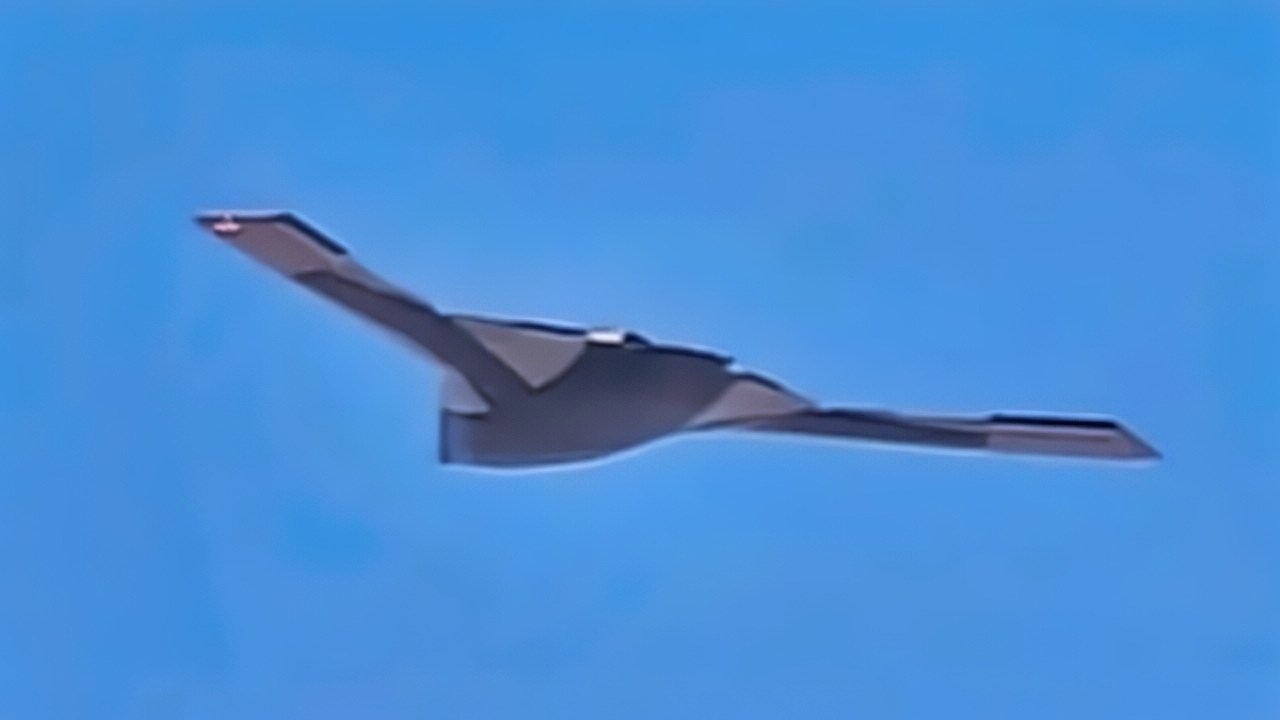
GJ-X Drone X Screenshot. Image Credit: X.
Retired Rear Adm. Lorin Selby served for nearly 37 years as a US Navy submarine warfare officer and as the 26th Chief of Naval Research. He has seen no small share of paradigm shifts in the defense community during his career. His essay, published this week, concludes that we now know what future warfare will be like. But we can see even more clearly that we in the US are not ready for the challenges it will present.
“Every OPLAN, CONPLAN, and campaign design sitting in a classified vault somewhere — from European Command to Indo-Pacific Command, from NATO’s Article 5 contingencies to the South China Sea access-denial scenarios — was built on assumptions that are no longer true. The target sets have changed. The kill chains have changed. The very physics of the battlefield have changed,” he writes.
He then explains how we are committing the traditional folly of preparing to fight the last war rather than the one that is coming next.
“The institutions that own those plans are, by and large, heads down — still recruiting for the team, still building the product, still defending the roadmap. The question is no longer whether the force must change. It is whether the institution can move fast enough to matter.”
Lack of scientific innovations that made military sense, lack of technology that had not been invented yet – these were not the obstacles he witnessed in his career.
The problem was, as he writes, “the urgency — or the lack of it …The planning processes, the acquisition timelines, the risk aversion baked into a system designed for a slower world: those were the problems. And they are the same problems now rendering every OPLAN on every classified server obsolete.”
“We’ve got a dead moose on the table – the kind of problem that only gets worse the longer we pretend it’s not there,” he concludes.
Faster and Cheaper
There was at one time a group of defense and technology innovation advocates, Selby recalls. They were champions for more rapid development of cheaper systems, a higher degree of commercialization in the procurement process, and emphasizing autonomous, unmanned systems and AI over expensive manned platforms and mass.
In his experience, those solutions were always rejected as being too theoretical, too “Silicon Valley,” and not yet validated to a level that made them practical for the battlefield. Now, today, they are dominating the battlefield. The high-tech firms that were once thought of as “boutique” incubators for new gadgetry that would be adjuncts or perhaps force multipliers for the platforms of the big major defense prime contractors.
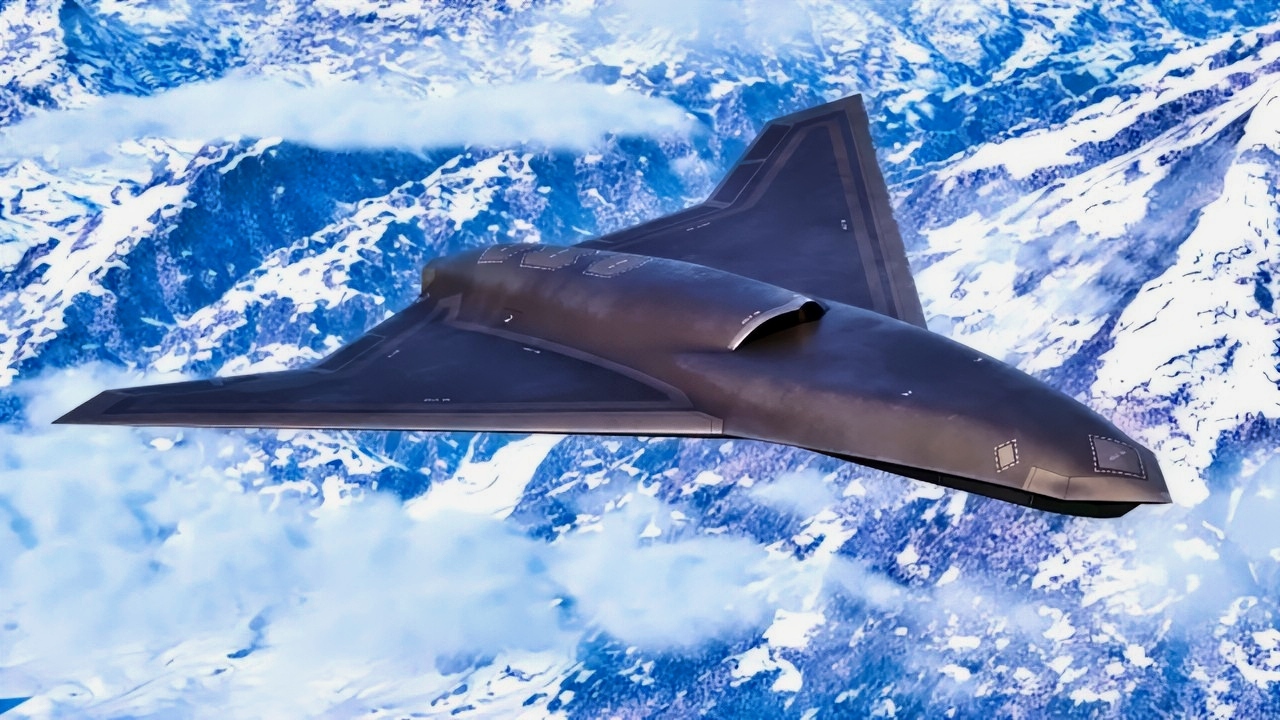
Vectis Drone Skunk Works Photo Handout

China UUV Drones. Image Credit: X Screenshot.
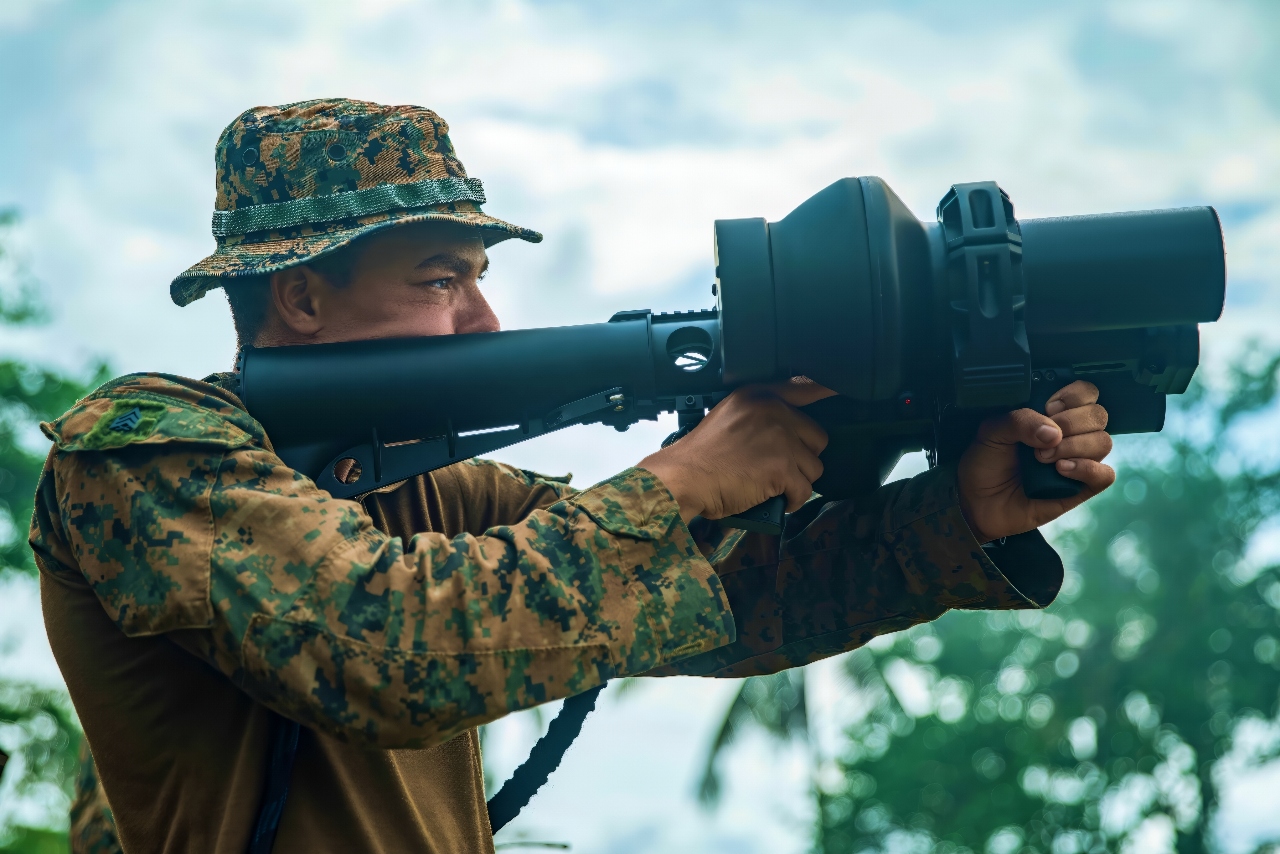
U.S. Marine Corps Sgt. Colin Clark, a mortarman assigned to Bravo Company, Battalion Landing Team 1/5, 15th Marine Expeditionary Unit, and a native of Texas, engages a target with a NightFighter S counter-unmanned aerial vehicle system during a demonstration for Philippine Marines assigned to Intelligence Company, 3rd Marine Brigade, as part of exercise KAMANDAG 8 at Tarumpitao Point, Palawan Province, Philippines, Oct. 17, 2024. KAMANDAG is an annual Philippine Marine Corps and U.S. Marine Corps-led exercise aimed at enhancing the Armed Forces of the Philippines’ defense and humanitarian capabilities by providing valuable training in combined operations with foreign militaries in the advancement of a Free and Open Indo-Pacific. This year marks the eighth iteration of this exercise and includes participants from the French Armed Forces, Royal Thai Marine Corps, and Indonesian Marine Corps; including continued participation from the Australian Defense Force, British Armed Forces, Japan Ground Self-Defense Force, and Republic of Korea Marine Corps. (U.S. Marine Corps photo by Sgt. Amelia Kang)
Instead, they are now increasingly the tip of the spear. These are the firms Anduril, Palantir, Shield AI, and dozens of others like them.
Two days ago, Ukrainian President Volodymyr Zelenskiy and Defense Minister Mykhailo Fedorov met Palantir CEO Alex Karp. The parties agreed to expand their partnership, which will now involve the high-technology firm in deep-strike planning with the Ukraine state-sponsored high-tech Brave1 initiative, utilizing Palantir’s Dataroom AI platform project.
How Ukraine Charts the Future
What we are seeing in Ukraine, says Selby, is the future model. And despite some loud voices going back to 2021 calling what is happening in Ukraine irrelevant to the US military’s challenges in Asia, that model is the template for the future.
It dictates how Washington would have to fight the People’s Liberation Army (PLA) over the Republic of China (ROC) on Taiwan.
Today, more than 100 Ukrainian defense companies are training over 80 AI models using real combat data. The models are designed to detect and intercept Russian drones, including the Shahed-type UAVs Russia is producing at a rate of 400 per day. It is using technology as a force multiplier in ways that used to be denigrated inside the Pentagon but are now the basis for much of modern combat operations.
What the retired Admiral sees as Ukraine’s operations charting the future of war is how its military “compressed the kill chain from days to minutes. Cheap FPV drones destroyed million-dollar platforms. Electronic warfare became an hourly contest.” This level of agility and adaptability is the key.
Ukraine’s “recent attacks on exposed aircraft and logistics nodes have shown the same lesson elsewhere: fixed assets, predictable basing, and legacy protection assumptions are liabilities. In the Pacific, that logic applies to both sides of the Taiwan Strait. Surface ships, ports, airfields, tankers, and logistics hubs are all now targetable at scale.”
Most of today’s US war plans will fail because they were not written by people envisioning these new-age capabilities as being the centerpiece of the developmental process. The only way to correct the current defense planning dysfunctionality is to start making plans for tomorrow’s conflict using today’s – as opposed to yesterday’s – tools and methods.
About the Author: Reuben F. Johnson
Reuben F. Johnson has thirty-six years of experience analyzing and reporting on foreign weapons systems, defense technologies, and international arms export policy. Johnson is the Director of Research at the Casimir Pulaski Foundation. He is also a survivor of the Russian invasion of Ukraine in February 2022. He worked for years in the American defense industry as a foreign technology analyst and later as a consultant for the U.S. Department of Defense, the Departments of the Navy and Air Force, and the governments of the United Kingdom and Australia. In 2022-2023, he won two consecutive awards for his defense reporting. He holds a bachelor’s degree from DePauw University and a master’s degree from Miami University in Ohio, specializing in Soviet and Russian studies. He lives in Warsaw.


FRED T ADAMS
May 14, 2026 at 3:42 pm
Interesting article. I hope there is some high-level assessment of these issues happening right now. Is the US still the leader in innovation that it was in 1940-1945? Hope so…