

The Iran War has been relatively quiet in recent weeks, with a diplomatic process beginning last week on the sidelines of the U.N. General Assembly in New York, and Iran reportedly offering, through Qatar, to return to something similar to the June Memorandum of Understanding.
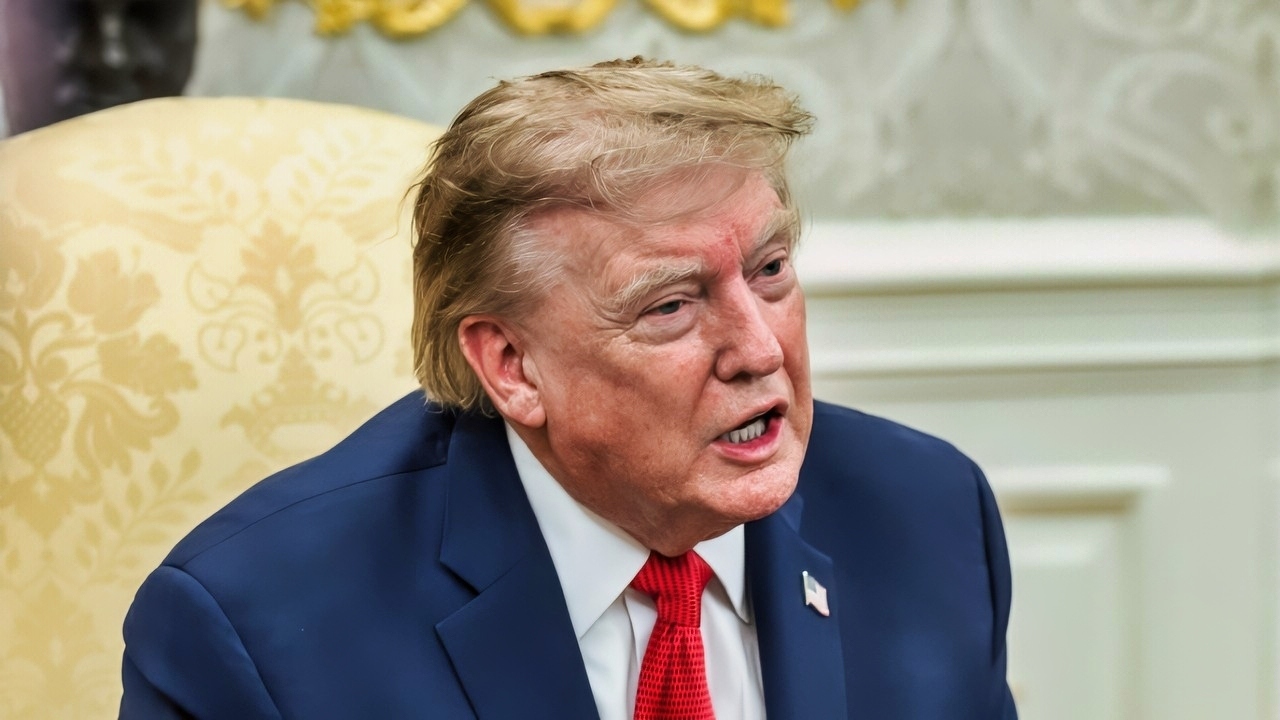
However, President Donald Trump, last weekend rejected that overture and, per CBS News, said Friday that he believes Iran is “ready to fold up,” and that the U.S. will win the war “right after the election,” presumably referring to next month’s midterm elections in the U.S. Trump also alleged, without citing evidence, that Iran was involved in the FlyDubai flight incident this week, in which a pilot attempted to crash a plane that was flying to Israel.
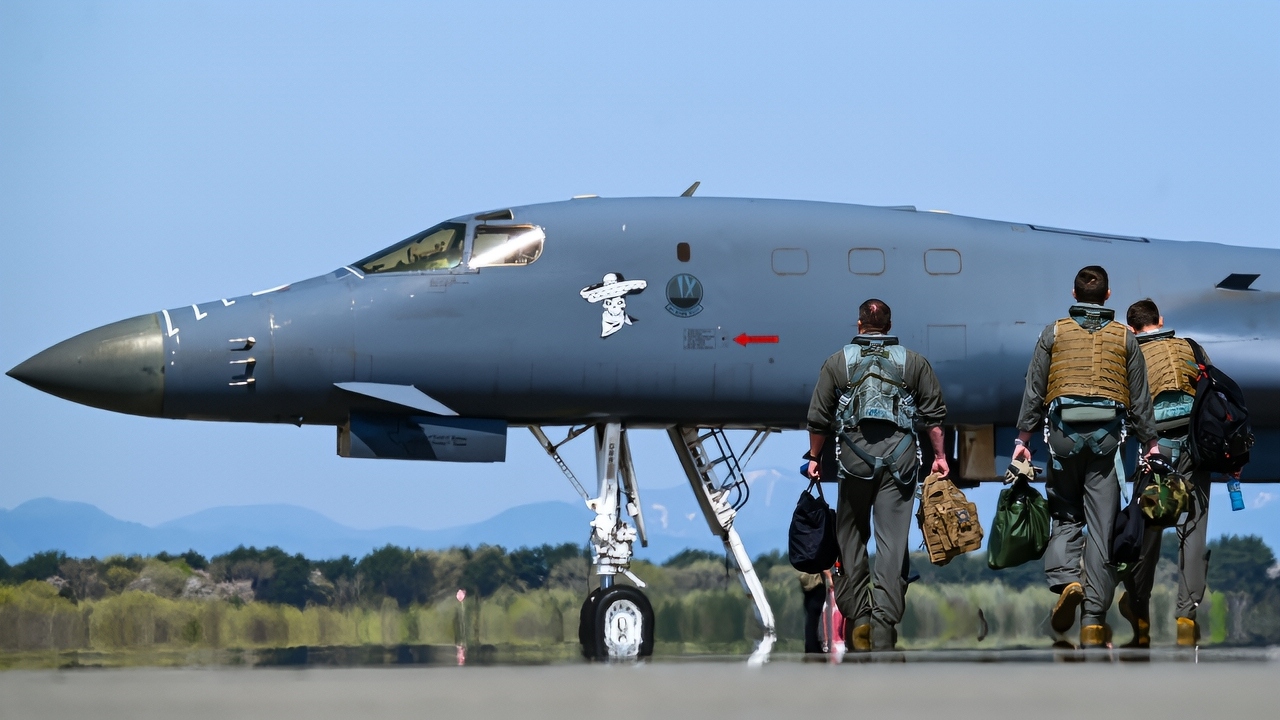
9th Expeditionary Bomb Squadron aircrew step out to the B-1B Lancer during Bomber Task Force 25-2 at Misawa Air Base, Japan, May 9, 2025. BTF 25-2 demonstrates Allied strength by forging strong alliances, showcasing our resolve, and deterring aggression, while also supporting global stability and security and strengthening military capabilities. (U.S. Air Force photo by Airman 1st Class Mattison Cole)
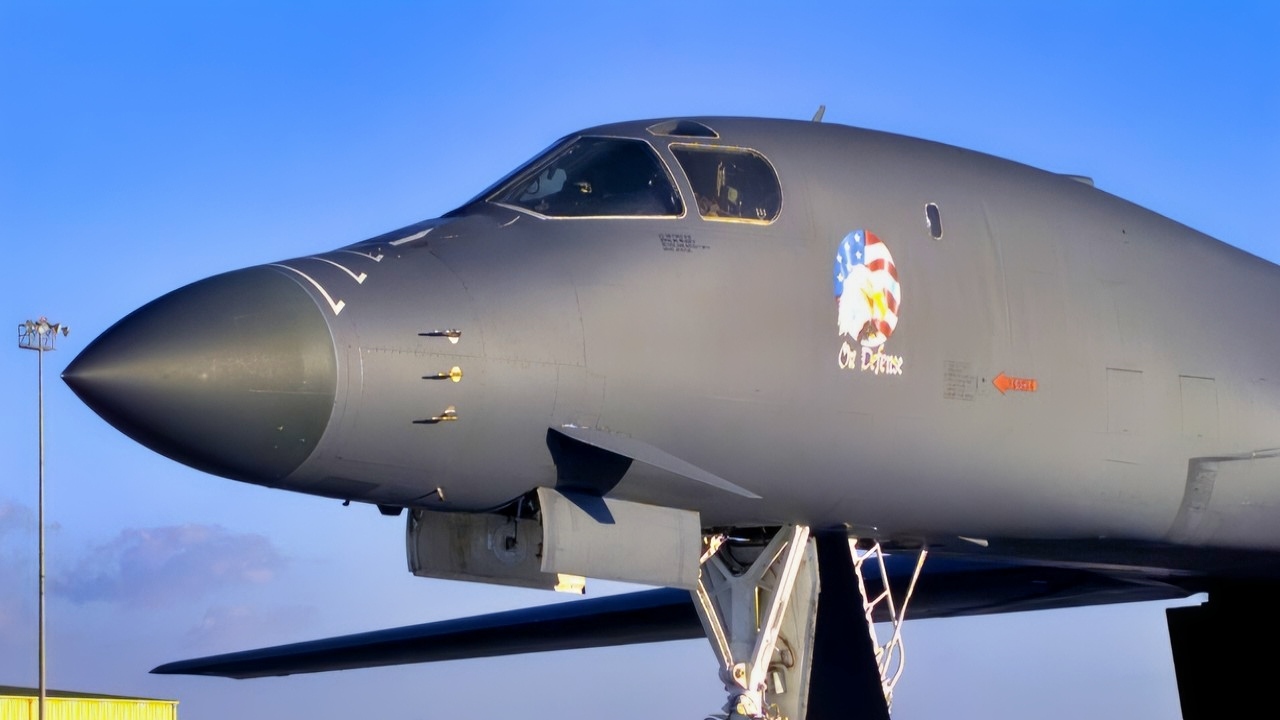
Crew Chief Senior Airman Mike Parks talks through his headset with the crew of a U.S. Air Force B-1B Lancer bomber as they go through the pre-flight checklist at an air base in the Persian Gulf region on Dec. 10, 1998. The Lancer, deployed from Dyess Air Force Base, Texas, is a multi-role, long range, heavy bomber.
(DoD photo by Senior Airman Sean M. White, U.S. Air Force. (Released))
Things remain in a holding pattern.
But one expert said this week that the war is likely to resume soon.
Ramping Up
In a New Yorker interview published Thursday, reporter Isaac Chotiner spoke with Sanam Vakil, a professor at the Johns Hopkins School of Advanced International Studies and director of Chatham House’s Middle East and North Africa Program.
In the interview, she noted that while the U.S. and its allies have found some workarounds to Iran’s blocking of the Strait of Hormuz and to get oil tankers through, the current status quo likely can’t hold for long; in part, keeping the status quo going is expensive and is going to continue to be.
The big concern, according to the interview? Iran will respond to the current situation by lashing out.
Vakil said in the interview that she believes the two sides are in a stalemate, with both the United States and Iran “very much backed into their corners.”
She added that because the blockade, sanctions enforcement, and other efforts by the U.S. and its allies are succeeding at hurting Iran, that doesn’t mean those actions are a prelude to victory. That’s because, Vakil argues, Trump and his team are “trying to approach the strangulation of Iran in the same way that they would approach the strangulation of the United States or another Western country.”
But that’s not really how it’s working, she says, because the Iranian regime sees the current war as existential, and they’re basing their decisions not on economic factors, but rather on considerations of “security, stability, and survival.” Iran is unlikely to back down for economic reasons.
“What they won’t do is bend the knee to Donald Trump,” she said.
What Happens Next?
Vakil said in the interview that she believes the Iranians do want to make a deal to end the stalemate. They’re seeking to “shape the conflict environment, and perhaps stave off another round of war,” while preparing themselves to continue the war if they have to.
She also made clear that Iran’s government system “ isn’t monolithic and is factionalized,” and that the president of the country and the Islamic Revolutionary Guards Corps aren’t always on the same page.
She and Chotiner also agreed in the interview that while Iran’s government is not bound by “democratic feedback loops,” the U.S. is less bound by them as usual, especially since Trump doesn’t seem to care about the war being historically unpopular or that it threatens to cost his party in the upcoming midterm elections, while Vakil added that the president “has not made a consistent case for why this war is necessary, and what the United States is trying to achieve”- and, for that matter, what a successful resolution for the U.S. would look like.
When asked whether things might change after the U.S. midterm elections, Vakil said they likely won’t.
If the Democrats win big and can hold hearings and the purse strings, that could hurt Trump’s ability to continue the war. That could push Trump to seek military action before the new Congress is seated in January.
“If he’s going to do it, he’s got to do it sooner rather than later,” Vakil said of a potential post-election ramping up of the war.
About the Author: Stephen Silver
Stephen Silver is an award-winning journalist, essayist, and film critic, and contributor to the Philadelphia Inquirer, the Jewish Telegraphic Agency, Broad Street Review, and Splice Today. The co-founder of the Philadelphia Film Critics Circle, Stephen lives in suburban Philadelphia with his wife and two sons. For over a decade, Stephen has authored thousands of articles that focus on politics, national security, technology, and the economy. Follow him on X (formerly Twitter) at @StephenSilver, and subscribe to his Substack newsletter.


