
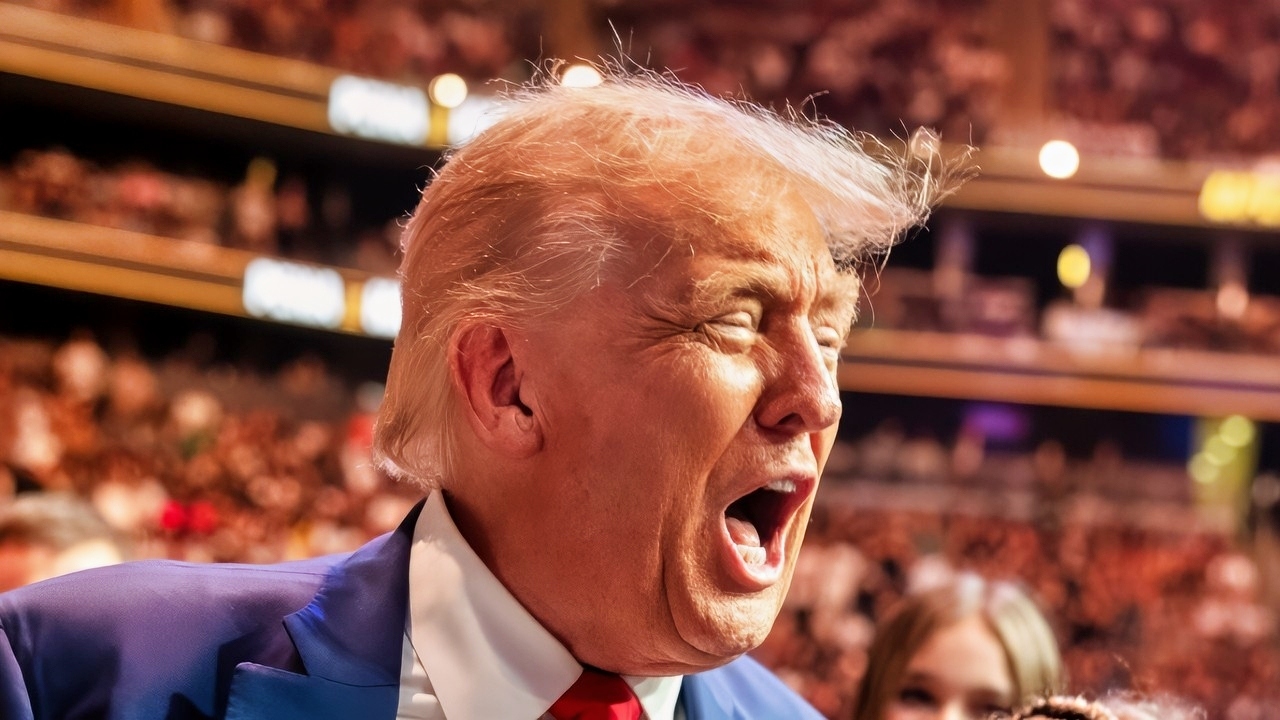
Much of President Donald Trump’s appeal has always been his ability, or at least his promise, to rescue the American economy.
While the administration doubles down on the idea of a new American “Golden Age,” the American people are seeing things differently.
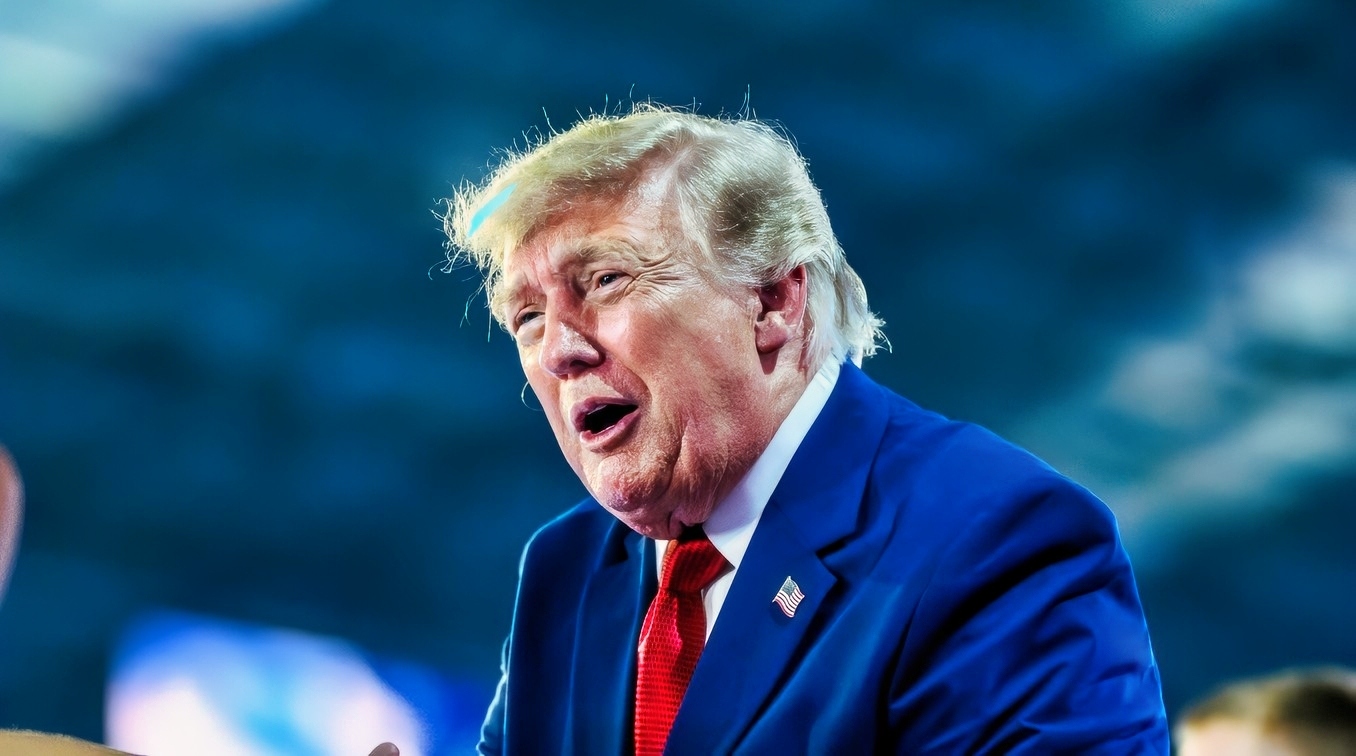
President Donald J. Trump attends the finale of the inaugural Patriot Games youth sports competition at SPIRE Academy in Geneva, Ohio, Tuesday, August 11, 2026. (Official White House Photo by Daniel Torok)
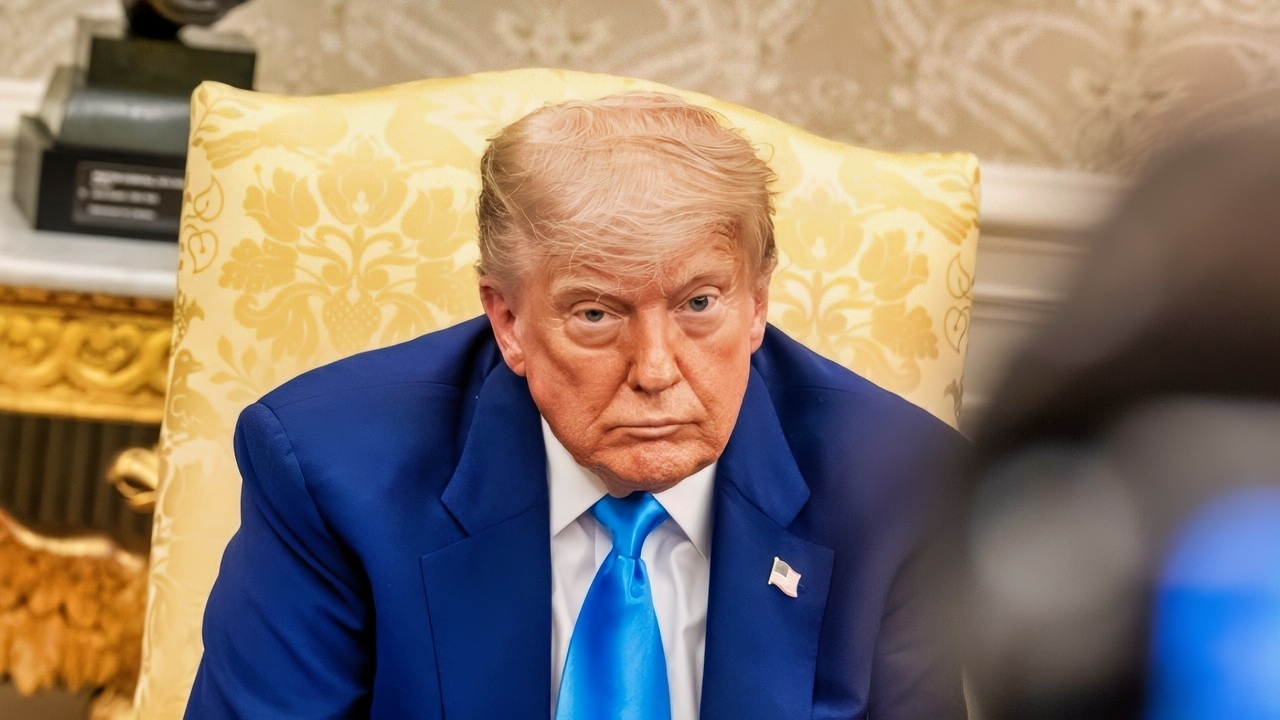
President Donald Trump meets with President of South Africa Cyril Ramaphosa, Wednesday, May 21, 2025, in the Oval Office. (Official White House Photo by Daniel Torok)
With less than a month to go before the November 3 midterm elections, voters tell pollsters they don’t believe the president is doing a good job on the economy.
And it could be enough for his party to lose control of both chambers of Congress.
A new Associated Press-NORC Center for Public Affairs Research poll released on October 1 found that only 26% of American adults approve of Trump’s handling of the economy, the lowest figure recorded in the survey during his second term.
Only 17% approve of his handling of the cost of living.
Even more concerning for the president, 65% of Americans say the president’s own policies are the primary reason for persistently high prices.
It isn’t just one poll, either. Several national surveys through September show President Trump’s economic approval rating has hit record lows.
Americans Blame Trump for Higher Prices
The AP-NORC survey, conducted between September 24 and September 28 among 2,140 adults, has a 2.9-percentage-point margin of error and shows how dramatically public attitudes are changing.
69% of respondents said that Trump’s handling of the cost-of-living problem has been worse than they expected, and 52% of Republicans agreed.
About six in ten Republicans also disapprove of the president’s handling of living costs, up from roughly half in April.
After returning to the White House on a promise to fix an economic problem caused by President Joe Biden, Republicans find themselves in the crosshairs of the voting public.
Republicans are still more sympathetic to the president, though. 67% of Republicans told pollsters the factors causing the problem are outside of President Donald Trump’s control, but dissatisfaction is now large enough to threaten his party’s ability to help him govern through legislation over the next two years.
Not Just One Poll
Other recent polling tells a similar story.
A Quinnipiac University poll released on September 29, for example, showed that Trump’s approval rating sat at 34%, with 61% disapproving.
His economic numbers are concerning, too: just 31% approve of his handling of the economy, and 65% disapprove.
That’s the lowest economic approval rating in any poll Quinnipiac has conducted during either of the president’s two terms.
Polling by CNN in September, conducted by SSRS, was even worse.
That survey put Trump’s overall approval rating at 33%, the lowest figure of both terms, with just 27% approving of his handling of the economy and 20% approving of his handling of inflation.
Furthermore, an Emerson College poll released on September 24 found that 60% of voters believe that the president’s economic policies are making the economy worse.
28% said those policies are improving economic conditions.
The Economy Feels Worse
A major indicator of how well an economy is doing isn’t just GDP — it’s how people and businesses feel.
On September 29, the Conference Board – an independent business membership and research organization that provides economic data – said that its consumer confidence index fell from 88.6 in August to 81.9 in September.
That’s the lowest level in more than 12 years.
Consumers say they have growing concerns about jobs and future income.
The war with Iran is playing a role in how Americans feel, too, with Americans blaming the conflict for rising energy costs and increasing grocery prices.
Mortgage rates have also risen to their highest levels in around 20 months.
Republicans Could Pay the Price
Trump’s problem isn’t that he will be removed from office—but that he’ll lose legislative power through his party in Congress, leaving him to govern by executive order for two more years while Democratic legislators explore everything from investigations to impeachment.
An Emerson College poll released on September 24 showed Democrats leading Republicans 53% to 42% among voters who were asked which party they would support in the midterms.
The economy was the most important issue for those respondents, and 41% said it was the main driver of their decision-making; they favored Democratic congressional candidates.
Other polls show the Republicans in danger, too, with Quinnipiac’s September 29 poll giving democrats a 51% to 39% advantage on the generic congressional ballot.
A Democratic victory is not guaranteed on November 3, and President Trump hopes his promise of a $5,000 check to every American citizen if his party maintains control of Congress will be enough to win people over.
The Republicans have less than a month to turn it all around.
About the Author: Jack Buckby
Jack Buckby is a British researcher and analyst specializing in defense and national security, based in New York. His work focuses on military capability, procurement, and strategic competition, and he produces and edits analysis for policy and defense audiences. He brings extensive editorial experience, with a career output spanning over 1,000 articles at National Security Journal, and has previously authored books and papers on extremism and deradicalization.


