
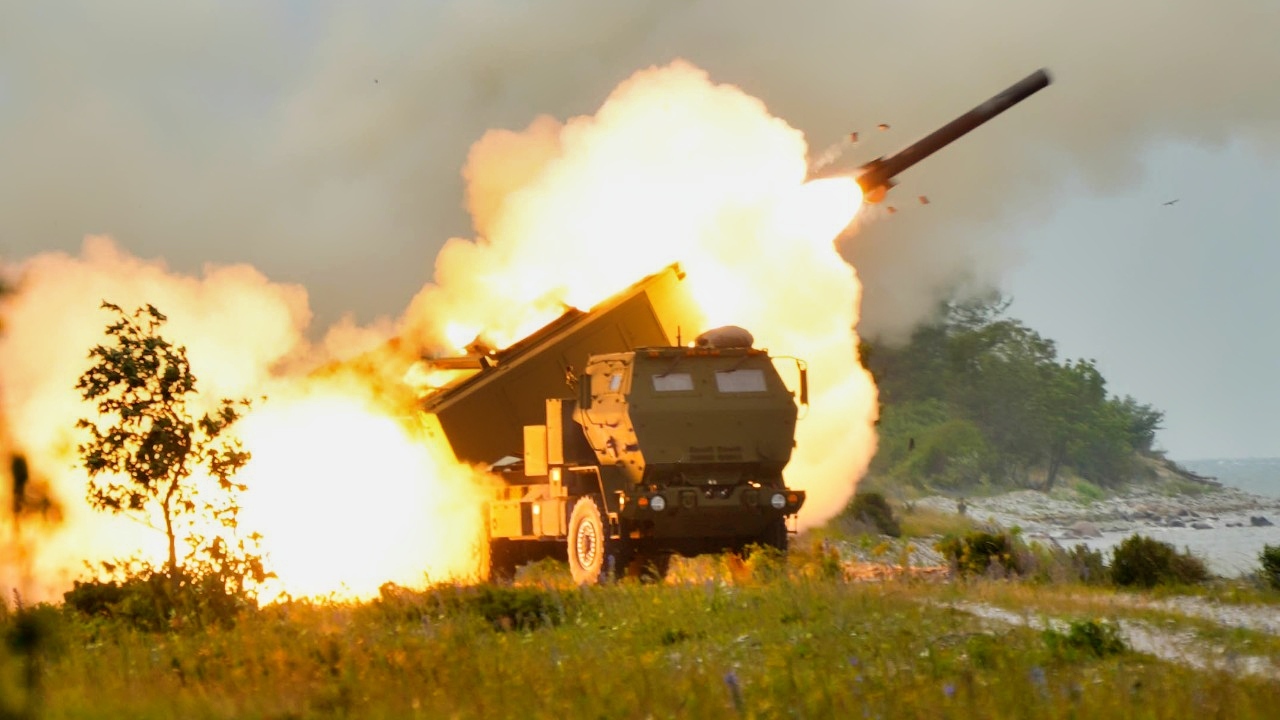
Russia was once again hit by overnight strikes by Ukrainian forces, this time striking two additional Russian oil refineries in Ufa, some 1,500 kilometers away from the front line, and an oil depot in Krasnodar, some 300 kilometers from Ukraine. In the wake of the strikes, Ukrainian President Volodymyr Zelenskyy indicated that Russia is now taking steps to protect its most valuable targets by shifting air defenses from the front lines.
Ukraine War Update: What Zelenskyy Said
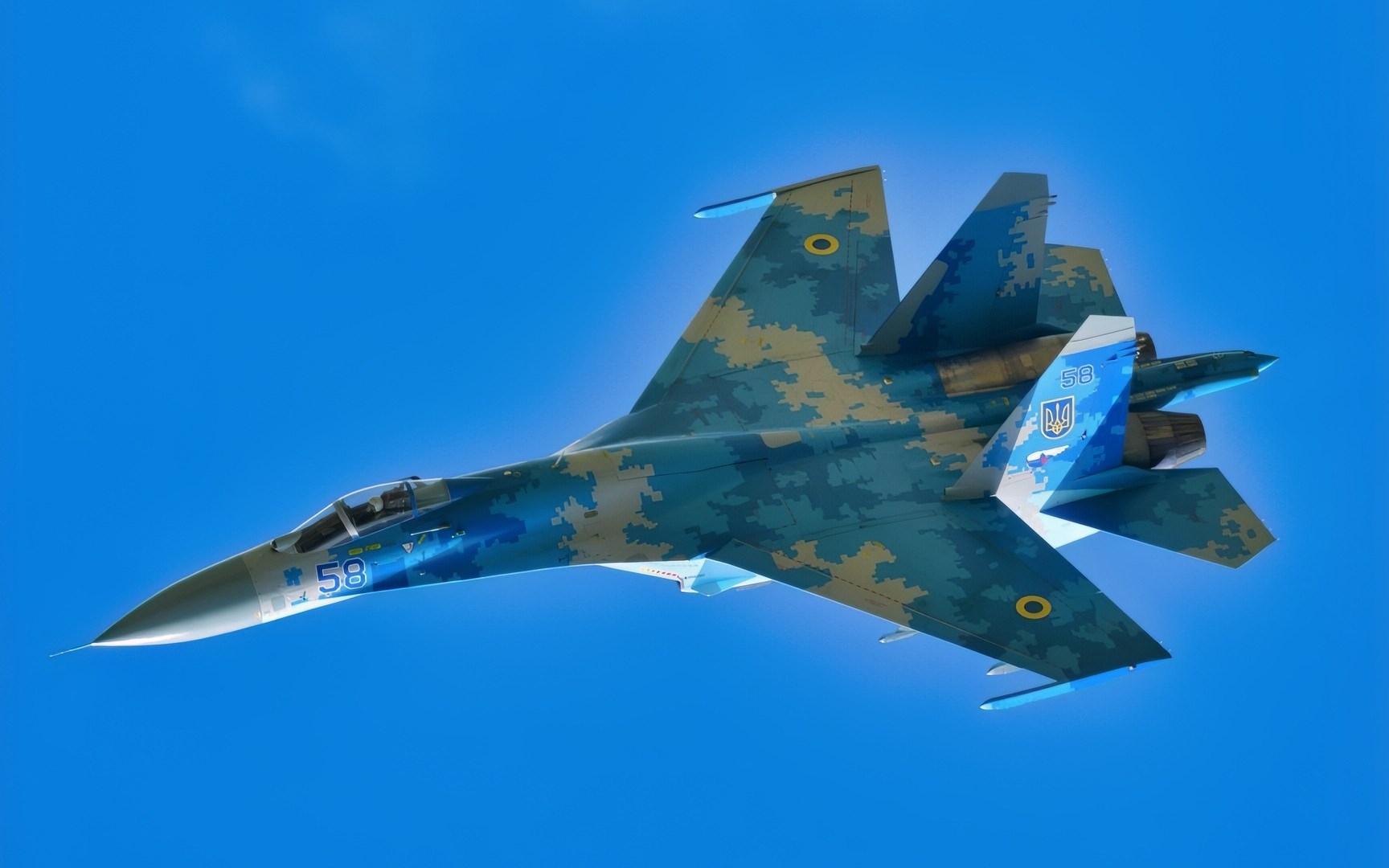
Su-27 Flanker Fighter. Image Credit: Creative Commons.
In his daily address on Wednesday evening, Zelenskyy confirmed that Russia was moving additional air defenses to Moscow and Valdai, a town roughly 500 kilometers northwest of the capital.
The comments come days after intelligence reports indicated that Pantsir air defense systems were being moved to Moscow in the wake of the viral social media strike at the Moscow Oil Refinery. And, following additional strikes on Crimea this week – which plunged half of the peninsula into darkness – Zelenskyy also said that Russian forces are moving to protect the Kerch Bridge that connects Crimea to the Russian mainland.
In his address, Zelenskyy said that “hundreds of launchers” have since been amassed in Moscow for air defense purposes, and that almost 90 launchers have also been redeployed to Valdai from other regions of Russia.
The comments, then, suggest that launchers are being pulled from all over the country – and that systems that may otherwise be used for front-line defense purposes are being redeployed to protect assets that were not previously at risk.
In a social media statement, Zelenskyy once again referred to the long-range strike campaign as a form of “long-range sanctions.”
“We are implementing our long-range sanctions plan. I thank all Ukrainian warriors who ensure our precision. The Russians should be thinking about real diplomacy instead of once again trying to trick others or buy time. The war must be brought to an end,” he said.
The comment suggests that Ukrainian strikes are not deliberately intended to inflict harm or injury, but to prevent Russia from funding its wartime economy by disabling oil refineries and energy infrastructure.
The Next 40 Days
Breaking reports on Thursday afternoon claimed that Zelenskyy has ordered the Security Service of Ukraine to begin a 40-day-long campaign aimed at replicating the successes seen in recent weeks.

Su-27 Flanker Fighter. Image Credit: Creative Commons.
Eastern European media outlet NEXTA wrote on X at 1:20 pm Eastern on June 25 that the just-approved measures will lead to continued strikes throughout Russia aimed at pressuring Moscow to return to the negotiating table and agree to a peace deal. Other outlets, such as Reuters, also reported the news.
“BREAKING: Zelensky has ordered the Security Service of Ukraine (SBU) to launch a 40-day operation aimed at forcing Russia toward peace. Looks like the next 40 days are going to be very hot,” the post reads.
If Ukraine can replicate the economic costs of the most recent strikes, Zelenskyy may well be able to change how Putin views this war – but it’s hard to say whether peace would be Putin’s next step. The Moscow Oil Refinery strike took out a facility that normally supplies much of the capital’s fuel – and now, that facility is expected to remain offline for at least the next six months, with reports indicating that it will be out of action until at least 2027. Meanwhile, Moscow has also been forced to seek 50,000 metric tons of gasoline imports from Kazakhstan after domestic gasoline output fell.
If Russia is struggling with fuel shortages and economic problems now, 40 days of Ukrainian strikes can only make them much worse.
Ukraine War Problems: What Does Russia Do Next?
Putin is in a bind. Escalation will be costly, both economically and in terms of ammunition and other military resources. It will also put pressure on a recruitment campaign that is already struggling. But concessions seem unlikely, with the Russian president having invested a great deal in his insistence that Ukraine must accept his most maximalist demands over Crimea and the Donbas.
In recent days, Putin reiterated to reporters that he believes negotiations should resume under the conditions outlined during the latest round of discussions in Istanbul.
With every new Ukrainian attack, the pressure grows – and now, Poland’s deputy prime minister has suggested how the Russian president may respond. Speaking to CBS News, Radek Sikorski theorized that Moscow may authorize a “false flag operation” within the next two years to justify a military strike on a NATO member state.
“I wouldn’t exclude the Russians doing some kind of false flag operation against Russian territory in order to have a pretext for hitting one of the NATO countries,” the deputy PM said. “We need to communicate to [Russian President Vladimir] Putin that we know what he’s up to and that we will not be taken in and that this would be completely unacceptable, and we would defend every inch of NATO territory.”
That theory, however, doesn’t solve an immediate problem for Putin: it may give Putin leverage down the line, with NATO countries wanting to prevent continued conflict, but it doesn’t stop the country’s oil and energy infrastructure from being decimated in the meantime.
About the Author: Jack Buckby
Jack Buckby is a British researcher and analyst specializing in defense and national security, based in New York. His work focuses on military capability, procurement, and strategic competition, producing and editing analysis for policy and defense audiences. He brings extensive editorial experience, with a career output spanning over 1,000 articles at 19FortyFive and National Security Journal, and has previously authored books and papers on extremism and deradicalization.


