

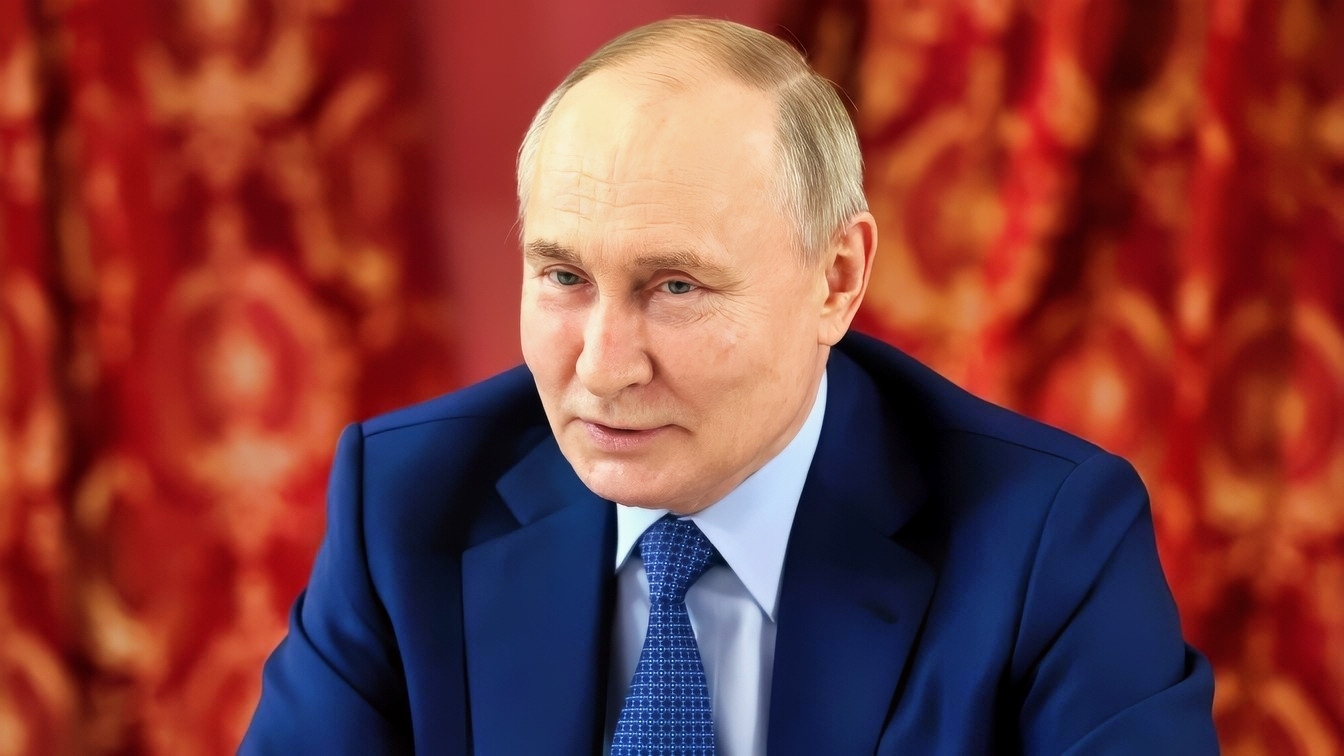
Russia’s economy has held together not just because of oil revenue, but because the Kremlin is quietly forcing state banks to finance the war through a ‘two-track’ system. The first track is the official $126–133 billion defense budget. The second is off-budget: state banks issuing subsidized loans to defense factories, with analysts estimating $210–250 billion in wartime corporate borrowing. The hidden financing delays a fiscal crisis but is piling bad debt inside Russia’s banking system.
The Ukraine War Has a Giant Secret

Su-27 Flanker Fighter. Image Credit: Creative Commons.
For years, one of the biggest surprises of the Ukraine War has been that Russia’s economy has not collapsed. Despite sanctions, the Kremlin has managed to continue funding military production, soldiers, missiles, drones, etc. The wartime industry is still humming. Many observers believed oil exports and state reserves explained the resiliency. But increasingly, analysts argue that Russia’s economic resilience stems from quietly forcing domestic banks to finance the war itself. If true, Russia may have delayed a fiscal crisis by turning the Russian banking sector into a war fund.
The Two-Track System
Russia appears to be using a “two-track” system. The first track is official war spending; the visible federal defense budget is roughly $126- $ 133 billion annually. This has swelled to consume roughly one-third or more of federal spending.
Traditionally, funding sources have included oil and gas revenue, taxation, and National Wealth Fund reserves. But analysts believe this first track only tells part of the story, that there is also a hidden, off-budget financing system, or track two.
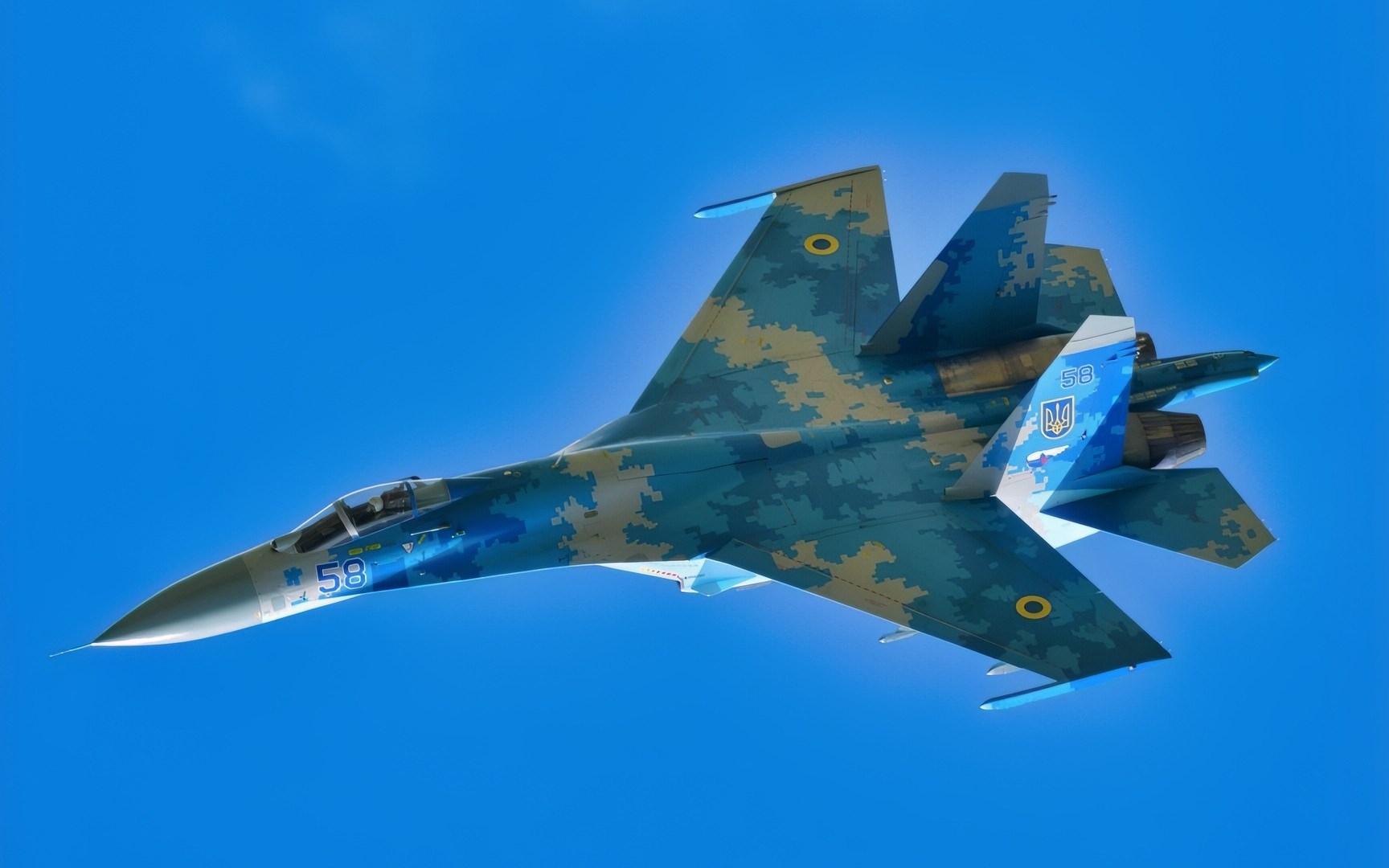
Su-27 Flanker Fighter. Image Credit: Creative Commons.
Under track two, rather than the government paying all military contractors directly, the Kremlin is pressuring major banks to issue subsidized loans and preferential financing to defense manufacturers and military-industrial firms. So instead of the Russian government paying a tank factory directly for an order of new tanks, the state bank lends money to the factory, which builds the tanks while the bank bears the financial risk. In effect, some war costs are effectively being moved off the government books onto commercial bank balance sheets.
Political Upside
The two-track system would offer Putin advantages. Politically, the official deficits appear smaller and more manageable, allowing the Kremlin to project the image of economic stability. Meanwhile, Russia is able to continue wartime production, military procurement, and industrial mobilization without immediately exhausting treasury reserves through forcing state banks to finance the war effort.
The Kremlin, of course, already has significant leverage over lending behavior as the entire industry is heavily state-influenced. But now Russia may have effectively created a shadow wartime financing system with banks operating as an extension of the Russian state rather than independent lenders.
The Lurking Danger
The two-track system puts commercial banks in a precarious position. Banks normally lend money expecting a profitable repayment. But here the banks are lending money to defense factories that produce tanks, missiles, and ammunition.
These products are consumed in war; they are not economically productive. So there is a real risk that the loans may not generate enough economic return to repay the banks cleanly. This problem is manageable at smaller scales.
But some analysts are estimating that $210-250 billion has surged in wartime corporate borrowing. At this scale, the problem is no longer manageable; bad-debt risk is building within the Russian banking system.
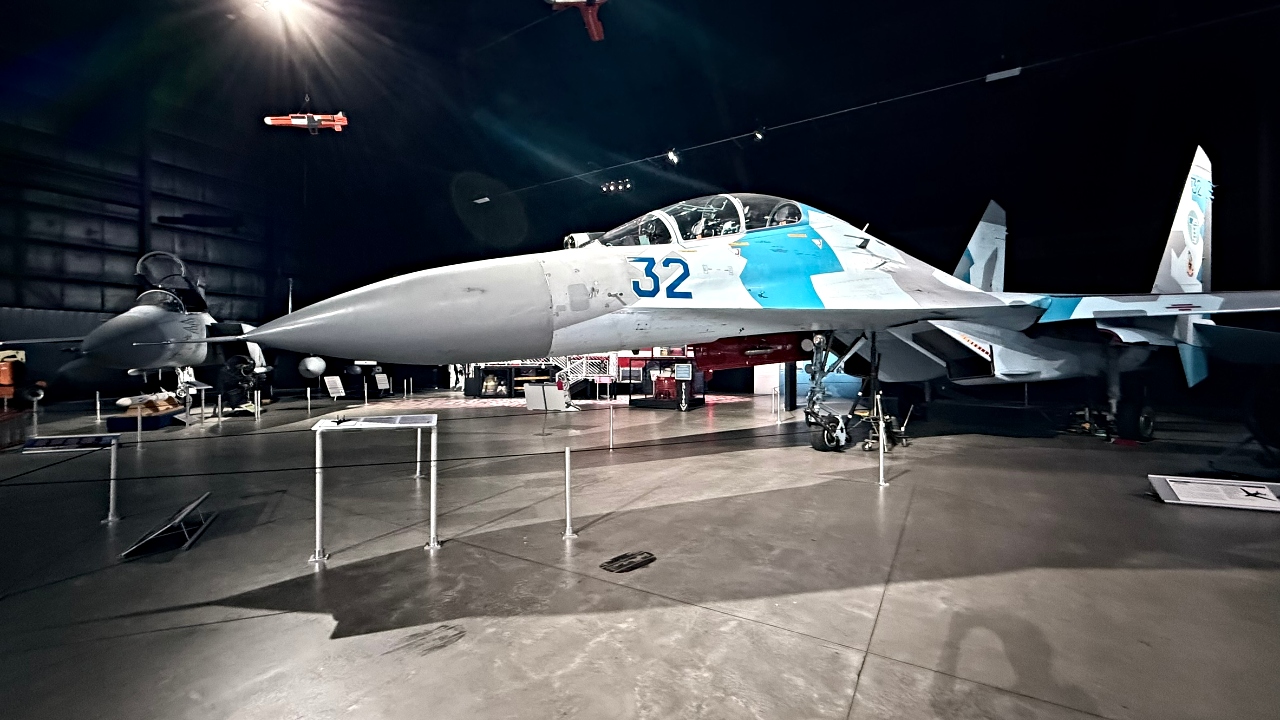
Su-27 Flanker from U.S. Air Force Museum. Image Credit: National Security Journal.
Ukraine Wartime Economy Loop
Relatedly, the Russian economy is stuck in a harmful wartime loop. As the government spends heavily on the war in Ukraine, cash floods the economy (workers in defense industries earn more money, and right now the defense industry is humming and attracting workers), but the civilian economy is not producing an equivalent increase in goods. So there is too much money chasing limited products.
The result is that inflation rises. At the same time, Russia is experiencing labor shortages because workers have been yanked from their civilian jobs and put on the front lines, moved into the defense sector, which is currently vibrant and lucrative, or fled the country entirely.
So, civilian sectors like transportation, agriculture, retail, and manufacturing are all struggling.
None of this necessarily means the Russian economy is collapsing; Russia still possesses energy exports, capital controls, state-dominated banking, and authoritarian political control. The Kremlin can still restructure loans, pressure banks, print money, and suppress panic.
Accordingly, the Kremlin should be able to prevent a 1990s-style collapse. The more plausible scenario is gradual stagnation and chronic inflation with declining civilian living standards.
While the Kremlin’s two-track shadow financing strategy may have delayed a public fiscal crisis, the longer the war continues, the more Russia risks inhibiting its banking system’s ability to facilitate economic growth.
About the Author: Harrison Kass
Harrison Kass is a writer and attorney focused on national security, technology, and political culture. His work has appeared in City Journal, The Hill, Quillette, The Spectator, and The Cipher Brief. He holds a JD from the University of Oregon and a master’s in Global & Joint Program Studies from NYU. More at harrisonkass.com.


Hujjathullah
May 29, 2026 at 5:38 am
A thought-provoking write-up indeed. But one can’t help but wonder why should Russia stagnate economically and its banks suffer financially when history records that the banks that financed either sides in both WW I and WW II mostly came up well during and continued flourishing after the conclusion of those wars ? So, clearly track two financing of the defence sector is not bad in itself, besides what viable other options to Russia have when it is strapped with severe Western primary and secondary sanctions !