


Russia’s PAK DA was supposed to be Moscow’s stealth answer to the American B-21 — a flying-wing bomber built to haul nuclear weapons past the world’s best air defenses. There’s just one problem. Nearly twenty years after the program began, and after a parade of finalized designs and confident deadlines, Russia still hasn’t rolled out a single prototype. What it has produced instead says a lot about why analysts have started calling the whole thing a fairy tale.
Russia Needs To Scrap The Failed “Fairy Tale” PAK DA Stealth Bomber
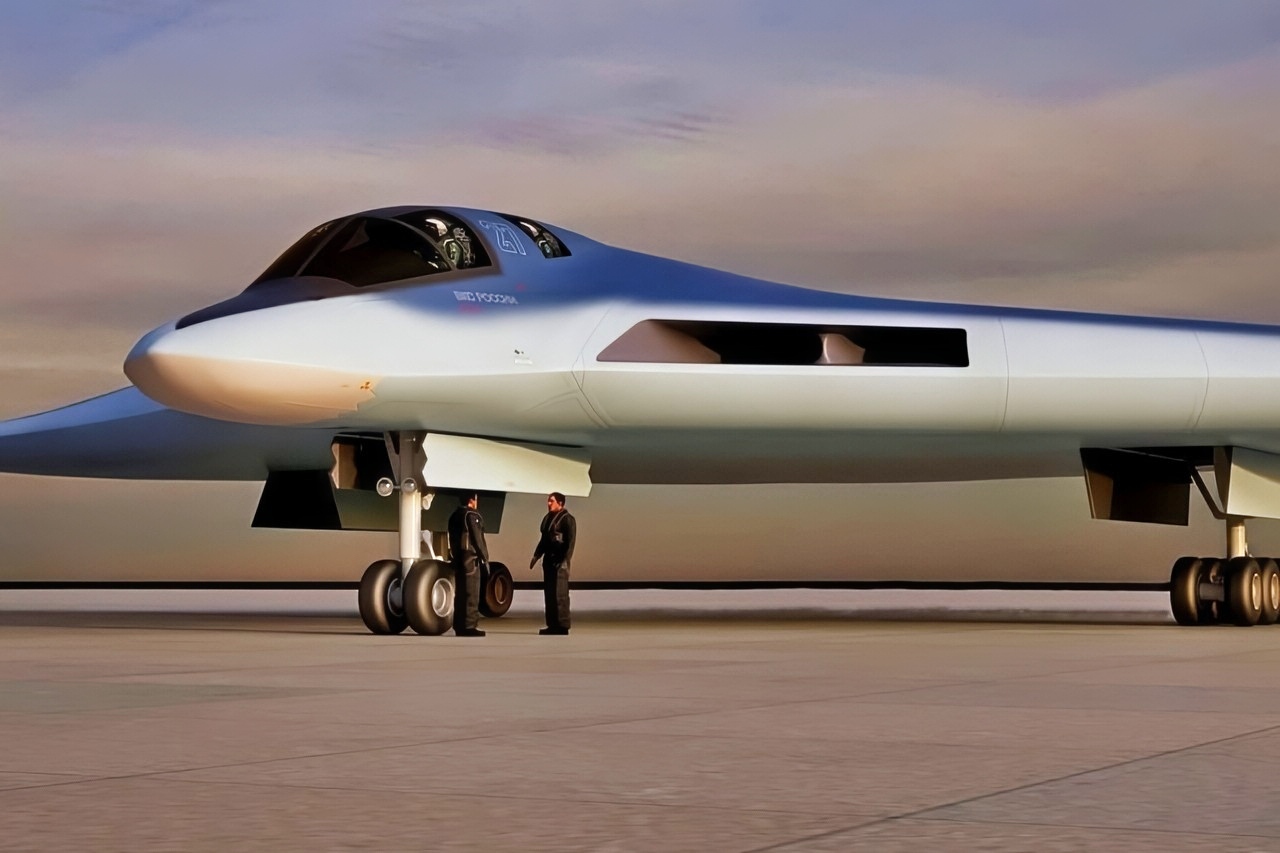
PAK DA Stealth Bomber Artist Rendering. Image Credit: Creative Commons.
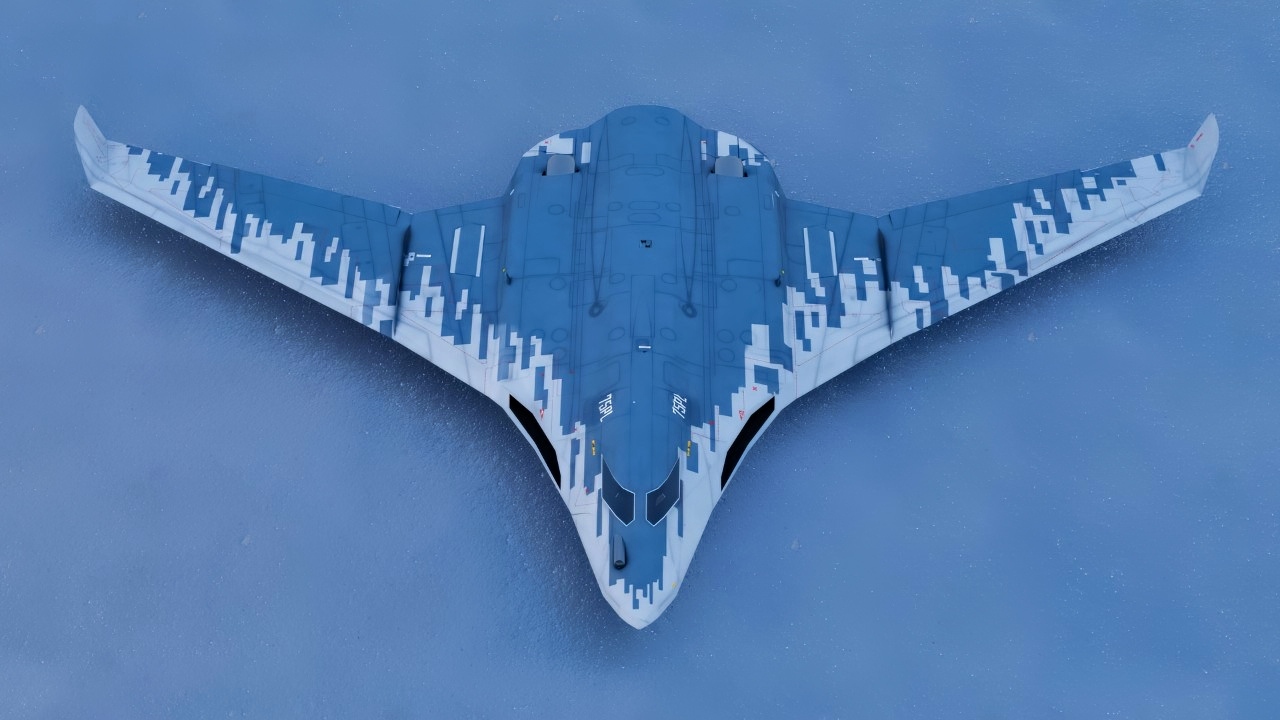
PAK DA Stealth Fighter Screenshot from X Artist Image.

PAK DA Stealth Bomber. Image Credit: Creative Commons.
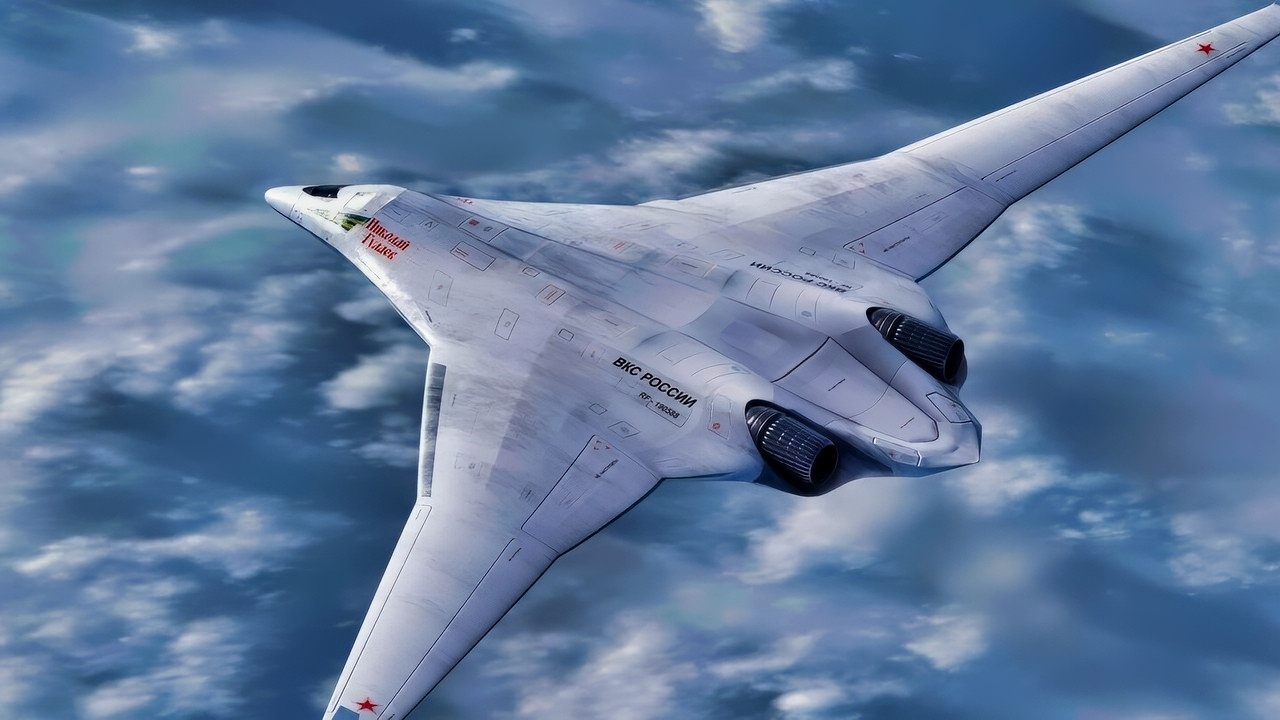
PAK DA Bomber from Russia. Image Credit: Creative Commons.

PAK DA Bomber from Russia. Image Credit: Creative Commons.
The Russian PAK-DA is a stealth bomber that has been under development for a long time as part of the PAK [Perspectives of Aerial Complexes] program.
Officially named the “Long-Range Aviation Complex,” the PAK DA stealth bomber codenamed Poslannik (Envoy or Messenger) is expected to replace the aging Tu-95 and Tu-160 bombers, the latter of which have been very effectively used in Ukraine.
Designed by the Tupolev design bureau, which has produced the Tu-95 and the Tu-160, this aircraft is expected to undertake a range of missions, from nuclear deterrence to conventional strike operations.
It is supposed to focus on stealth and advanced avionics to evade the latest air defense systems.
But after nearly two decades of design work, missed deadlines, and malaise within the program, they still haven’t even produced a single prototype. Is it time for Moscow to give up the ghost and scrap the project completely?
Where Is the PAK DA Program At Currently?
The PAK DA program has been in development for two decades, with initial timelines (it was supposed to fly in 2021) repeatedly pushed back. And it still hasn’t flown.
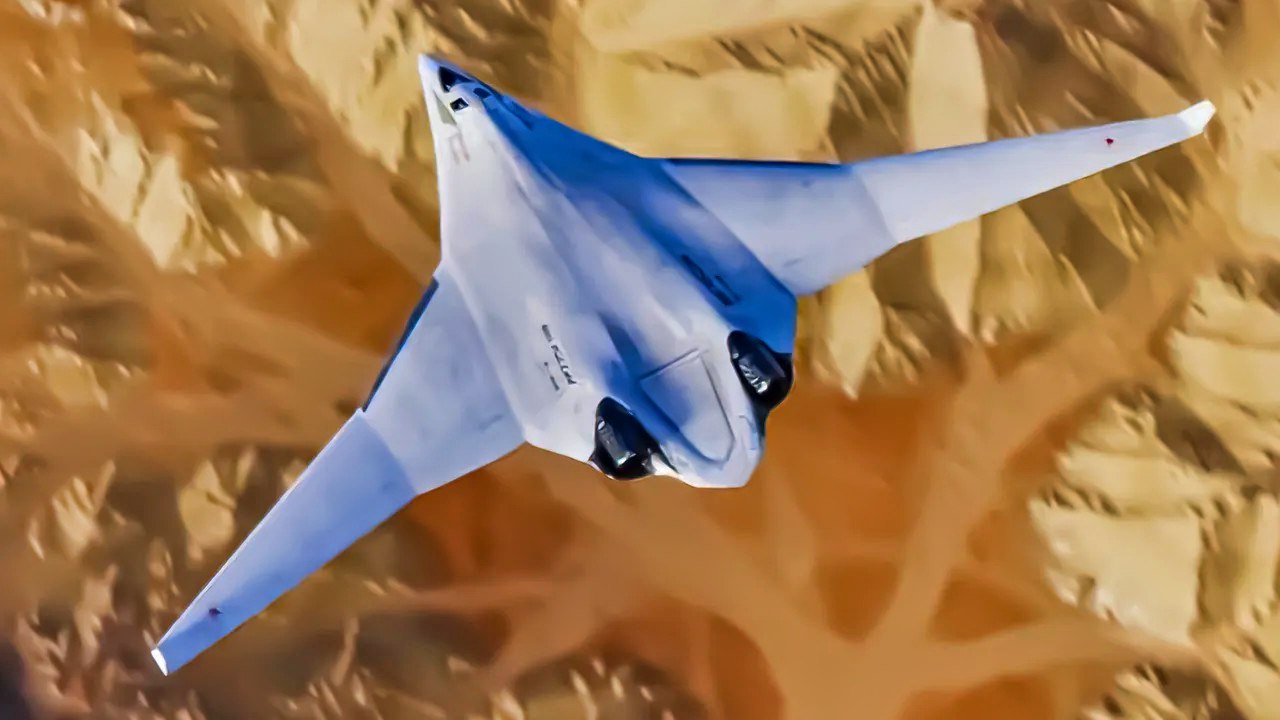
PAK DA Russian Bomber. Image Credit: Creative Commons.

PAK DA bomber artist rendition.
The PAK DA stealth bomber program is widely considered a failure due to a combination of factors, including persistent development delays, reliance on outdated technologies, and years of punishing Western sanctions that have cut off Russia’s defense sector from the advanced electronics, semiconductors, and precision manufacturing equipment needed to build a viable stealth aircraft, stemming from the conflict in Ukraine.
While initially envisioned as a rival to the US B-21 Raider, the program has struggled to overcome technical challenges, particularly in developing the necessary stealth technology and integrating advanced systems.
An InformNapalm report from November 2025 found that both of Russia’s most advanced stealth aircraft programs (along with the Su-57) are crippled by their reliance on foreign-made components and production machinery.
The programs remain in different states of delayed or stalled production due to the lack of access to foreign technology, despite several years of Russia’s efforts to produce its own components.
The Russians apparently see the handwriting on the wall concerning the utter lack of progress with the PAK DA bomber and have restarted production of the older but proven Tu-160 bombers.
The PAK DA Is Supposed To Be Russia’s Answer To The B-2, B-21
The program has been stuck in neutral for more than a decade. In 2014, Russia’s Unified Aircraft-Building Corporation (OAK) announced that the design concept for the aircraft was complete.
Three years later, in 2017, it was announced that the digital design of the PAK DA (Prospective Aviation Complex for Long-Range Aviation) had been finalized by Tupolev and OAK.
In August 2021, then-Deputy Prime Minister of Industry and Trade Denis Manturov said that the first PAK DA prototype had begun production. He added that the prototype would be ready by 2023, with full-scale production starting in 2027.
That was an ambitious timeline, considering they were building an entirely new aircraft system. But then, a few months later, Russia invaded Ukraine.
The Poslannik stealth bomber is touted as a subsonic sixth-generation aircraft capable of carrying 30 tons of nuclear and conventional weapons with a range of 7,500 miles. However, since the invasion, sanctions, a lack of funding, and the struggle to produce the necessary stealth technology have slowed progress
The PAK DA is supposed to feature a flying-wing design, internal weapons bays, AI, and drone-teaming (loyal wingman) capabilities. The bomber remains in prototype development, with its first flight delayed to 2027 at the earliest and production unlikely before 2030.
Russia’s “Fairy Tale” Bomber?
The Russians have wanted a stealth bomber design since the earliest days of the American B-2 bomber to drop bombs undetected on radar. The B-2 is about to be retired for the new B-21 Raider. And the funny thing is, the B-2 bomber is already in the National Museum of the U.S. Air Force, see our video of it we took back last year. And Russia can’t even emulate that.
The Russian “stealth” Su-57 fighter is hampered by Russia’s struggle to bond the aircraft’s body panels tightly enough to inhibit a radar return and by its modified 4th-generation engines.
The Su-57 debuted abroad, where close-up photos of visible screws and poor joints circulated. Despite ridicule on social media, Russia announced unverified export contracts for the platform.
Why would the PAK DA be any different?
Russia’s claims should always be taken with a healthy grain of salt. They are long known to be long on promises and short on delivery.
Another area of concern for Russia is that it has never sold any Tupolev bombers on the foreign market. This meant that the workforce there has generally eroded, moving on to other firms or projects. If they ever do get past the prototype stage, will they even have a large enough workforce for the bomber?
Reuben Johnson wrote late last year that he spoke with an aircraft analyst who said, “The only problem with this arrangement is that none of these plants have demonstrated proficiency with the technologies that the PAK DA is supposed to be based on,” said the analyst. “The more time that goes by, the more the PAK DA seems to be another Russian military fairy tale that will never come true.”
It certainly seems that Russia’s PAK DA bomber lives more through AI-generated graphics and press pronouncements than in actual production. And that isn’t likely to change.
About the Author: Steve Balestrieri
Steve Balestrieri is a National Security Columnist. He served as a US Army Special Forces NCO and Warrant Officer. In addition to writing on defense, he covers the NFL for PatsFans.com and is a member of the Pro Football Writers of America (PFWA). His work was regularly featured in many military publications.


