

Prior to the ongoing war in the Middle East, Iran’s economy was not in the greatest shape. Despite economic partnerships with China and Russia, Iran’s economy was already in decline. Now, with the Strait of Hormuz closed and pressures mounting from U.S./Israeli attacks, the average Iranian citizen has been forced to bear the brunt of the economic fallout as the regime refuses to negotiate with President Trump. With the war heating up once again, conditions for the people continue to worsen, forcing many to sell their household goods to afford basic necessities.
Caught in the Crossfire: The Ordinary People of Iran
The Iranian people have been forced to bear the brunt of the economic impacts of this war. “We have sold our furniture just to get by,” Masud, a resident of the capital Tehran, told Radio Free Liberty under a pseudonym for their safety. “We gathered electrical appliances from the house, took carpets and things like that, and sold them.” Rising unemployment, declining real wages, and high inflation have contributed to growing poverty and inequality. “People are worried about running out of money,” Tehran-based economist Javad Rahimpour said. “Many are eating into their savings. You can see it on the street level: Movement has decreased and incomes have fallen.”
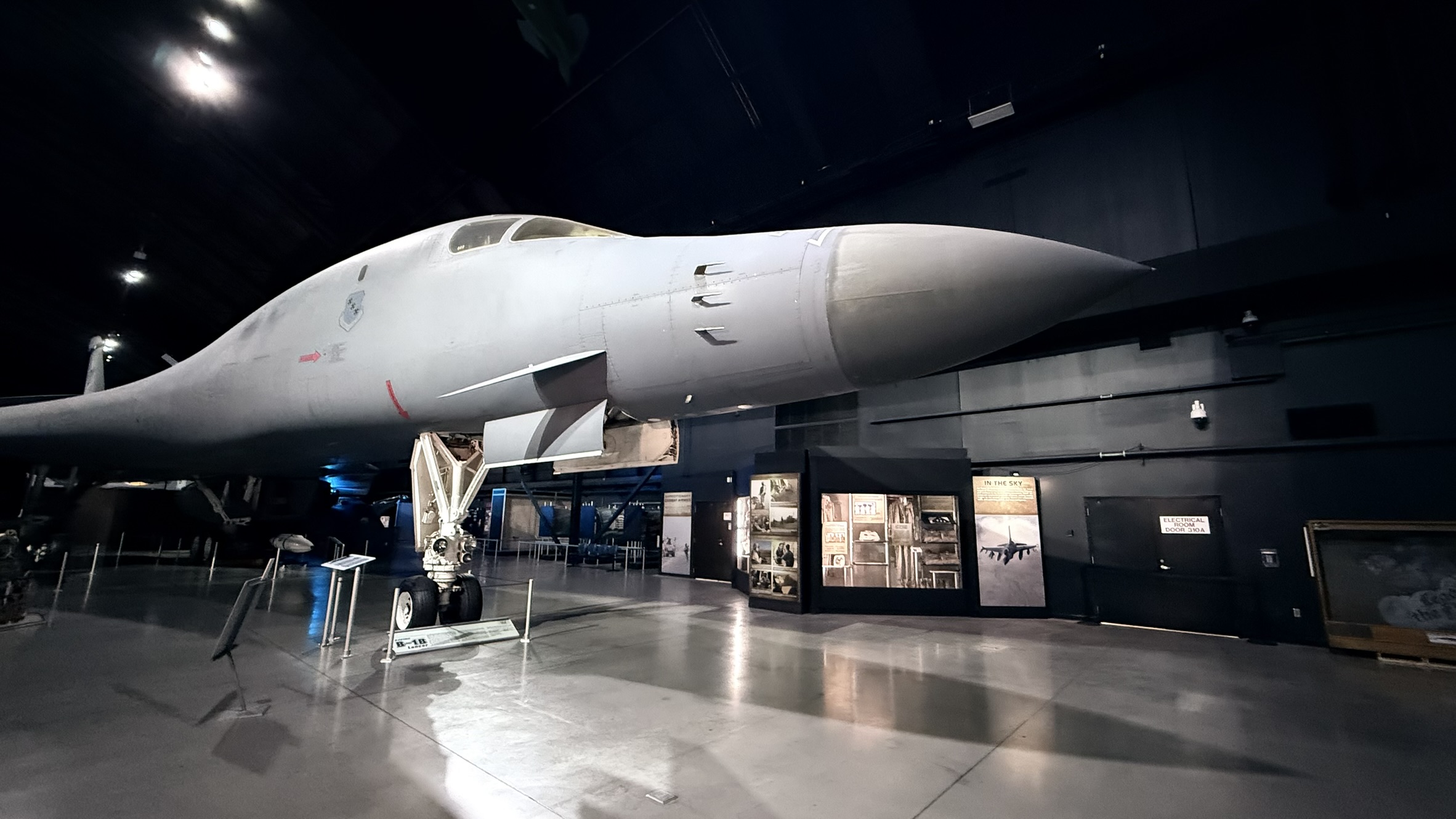
B-1B Lancer. Image Credit: National Security Journal Photo Taken the National Museum of the U.S. Air Force.
In response to growing agitation, the Iranian government restricted internet access nationwide. For 88 days, the citizens of Iran have been forced to live without the internet. This was especially costly to Iranians, who gain most of their income from the internet. “Many people who earned their income online lost everything when the Internet was cut,” said Afshin Kolahi, an official from Iran’s Chamber of Commerce. “Their income went down to zero.” The regime, according to some reports, is currently worried about a resurgence of nationwide protests as the public becomes weary of the economic toils.
An Economy in Decline
As a direct consequence of the war, Iran’s Economy has contracted sharply.
According to an International Monetary Fund report, Iran’s GDP is projected to shrink by approximately 6.1% in 2026 due to the combined effects of war-related disruptions. Other forecasts point to a continued downturn, with other economists warning that Iran is the only major economy in the region expected to decline while others continue to grow.
In a worst-case scenario, output losses could exceed 10% if the conflict persists or intensifies, especially with ongoing disruptions to trade and production.
Inflation has surged dramatically during the war, becoming one of the most visible and damaging economic consequences. Some estimates suggest inflation could reach nearly 70% or higher in 2026, placing Iran among the most inflation-affected economies in the world.

Iran Army Tank. Image Credit: Creative Commons.
Essential goods have seen especially steep price increases, with some food categories rising by over 100% in a single year. This surge is fueled by supply shortages caused by blockades and conflict, rising import costs due to currency depreciation, and reduced domestic production. As a result, living standards have deteriorated sharply.
Ordinary Iranians are facing rising poverty, reduced purchasing power, and increasing difficulty accessing basic necessities such as food and medicine.
Collapsing Currency and Exports
Closely tied to inflation is the collapse of the Iranian rial, the central currency of the nation. During the conflict, the currency has fallen to historic lows, reaching around 1.3 million rial per U.S. dollar.
This depreciation is caused by a number of factors, but the most central is the fact that consumers are simply not confident in the economy. The weakening rial has intensified inflation by raising import costs and eroding savings. It has also contributed to financial instability, as businesses struggle with unpredictable exchange rates and households lose the value of their income and assets.
The war has also disrupted Iran’s most critical economic sector: oil exports. Iran’s economy depends heavily on energy revenue, but the conflict has severely disrupted production and trade. The Strait of Hormuz, a key global shipping route through which about 20% of the world’s oil passes, has been rendered inoperable, affecting all sides of the conflict.

Iran’s Drones That Russia Is Using. Image Credit: Creative Commons.
While Iran’s actions have had negative effects for the U.S., they have also cut off more than 90% of the country’s trade flows. Even if the conflict subsides, many economists expect shipping volumes to remain below pre-war levels due to continued security concerns among international shipping companies. In addition, renewed international sanctions have further limited Iran’s ability to sell oil on global markets, forcing it to rely on fewer buyers and reducing overall export income.
Fighting a Costly War
Furthermore, the war has directly damaged key industrial sectors, including petrochemicals and metals, which previously generated significant export revenue. Following continued airstrikes during Operation Epic Fury, many production facilities were disrupted, significantly constraining economic output. These disruptions have led to declining exports and job losses, with ripple effects spreading across other sectors of the economy. Many businesses have been forced to close down, and unemployment has risen as economic activity continues to decline.
Fighting the war itself has also been immensely costly for the regime. War-related spending, according to some reports, has increased government expenditures, while government revenue and economic activities across the country have stagnated. Eventually, the government will also have to rebuild the destroyed infrastructure, which is sure to cost a pretty penny.
According to some estimates, the conflict and sanctions have already cost Iran tens of billions of dollars in lost output and damage. This combination of declining income and rising spending has created a significant strain on public finances, limiting the government’s ability to stabilize the economy.
MORE – China Has Supersonic Cruise Missiles to Target Aircraft Carriers
MORE – The U.S. Air Force Might Need 200 B-21 Raider Bombers
About the Author: Isaac Seitz
Isaac Seitz, a Defense Columnist, graduated from Patrick Henry College’s Strategic Intelligence and National Security program. He has also studied Russian at Middlebury Language Schools and has worked as an intelligence Analyst in the private sector.


Randy Jones
June 6, 2026 at 1:08 pm
Good article… but don’t minimize the fact that the war is punishing the US as well and it is going to get a lot worse if things don’t get straightened out.