

To Offset Ukrainian Confidence, Putin May Employ More Destructive Weapons: Russia can no longer say that it definitively holds the advantage in the war in Ukraine. When drones were harder to obtain in large numbers and couldn’t inflict the kind of damage they do today, Russia had the upper hand – but today, Moscow is facing a growing challenge from Ukraine, and more analysts are suggesting that Russia is actually on the back foot.
Moscow possessed a larger military and more manpower for much of the war, while Ukraine was heavily dependent on Western aid. Kyiv was also restricted by Western leaders standing in the way of long-range strikes that crossed the border into Russia.
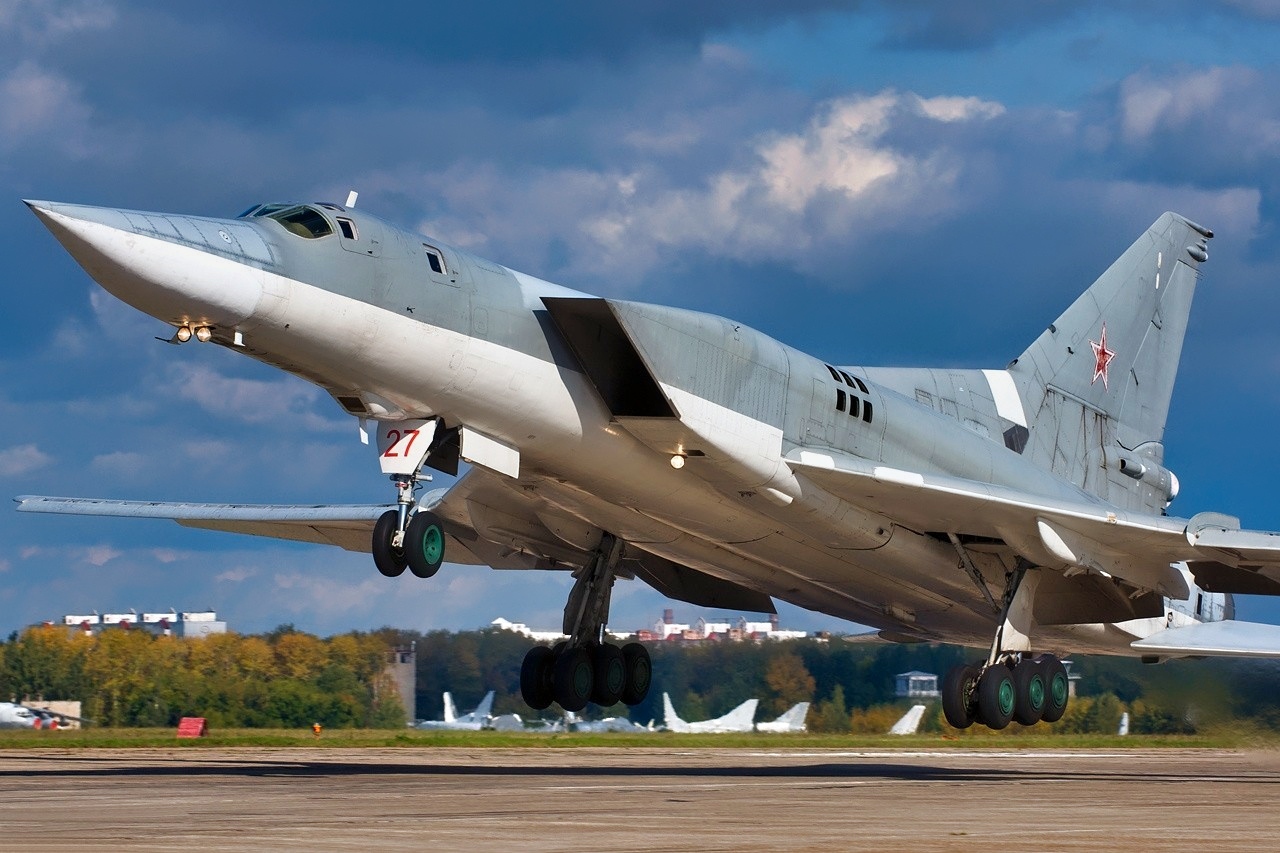
Tu-22M Backfire Bomber from Russia. Image Credit: Creative Commons.

Tu-22M3 Russian Bomber. Image Credit: Creative Commons.

Tu-22M3 Bomber Russian Air Force. Image Credit: Creative Commons.
But with Ukrainian drones now traveling deep into Russian territory and forcing Moscow to consider arming private institutions to assist with air-defense efforts, it’s becoming obvious that the war dynamic has changed. And, indeed, that Ukraine may be “winning” in many meaningful metrics.
Ukraine Claims Territorial Gains
Speaking in recent days, Ukraine’s Commander-in-Chief, General Oleksandr Syrskyi, said Ukrainian forces had recaptured approximately 600 square kilometers – roughly 232 square miles – of territory since the beginning of the year. Syrskyi also said that some of the worst fighting has occurred in areas near Oleksandrivka and Juliaipole in southeastern Ukraine.
The claims conflict with those made by Russia. Moscow continues to insist that its forces are making steady advances across the front – but if that were the case, the war could not have possibly lasted until now.
Throughout much of 2024 and 2025, Russian forces made incremental gains by relying on their overwhelming manpower and artillery barrages, but those gains have slowed as Ukraine has adapted and adopted new tactics.
Analysts at the Institute for the Study of War have noted that Russia continues its offensive operations across multiple sectors but is achieving limited gains at considerable costs. Ukraine, meanwhile, is forcing Russia to fight within its own borders, with drones threatening oil and energy infrastructure every week.
Drones Have Changed Everything
When the war began, Ukrainian forces used Chinese-made DJI drones and other commercially available equipment to drop explosives like grenades into open hatches on Russian tanks.
Over the years, domestic manufacturing operations have allowed Ukraine to adopt entirely new tactics and even change how Russia uses its own assets. Today, Ukrainian manufacturing operations have the capacity to produce eight million drones per year, and so many are being used on the battlefield today that Russian tank formations look completely different.

Tu-22M Bomber from Russian Air Force. Image Credit: Creative Commons.
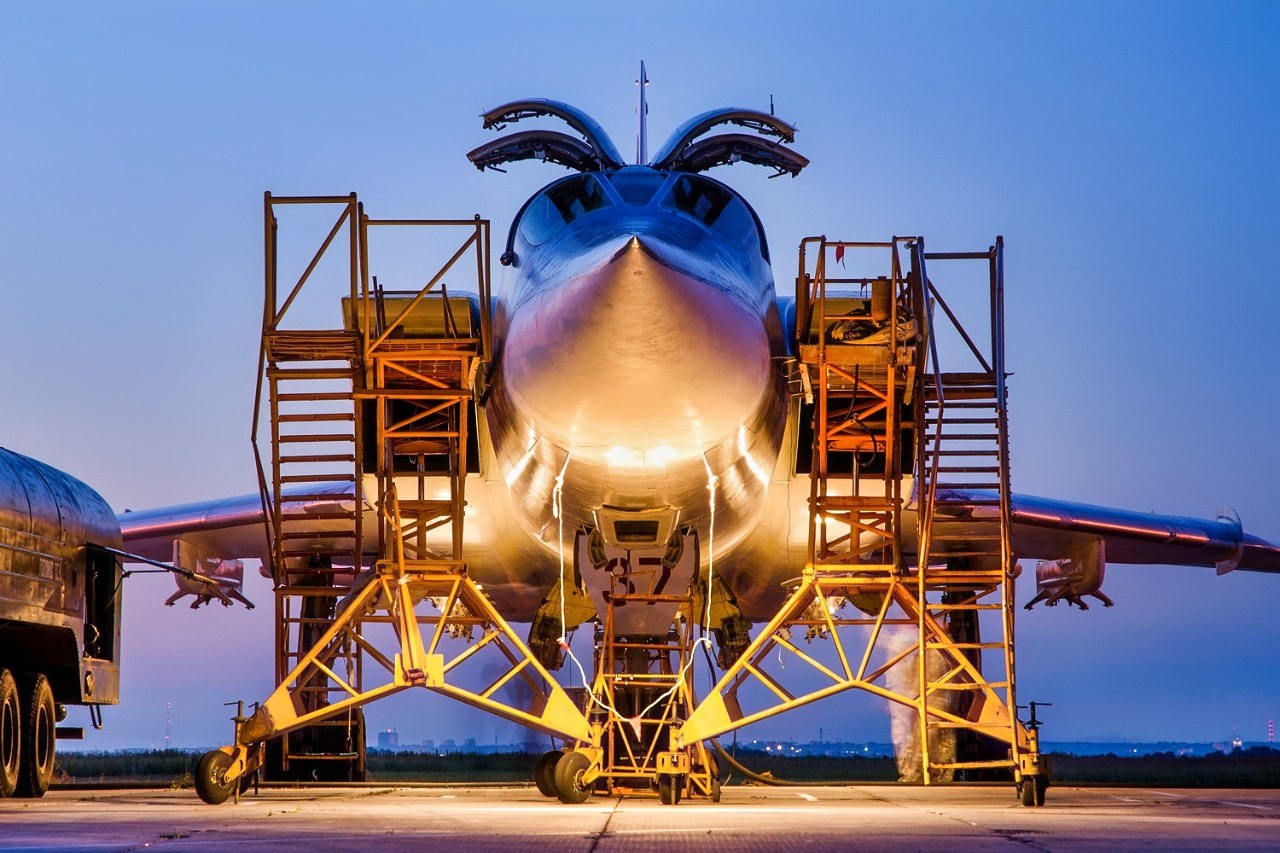
Tu-22M Bomber from Russia. Image Credit: Creative Commons.
Over the past year, Kyiv has expanded its use of long-range and mid-range strike drones designed to hit targets deep into Russian territory.
As a result, Russia is not only spending resources on defense at home, but large armored assaults in Ukraine on the front line have become less common. Russian troops typically operate in smaller infantry groups than before to reduce their visibility to Ukrainian first-person view (FPV) drones.
In some sectors, soldiers have even been seen advancing on motorcycles or all-terrain vehicles rather than in columns of armored vehicles, which are easier to identify and target. Russia has also expanded its use of camouflage nets and decoy positions, while electronic warfare systems are being used to jam drone signals. The fight today is not the same as it was three years ago.
Ukraine Hasn’t Won Yet
Despite Ukrainian long-range strikes, and even though Russian advances are slowing and becoming more costly, one still cannot conclude that Ukraine has won the war or will win imminently.
Russia, after all, still maintains substantial advantages in terms of manpower and missile production capacity. Its defense manufacturing sector is also much larger, despite the economic pressure it faces. Moscow also continues to recruit personnel and is increasing military spending. In recent weeks, Russia has also shown it is willing to use high-value weapons – including Zircon missiles – to inflict major damage on Ukrainian cities.
The war is fundamentally still one of attrition. But the war is still different, and Putin has decisions to make. Continuing the conflict will be costly. It also carries political risk.
Time May No Longer Favor Putin
Putin has so far demonstrated a willingness to absorb substantial losses in pursuit of his long-term objectives, but the arrival of Ukraine’s newfound capabilities – and its mass production of drones – means that those losses are growing bigger.
Over time, Russia’s ability to absorb losses relating to its energy industry – the biggest driver of its economy, particularly during war – dwindles.
Beyond the economic challenges, Russia will continue to face recruitment challenges. Public expectations will also become harder to manage.
That is, of course, unless Russia takes new and drastic action that dramatically undercuts Ukraine’s ability to continue conducting these strikes.
That may include dramatically improved defense measures, which themselves are complex and costly on such an enormous landmass.
It might also include escalating, employing more expensive and destructive weapons.
The latter, it seems, could be more favorable.
About the Author: Jack Buckby
Jack Buckby is a British researcher and analyst specializing in defense and national security, based in New York. His work focuses on military capability, procurement, and strategic competition, producing and editing analysis for policy and defense audiences. He brings extensive editorial experience, with a career output spanning over 1,000 articles at 19FortyFive and National Security Journal, and has previously authored books and papers on extremism and deradicalization.


