

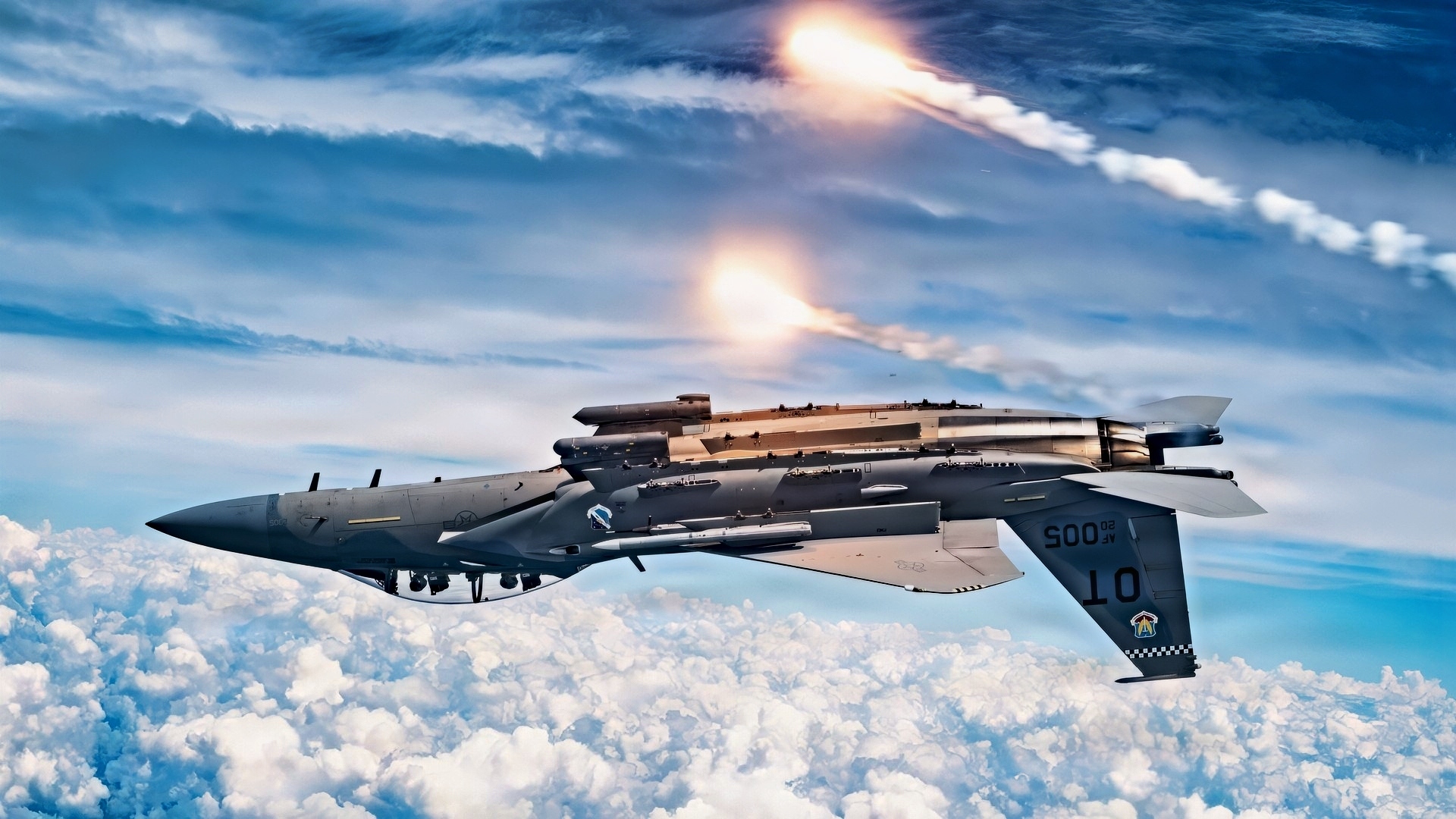
The United States’ war with Iran is entering a new violent phase. It started with an American Apache gunship helicopter being shot down, and then President Donald Trump ordered retaliatory strikes. Could we see more days or even weeks of war with Iran? One aspect of combat keeping the Americans from a prolonged attack is a lack of offensive missiles and defensive interceptors. These are difficult and time-consuming to produce, plus they are expensive to create.
Two Front War Probably Not Possible

A F-15EX assigned to the 85th Test and Evaluation Squadron, Eglin Air Force Base, Florida, flies behind a KC-135 assigned to the 465th Air Refueling Squadron, Tinker AFB, Oklahoma, Oct. 15, 2021. In-air refueling allows fighter aircraft to stay airborne for longer periods of time without having to land to refuel. (U.S. Air Force photo by 2nd Lt. Mary Begy)

The F-15EX, the Air Force’s newest fighter aircraft, arrives to Eglin Air Force Base, Florida March 11. The aircraft will be the first Air Force aircraft to be tested and fielded from beginning to end through combined developmental and operational tests. The 40th Flight Test Squadron and the 85th Test and Evaluation Squadron personnel are responsible for testing the aircraft. (U.S. Air Force photo/1st Lt. Karissa Rodriguez)
The weapons stocks of these instruments of combat are running dangerously low. It is not clear if the Americans could run a war with Iran and fight China or Russia at the same time. U.S. war planners have always counted on the ability to wage war on two fronts, with sufficient personnel, munitions, and logistical support for a multi-conflict scenario.
Now it doesn’t even look like the Americans are able to bring the fight to Iran for more than 30 days without running desperately low on missiles and interceptors.
Supply Shocks Can Hobble the War Effort
The first seven weeks of the war saw the biggest shock and awe campaign from the Americans against Iranian military targets and nuclear infrastructure. The CSIS think tank estimated that 45 percent of its supply of Precision Strike Missiles was already expended in the first seven weeks of the war.
The Numbers Are Dire
That is the offensive missile supply, but for air-defense interceptors like the Patriot PAC-3 and THAAD systems, the news is also dire. Fifty percent of these projectiles have been used up. Over 1,200 Patriot interceptors are already gone, the New York Times claimed. Tomahawk cruise missiles are running short as 30 percent have been launched. 20% of JASSMs are no longer in inventory.
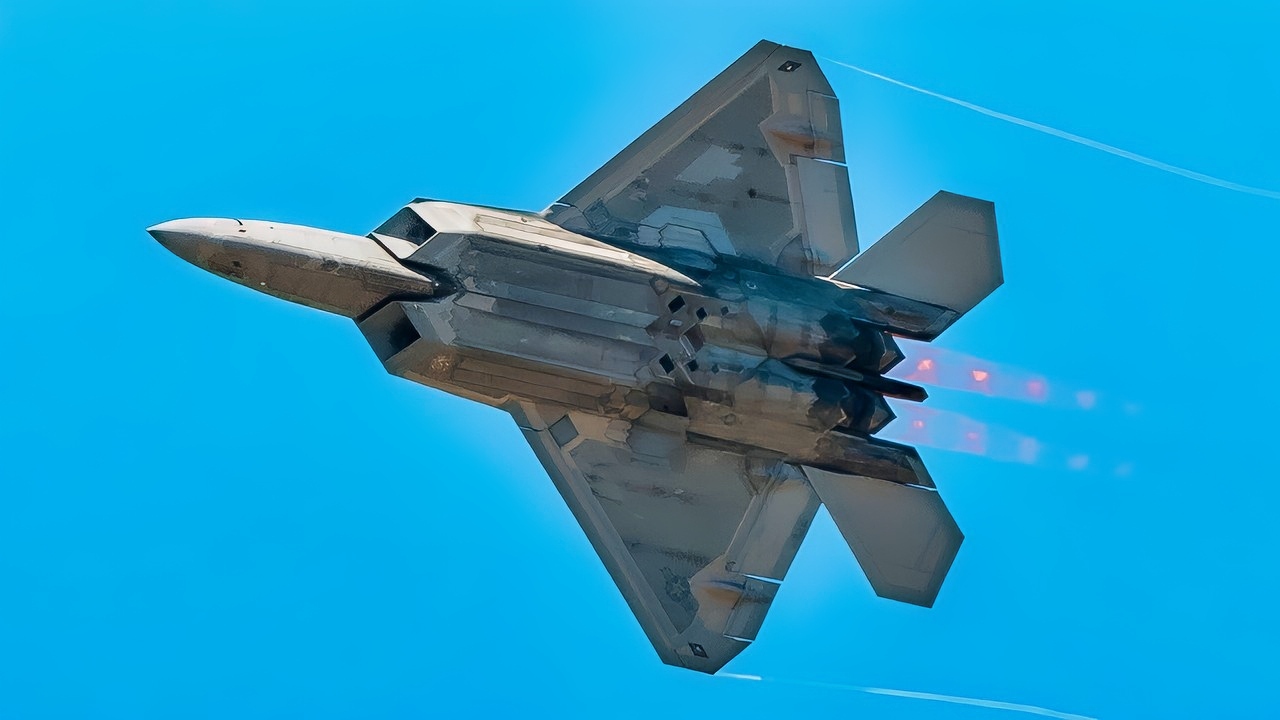
A U.S. Air Force F-22 with the F-22 Raptor Demo Team performs aerial stunts at the 2022 Kaneohe Bay Air Show, Marine Corps Air Station Kaneohe Bay, Marine Corps Base Hawaii, Aug. 12, 2022. The air show provided an opportunity to demonstrate the capabilities of a Joint Force in the Indo-Pacific Region. The Kaneohe Bay Air Show, which contained aerial performances, static displays, demonstrations and vendors, was designed to express MCBH’s appreciation to the residents of Hawaii and their continued support of the installation. (U.S. Marine Corps photo by Cpl. Patrick King)
The Navy Needs Missile Help As Well
The U.S. Navy must be resupplied with interceptors, too. The “SM” Standard Missile family of defensive projectiles has been reduced by 20 percent.
The lack of Tomahawk cruise missiles is a big problem for the Navy. The New York Times wrote in April that the United States had already burned through 1,000 of the land attack weapons.
This Is One Expensive War Effort
The United States is spending like mad on the war.
Ongoing operations, even during the ceasefire, have set the Department of Defense back around $1 billion a day. This is money that cannot be reprogrammed to make more weapons. The one billion comprises overseas contingency expenditures, meaning that, in this fiscal year’s National Defense Authorization Act, Congress must set aside tens of billions for new missile procurement from another pot of money.
Will $1.5 Trillion Be Enough?
After all, President Donald Trump is asking for an eye-watering $1.5 trillion in defense spending in his new military budget, which he sent to Capitol Hill. Surely legislators can earmark a substantial portion of that budget for procuring new missiles.
188 Percent Increase in Missile Spending
Indeed, the Department of Defense wants to spend $70.5 billion on high-end missiles. This would include Tomahawks, JASSMs, Patriots, and THAADs. That’s a 188 percent increase from last fiscal year, according to the CATO Institute.
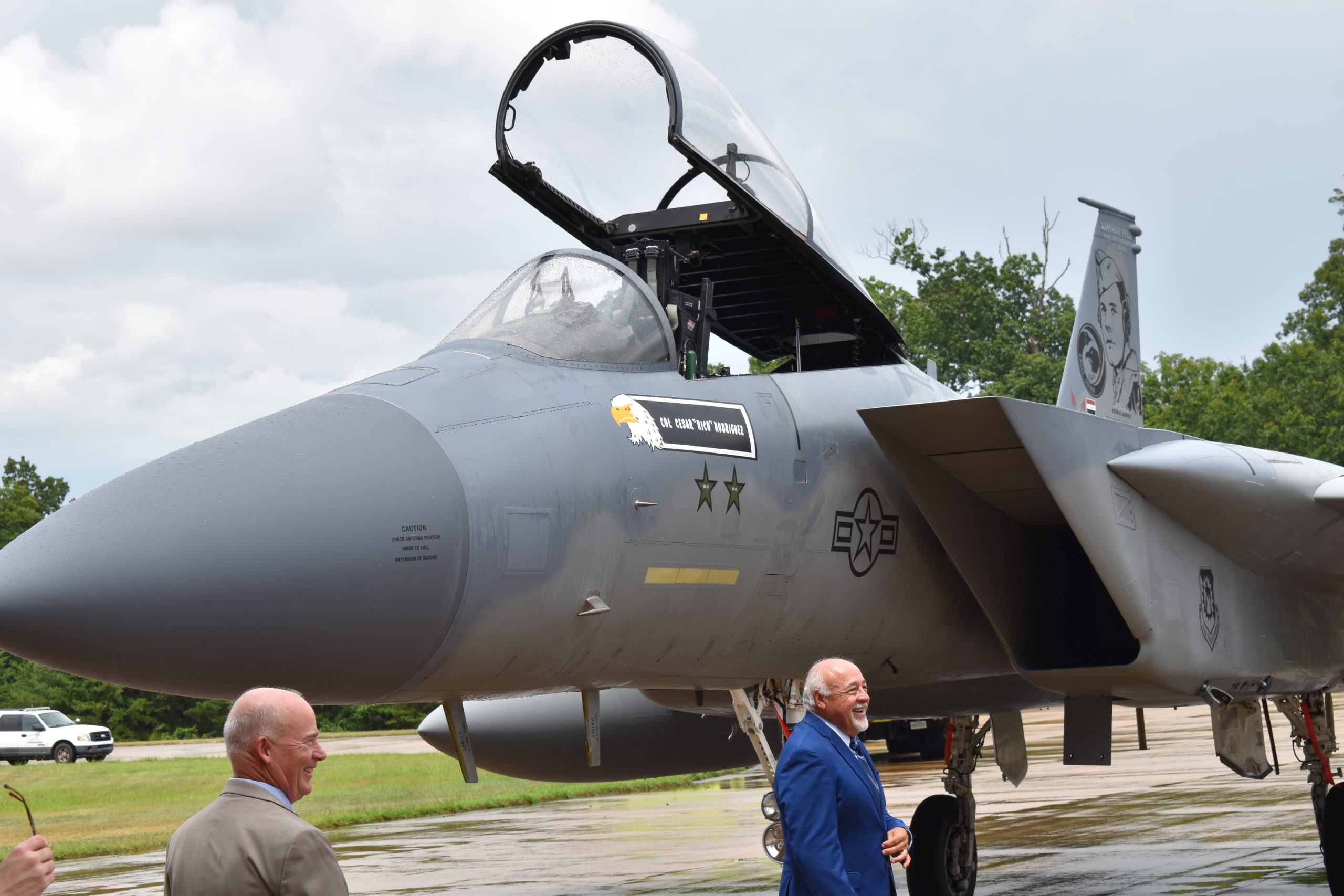
F-15C Fighter. Image Credit: National Security Journal.
This Problem Could Have Been Avoided
Katherine Thompson of CATO wrote a scathing piece about the lack of planning and strategic foresight concerning U.S. missile stocks and the shortcomings of the American defense industry.
“In the hearings, we heard much concern expressed from members of Congress on both sides of the aisle. Concern about the rapid depletion of munitions for an unauthorized war in Iran. Concern about the fallout of draining our stockpiles to arm Ukraine. Concern about the decrepit state of the defense industrial base and its inability to respond nimbly to strategic demand,” Thompson wrote.
Congressional Leaders Predict a Dangerous Scenario
Democrats are also sounding the alarm. “At current production rates, reconstituting what we have expended could take years,” said Senator Jack Reed of Rhode Island, the ranking member on the Armed Services Committee, at a hearing on the level of missiles recently.
Mark Cancian of CSIS is worried about missile stocks, too. “The United States has many munitions with adequate inventories, but some critical ground-attack and missile-defense munitions were short before the war and are even shorter now,” Cancian wrote in a report.
Building Missiles Is Not Easy
There is not much the United States can do to alleviate the problem. Missiles require scores of subcontractors to supply components. Orders must be placed, and prices are often stingily negotiated before long lead times begin. There is only so much time in the day, and even if companies ran three shifts 24-7, it would still take a significant amount of time to replenish stocks.
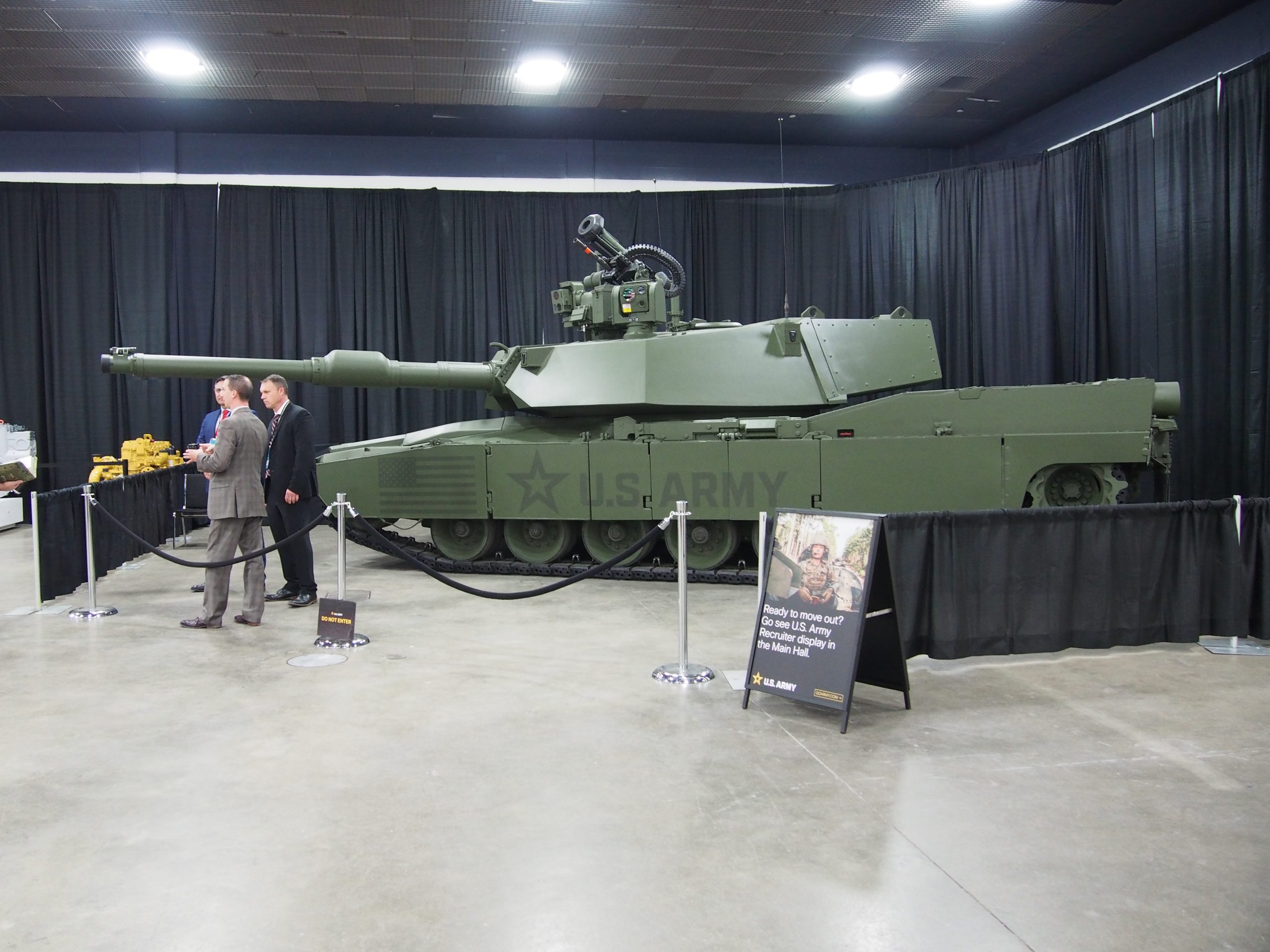
M1E3 Tank. National Security Journal Photo.
Iran Knows It Can Conduct Combat Operations When Needed
This means that a long-term war with Iran and another adversary would not be possible. The shortage could limit the number of military options in the Middle East to keep the Strait of Hormuz open and place more pressure on the regime in Tehran. Iran is aware of the state of munitions levels in the United States, and while the Iranians have been supportive of the ceasefire in the past, the shoot down of the Apache attack helicopter showed that Iran has not been fully deterred.
Policy Makers Need Bipartisan Teamwork
Look for the Trump administration to spur acquisition efforts by setting aside even more money for missile procurement. Members of Congress on the two Armed Services Committees may have to hold their breath and allow the Trump administration to ask for additional funding. But that doesn’t solve the time needed to build more missiles.
This problem will be front and center in the coming years, which may take longer to solve than Trump has time in office.
The next national security team under a different president will have to face the facts that a two-front war in the Middle East and the Indo-Pacific is not possible due to the lack of a missile force that can pass the test of initial contact with the enemy.
About the Author: Brent M. Eastwood, PhD
Author of now over 3,500 articles on defense issues, Brent M. Eastwood, PhD, is the author of Don’t Turn Your Back On the World: A Conservative Foreign Policy and Humans, Machines, and Data: Future Trends in Warfare, plus two other books. Brent was the founder and CEO of a tech firm that predicted world events using artificial intelligence. He served as a legislative fellow for US Senator Tim Scott and advised the senator on defense and foreign policy issues. He has taught at American University, George Washington University, and George Mason University. Brent is a former US Army Infantry officer. He can be followed on X @BMEastwood.


