

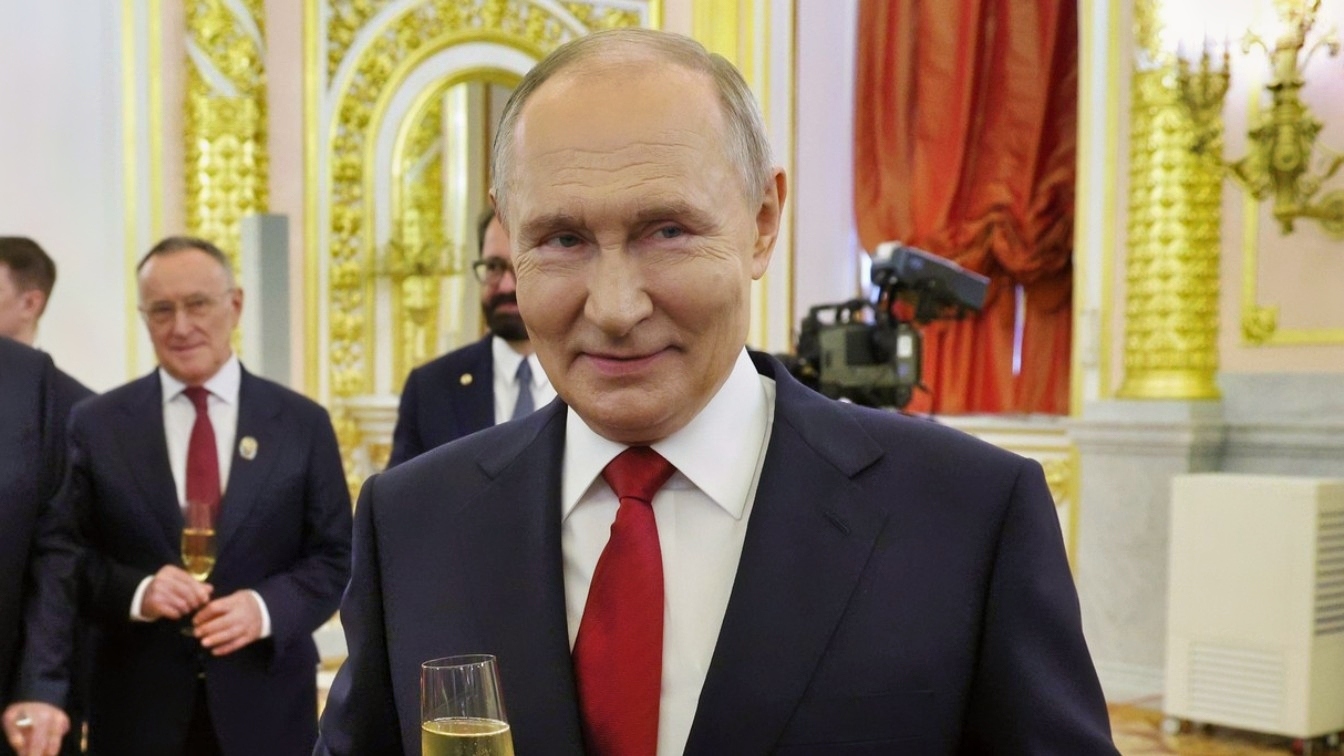
For the first time since the 2023 counteroffensive, Ukraine has clawed back some territory in its ongoing war against Russia. Though the war is grumbling toward its fifth year, momentum on the battlefield has shifted in Kyiv’s favor and put Russia on the back foot. Squeezed both at home and in Ukraine, Moscow is feeling the heat. Here’s why.
Ukraine Holds Longer Ranges
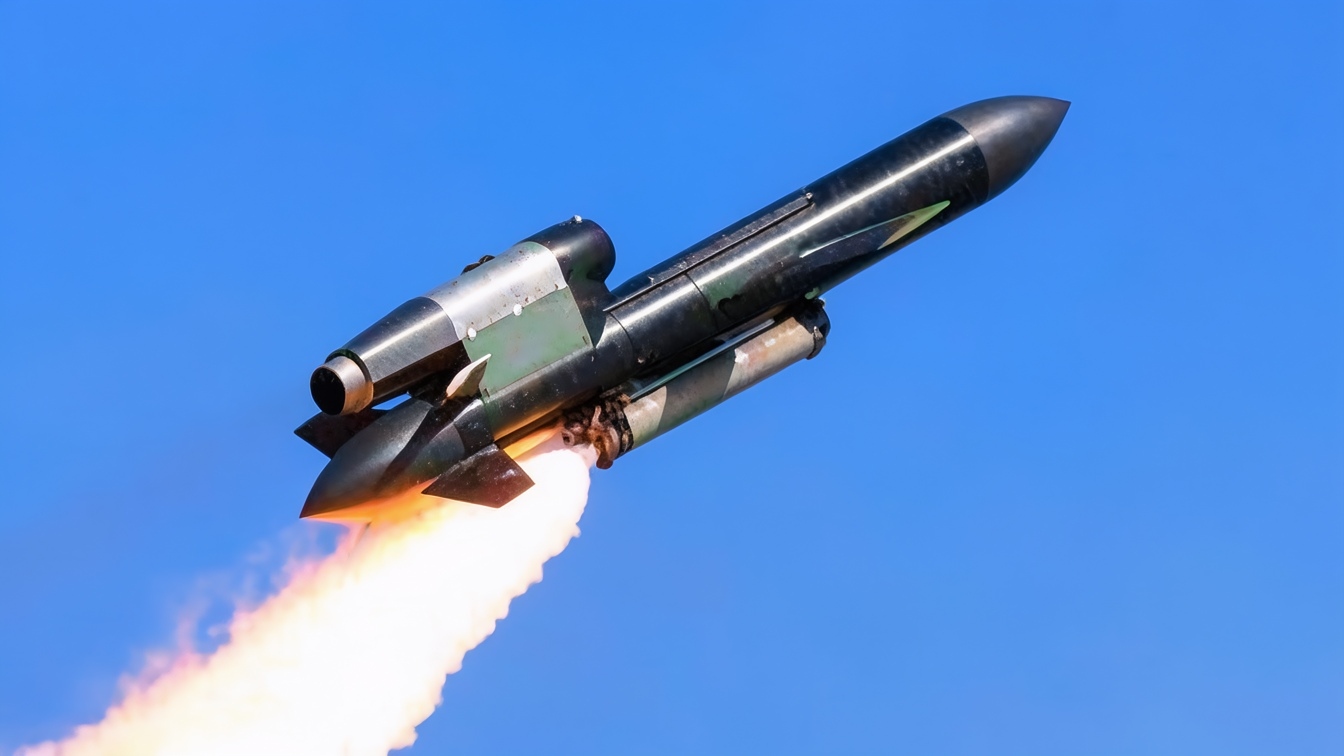
Ukraine Cruise Missile. Image Credit: Government of Ukraine.
The key to Ukraine’s recent success has been decisive drone operations at longer ranges, typically from thirty to one hundred kilometers behind the war’s front lines. Ukrainian success there forces Russia to push its war materiel — fuel, ammunition, food, and weaponry, including air defense assets — further back from the front. Though Ukraine cannot match Russia’s wartime economic production capacity, nor generate the same tens of thousands of new recruits each month, it can nonetheless squeeze the Russians enough to account for the recent headway on the battlefield.
Drones: What has Changed
Ukrainian drones have caused potentially more than eighty percent of the casualties Russia has suffered in the past year, thanks to scaling up drone operations. The targeting of high-value Russian targets, like radar assets and electronic warfare infrastructure, has been particularly effective at disrupting Russia’s ability to defend against drones and reducing Russia’s operational effectiveness.
Russian Oil and Ukraine’s Long-range Sanctions
The Ukrainian drone strike campaign has been brought into Russia itself. For over a month, Russian oil and gas infrastructure has quite literally gone up in flames as explosive-laden Ukrainian drones drop down onto them.
Ukrainian President Volodymyr Zelensky took to X, formerly Twitter, to say that Ukrainian forces “continue to apply Ukrainian long-range sanctions against Russian military facilities and the oil industry. In particular, last night Ukrainian FP-5 Flamingos struck a military plant in Cheboksary that supplies the occupier’s army with components for drones and missiles.”
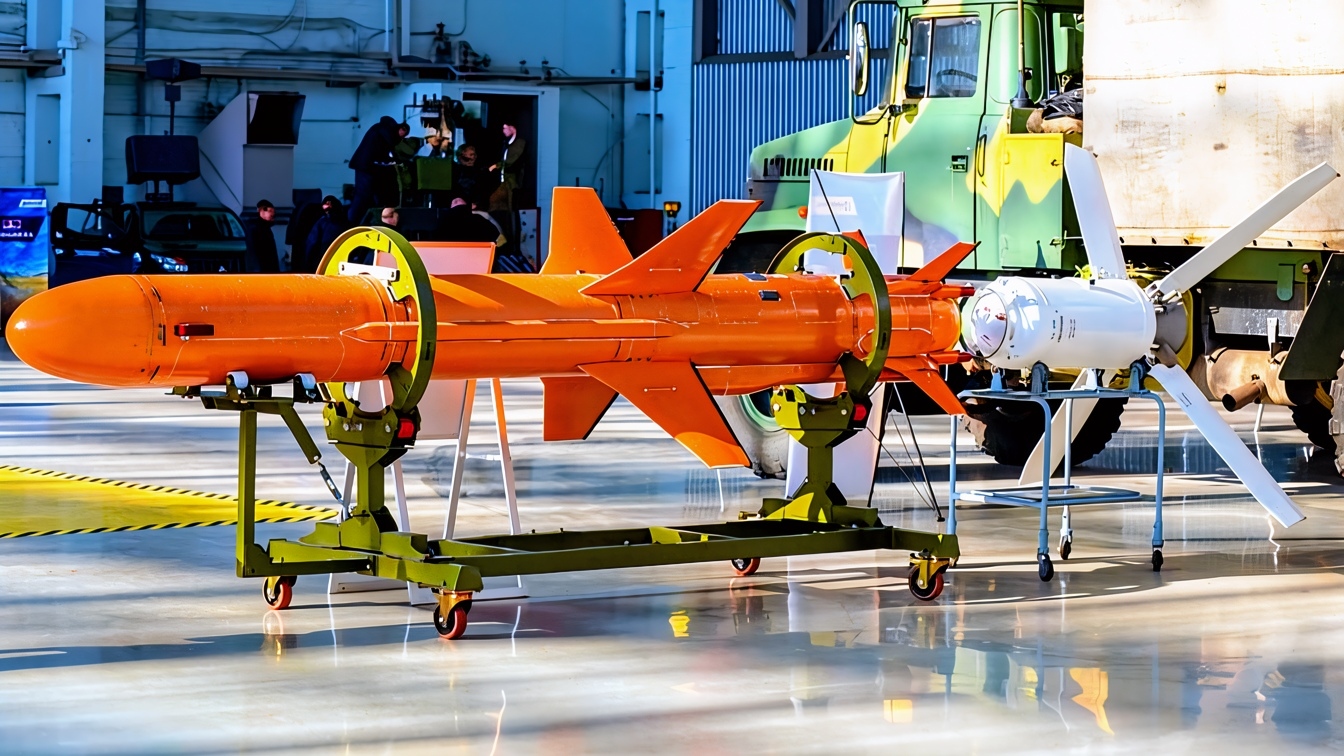
Neptune Cruise Missile Ukraine Government Photo
Details about the ground-launched cruise missile are sparse, but it is believed to have a range of about 3,000 kilometers (1,900 miles). Each missile carries a massive 2,000-pound-plus warhead and is significantly more destructive than the much smaller drones Ukraine has launched at Russian targets in the past.
Other Innovations
Ukraine has innovated on the ground as well as in the air, and unmanned ground vehicles now conduct some of Ukraine’s previously manned logistics tasks, medical evacuation — and, in a few instances — have retaken ground from Russian troops, all without putting Ukrainian lives on the line. It has been a remarkable battlefield development, and one that could become a new facet of war.
Crimea in Sight?
While many of Ukraine’s drone strikes have been concentrated behind the front line in Ukraine’s east, another target has come into Ukraine’s crosshairs elsewhere in the country. Crimea, the Ukrainian peninsula annexed by Russia in 2014, has felt the squeeze of Ukrainian drone strikes as infrastructure on the peninsula, as well as a key stretch of highway that connects Crimea to Russia, has been targeted.
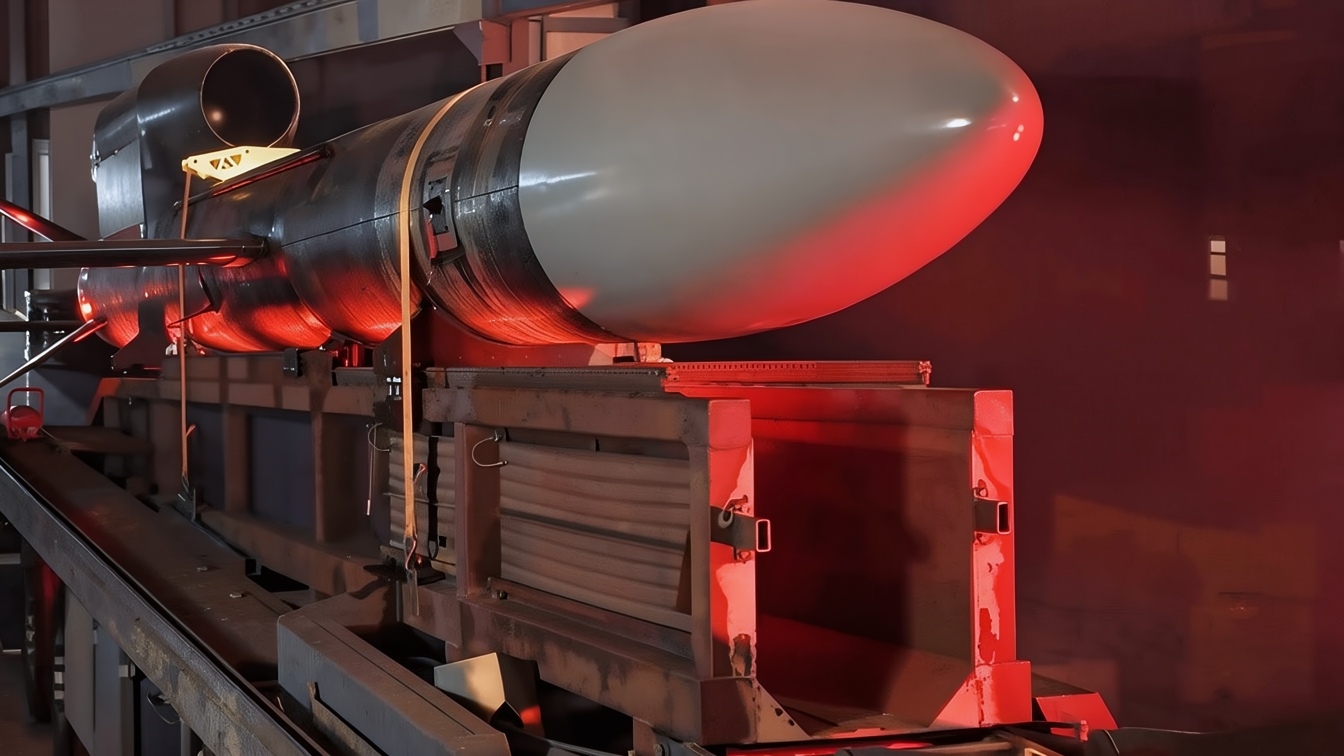
Ukraine Cruise Missile 2026. Image Credit: Creative Commons.
That highway, named R-280, connects Russia’s Rostov-on-Don with Crimea via Mariupol and Melitopol. Aside from the Kerch Bridge to the east, it is the main corridor through which supplies enter Crimea from Russia. Traffic along the route has reportedly dropped by more than 70% thanks to the Ukrainian effort against tanker and logistics traffic.
Russia’s Mounting Losses
GCHQ, one of the United Kingdom’s leading spy agencies, recently estimated Russian deaths in Ukraine, and its conclusion is staggering: around half a million Russian soldiers have met their end there, many by FPV drone.
Total dead and wounded, by many accounts, is now over one million and rising.
And while Russia is able to muster tens of thousands of new troops each month through enormous sign-on bonuses, high salaries, and a debt-forgiveness program recently signed into law by Russian President Vladimir Putin, the Russian Army’s overall numbers appear relatively static, a testament to Ukrainian success.
Future Successes?
Jumps in Ukrainian drone and unmanned systems’ sophistication have given Kyiv a unique opportunity, and with the technological upper hand, Ukraine appears to be taking the lead before Russia can develop effective countermeasures.
These advances have secured real territorial gains for Ukraine — but by themselves, they are unlikely to be enough. Still, they do afford Ukraine an advantage and make Russia’s war even more costly.
About the Author: Caleb Larson
Caleb Larson is an American multiformat journalist based in Berlin, Germany. His work covers the intersection of conflict and society, focusing on American foreign policy and European security. He has reported from Germany, Russia, and the United States. Most recently, he covered the war in Ukraine, reporting extensively on the war’s shifting battle lines from Donbas and writing on the war’s civilian and humanitarian toll. Previously, he worked as a Defense Reporter for POLITICO Europe. You can follow his latest work on X.


