


The Ukraine War Comes from Moscow: Russia’s Vladimir Putin is scared. It seems like every night comes a frightening Ukrainian bombardment by one-way drones and ballistic missiles.
These strikes have sent the dictator and many of his citizens cowering in shelters while the projectiles punish Russian energy infrastructure to make gasoline more expensive. Ordinary Russians are reeling.

MiG-29 Fighter. Image Credit: Creative Commons.
To better protect the Kremlin and civilian sites, Russia is now bolstering its aerial defenses.
There are at least five new S-400 surface-to-air missile systems being deployed, according to Military Watch Magazine, and it shows that Moscow is now taking Ukrainian attacks seriously.
Ukraine Is Succeeding with Overwhelming Saturation Strikes
Ukraine is using unmanned kamikaze craft to great effect and new homegrown cruise missiles like the FP-5 Flamingo to menace Moscow and surrounding suburbs.
The five S-400 SAMs will probably make little difference in the short run, but at least it shows that Russia is trying to counteract the barrages of projectiles that Volodymyr Zelensky sends to the enemy every night.
Russia Has a Long History of Using SAMs Around the Capital
Moscow is no stranger to building rings of SAMs around the capital.
The Soviets were among the first countries to protect their tier-one city in this manner. In the 1950s, they employed S-25 SAMs to shield the Kremlin from potential annihilation.
Today, Russia has a layered system of several different SAM batteries. The A-135 and A-235 make up the outer ring of defense.
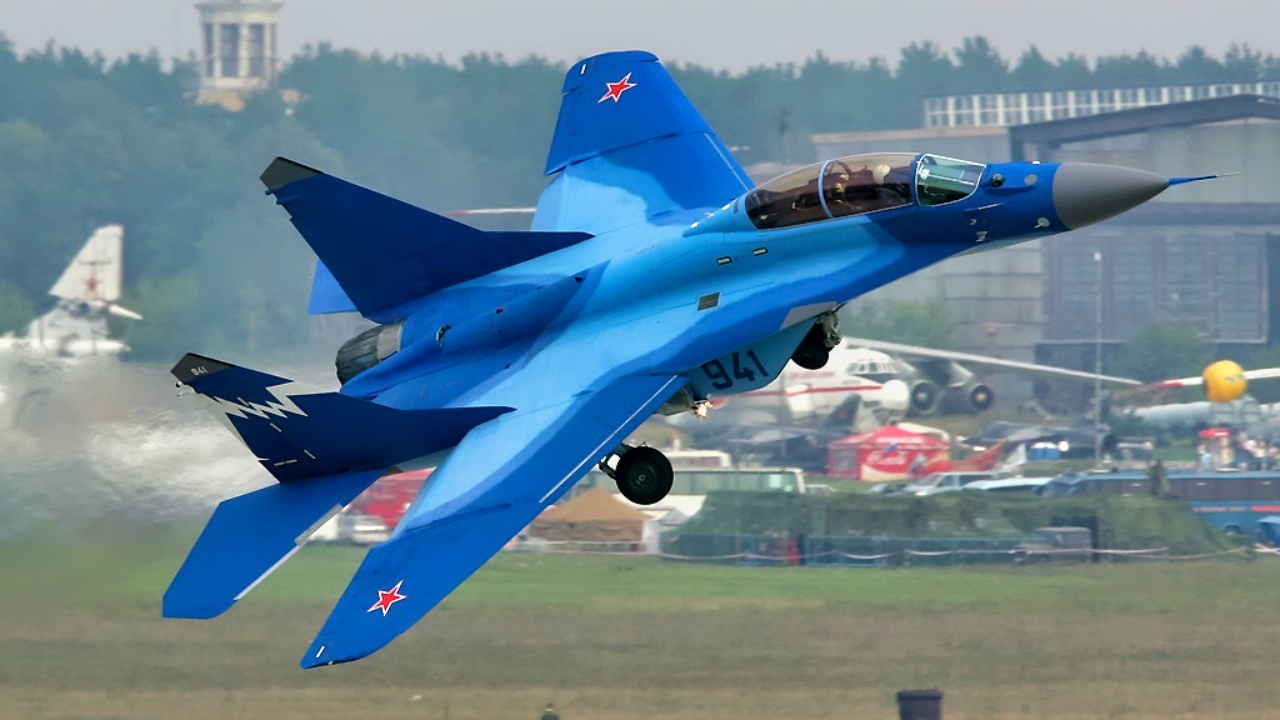
MiG-29K. Image Credit: Creative Commons.
Then, for close-in support, there are the Pantsir SMD-E air defenders on civilian building rooftops. These defenses create a valuable shield around the capital, but are they enough to keep Ukrainian bombardments from damaging Moscow?
The Limits of Conventional SAM Systems
The Russians are finding that there is a limit to the number of missile and drone interceptors for the A-135 and A-235 systems, and they could find out the hard way that the new S-400s being installed could run out of interceptors quickly.
These are expensive and take a significant amount of time to build.
S-400s Can Use Their Powerful Radar to Sense Strikes
The S-400 may not be the best defense system for saturation drone strikes, but they include important radar targeting for massive flights of loitering munitions.
The S-400 radars have early-warning capabilities and can relay the direction and number of targets to other air-defense models for interception.
Long-term Protection Against American Strike Airplanes
One use case for the S-400s is protection against American strike aircraft such as the F-35 Lightning II and the future B-21 Raider.
The air defense batteries are likely to play a larger role in a future NATO confrontation with Russia if a war were to break out between the alliance and Russia.
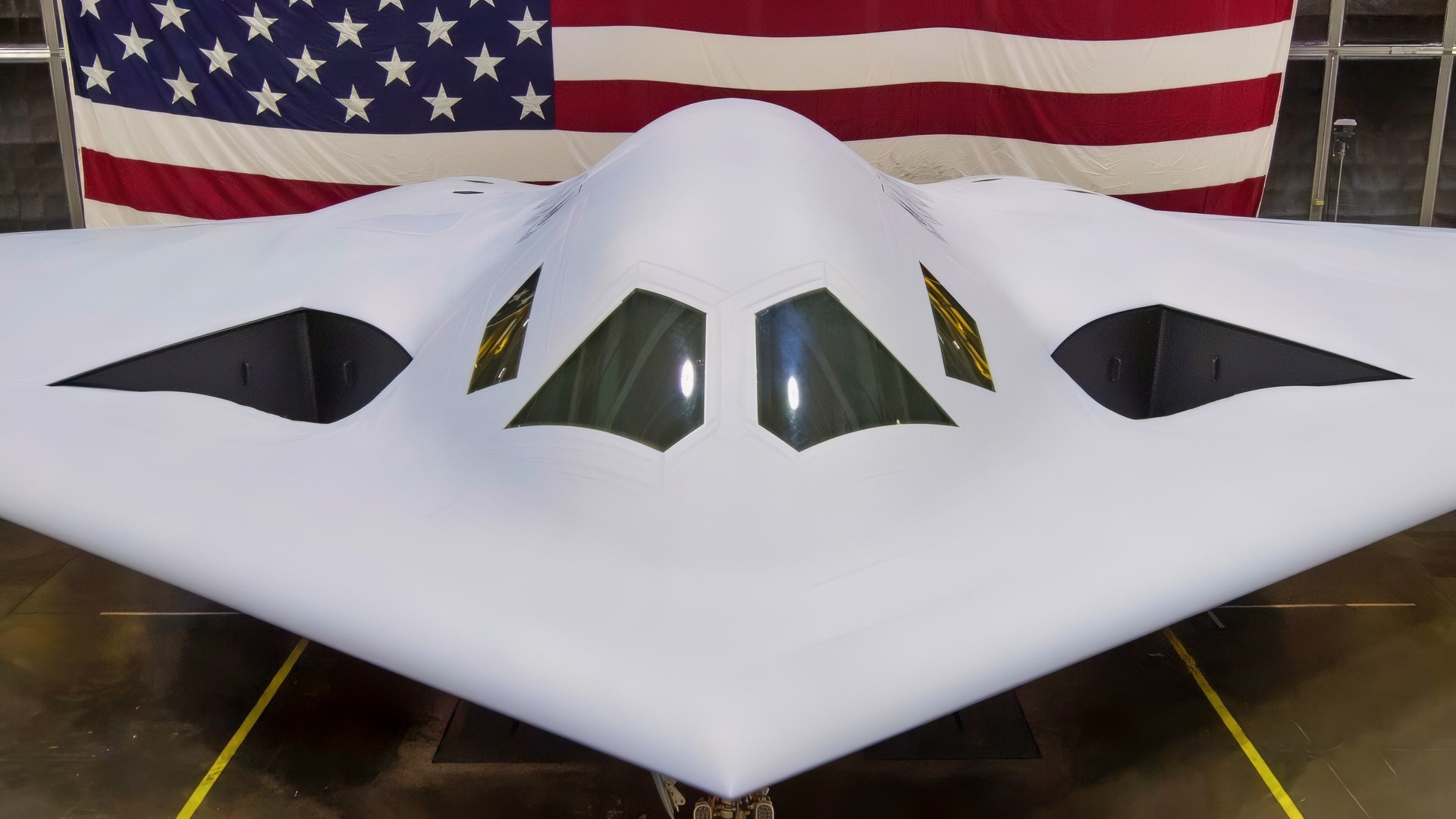
The B-21 Raider was unveiled to the public at a ceremony Dec. 2, 2022 in Palmdale, Calif. The B-21 will provide survivable, long-range, penetrating strike capabilities to deter aggression and strategic attacks against the United States, allies, and partners. (U.S. Air Force photo)
Protecting Against Nuclear War
Military Watch Magazine estimated that a single F-35 dropping a B61-13 nuclear gravity bomb could kill around 300,000 Muscovites if the fighter jet penetrated the layered air defenses successfully.
The Russians believe the S-400 would be effective against stealth fifth-generation and sixth-generation warplanes.
The Russians think the defense network of several radars working in concert would sniff out an American or allied attack against Moscow, allowing the S-400 to fire away and eliminate threats from airplanes.
Does Russia Make the Best SAMs in the World?
Russia is rejuvenating its defense industrial base to build S-400 and other SAM systems.
There are at least three manufacturing sites that produce air defenders, and Putin has emphasized increased production since 2023.
He extols the virtues of his SAM production and believes this industry is the best in the world. The S-400 can also be exported, and sales to China have been consummated in recent years.
More Information About the S-400
The S-400 Triumf is a fourth-generation SAM system. One can compare it to the American Patriot PAC-3 air defender.
It carries a 315-pound explosive hit-to-kill warhead. The interceptor has a range of 155 to 300 miles. The S-400 first became operational in 2007.
Despite the effectiveness of the S-400, will the newer outer ring of the layered defense umbrella over Moscow be sufficient to protect the city against ballistic missiles?
It would seem that Putin’s rocket forces would need more defensive systems.
Russia Needs Many More Air Defenders
S-400s could be running short. Many of the defenders are also being used in Crimea.
The attacks by Ukraine are becoming more robust by the day, and Russia must contend with the new FP-5 cruise missile, too.
But it is a significant development that more S-400s are being deployed around the capital.
The war has begun to terrorize ordinary Russians living in Moscow as Zelensky shows no let-up in his massive saturation strikes with drones and missiles.
The Latest Strikes
On the night of June 29, Ukraine attacked the Dubna satellite communication facility for the second time.
These strikes are intended to deprive the Russians of situational awareness and intelligence collection capabilities.
The Dubna site also helps coordinate attacks by ground troops in Donbas and other locations around Ukraine.
Sixty Ukrainian drones hit another part of Moscow during the raid. This was part of a huge flight of drones, and the Kremlin said the defenders shot down 419 Ukrainian drones over 18 regions, according to NBC News.
Are the New S-400s Too Little and Too Late?
Given these high numbers, simply adding a handful of S-400 systems may provide adequate protection against enemy aircraft and ballistic missiles, but they are not the best way to defend against large-scale drone incursions.
Putin and other high-level politicians will be better protected in Moscow, and the S-400 adds to the layered defense umbrella, but Ukraine sees no reason to curtail its strikes that will continue to rain down on military and civilian targets in Russia every night until there is a ceasefire.
About the Author: Brent M. Eastwood, PhD
Author of now over 3,500 articles on defense issues, Brent M. Eastwood, PhD, is the author of Don’t Turn Your Back On the World: A Conservative Foreign Policy and Humans, Machines, and Data: Future Trends in Warfare, plus two other books. Brent was the founder and CEO of a tech firm that predicted world events using artificial intelligence. He served as a legislative fellow for US Senator Tim Scott and advised the senator on defense and foreign policy issues. He has taught at American University, George Washington University, and George Mason University. Brent is a former US Army Infantry officer. He can be followed on X @BMEastwood.


