

Iranian Foreign Ministry spokesman Esmaeil Baghaei says Tehran will respond to any future US violations of the Memorandum of Understanding (MoU) aimed at ending the recent regional war. The statement comes as indirect US-Iran technical negotiations continue in Qatar, with Tehran specifically citing alleged violations of Article 1 and warning that future breaches could jeopardize the entire diplomatic process. Baghaei’s comments illustrate the fragility of the US-Iran ceasefire framework.
Understanding Article 1
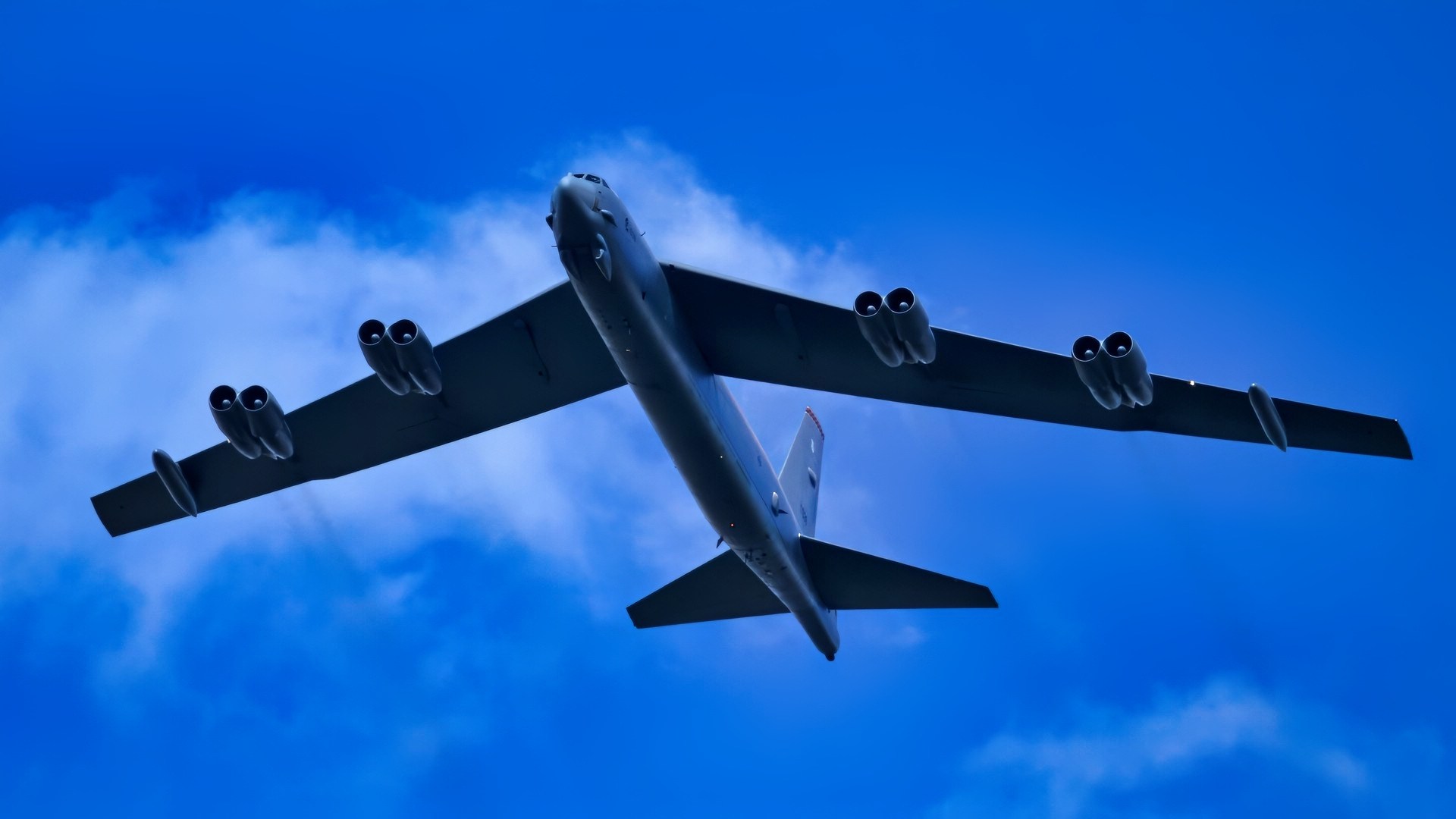
Boeing B-52H Stratofortress. Image Credit: Creative Commons.

Capt. Karla Arango, 20th Bomb Squadron pilot, communicates to crew inside a B-52 Stratofortress during Global Thunder 2019 at Barksdale Air Force Base, La., Nov. 3, 2018. Global Thunder is an annual U.S. Strategic Command (USSTRATCOM) exercise designed to provide training opportunities to test and validate command, control and operational procedures. The training is based on a notional scenario developed to drive execution of USSTRATCOM and component forces’ ability to support the geographic combatant commands, deter adversaries and, if necessary, employ forces as directed by the President of the United States. (U.S. Air Force photo by Senior Airman Philip Bryant)
Article 1 serves as the foundation of the broader MoU, establishing an immediate cessation of hostilities across all fronts and committing both the US and Iran (as well as their respective regional partners) to cease military aggression.
Article 1 creates the security conditions intended to allow negotiations on thornier issues, i.e., maritime security, sanctions, economic normalization, and nuclear questions. Article 1 underpins the entire agreement, so any allegation of violating it threatens the entire negotiation.
Already Violated Iran Peace Terms?
According to Tehran, recent US military strikes against Iranian coastal facilities constitute a direct breach of the ceasefire. Washington justified those strikes as responses to alleged Iranian attacks on commercial shipping.
Iran rejects that justification, however, arguing that any new American military action violates the MoU—regardless of the stated rationale.
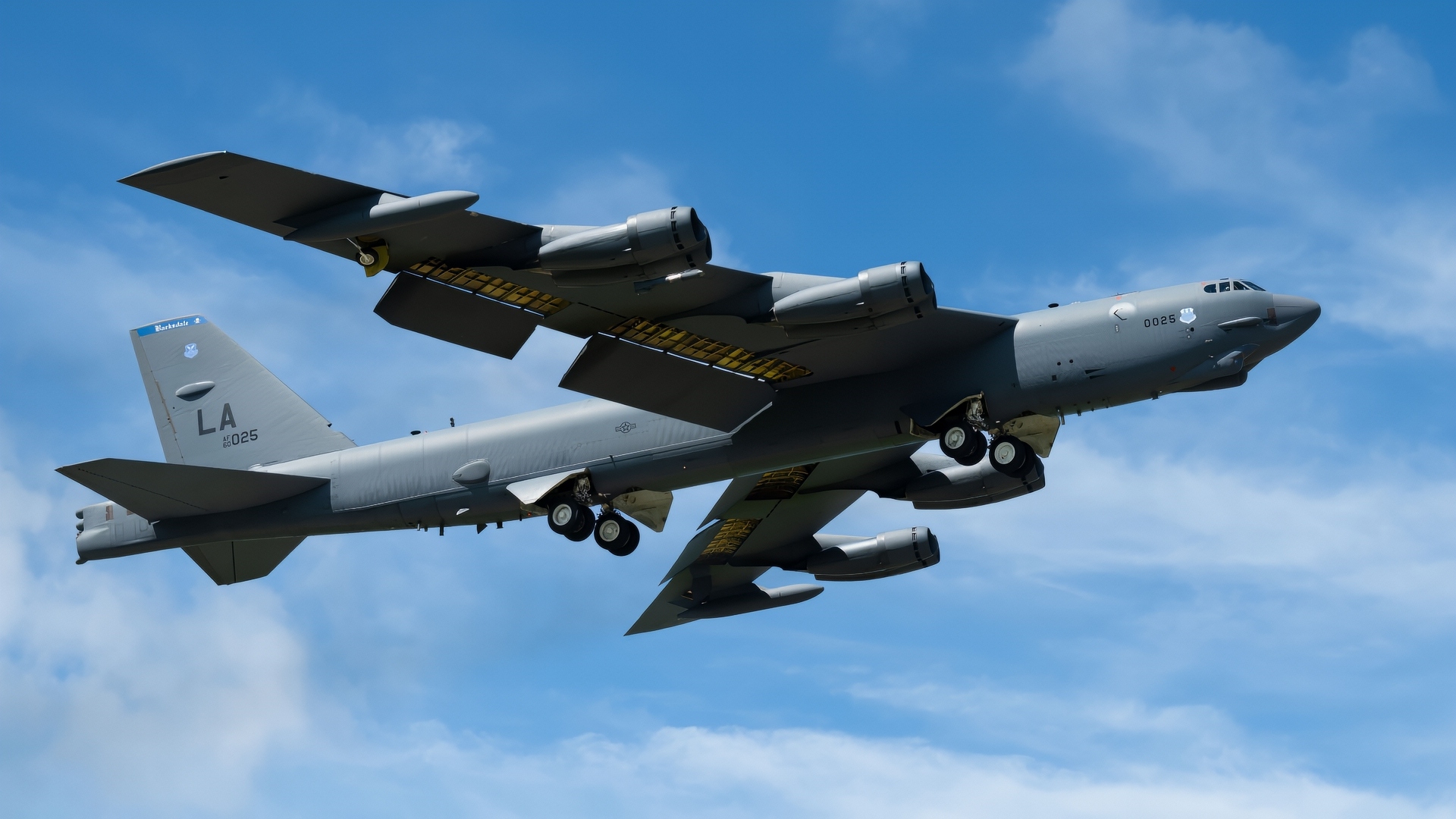
B-52 Bomber Flying High in Sky. Image Credit: Creative Commons.
Tehran also argues that the US bears responsibility for Israeli military operations in Lebanon (Israel has continued to terraform southern Lebanon in an attempt to prevent future Hezbollah attacks); Iranian officials contend that Washington promised to help stabilize all fronts and has either been unable or unwilling to restrain Israeli operations. From Iran’s perspective, Israel’s continued strikes represent indirect US noncompliance with Article 1.
Political Ramifications
Baghaei’s warning is directed at both Washington and the ongoing negotiators in Qatar. Rather than immediately abandoning the talks, Tehran is signaling it will continue to participate—if America cooperates.
The statement increases Iran’s diplomatic leverage, making Article 1 the benchmark for all future negotiations. It also raises the cost of any additional military action by warning that violations could derail the entire process. For the moment, both governments remain engaged diplomatically even as they publicly accuse one another of bad faith.
The Prospect of Future Violations
Several potential friction points remain unresolved and could boil over. Lebanon, for starters. Continued Israeli military operations remain an obvious source of tension. Iran appears likely to continue viewing Israeli actions as America’s responsibility because of Washington’s close alliance with Israel. Maritime security is another flashpoint, particularly the Strait of Hormuz.
Any confrontation involving commercial shipping, inspections, escorts, or freedom-of-navigation operations could quickly produce competing claims over who violated the agreement first. And any future US strike responding to attacks on American forces or shipping could be characterized by Tehran as a breach of Article 1. Washington would argue self-defense. But these competing interpretations are likely and present the opportunity for diplomatic escalation.
Strategic Implications
The latest Iranian warning illustrates that the ceasefire remains politically fragile, despite ongoing negotiations. Article 1 has evolved from a simple ceasefire provision into the central legal and diplomatic battleground governing the agreement’s future.
The immediate challenge is less about negotiating new provisions than preserving confidence in the existing ones.
If additional military incidents occur, each side is likely to argue that the other violated the agreement first. This would increase pressure on the negotiators while stressing the broader peace framework. Indeed, the negotiations are on precarious footing.
Despite the friction, both sides remain at the negotiating table. Why? Because neither Washington nor Tehran wants to resume a full-scale war. Months of Epic Fury have exhausted both nations.
The US has specifically spent billions, fired years’ worth of interceptor missiles, and is eager to pivot to the more strategically important Indo-Pacific. Iran is eager to begin rebuilding, lift sanctions, and resume oil exports to heal the economy.
Still, the ceasefire’s durability is suspect.
A single maritime incident in the Strait of Hormuz, renewed fighting in Lebanon, or another exchange involving US forces could strain the framework beyond its limits.
About the Author: Harrison Kass
Harrison Kass is a writer and attorney focused on national security, technology, and political culture. His work has appeared in Tablet, City Journal, The Hill, The Spectator, and The Cipher Brief. He holds a JD from the University of Oregon and a master’s in Global & Joint Program Studies from NYU. More at harrisonkass.com.


