

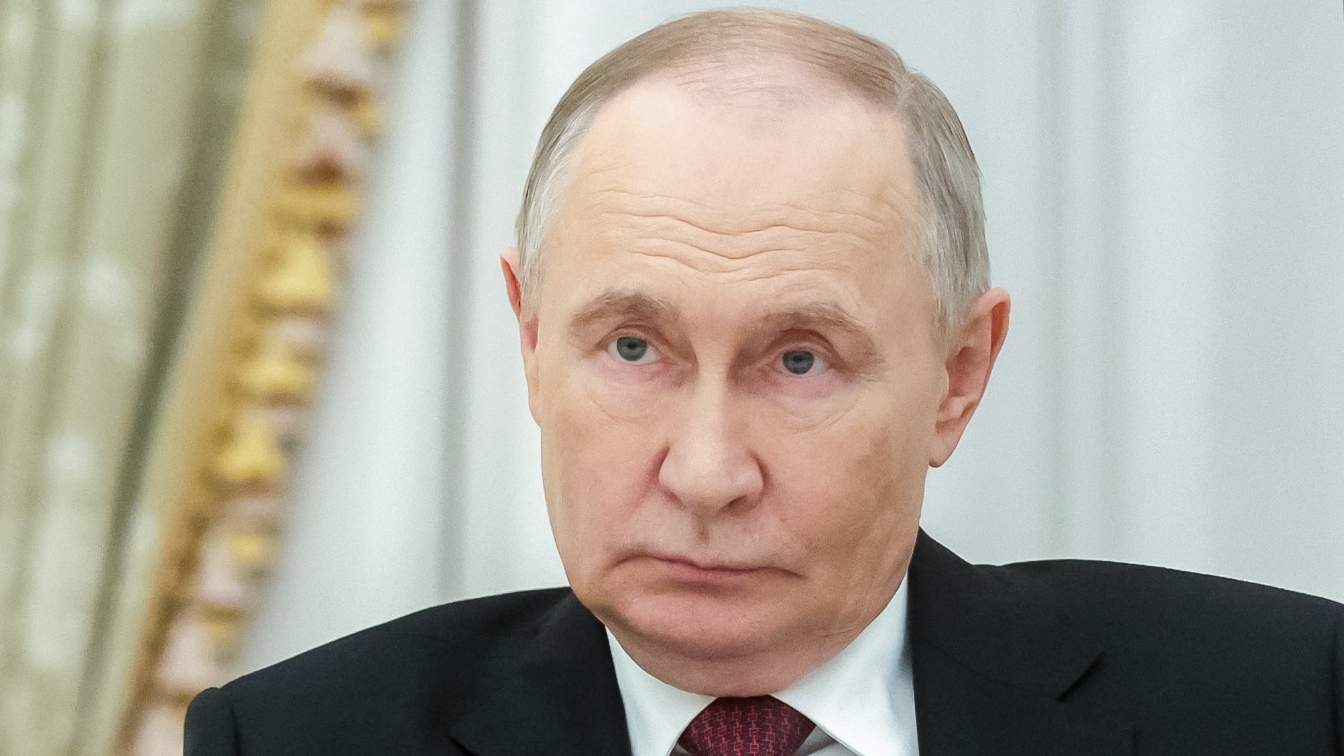
Bloomberg.com reported more bad news for Russian President Putin and Russia’s already flagging economy.
Russia’s flagship crude oil price has decreased to levels before the recent conflict in the Middle East, adding even more strain on the economy that is stretched razor-thin by the war in Ukraine.
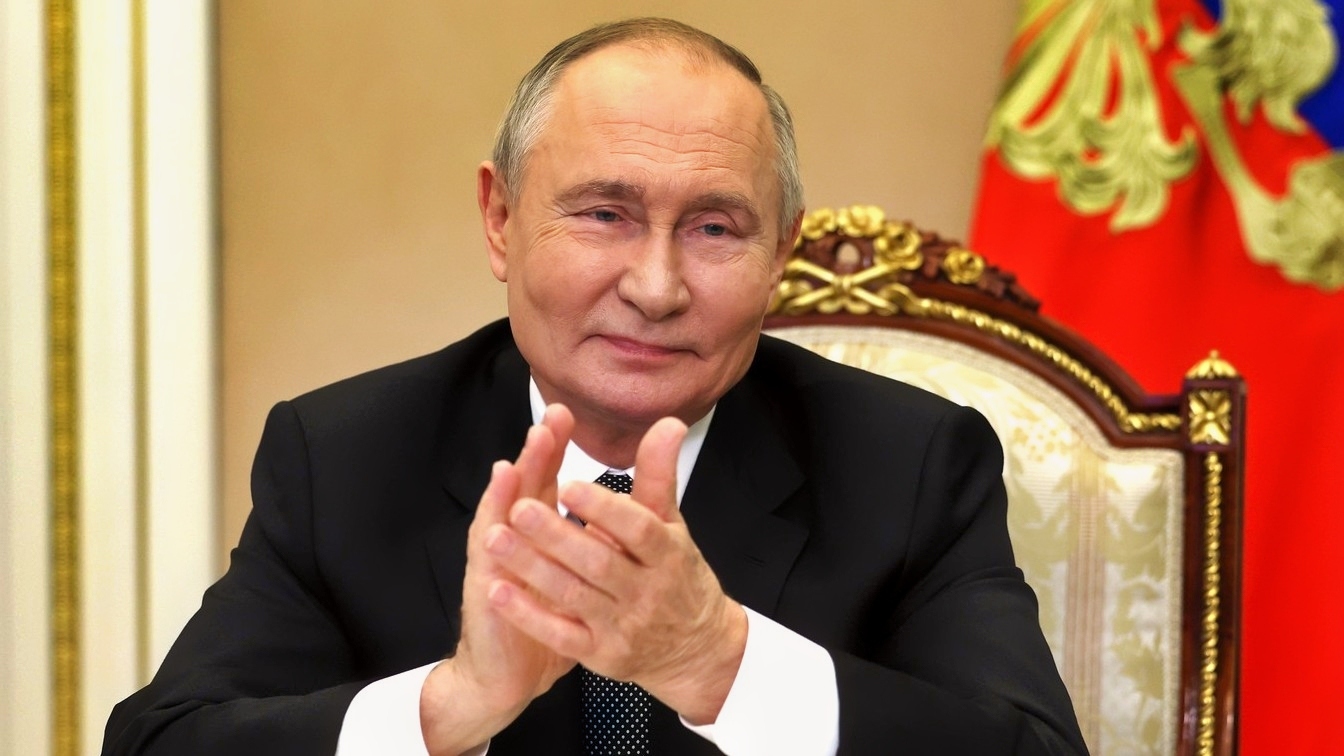
Putin Clapping Russia Federation Photo
Russia’s Urals grade averaged $41.66 per barrel at Russia’s western ports in the first three days of July, less than half the level at the height of the oil market spike in April, according to Argus Media data. Russia’s Finance Ministry uses the data to calculate tax revenues.
Argus added that a drop in Urals’ price quotes could reduce Russia’s budget revenues and complicate financing of military expenditures in the coming months.
This is yet another blow to Russia’s economy that it doesn’t need now.
Moscow Didn’t Reap The Benefits Of High Oil Prices Due To Ukraine
Russia should have been reaping huge windfall profits from its shadow fleet and the closure of the Strait of Hormuz, which created a wealth of opportunities for Moscow to cash in on selling its crude oil.
Despite the US temporarily lifting sanctions amid the worldwide energy shortage, and Moscow exporting 413 million barrels per day throughout June, the value of those shipments fell to its lowest level since early March.
However, Ukraine’s increased attacks on Russian energy facilities in recent months, especially Ukrainian President Zelenskyy’s 40-day influence operation to pressure Moscow to end the war, have also kept Moscow from reaping the benefits of surging gas and oil prices earlier this spring due to the conflict in the Middle East.
The damage to the oil and gas refineries has forced Moscow to ship more unprocessed crude.
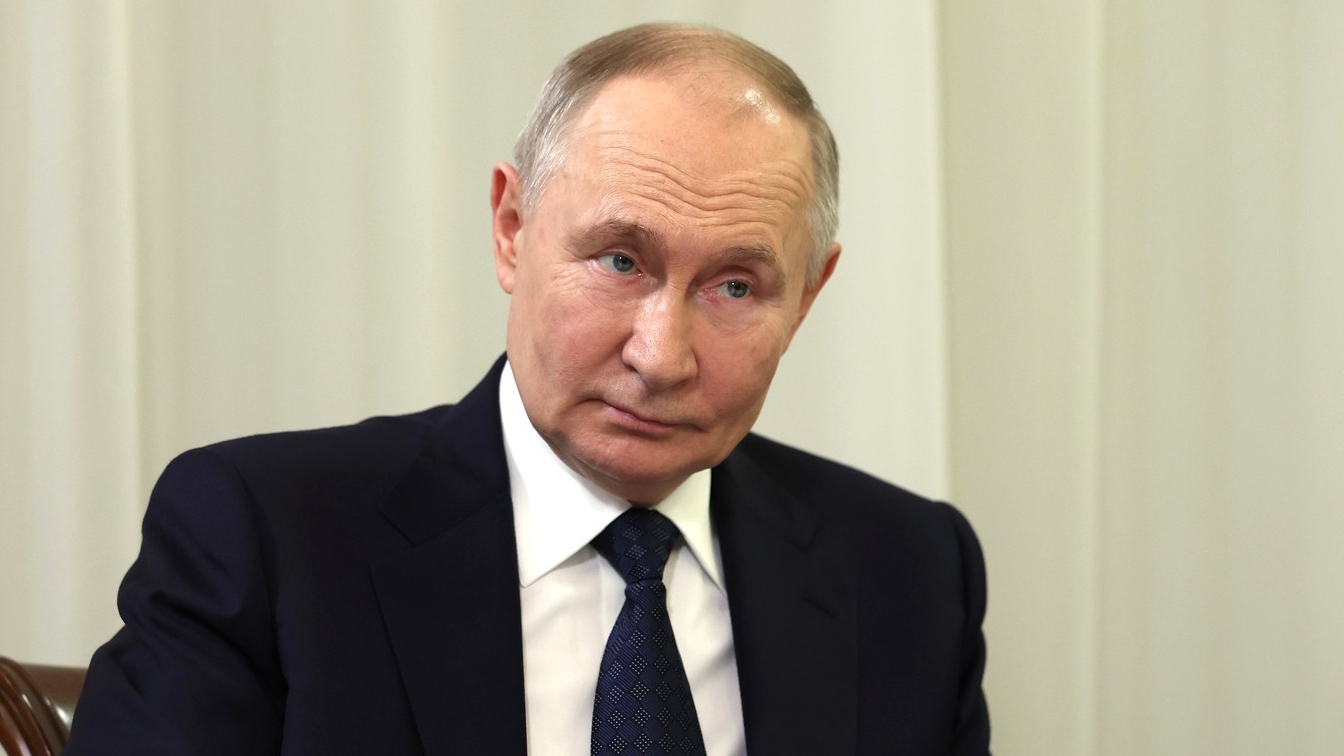
Putin In Meeting Creative Commons Image
Instead of enjoying an economic boom, Russia is in the throes of gas and oil shortages that have further sapped the economy. And now they’ve been forced to shut down oil exports.
Numerous Russian oblasts, or regions, have implemented gas rationing, including Moscow, a huge blow to Russia’s economy.
CNN reported that nearly all of Russia’s 83 regions are experiencing gas shortages. Mediazona reported that rationing was taking place in 56 of them.
Eighteen Russian oblasts and Crimea have begun various rationing measures at local gas stations.
Russia’s Deficit Swells In 2026
Bloomberg’s report highlighted that in the first five months of this year, the fiscal deficit gap grew to 6 trillion rubles ($77 billion), or 2.6 percent of GDP, exceeding the target for the whole of 2026 by roughly 60 percent.
Russia’s oil taxes are calculated with a time lag; the drop in prices this month will be factored into the country’s budget in August.
The Kyiv School of Economics oil tracker says Ukrainian drone strikes reduced refinery runs and forced Russia to ship more unprocessed crude in April and May, while a shortage of shadow-fleet tankers pushed it back toward Western maritime services.
This sudden drop in oil prices sits below the $59-per-barrel baseline assumed in Russia’s federal budget, severely squeezing the Kremlin’s revenue sources.
While export volumes via shadow-fleet tankers recently hit wartime highs, the plunging per-barrel value means actual gross revenues are at their lowest levels since early 2024.
Bad News For Russia: Oil Prices Dropping To Pre-Conflict Lows
Russia was temporarily benefiting from extremely high oil prices in major markets during April. Those allowed Moscow to continue its war in Ukraine and bring some help to its beleaguered economy.
However, the price of Russian oil is now less than half of what it was in mid-April, once again increasing stress on the economy.
Worse still are the Ukrainian attacks, which have knocked out as much as one-third of all of Russia’s oil production.
This has generated widespread gas shortages in 56 of Russia’s 83 regions.
Ukrainian President Volodymyr Zelenskyy posted on Telegram on Monday that “Putin can go on and on, claiming on TV that he supposedly has everything under control”, but that Russian citizens can see that the war “has reached the point where even an oil state – a gas station, as Russia used to be called – is now facing gas shortages.”
Ukraine’s 40-day influence operation has been hitting Russia’s gas and oil infrastructure hard.
No End In Sight For Moscow’s Economy
The drop in Russian oil prices directly slashes the Kremlin’s budget revenues and widens the federal deficit, as oil and gas fund roughly one-third of government spending.
With the drop in Russia’s flagship Urals crude to around $42 a barrel—falling well below the $59 threshold required to balance the budget—the government’s rainy-day funds are strained, leading to increased borrowing costs and mounting pressure on the banking sector.
With oil revenues sinking, the ruble has further depreciated, fueling higher inflation and making imported goods more expensive for Russian consumers.
Compounding these fiscal pressures are production cuts and output declines driven by sanctions, which have recently left Russia producing nearly 700,000 barrels per day below its OPEC+ quota.
About the Author: Steve Balestrieri
Steve Balestrieri is a National Security Columnist. He served as a US Army Special Forces NCO and Warrant Officer. In addition to writing on defense, he covers the NFL for PatsFans.com and is a member of the Pro Football Writers of America (PFWA). His work was regularly featured in many military publications.


