

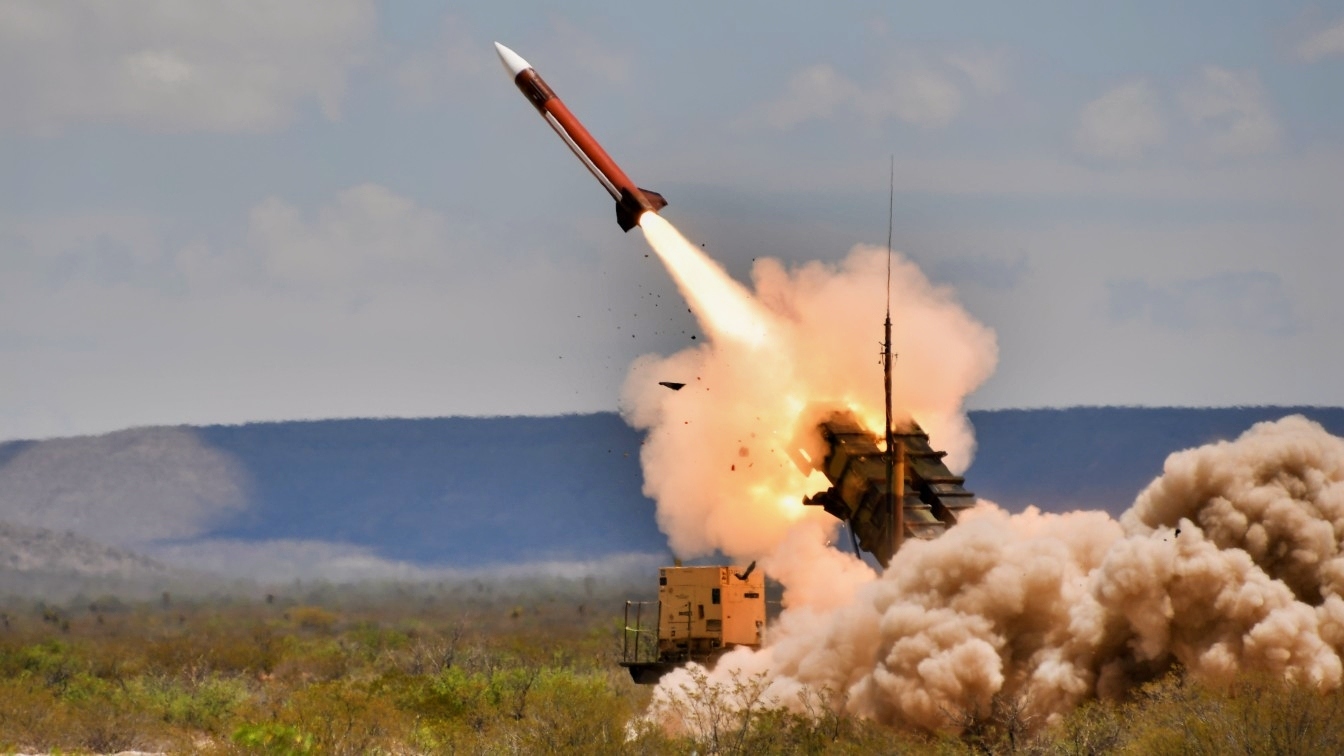
As economic pressures ramp up in Moscow, more and more analysts are certain that the war in Ukraine will end via a truce settlement as the Kremlin looks to cut its losses from the war. With Russia increasing its fuel exports to make up for domestic shortages and regular Russians expressing frustration with the war, something has to give way for the war to end. Contrary to the optimistic reports emanating from the pro-Ukrainian side, however, Putin shows no sign of wanting to slow down his costly war, even as Ukrainian drones continue to strike deep behind enemy lines.
Hitting the Russian Heartland

Su-27 Flanker Fighter. Image Credit: Creative Commons.
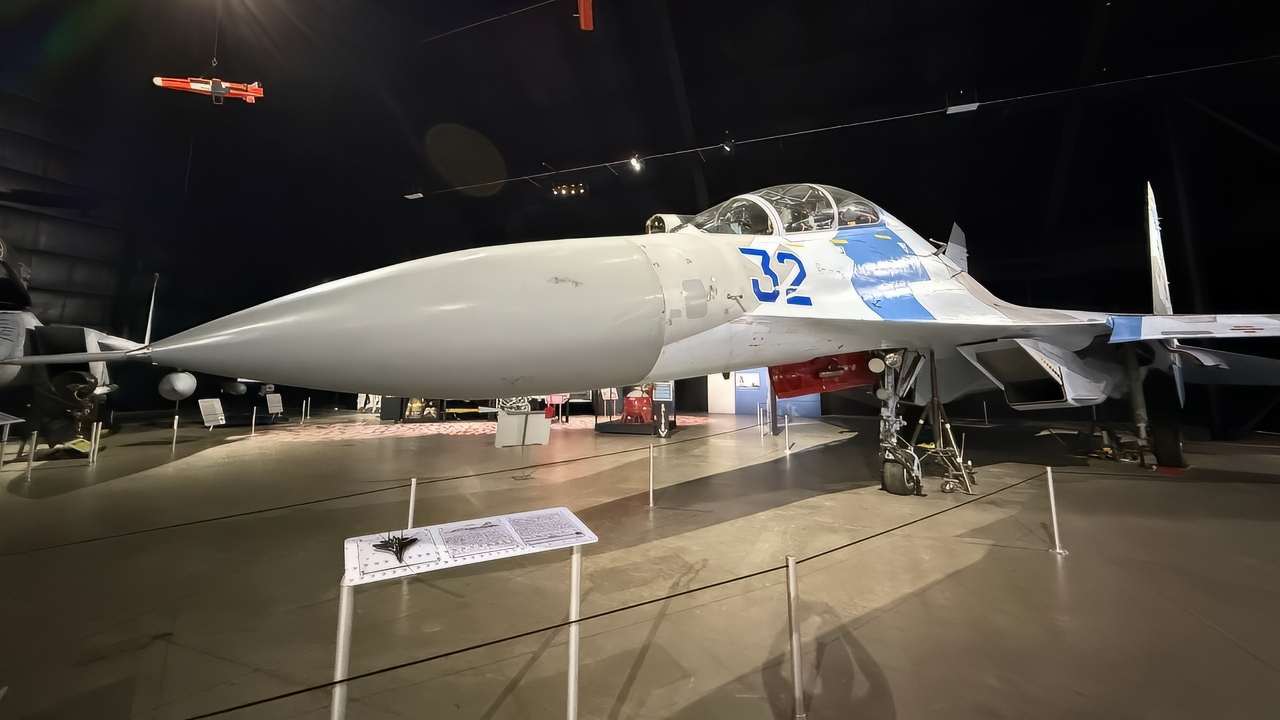
Su-27 Flanker Up Close. Image Credit: National Security Journal Taken on July 19, 2025.
In the last couple of months, Ukraine has significantly ramped up its strategic drone campaign in an effort to bring the war to Russia. These attacks have primarily targeted fuel refineries and oil infrastructure, but some attacks have also been carried out against military-industrial sites that are responsible for the production and assembly of Russia’s cruise missiles.
Ukraine’s asymmetric tactics have been critical to the success of these drone raids. Russia possesses a vast air defense network, which has proven capable of intercepting even advanced Western-made missiles. Thanks to Ukraine’s asymmetric tactics (and Western intelligence), Kyiv’s attacks can locate and exploit gaps in the Kremlin’s defenses and strike sensitive targets.
In 2026, Russia will finally experience the consequences of the war in Ukraine. Initially, the economic fallout was constrained to Crimea, which is much closer to the front lines and much more vulnerable due to its limited avenues of approach.
Now, however, fuel shortages and gas rationing have spread throughout Russia. In some extreme cases, Russian motorists have had to wait more than 24 hours to refuel their cars.
Interestingly, fuel prices seem to have remained relatively stagnant. According to Russian sources, the average price for a liter of fuel remains around 60-70 Rubles per liter, which roughly equates to around $3.25 per gallon, comparable to the price of fuel in most states in the U.S. Despite the short supply, gas stations in most of Russia have yet to adjust prices to match the new reality.
Forcing Moscow to the Table
In response to the ongoing nationwide shortage, the Kremlin has been forced to implement fuel rationing to prevent motorists from panic-buying.
State authorities have tried to reassure the public that the shortages are only temporary and that the current crisis is being caused in part by panicked civilians. “Fuel is arriving. Perhaps with some delays, but in principle it’s available,” said the governor of Russia’s Tymen region. “Therefore, today it is important for us, as consumers, not to create unnecessary excitement, not to refuel for future use,” he added. As a short-term measure, Russia is now importing large quantities of fuel from allied countries like Belarus, China, and India. According to some reports, fuel imports from Belarus increased nearly twofold between June and July as Moscow seeks any solution it can to reestablish the stability it fought so hard to protect.
As the pressure continues, experts and analysts now believe that Russia will eventually be forced to accept a truce with Ukraine in order to save face after four years of fighting with little to show.
As Ukrainian drone attacks continue across Russia, the country’s fuel shortage will only worsen, and the economic situation will only deteriorate.
The Kremlin can cut its losses by accepting a peace settlement with Ukraine and ending the war before things grow more dim for Moscow. If the Kremlin is lucky, it might retain some of its occupied territories like Donetsk and Crimea, if the Ukrainians can be persuaded to allow it.
Having the Opposite Effect?
Unfortunately, the possibility of Ukrainian drone strikes forcing the Kremlin to capitulate is low.
Rather than forcing Moscow to rethink its invasion, Putin seems to have doubled down on the war. In a recent party congress, Putin once again stated that Russia’s goal for the war in Ukraine is to fully capture not only the annexed territories in the Donbas but the entirety of “Novorossiya.”
If Putin is going by the historical definition of Novorossiya, given his infatuation with Russian history, he probably is, then Russia’s goal is the annexation of the entire Eastern half of Ukraine, including the territories of Kharkiv, Mykolaiv, and Odesa, which would completely cut off Ukraine’s access to the Black Sea.
To that end, Russia’s missile attacks have notably increased in their frequency and scale.
Over the past week, Russia has hit Ukraine with multiple massive missile/drone attacks, primarily targeting Kyiv.
The targets of these attacks have been industrial centers, logistics hubs, and energy infrastructure. Dimitri Peskov, the main spokesman for the Kremlin, stated recently that Moscow is now waging a real war against Ukraine and the collective West. “It is a war, a real war,” Peskov told Russian state media. “It began as a special military operation. It continues as a war because behind Kyiv stand Berlin, Paris, The Hague, Oslo and, unfortunately, Washington.”
This is an unusual breach of etiquette for Moscow, which was previously terrified of using the term ‘war.’ Now, likely because of Ukraine’s recent drone campaign, Russia is clamping down on its war effort against Ukraine.
About the Author: Isaac Seitz
Isaac Seitz, a Defense Columnist, graduated from Patrick Henry College’s Strategic Intelligence and National Security program. He has also studied Russian at Middlebury Language Schools and has worked as an intelligence Analyst in the private sector.


donald perks
July 6, 2026 at 7:52 pm
Russia is finally paying a price for starting this war i hope Ukraine teaches the Criminals in russia a lesson i hope the people in russia rise up and gets rid of that coward putin he is like our 5 deferments trump