

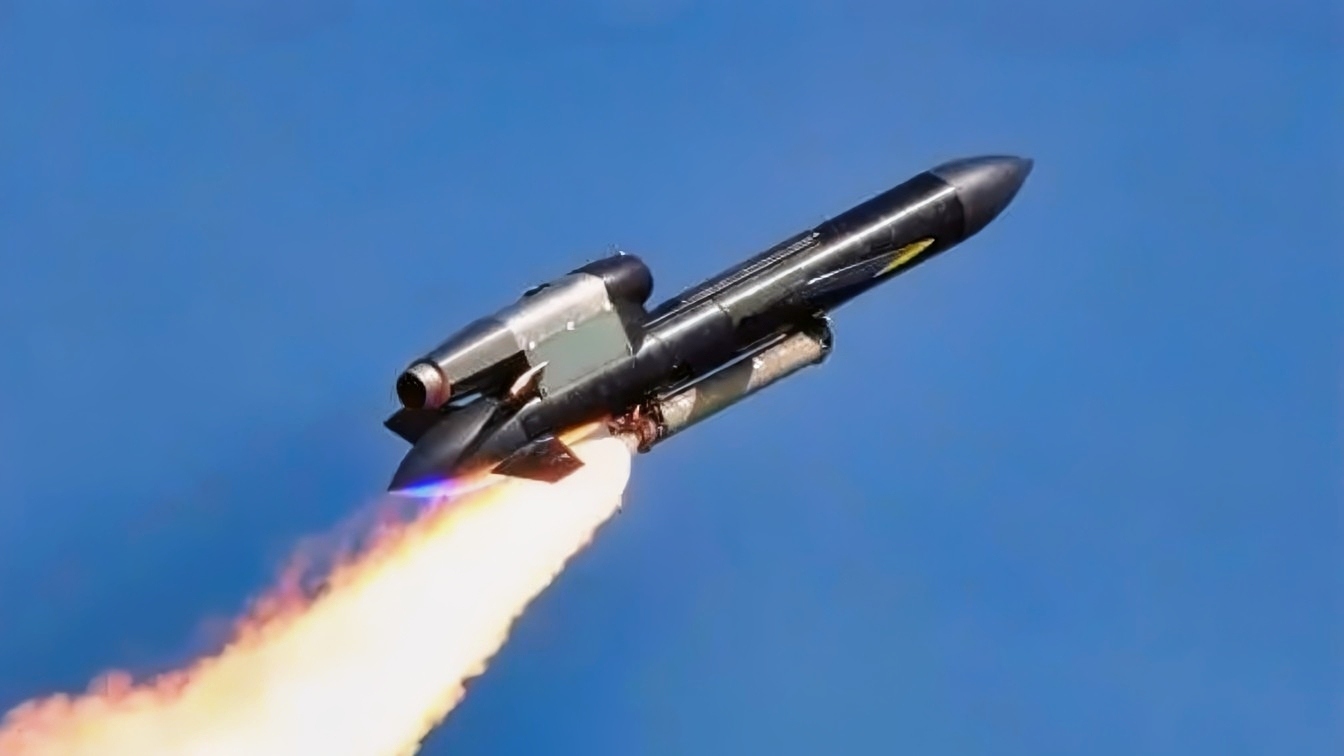
Foreign Policy reports that Ukraine’s long-range drone campaign has reached Russia’s largest refinery at Omsk, highlighting a broader strategy of attacking the country’s energy infrastructure.
Shifting Strategy
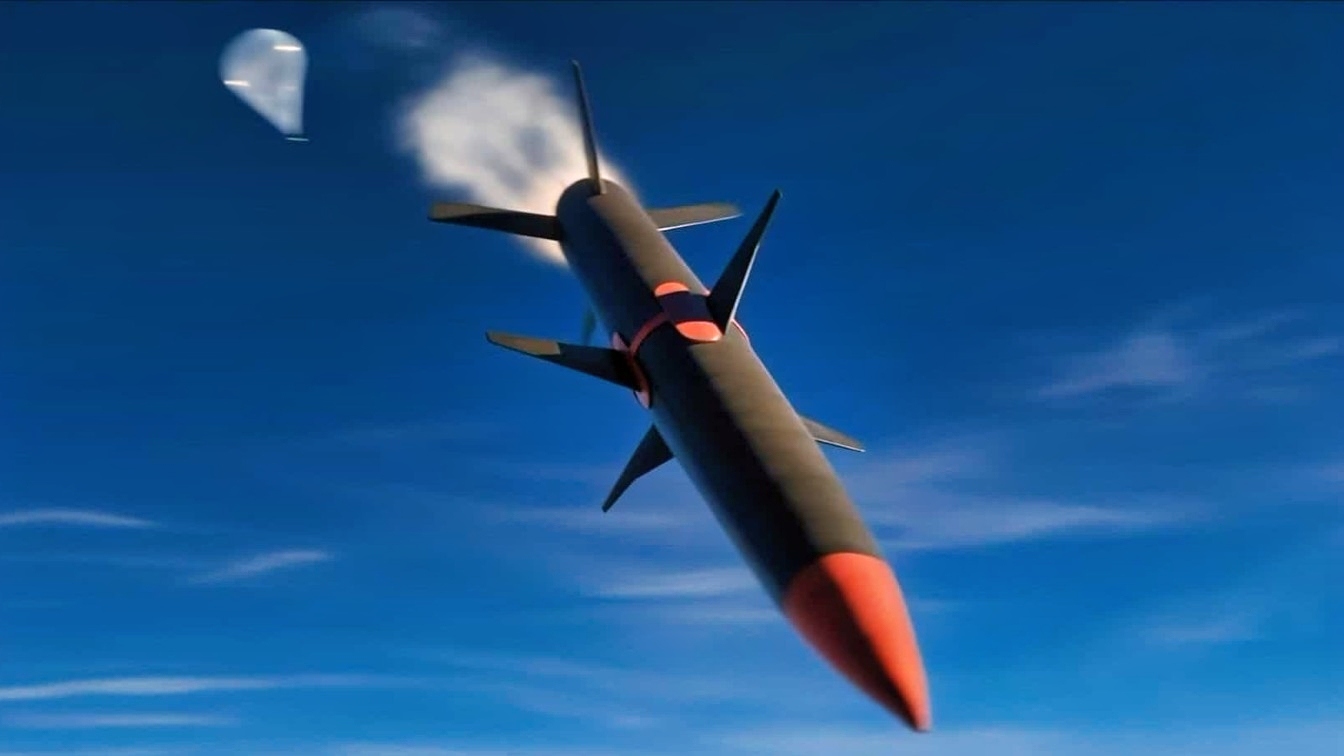
Ukraine DART Weapon Image Credit Ukraine Military
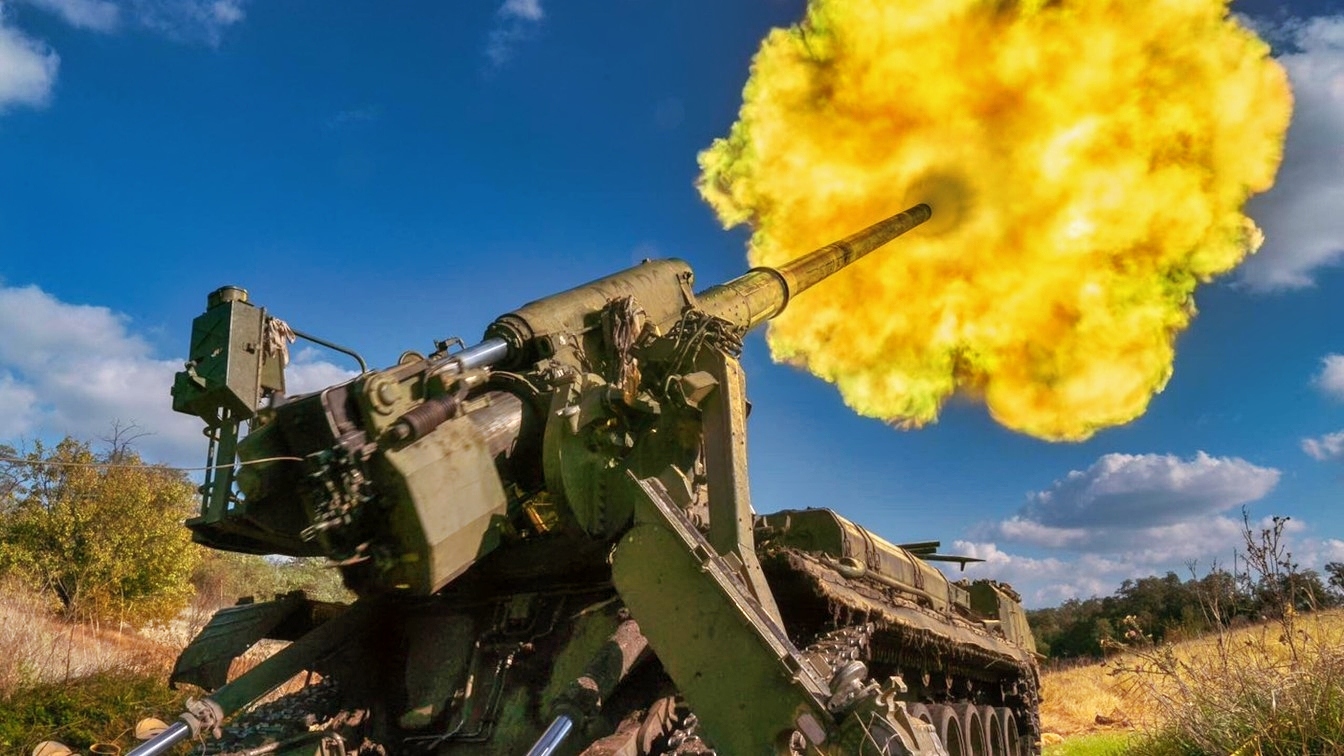
Ukraine Artillery Strike. Ukrainian Armed Forces Photo.
Early in the war, Ukrainian strikes focused largely on ammunition depots, headquarters, logistics hubs, and occupied territory. Today, increasingly capable long-range drones are reaching hundreds of kilometers, or even thousands, into Russia. And rather than try to destroy crude oil production, Ukraine is instead targeting refineries—where crude becomes usable gasoline, diesel, aviation fuel, and lubricants.
Omsk is Russia’s largest refinery, processing more than 400,000 barrels per day. Located deep inside Russia, Omsk was previously viewed as relatively insulated from Ukrainian attack. Hitting such a distant target demonstrates longer-range drone capabilities, improved navigation, improved intelligence, and an expanding target list. The psychological effect is real, too: no refinery is necessarily beyond Ukraine’s reach.
Attractive Targets
Oil refineries are attractive military targets. Enormous, complex industrial facilities, refineries, feature a variety of key equipment, including atmospheric crude distillation units, catalytic crackers, hydrocrackers, and reformers. Many pieces are custom-built.
Even relatively small damage to critical processing units can halt production for weeks or months. Destroying just one processing unit may idle an entire refinery.
Once a refinery is damaged, repairs are extremely difficult. Modern Russian refineries were upgraded using significant Western industrial technology. Before sanctions, equipment often came from firms such as Siemens, Honeywell, and other international suppliers.
Sanctions, however, complicate equipment replacements that require specialized components, industrial control systems, sensors, and software. Even if substitute parts do exist, installation and certification can take months. This means that when Ukraine damages a Russian refinery, the damage is cumulative rather than just temporary.
Domestic Impact Inside Russia
Foreign Policy reports that cumulative attacks have reportedly removed an estimated 14 to 17 percent of Russian refining capacity. Fuel shortages are emerging in some regions, with higher wholesale diesel prices and reports of rationing measures.
Meanwhile, gasoline export restrictions are being implemented to preserve the domestic supply. This is important because the military and civilian sectors compete for the same refined fuels. Harvest season increases diesel demand while trucking, rail support equipment, and military logistics all rely on refined petroleum.
Of course, what’s important to note is that Ukrainian drones cost a tiny fraction of a refinery. A relatively inexpensive drone can damage infrastructure worth hundreds of millions of dollars (or even billions). This is an example of precision, low-cost systems imposing disproportionate economic costs.
Strategic Implications
Ukraine is clearly expanding the battlefield far beyond the front lines. Russia is increasingly being forced to defend industrial infrastructure spread across its enormous territory. Air defenses are finite; those protecting refineries cannot simultaneously protect military facilities elsewhere. And every interceptor fired at a drone is one unavailable for another target.
Russia’s reduced refining capacity will affect military sustainment. This creates political pressure inside Russia, limiting fuel exports and, if disruptions persist, reducing energy revenues.
And while drone strikes alone are unlikely to decide the conflict, Russia remains a major energy producer with significant industrial depth. Repairs continue, and Moscow has adapted throughout the war. However, sustained attacks impose a cumulative cost, complicating military logistics and consuming air-defense resources. This increases economic pressure on the Kremlin.
Omsk Crosshairs
The strike on Omsk illustrates that Ukraine’s drone campaign has evolved from tactical battlefield support into a broader campaign against Russia’s economic infrastructure. Whether that strategy forces Moscow to adjust its approach militarily remains to be seen; what is clear is that relatively inexpensive unmanned systems can threaten some of the most valuable industrial assets of a modern state. Increasingly, the war is being fought not only in the trenches but across refineries, factories, and energy networks hundreds of miles from the front.
About the Author: Harrison Kass
Harrison Kass is a writer and attorney focused on national security, technology, and political culture. His work has appeared in Tablet, City Journal, The Hill, The Spectator, and The Cipher Brief. He holds a JD from the University of Oregon and a master’s in Global & Joint Program Studies from NYU. More at harrisonkass.com.


