


A Chinese Shenyang J-15 Flying Shark naval fighter pitched up 80 degrees and crashed on the Type 001 Liaoning aircraft carrier during a 2016 test flight. The Chinese pilot ejected too low for the parachute to activate. The Chinese pilot died from injuries sustained on landing.
China’s J-15 Flying Shark Failure: Aircraft Carrier Disaster
The Shenyang J-15 is China’s premier naval aircraft. Developed from the Soviet Su-33, it was designed to operate on China’s aircraft carriers, which were also derived from Soviet designs.
Originally intended as a stopgap aircraft until a fifth-generation alternative became available, the J-15 is now a mainstay in the PLAN’s air inventory. New variants can be launched from the CATOBAR configuration of the Type-003 Fujian and are equipped with significantly better avionics.
The program, however, has not been without its hiccups. Early in its production life, the J-15 suffered from various technical issues, resulting in a few crashes.
Despite this, China remains committed to the aircraft and has no plans to retire it in the near future.
Development of the “Flying Shark”
The J-15 was derived from the Soviet Union’s Sukhoi Su‑33, a naval fighter developed from the Su‑27 “Flanker” series. After the Soviet Union collapsed, Ukraine inherited T-10K-3, a pre-production prototype of the aircraft.
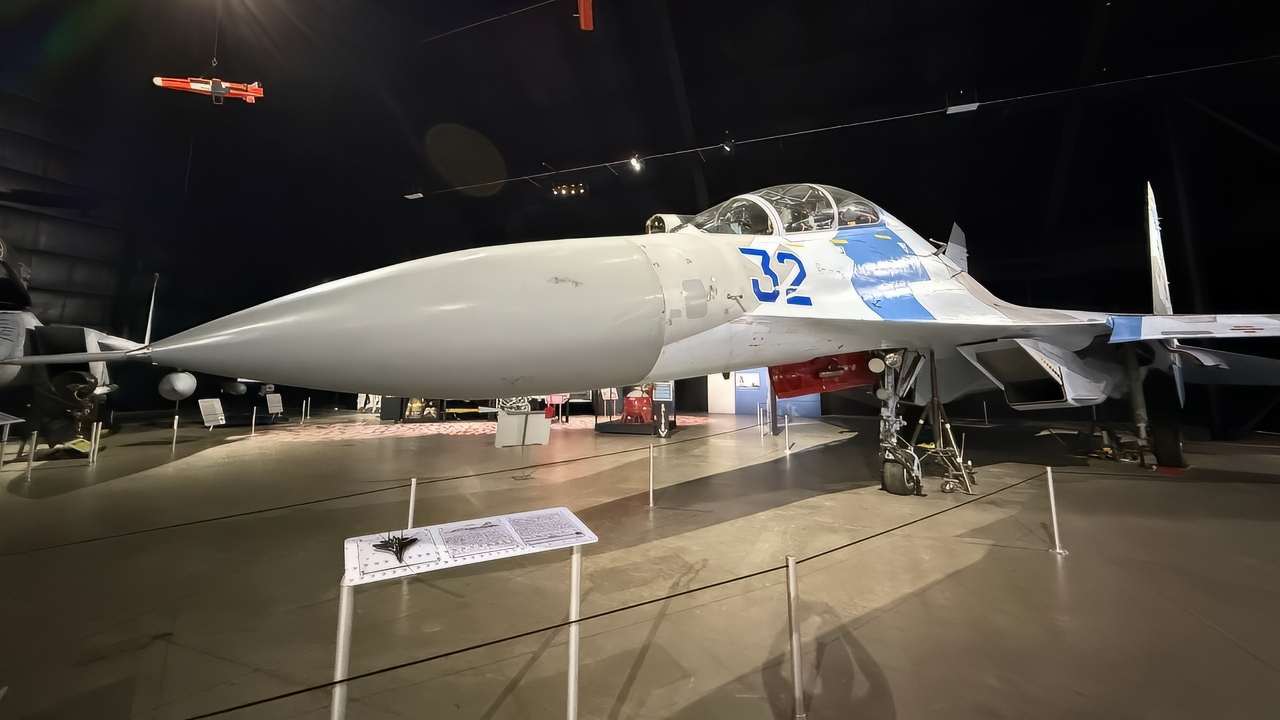
Su-27 Flanker Up Close. Image Credit: National Security Journal Taken on July 19, 2025.

Su-27 Flanker Fighter. Image Credit: Creative Commons.

Su-27 Flanker. Image Credit: Creative Commons.
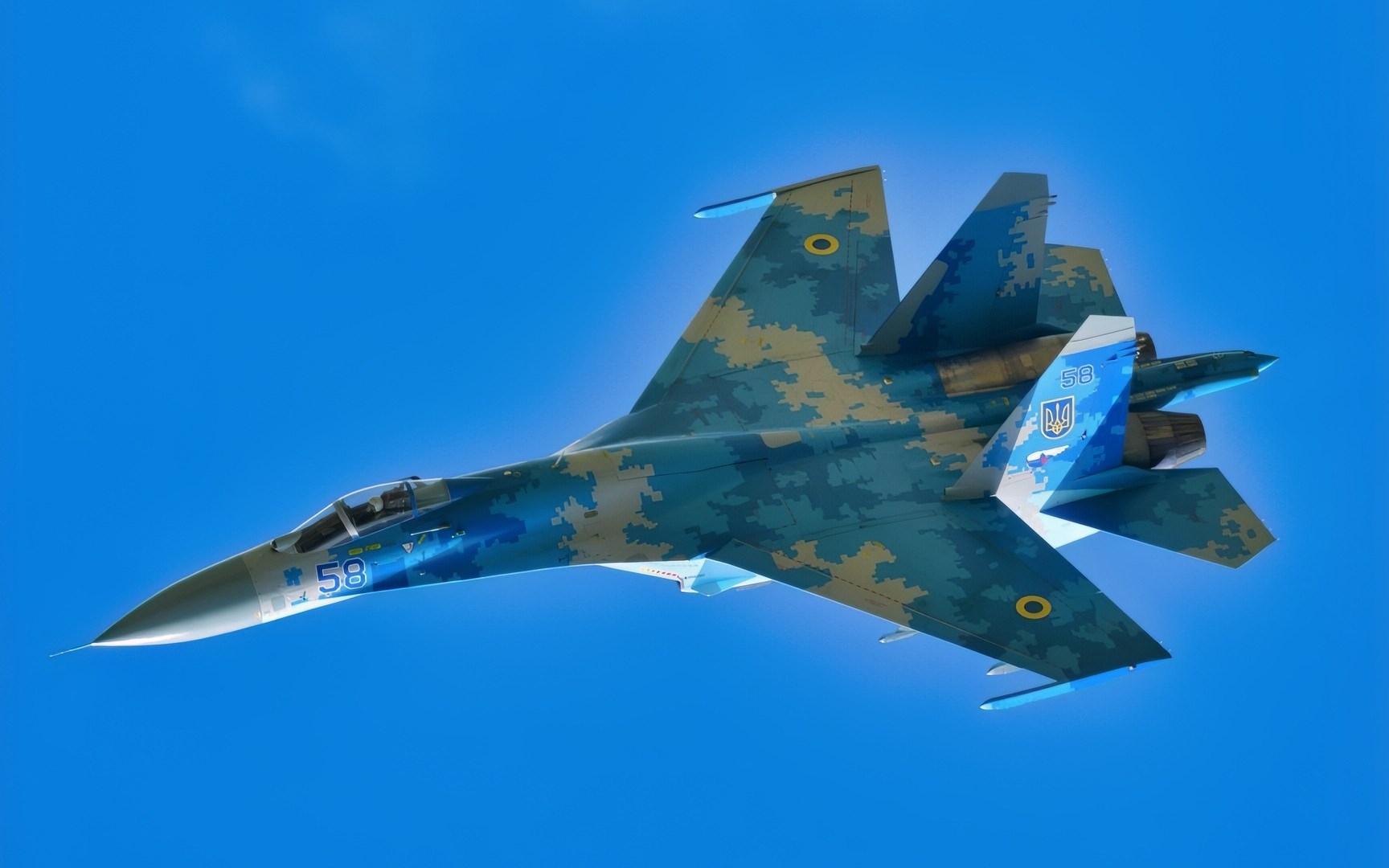
Su-27 Flanker Fighter. Image Credit: Creative Commons.
China acquired this prototype in 2001 and used it as a foundation for developing its own carrier-based fighter. In 2004, Ukraine sold T-10K-7, another pre-production prototype. These acquisitions provided Chinese engineers with valuable insights into the structural modifications required for naval aviation, such as reinforced landing gear and folding wings.
China’s aviation industry, led by the Shenyang Aircraft Corporation, had already gained experience producing the J‑11, itself derived from the Su‑27. Using this background, engineers began work on the J‑15, incorporating modern Chinese avionics, radar systems, and weapons integration.
The aircraft first flew in 2009 and entered service around 2013, roughly coinciding with the commissioning of China’s first aircraft carrier, Liaoning. While the aircraft was dismissed as yet another blatant Su-27 copy, the J‑15 quickly evolved into a more distinct platform with increasing levels of domestic technology.
Accident Prone?
Since its inception, the J-15 has suffered four publicly known accidents, three of which were due to flight-control malfunctions (the fourth was caused by a bird ingested into the air intake, which was not the aircraft’s fault).
One such crash occurred in 2016, during a test flight on the Type 001 Liaoning. A failure with the flight control system caused the aircraft to pitch up by 80 degrees. The pilot ejected, but was too low for the parachute to activate, and he died from injuries sustained from landing on the ground.
Another accident occurred in 2025, this time on land, when a J-15 suddenly crashed into a dramatic nosedive with its landing gear extended, suggesting the aircraft was attempting to land. According to Chinese sources, the pilot managed to eject and land safely.
Despite subsequent investigations, the details of the crash remain unknown to the public. It is likely that the flight control system malfunctioned once again, causing the aircraft to lose control. With around 116 J-15s built, the aircraft has an accident rate of around 2.5%, which is higher than that of the F/A-18 Super Hornet but still not a terrible record all things considered.

Aviation Boatswain’s Mate (Equipment) 3rd Class Mark Ruiz, assigned to Air Department aboard the world’s largest aircraft carrier, USS Gerald R. Ford (CVN 78), prepares a Carrier Air Wing 8 F/A-18E Super Hornet attached to Strike Fighter Squadron 37 for launch on the flight deck, Aug. 1, 2025. Gerald R. Ford, a first-in-class aircraft carrier and deployed flagship of Carrier Strike Group Twelve, is on a scheduled deployment in the U.S. 6th Fleet area of operations to support the warfighting effectiveness, lethality and readiness of U.S. Naval Forces Europe-Africa, and defend U.S., Allied and partner interests in the region. (U.S. Navy photo by Mass Communication Specialist 2nd Class Mariano Lopez)
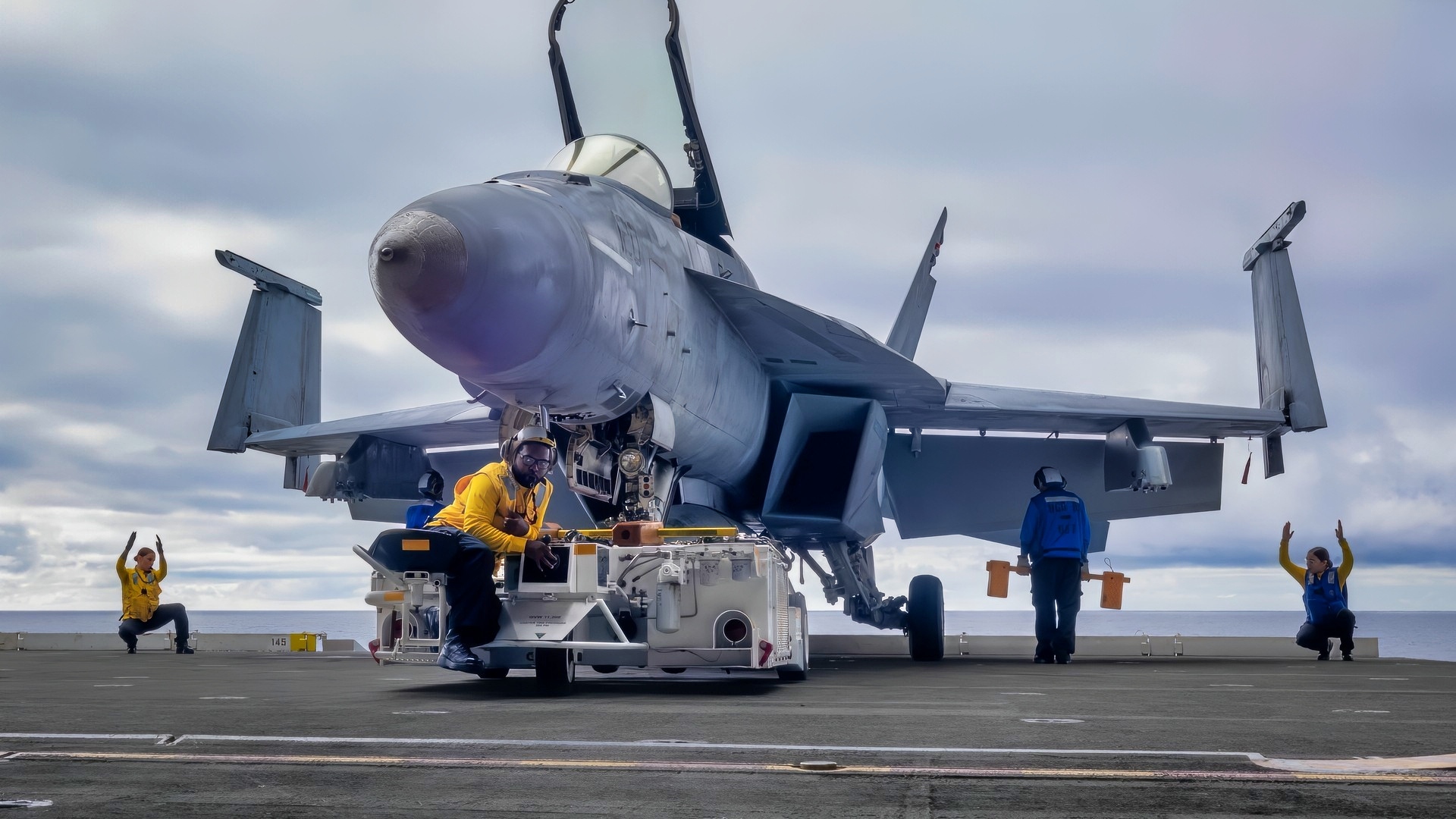
ATLANTIC OCEAN (Aug. 13, 2025) Sailors transport an F/A-18E Super Hornet attached to the “Gladiators” of Strike Fighter Squadron (VFA) 106 onto an aircraft elevator aboard the Nimitz-class aircraft carrier USS George H.W. Bush (CVN 77). George H.W. Bush is underway conducting carrier qualifications and routine operations in the Atlantic Ocean. (U.S. Navy photo by Mass Communication Specialist Seaman Apprentice Kayleigh Tucker)
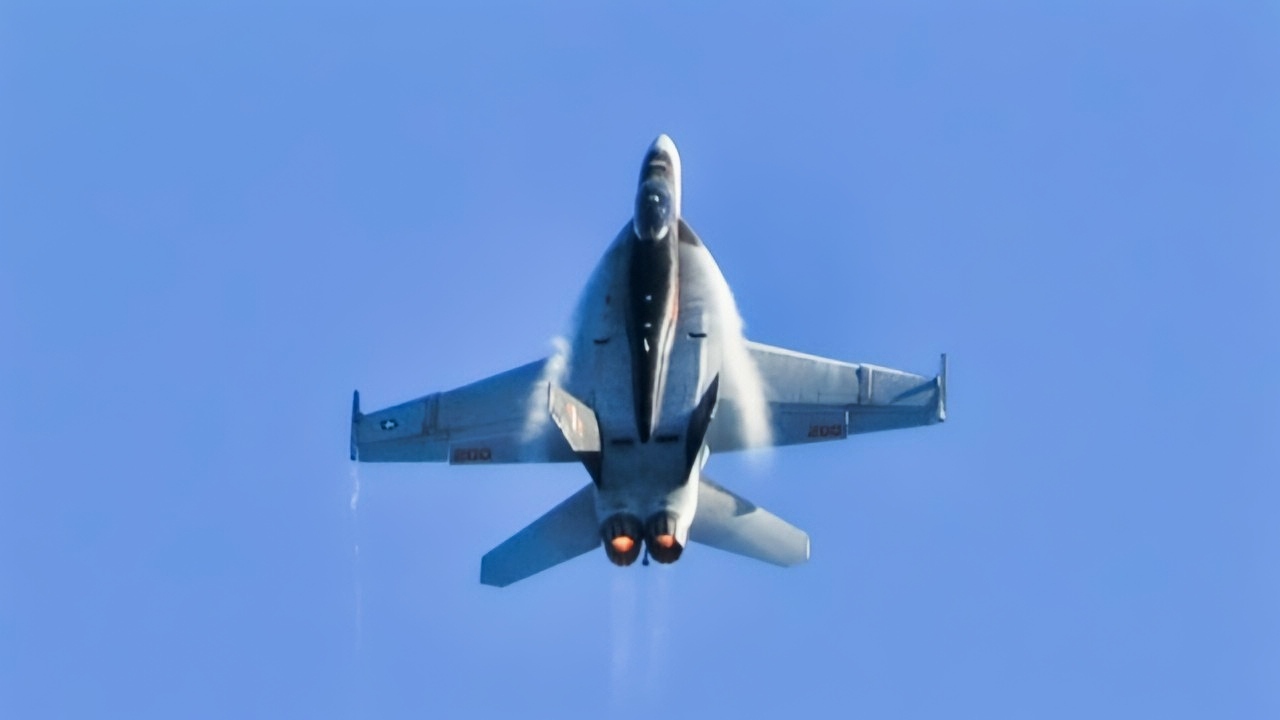
A U.S. Navy F/A-18E Super Hornet aircraft assigned to Strike Fighter Squadron (VFA) 147 performs maneuvers above the aircraft carrier USS Nimitz (CVN 68) during the departure of Carrier Air Wing (CVW) 11 Dec. 10, 2013, in the Pacific Ocean. CVW-11 fixed wing aircraft flew off the Nimitz to return home after being deployed to the U.S. 5th, 6th and 7th Fleet areas of responsibility. (U.S. Navy photo by Mass Communication Specialist Seaman Apprentice Kelly M. Agee/Released)
A Su-33 With Chinese Characteristics
The J‑15 retains much of the aerodynamic layout of the Su‑33, including its twin-engine configuration, large wings, and forward canards.
These features provide excellent lift and maneuverability, which are crucial for carrier operations where takeoff distances are short and landings are abrupt. The aircraft is also equipped with folding wings, a reinforced frame, and a tailhook for arrested landings, all of which are necessary for carrier operations.
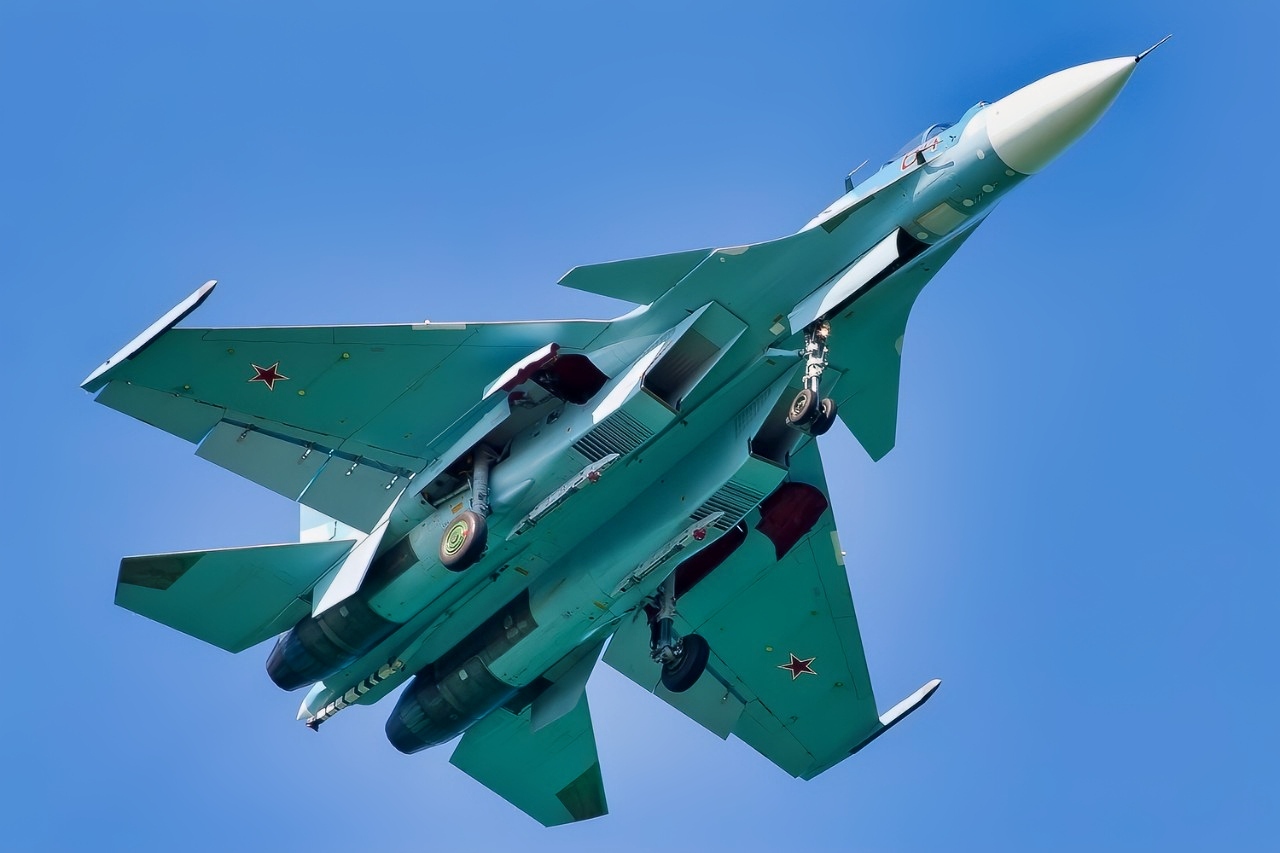
Su-33 Flanker from Russia. Image Credit: Creative Commons.

Sukhoi Su-33 launching from the Admiral Kuznetsov.

Sukhoi Su-33 launching from the Admiral Kuznetsov.
Where the J-15 differs most from its Soviet predecessor is in its avionics. Modern variants are equipped with advanced radar systems, including Active Electronically Scanned Array (AESA) radars, which improve target detection and tracking capabilities.
The cockpit features digital displays and modern controls, allowing pilots to manage complex missions more effectively. According to some Chinese sources, newer upgrades to the aircraft include fifth-generation avionics such as improved radar, more reliable engines, networking capabilities, and more.
Weapons and Combat Capability
The J‑15 is designed as a multirole fighter, capable of performing a wide range of missions. It can engage enemy aircraft using modern air-to-air missiles, conduct maritime strike operations with anti-ship missiles, and carry precision-guided bombs for land attack missions.
This flexibility allows the aircraft to serve as both a defensive and offensive platform within a carrier strike group.
Initially, the J‑15 relied on Russian-made AL‑31F engines. Although these were a necessary stopgap measure, efforts were underway to replace them with a domestically made alternative.
Over time, China introduced domestically produced WS‑10 engines in newer variants. According to Chinese sources, these new engines deliver better performance and reliability than their predecessors. This upgrade was particularly important, considering the constraints required for carrier aviation
Operational Role and Deployment
The J‑15 operates primarily from China’s first two aircraft carriers, Liaoning and Shandong. These carriers use ski-jump launch systems rather than catapults, which influences how the aircraft is deployed.
The J‑15 is used for air-superiority missions, fleet defense, maritime strike operations, and support for amphibious or coastal operations. Its versatility makes it a central component of China’s developing carrier air wings.
Several versions of the J‑15 have been developed to improve performance and expand capabilities. Early models focused on establishing basic operational capability, while later versions incorporated significant upgrades.
The J‑15T, for example, features improved avionics, an AESA radar, and indigenous engines, making it a more capable platform. More recently, the PLAN unveiled an electronic warfare variant, the J‑15D, designed to jam enemy radar and communications systems.
About the Author: Isaac Seitz
Isaac Seitz, a Defense Columnist, graduated from Patrick Henry College’s Strategic Intelligence and National Security program. He has also studied Russian at Middlebury Language Schools and has worked as an intelligence Analyst in the private sector.


