

For those of us who spent decades inside the Special Forces operational community, studying the anatomy of conflict across rugged mountains, isolated valleys, and dense urban sprawl, one foundational rule of unconventional warfare stands absolute. Advanced hardware and precision fires cannot compensate for the absence of an organized, trained, and pre-positioned human resistance. Standoff weapons can delay an adversary, inflict tactical attrition, and complicate an invasion timetable, but they cannot hold ground, sustain political will through a total communications blackout, or turn an occupied territory into an ungovernable quagmire.
Yet as the threat of conflict across the Taiwan Strait intensifies, Washington and Taipei remain locked in a dangerously narrow strategic orthodoxy. The prevailing consensus champions the concept of the porcupine strategy, a doctrine premised on transforming Taiwan into an unpalatable target through the mass acquisition of asymmetric, mobile, and survivable anti-access weaponry. Congressional debates and defense policy symposiums fixate almost exclusively on the delivery schedules of multi-million-dollar defense platforms: Harpoon coastal defense cruise missile batteries, High Mobility Artillery Rocket Systems, Patriot missile upgrades, unmanned strike reconnaissance aircraft, and advanced fighter airframes.
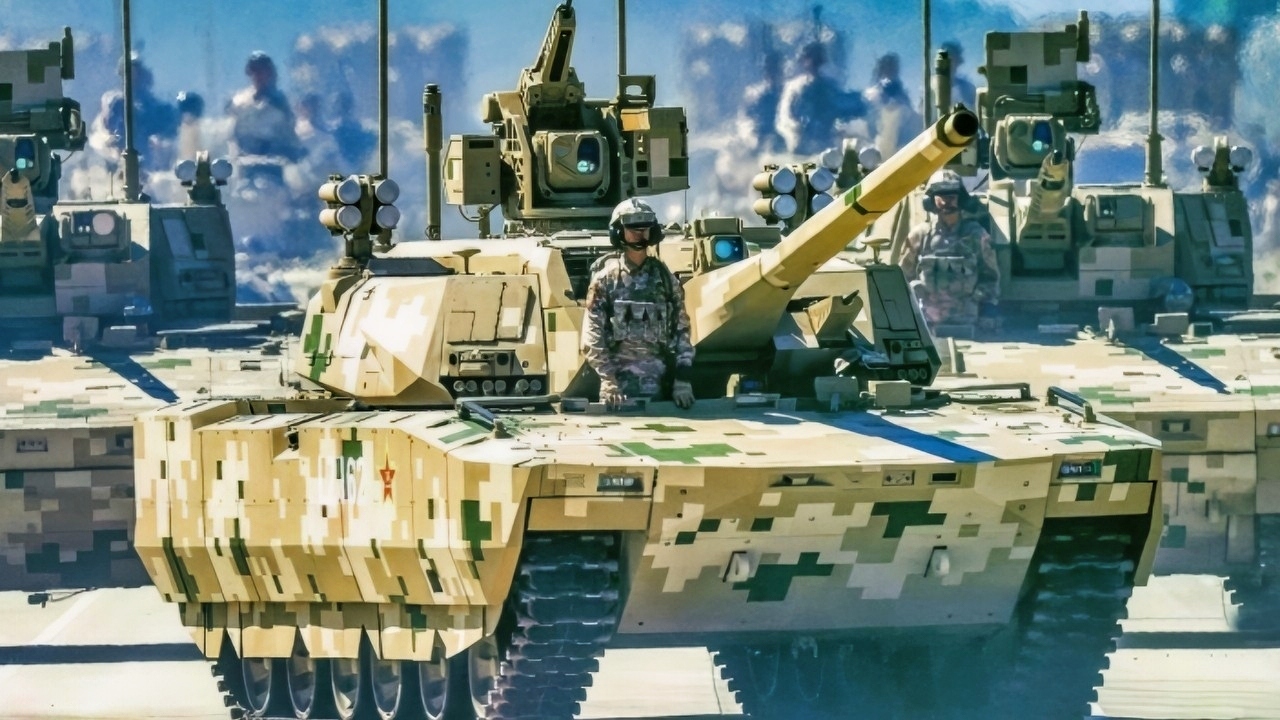
Type 100 Tank from China. Image Credit: Creative Commons.
This materialist fixation reflects the classic bias of Western conventional military planning, assuming deterrence is purely an equation of missile inventories, radar coverage, and burn rates. By treating Taiwan as an isolated artillery platform rather than a society that must survive total physical isolation, American policy is building a porcupine without internal quills. If and when the People’s Liberation Army breaches the outer defensive ring, establishes coastal lodgments, and imposes a total blockade, Taiwan’s standoff systems will be rapidly expended, neutralized by precision bombardment, or starved of fuel and parts. Without an organized, decentralized civil-military underground ready to execute resistance operations, the island’s defense will collapse into rapid paralysis. True deterrence by denial requires more than anti-ship missiles. It demands an island-wide resistance architecture grounded in Unconventional Warfare doctrine.
The fundamental operational reality that separates the defense of Taiwan from the conflict in Eastern Europe is geography. Ukraine shares contiguous, secure land borders with NATO member states across Poland, Slovakia, and Romania. Every day, hundreds of trucks carrying anti-tank guided missiles, air defense munitions, secure radios, and blood plasma cross those sovereign boundaries without entering contested airspace or contested waters. Western nations can repair damaged armored vehicles in Polish depots and return them to the front lines within seventy-two hours. Strategic depth and continuous resupply are guaranteed by the continent.
Taiwan possesses zero land borders. It is an island separated from the Chinese mainland by roughly one hundred miles of open water, surrounded by deep maritime approaches and heavily monitored airspace. The moment Beijing executes an invasion or an aggressive quarantine, the theater is instantly sealed. Under an operational blockade enforced by anti-ship ballistic missiles, maritime militia swarms, and dense air defense envelopes, the luxury of just-in-time logistics disappears. There will be no maritime convoys steaming into Kaohsiung or Keelung under daylight, and no emergency cargo flights landing on highway airstrips. Whatever supplies, weapons, medical assets, and communications gear the defender possesses on the day the first missile strikes represent the absolute entirety of what will ever be available.
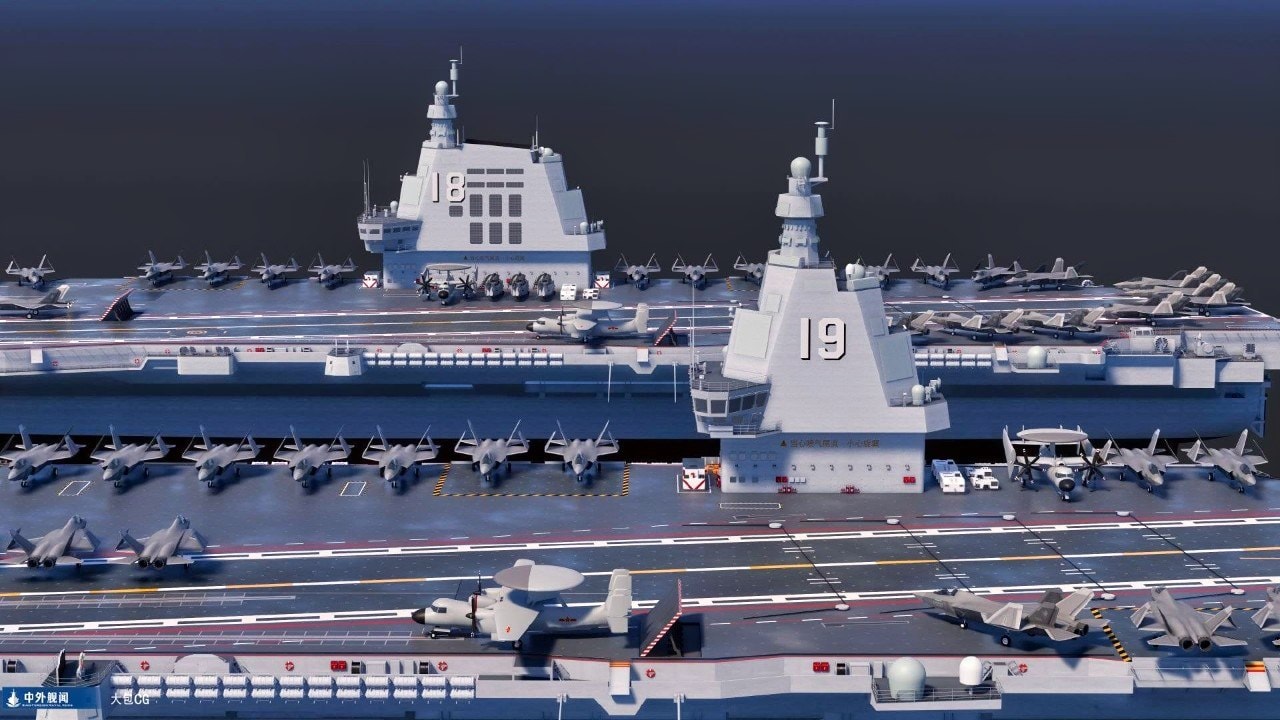
China Aircraft Carriers. Image Credit: Creative Commons.
If Taiwan’s resistance relies solely on conventional depots, centralized logistics parks, and visible coastal defense infrastructure, those assets will be systematically targeted and destroyed within the opening phases of the campaign. The PLA has spent three decades refining precision ballistic and hypersonic strike capabilities specifically designed to crater every runway, level every primary radar site, and sever every above-ground command post on the island. When the power grid fails, the internet cables are severed, and fuel distribution breaks down, a centralized conventional military force quickly degrades into isolated, uncoordinated pockets of personnel unable to maneuver or communicate.
To prevent this catastrophe, defense planners must look past conventional platform acquisitions and embrace the foundational doctrine of Unconventional Warfare and the Resistance Operating Concept. Developed by United States Special Operations Command Europe alongside Baltic and Nordic allies following the initial invasion of Crimea, the Resistance Operating Concept provides the doctrinal blueprint for a nation facing an overwhelming, near-peer totalitarian neighbor. It recognizes that when conventional superiority cannot be guaranteed at every point along a border or coastline, the ultimate deterrent is a prepared population capable of conducting decentralized, lethal resistance operations across every phase of conflict, an approach the Baltic states and Nordic partners have already begun operationalizing through pre-positioned caches, territorial guerrilla training, and whole-of-society resilience.
Doctrinally, a viable resistance movement does not consist of an improvised civilian militia rushing into the streets with hunting rifles once tanks roll ashore. That is a recipe for slaughter. True resistance relies on three mutually supportive, rigorously organized components: the underground, the auxiliary, and the guerrilla force.
The underground represents the clandestine network that operates within areas controlled or contested by the adversary. It provides the essential functions of intelligence collection, counter-surveillance, secure courier communications, sabotage, and subversive operations. It operates in small, compartmentalized cells with strict operational security and deliberate cut-outs, ensuring that if one cell is compromised by adversary intelligence or domestic collaborators, the broader network remains intact.

China J-20 With Parachute. Image Credit: PLAAF.
The auxiliary serves as the logistical backbone of the entire resistance. It is composed of vetted civilians embedded across critical infrastructure: municipal workers, medical professionals, power grid technicians, harbor pilots, logistics managers, and telecommunications engineers. The auxiliary provides the underground and guerrilla forces with food, clandestine shelter, medical treatment, local intelligence, and transportation. They do not carry rifles openly; instead, they sustain the combatants and maintain the friction that grinds an occupying force to a halt.
The guerrilla force comprises the armed combat element. In Taiwan’s case, this includes territorial defense units, dispersed regular military cadres, and specialized reserve elements trained in asymmetric tactics, ambushes, sniper operations, anti-armor strikes, and rapid dispersal. Operating from prepared terrain in Taiwan’s dense urban centers and the rugged Central Mountain Range, guerrilla elements exploit local knowledge to deny the adversary freedom of maneuver, targeting supply convoys, command nodes, and vulnerable rear-echelon units.
Currently, Taiwan’s defensive preparations only graze the surface of this concept. The creation of the All-Out Defense Mobilization Agency and the expansion of civilian emergency response workshops provide a visible and politically sustainable foundation, but they remain fundamentally anchored in an outdated twentieth-century mobilization model. Centralized muster stations, bureaucratic call-up registries, and public first-aid workshops will be instantly neutralized during an opening salvo. That visible foundation is necessary but insufficient. Building authentic cell structures, operational security tradecraft, and distributed command takes years of quiet, less photogenic work. Starting that clandestine effort now is the only way to close the gap between political comfort and combat survivability.
Transforming Taiwan’s defensive posture into a genuine, un-decapitable resistance network does not require provocative new treaties, radical diplomatic ruptures, or the deployment of large conventional American forces that would trigger regional escalation. The necessary strategy can be executed quietly, professionally, and feasibly within existing legal frameworks, sovereign authorities, and defense appropriations.
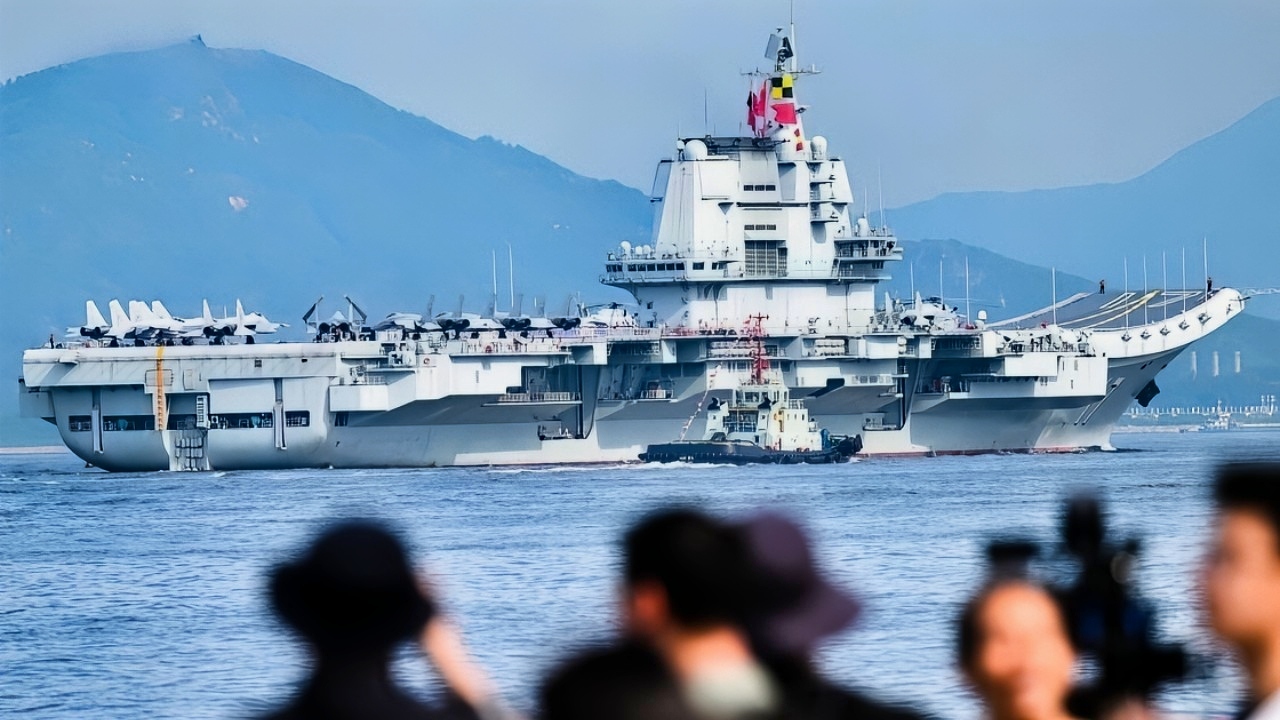
China Aircraft Carrier in Port. Image Credit: Chinese Navy.
First, the United States must anchor this effort directly to existing statutory authorities. Section 3 of the Taiwan Relations Act explicitly mandates that the United States provide Taiwan with the defense articles and defense services necessary to maintain a sufficient self-defense capability. Advisory support for unconventional warfare and territorial resistance falls squarely within the definition of defense services. Furthermore, Section 1202 of the National Defense Authorization Act grants United States Special Operations Forces specific statutory authority to support partner-nation irregular warfare forces to deter or defeat near-peer aggression. Utilizing these mechanisms allows the Department of War to fund and execute resistance capacity-building without creating diplomatic crises or requiring new legislative mandates.
Second, the advisory architecture must be tailored to protect operational security and respect political realities. Proposing large-scale, high-visibility training programs on American soil carries severe diplomatic baggage and significant counter-intelligence vulnerabilities. The solution lies in expanding low-visibility, in-country advisory mechanisms. Rotational Special Operations Forces Liaison Elements and small, highly specialized Mobile Training Teams should operate quietly alongside Taiwanese cadre in remote training sectors within the Central Mountain Range and designated municipal commands.
The focus of these advisory teams must not be basic infantry tactics. Instead, they must serve as force multipliers, training a dedicated cadre of Taiwanese Special Operations personnel, Marine commanders, and Reserve instructors in resistance methodology, cell structure organization, clandestine logistics, distributed command, and operational security tradecraft. These vetted Taiwanese instructors then return to their parent commands and territorial defense districts to cascade the doctrine down into local defense units, completely insulating Washington from accusations of an overt troop surge on the island while building native, sovereign capacity.
These efforts must also navigate Taiwan’s domestic political realities. Organizing a genuine underground touches historical sensitivities and raises legitimate questions about command authority, legal frameworks, and the boundary between territorial defense and irregular warfare. The solution is not external imposition but deliberate adaptation: every element of the resistance architecture must remain under Taiwanese sovereign control, executed through existing legal authorities, and framed as an extension of national resilience rather than a parallel force. Political caution is warranted; paralysis is not.
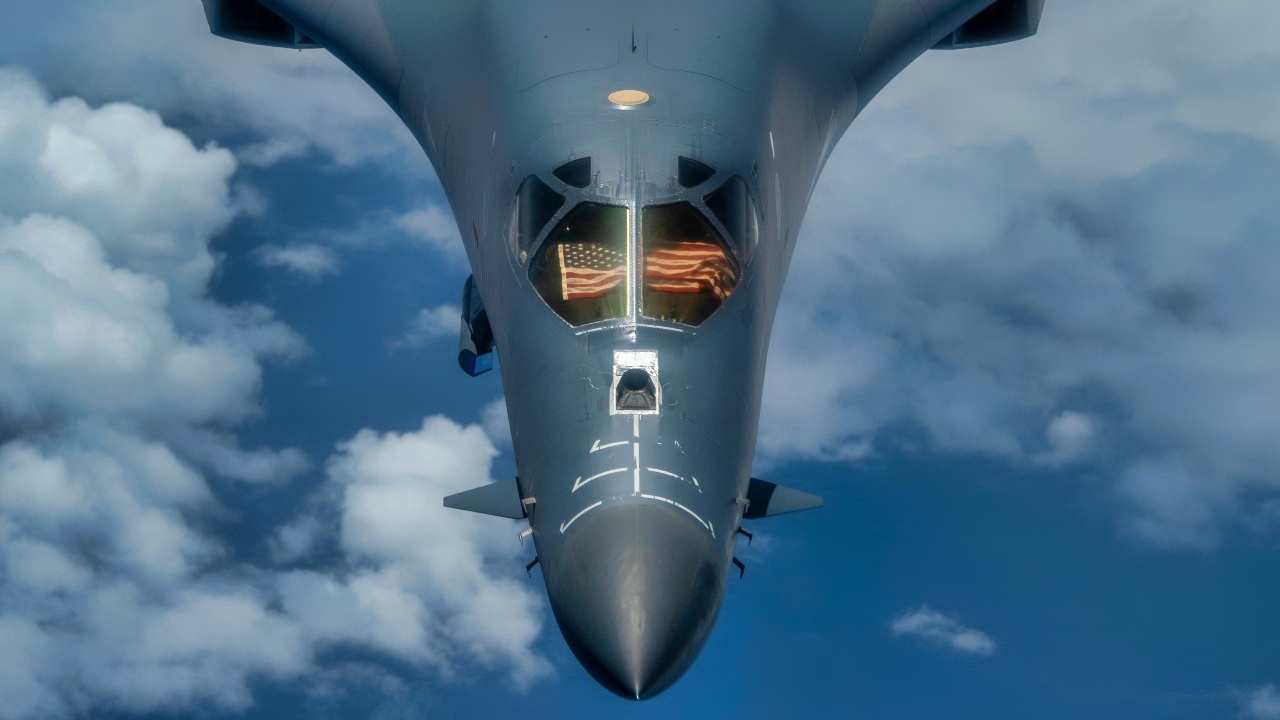
A 9th Expeditionary Bomb Squadron B-1B Lancer flies over the East China Sea May 6, 2020, during a training mission. The 9th EBS is deployed to Andersen Air Force Base, Guam, as part of a Bomber Task Force supporting Pacific Air Forces’ strategic deterrence missions and commitment to the security and stability of the Indo-Pacific region. (U.S. Air Force photo by Senior Airman River Bruce)
Third, Taiwan must immediately execute a national, pre-conflict caching campaign. Because resupply during a blockade is impossible, the physical tools of resistance must be distributed and secured across the island long before the first shot is fired. This requires establishing thousands of hardened, concealed, and decentralized caches throughout both urban municipal environments and the rugged interior terrain.
These caches must contain the vital requirements for sustained decentralized warfare: man-portable anti-tank weapons such as Javelins and light anti-armor rockets, man-portable air defense systems, loitering munitions, sniper systems, encrypted tactical radios, night vision optics, specialized demolition materials, trauma medical kits, and non-perishable rations. To maintain economic and political viability, this initiative can be integrated into municipal resilience and critical infrastructure protection programs, utilizing subterranean public works, reinforced civil defense facilities, and compartmentalized storage vaults. The signature-management challenge is real. While large-scale pre-positioning creates a detectable footprint that adversary intelligence will attempt to map, dispersion, compartmentalization, and integration into existing civil infrastructure make the risk manageable. It remains far less demanding than attempting to move the same material across a sealed strait after the first missile strikes.
Fourth, the resistance architecture must be built upon survivable, decentralized communications. In the opening hours of a cross-strait assault, undersea fiber-optic cables will likely be cut and commercial cellular networks jammed or destroyed. A resistance force that cannot communicate cannot coordinate. The United States and Taiwan must invest heavily in tactical high-frequency mesh radio networks, low-probability-of-intercept communications devices, and distributed command architectures that allow local cell leaders to execute mission command based on commander’s intent rather than continuous guidance from a vulnerable central headquarters.
When an adversary assesses the viability of an amphibious assault across a contested strait, his primary operational challenge is not merely securing a beachhead or capturing an airfield. His existential strategic risk is whether he can pacify the territory, secure his supply lines, and consolidate political control before the international community responds or the cost of the occupation becomes unsustainable.

CH-7 Drone from China. Image Credit: Creative Commons.
If Beijing looks across the strait and sees an adversary whose entire strategy rests on a handful of exquisite, high-visibility conventional platforms, the path to victory appears clear: execute a massive decapitation strike, sever communications, destroy the power grid, and overwhelm the coastal defenses with mass and firepower. However, if the leadership in Beijing knows that crossing the strait means entering an island where every urban high-rise, coastal village, and mountain pass is backed by a trained underground, supported by an embedded auxiliary, and defended by lethal guerrilla cells equipped with pre-cached weapons, the strategic calculation changes entirely. The prospect of an endless, costly urban and mountainous quagmire shatters the illusion of a quick, decisive fait accompli.
War is unforgiving, and the physics of island defense do not allow for second chances or post-blockade corrections. Standoff precision fires are necessary, but they are insufficient on their own to guarantee the survival of a free society facing an existential totalitarian threat. If the United States and Taiwan truly wish to deter conflict and preserve stability in the Indo-Pacific, they must abandon the comfortable illusion of platform-centric defense and invest immediately in the human dimension of warfare. We must build the underground, organize the auxiliary, and arm the resistance today, because when the crisis arrives, the only porcupine that truly deters is one whose quills are deeply rooted in the resolve, organization, and lethal capability of its people.
About the Author: Stephen D. Cook
Stephen D. Cook is a retired U.S. Army Special Forces Lieutenant Colonel with 25 years of service. A combat veteran decorated for both heroism and valor, he is the author of the field manuals When We’re Finished and Choose the Heavier Ruck, and the techno-thriller precision-strike trilogy leading with In the Shadows of the Sky. His work explores the intersection of elite military decision-making, intuition, and disruptive leadership. He is based in St. Augustine, Florida. This first appeared in RealClearDefense.


