

As Ukraine has been ramping up its drone operations against Moscow, more and more Ukrainian drones are ending up where they don’t belong. Most recently, a drone was shot down over Latvian airspace by NATO air forces. These reports have emerged following several other instances of drones showing up in other NATO countries. The recent incidents have sparked fears among some Baltic nations that the war may spread beyond Ukraine’s borders and lead to a broader escalation.
Ukrainian Drones in NATO Airspace
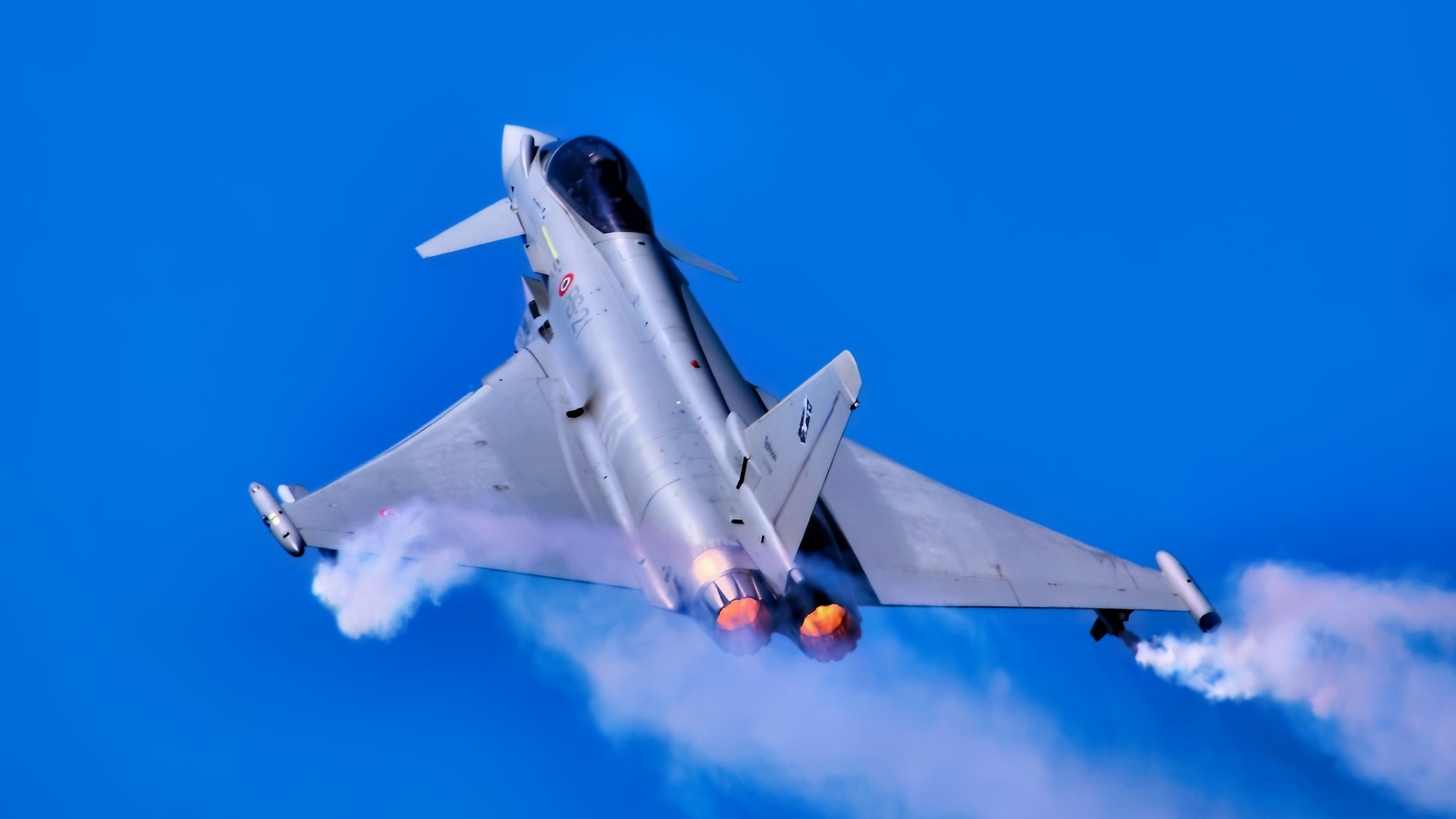
Eurofighter Typhoon Test Flight in 2013. Image Credit: Creative Commons.
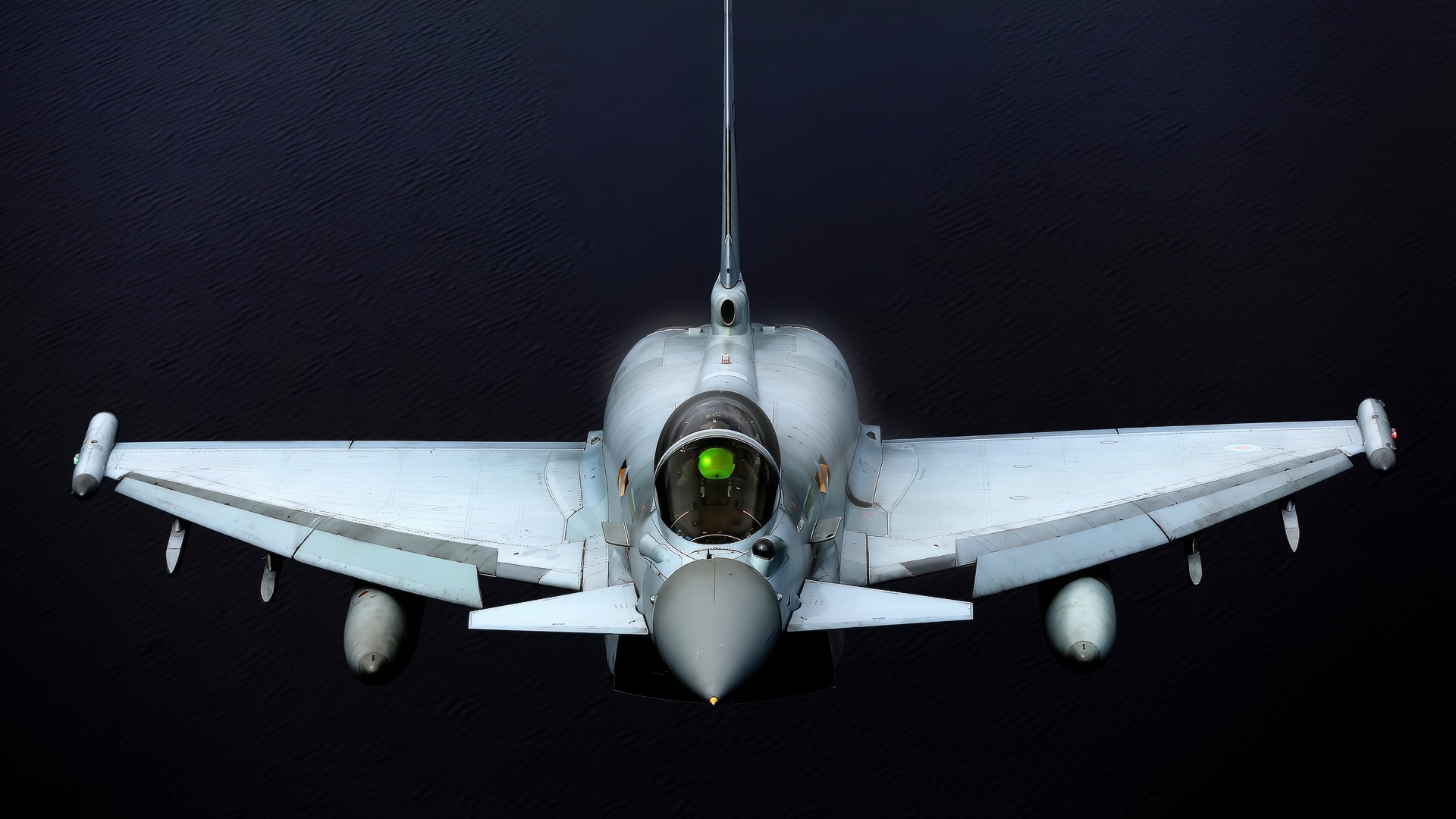
Eurofighter Typhoon over the Water. Image Credit: Creative Commons.
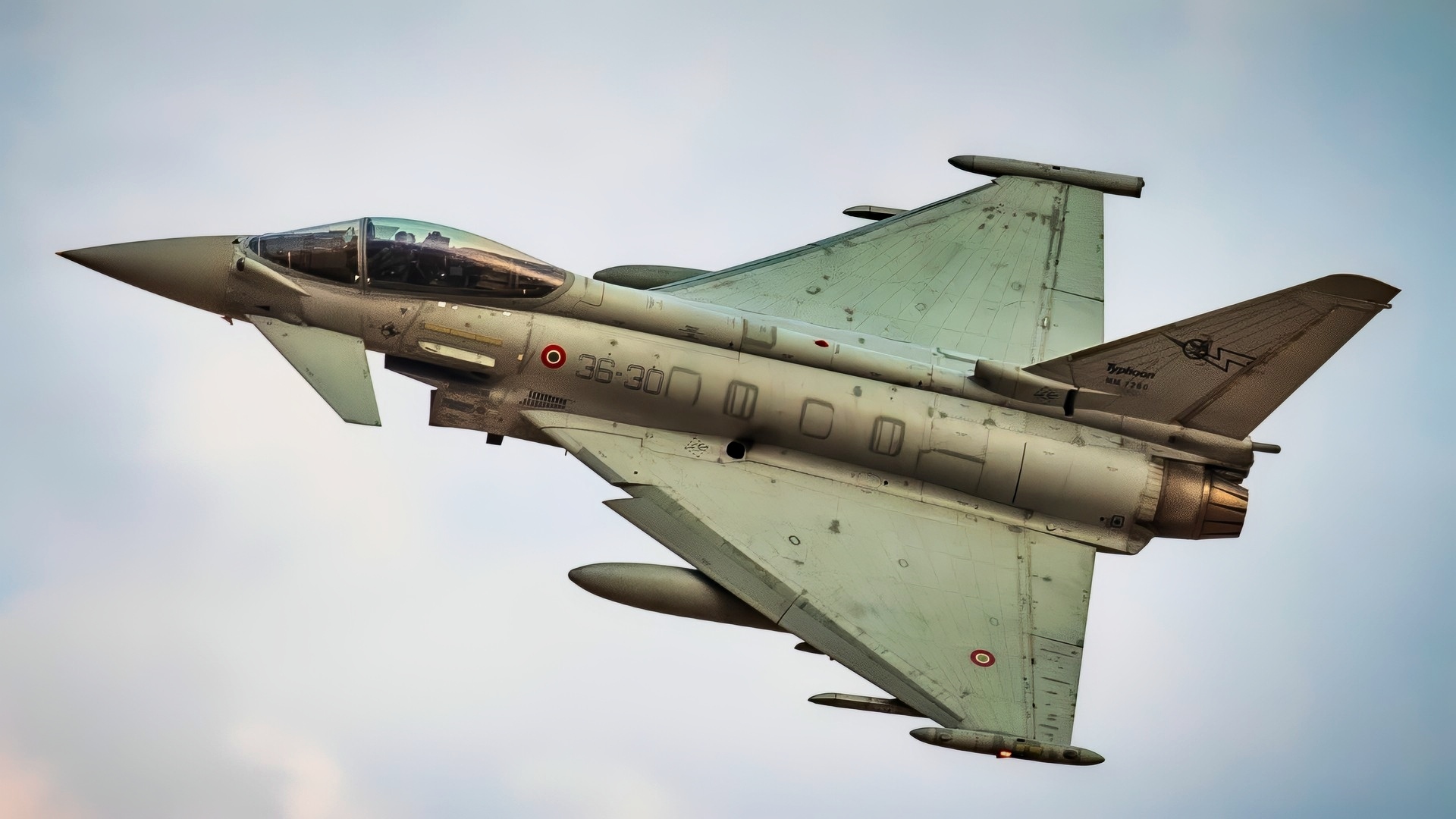
An Italian Air Force Eurofighter Typhoon maneuvers during a joint close air support exercise with U.S. Marines attached to the Special Purpose Marine Air-Ground Task Force – Crisis Response – Central Command (SPMAGTF-CR-CC) 19.2, and service members with the Italian Air Force in Kuwait, Oct. 14, 2019. The SPMAGTF-CR-CC works with partner nations on maintaining regional security. (U.S. Marine Corps photo by Sgt. Kyle C. Talbot)
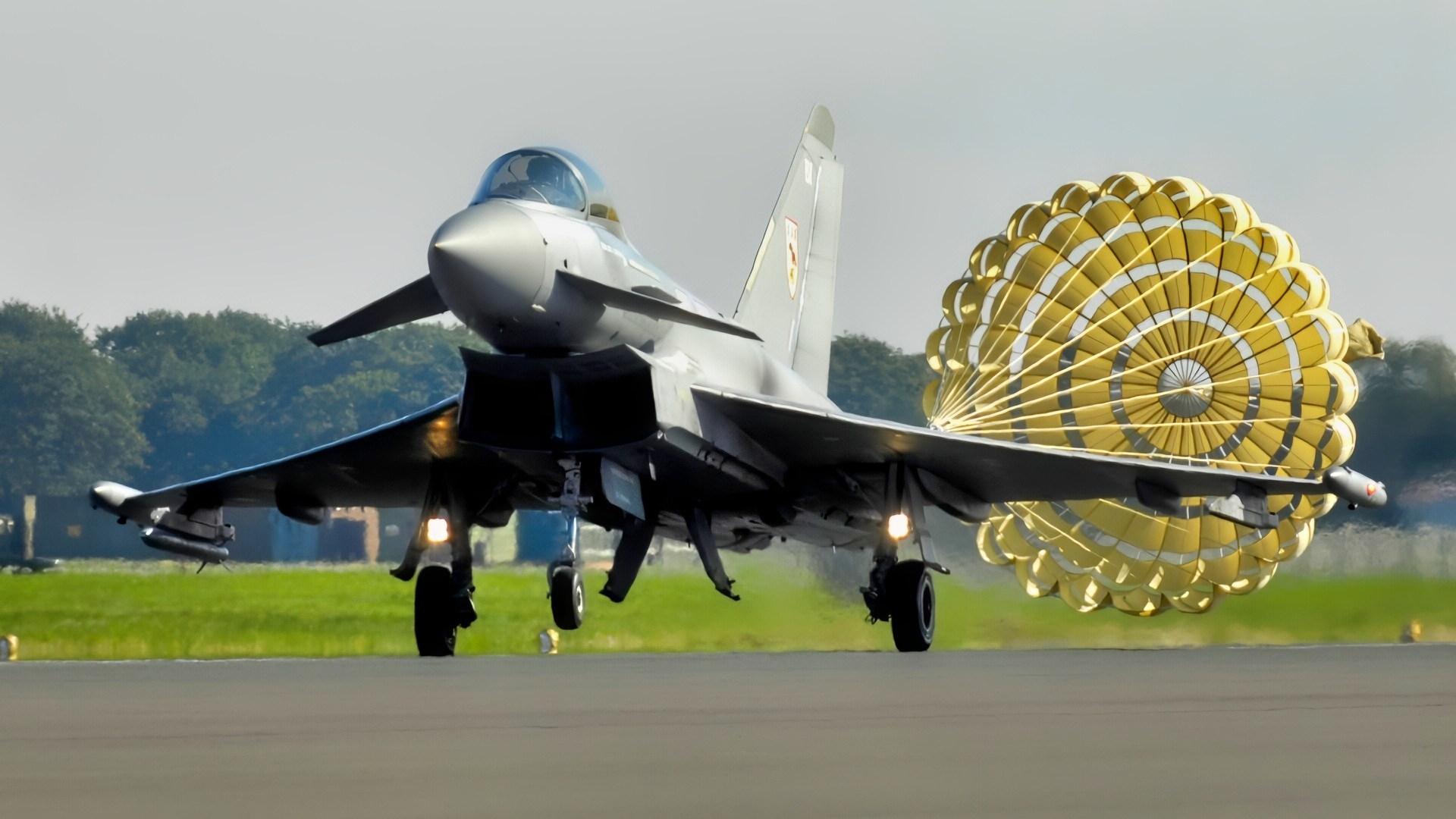
According to the Latvian Military, two NATO fighter jets shot down a drone that entered the country’s airspace.
The military did not specify from which country the drone originated, but stated that the incident was “a result of Russian electronic warfare.”
The drone was almost certainly launched from Ukraine and was likely targeting Russian oil and fuel infrastructure.
This is not the first time that Ukrainian drones have “wandered” into NATO airspace.
In another incident, a drone, likely launched from Ukraine, crashed in a field in Moldova. “Regardless of the drone’s origin, responsibility for any drone that lands on the territory of the Republic of Moldova lies with Russia,” Moldova’s foreign ministry said in a post on Telegram, according to the AFP news agency.
In another incident from almost two weeks ago, a Romanian fighter jet intercepted a Ukrainian drone flying over Estonian airspace. The day afterward, a drone flying over the Lithuanian capital Vilnius prompted air raid sirens across the capital and sent residents fleeing for shelter. Officials across the Baltics have naturally blamed Russia for these incidents.
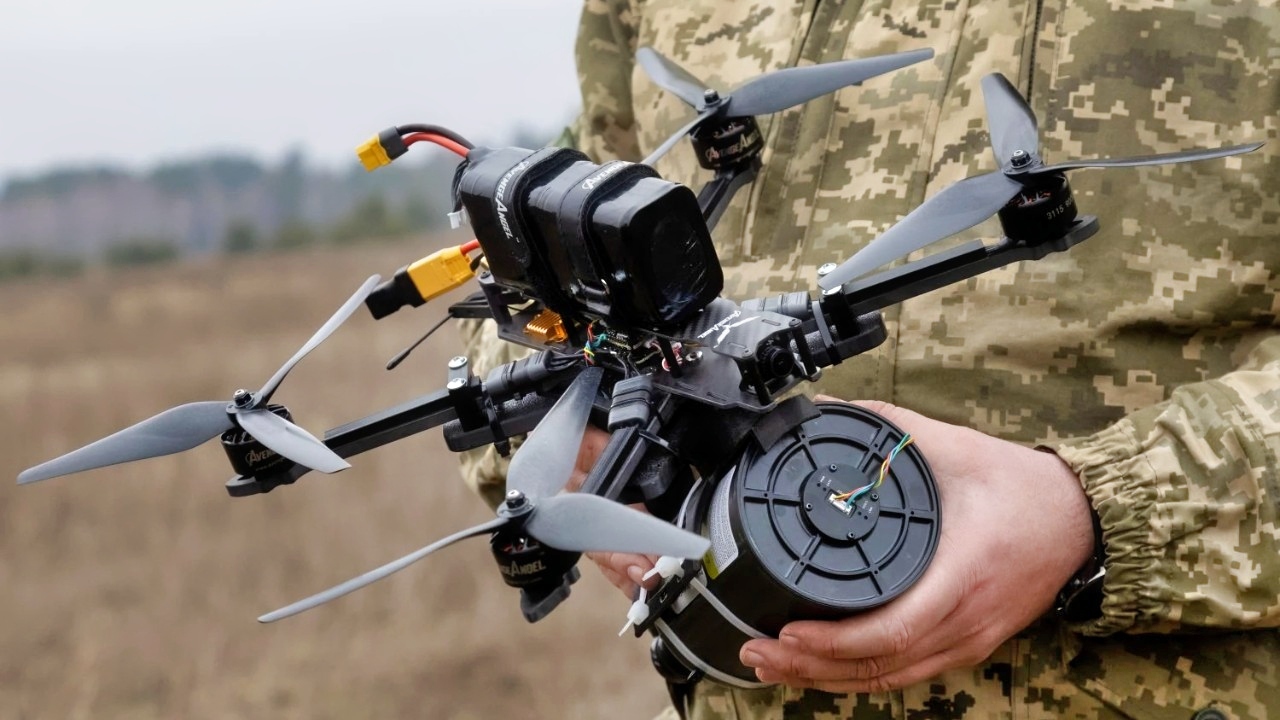
Ukraine Drone. Image Credit: Creative Commons.
After the incidents, Estonian Foreign Minister Margus told Reuters that Russia was “desperately now using any kind of opportunity to divide the Western part of the world and … to put more pressure on Ukraine not to launch these attacks.”
Just a couple of days ago, a Ukrainian naval drone entered the Romanian Black Sea port of Constanta and exploded. Luckily, no one was injured, and it is likely that the drone was steered off course by Russian electronic warfare.
Electronic Warfare or a Deliberate Border Violation
There are two likely explanations for these incidents.
The first is that they are accidental outcomes of electronic warfare. Both Russia and Ukraine have invested heavily in EW as a means of countering drone attacks. These systems interfere with the guidance systems of enemy drones, causing them to veer off course. In some instances, both in Kyiv and Moscow, this has caused incoming drones to veer away from intended military targets and instead strike civilian apartment buildings.
In these recent cases, it is likely that the drones were steered away while in Russian space and simply ended up in NATO territory as an unavoidable outcome of electronic warfare.
On the other hand, it is also possible that Ukraine sends its drones through NATO territory in order to strike targets deep within Russia. On multiple occasions, Russian authorities have accused Baltic countries and other NATO members of allowing Ukraine to use their airspace for drone attacks against Russian territory.
After the recent attacks on Saint Petersburg, Russian officials accused Ukraine of using NATO territory to launch or protect its drones en route to Russian territory.
It seems very possible that some NATO members are willingly allowing Ukraine to use their airspace for drone attacks, or Ukraine is sending its drones into NATO without anyone’s knowledge or permission. Either way, both options are a dangerous escalation if true.
Playing With Fire
The recent incidents involving Ukrainian drones have sparked fears in neighboring countries that the war could spread, sparking a wider regional war. Moscow has warned NATO on multiple occasions that the organization’s involvement with Ukraine could have serious consequences if neutral countries allowed Kyiv to use their airspace.
About a week ago, a Russian drone crashed into an apartment building in Romania, near the border with Ukraine. Although the damage was thankfully minimal and Russian authorities denied the event entirely, Romanian officials still feared the possibility of escalation. “I don’t believe this was an accident; this has happened too many times for the Russians to be doing this by accident,” said one resident. “Either that or they’re highly incompetent at waging war, but NATO needs to do something about this.”
Both sides have violated NATO airspace on multiple occasions since the beginning of the war. Considering how involved NATO has been in Ukraine’s war effort, however, it is not a stretch to assume that several Baltic nations have either willingly allowed Kyiv to use their airspace for attacks against Russia or have turned a blind eye to it to maintain some semblance of plausible deniability.
As Ukraine’s drone attacks have increased, however, so has the number of drones that have ended up veering off course, posing a threat to neighboring countries. The longer the war continues, the more incidents like these will become common. If NATO does not take steps to prevent these incidents from happening again, then the Russians may be compelled to escalate the war to reinstate a level of deterrence.
About the Author: Isaac Seitz
Isaac Seitz, a Defense Columnist, graduated from Patrick Henry College’s Strategic Intelligence and National Security program. He has also studied Russian at Middlebury Language Schools and has worked as an intelligence Analyst in the private sector.


