

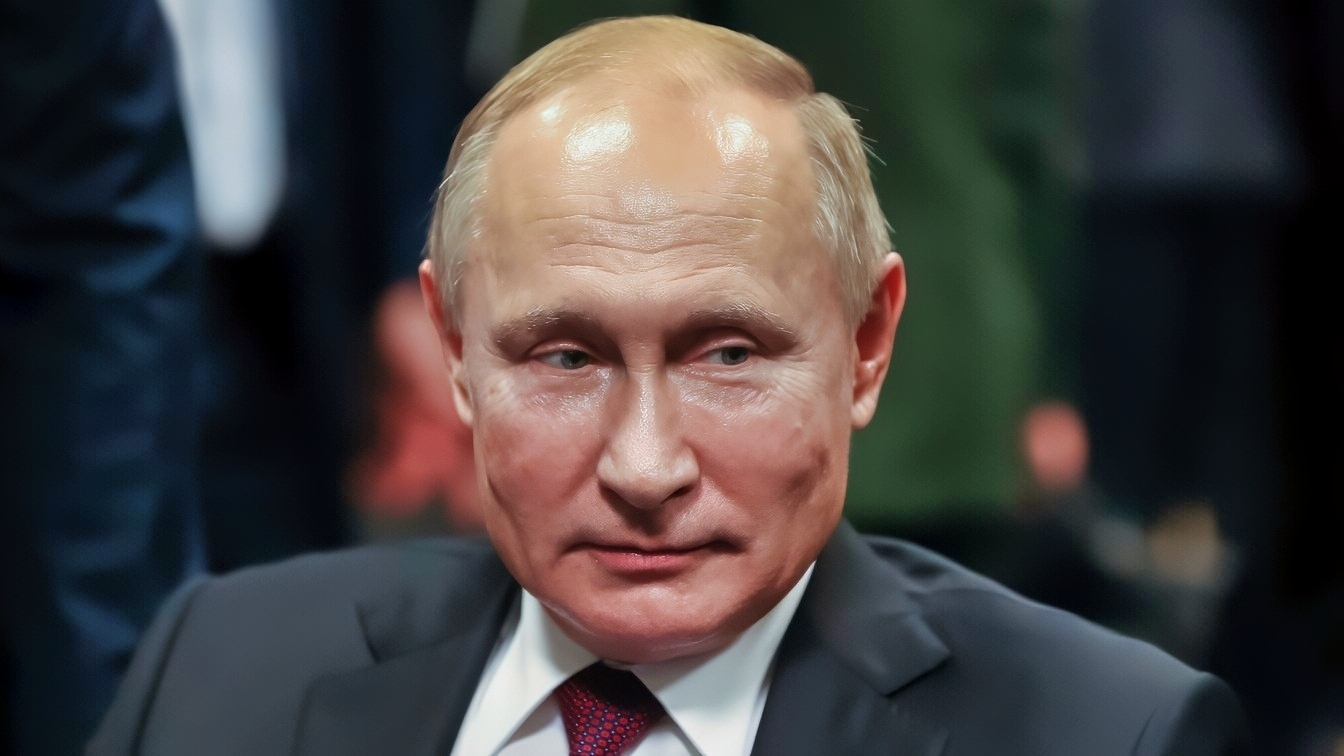
Russian President Vladimir Putin has warned that Moscow is ready for war with Europe, but claimed he did not want the conflict to unfold in the first place.
Putin made his comments following an unusual call with the leaders of Finland and Norway, as Washington tries to spark a new round of talks on the war in Ukraine.

Tu-160 Bomber Russian Air Force Photo
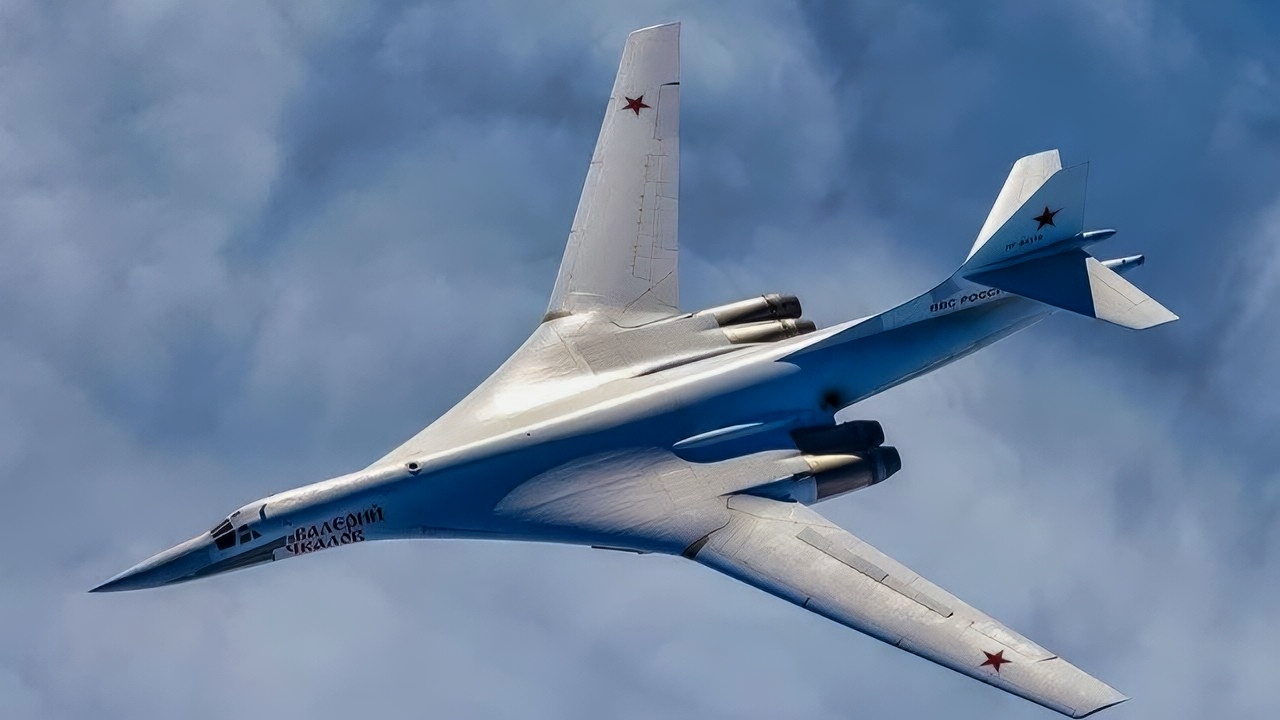
Tu-160 Bomber from Russia. Image Credit: Creative Commons.
Russia launched a full-scale invasion of its southern neighbor in February 2022.
African Leaders Meet in Moscow
After a summit meeting with African officials in Moscow on Thursday, the president claimed that EU nations are planning for war by the end of this decade.
“We are ready, but we do not want any war with Europe,” Putin said, as quoted by Finnish media outlet Yle.
He said that despite the West trying to bring down Russia “strategically,” it was impossible for them to do so by 2030.
He ominously added that if tensions escalate, then “there will be no winners at all.”
Putin also said Russia wants to improve its relationship with European nations, either by dealing with the European Union more broadly or by cooperating with individual governments.
Yet the Russian president also warned that restrictions could affect maritime activities.
The Baltic is key to Russia’s military strength and offers maritime access to its Kaliningrad exclave.
Nordic Leaders Defend Unusual Call
The comments come just two days after Finnish President Alexander Stubb and Norwegian PM Jonas Gahr Støre spoke to Putin by phone for about 90 minutes.
The October 27 call was held in consultation with Ukraine and designed to spur talks. Both leaders added they were speaking for their own countries, not on behalf of the European Union.
“The discussion was frank and substantive,” Stubb said in a statement. He added that countries bordering Russia need to have direct talks to ensure security in Europe.
“The war comes with enormous human and material costs,” he explained. The pair also stressed that they would continue supporting Ukraine militarily and diplomatically.
The move has revealed several cracks in the alliance between European nations. Denmark’s prime minister, Mette Frederiksen, questioned the tactic.
“I honestly don’t know what those two countries think they can achieve with this,” she said.
“We should stay united in Europe,” Frederiksen added, as Deutsche Welle reported.
Putin defended the move, saying, “I believe it is right,” according to the Kyiv Post.
Moscow: We Don’t Want Europe’s Help
The dispute has spilled into the talks set to take place in Abu Dhabi next month to try to reach a peace deal between Russia, Ukraine and the United States.
However, disagreements linger over when they will actually happen and whether European nations will attend.
A Kremlin foreign policy aide, Yuri Ushakov, said on October 28 that European nations had no chance of attending.
“They can get there if they buy tickets, but nobody is going to invite them to the negotiating table,” he said, as Hromadske in Ukraine reported.
Kremlin spokesman Dmitry Peskov bolstered this comment on Thursday. “We do not need such participants,” he said, accusing the European Union of prolonging the war.
Ukrainian President Volodymyr Zelenskyy said the Nordic leaders had encouraged Putin to make “real de-escalatory steps” over its attacks on Ukrainian energy facilities and infrastructure. Kyiv also said it wants European allies to be involved in talks.
NATO Downplays War Threats
European forces are indeed preparing for the possibility of a wider conflict.
Germany’s KSK special forces are changing their training for long-term combat against Russia, Militarnyi reported in an interview with the commander, Brig. Gen. Andreas Kühne.
“We are very specifically focused on the opponent Russia… potentially indefinitely,” he noted.
NATO Secretary General Mark Rutte was more cautious in his comments during a news conference in Estonia on October 14. He said, “We see no imminent threat against NATO territory,” but added he would defend “every inch of Allied territory.”
In Ukraine, devastating overnight aerial assaults continue to take place on an almost daily basis. Zelenskyy revealed Russian attacks had killed 19 people in Dnipro, Chernihiv, and Kremenchuk on October 29.
As Putin insists he wishes to avoid a future conflict with Europe, the war he unleashed is still raging. Moscow insists on achieving its stated goal of capturing the entire Donbas region before it will make a deal.
About the Author: Georgia Gilholy
Georgia Gilholy is a journalist based in the United Kingdom who has been published in Newsweek, The Times of Israel, and the Spectator. Gilholy writes about international politics, culture, and education.


